
The Toyota Crown might now be widely available worldwide, but one can say that the executive sedan has a strong following worldwide. After all, it’s the car the got the ball rolling for Toyota worldwide. Aside from the Land Cruiser, of course.
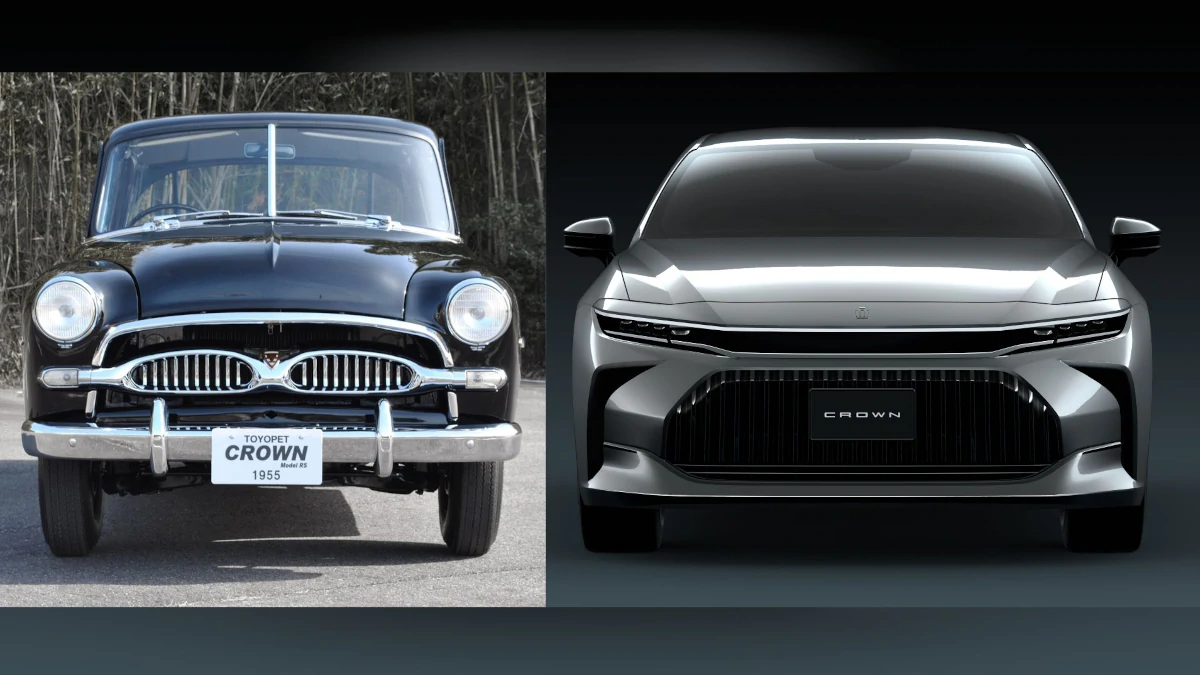
This year, the Crown celebrates a significant milestone. It celebrates its 70th anniversary, and it has been quite the journey. From its humble beginnings in 1955 to the four-car lineup it has now, let’s take a look back at the models that have come and gone.
OTHER STORIES YOU MIGHT HAVE MISSED:
BYD Seal wins big in Japan and takes EV of the Year title
JAMA: Using ultra-low viscosity oils can improve fuel efficiency, reduce CO2 emissions
Toyota Crown, the early years
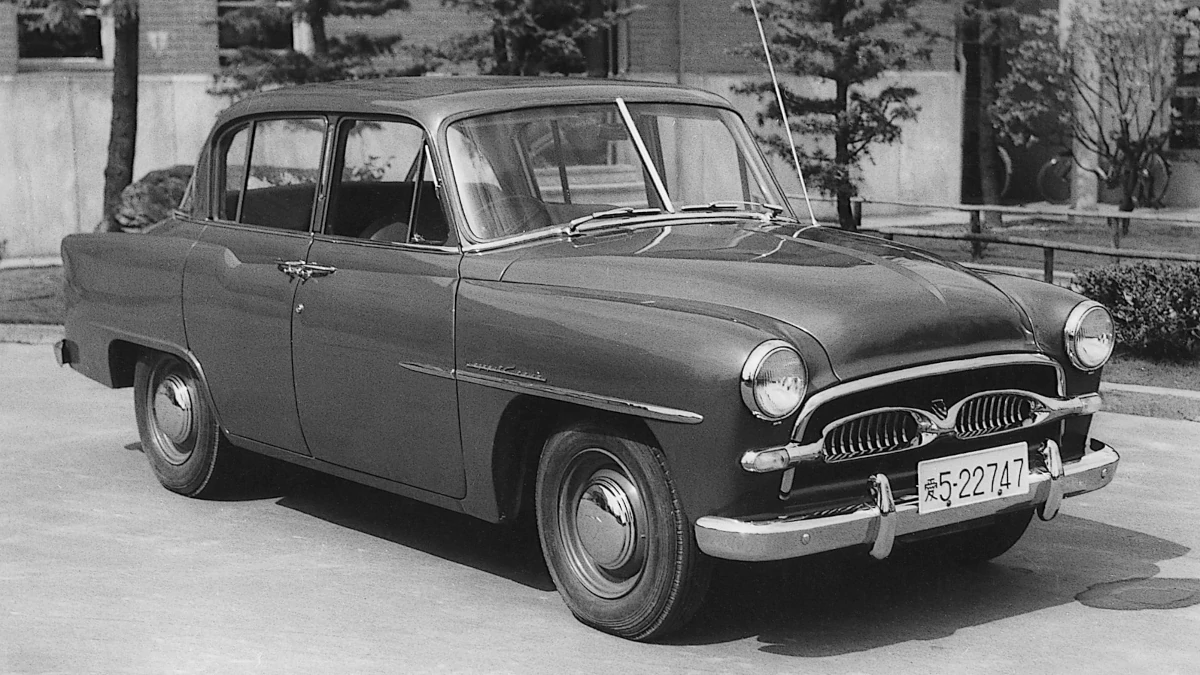
Japan was in the midst of an economic recovery in the 1950s. Filled with optimism, industries went all in to rebuild itself into an industrial superpower. The automotive sector was no exception. With that, the Land Cruiser was made to mobilize government agencies, while the Crown was tasked with moving the masses.
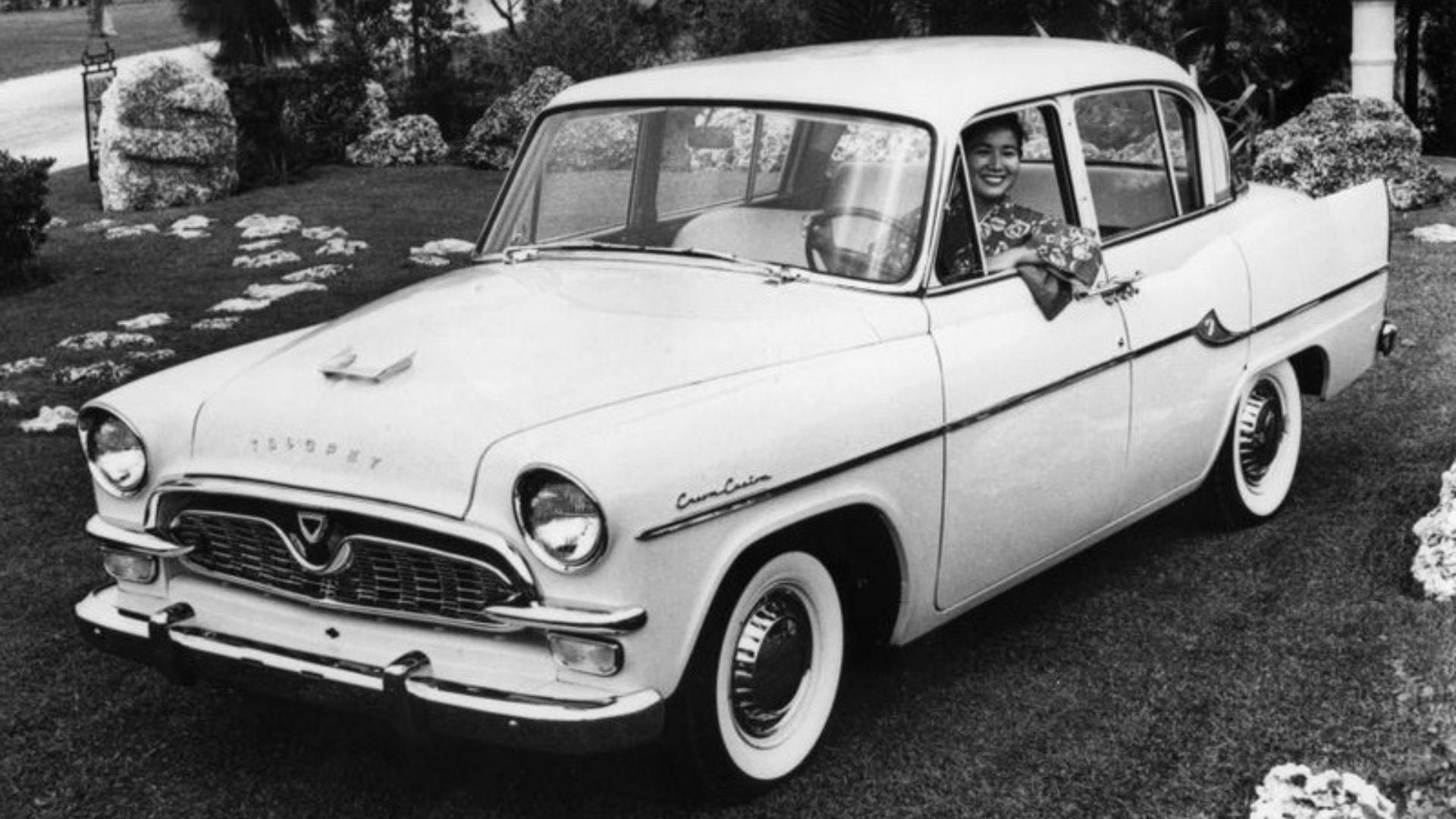
The first-generation Crown rolled out in 1955. While it wasn’t the first passenger car Toyota made that decade (that honor belongs to the Toyopet Super), it was made to meet the growing demands of the Japanese consumer of the era. It was bigger, came in a variety of body styles, several gas and diesel options, and independent front suspension. It was a hit in Asia and lapped up by home market customers, taxi fleets, and police forces.
But Toyota had even bigger ambitions: Entering the US market. Remember, this was in the ‘50s, and memories of the Second World War were still fresh. It was released in the North America in 1958, and to say it flopped was an understatement. Aside from it being Japanese, American road testers at the time noted its unsuitability for their roads, calling it underpowered and too stiff. Wanting to prove its reliability and robustness, Toyota planned a cross country drive but didn’t even make it out of the West Coast due to breakdowns.
Toyota has come a long way since.
The swinging ‘60s
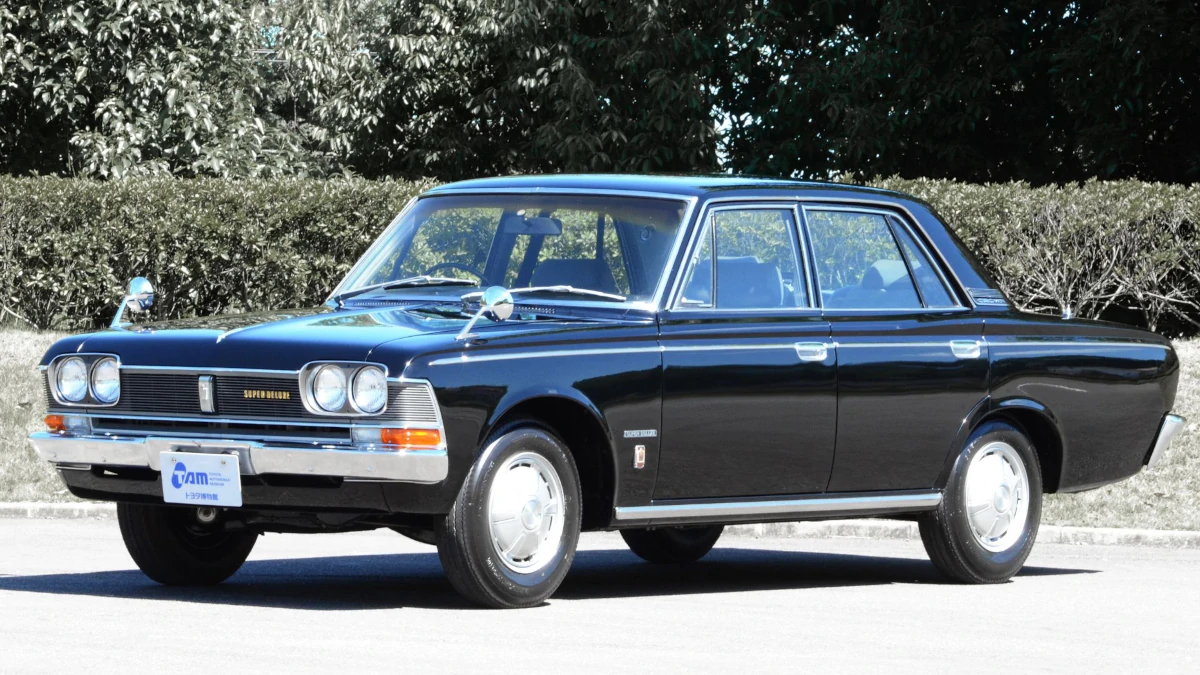
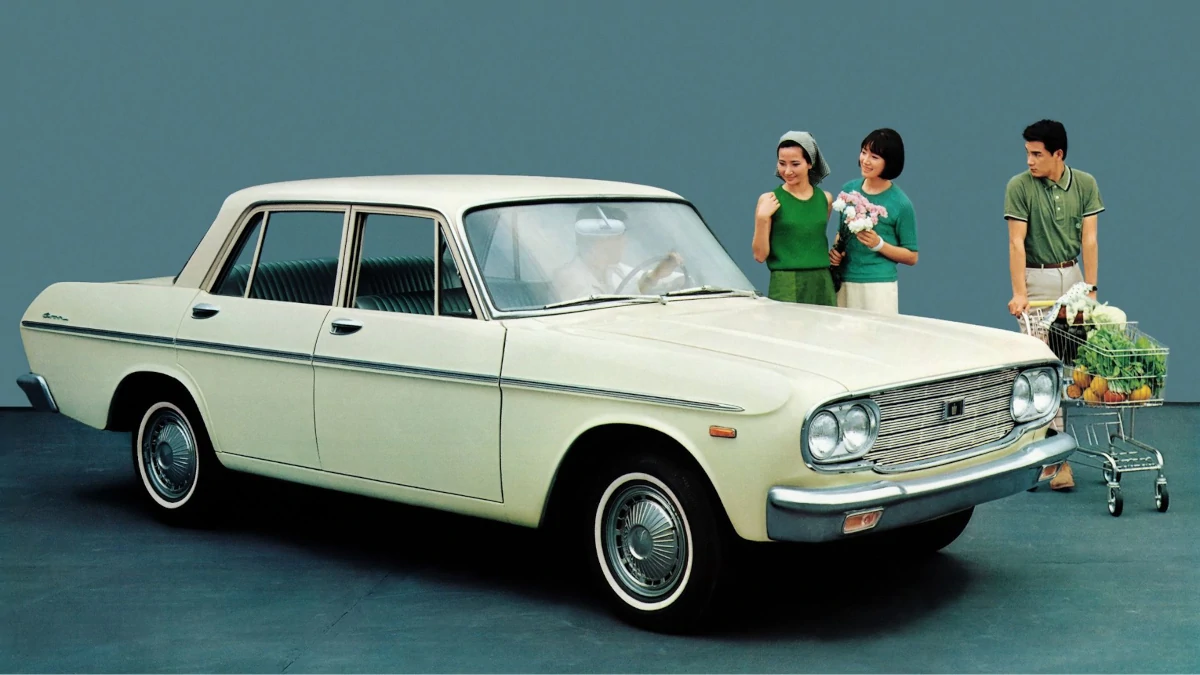
Given the sales disaster in the US, Toyota could’ve just given up and axed the Crown completely. Thankfully, they didn’t and the company took all the improvements it needed to heart. Which is why the Crown transformed itself when the new decade rolled in.
Now aimed at the more premium sector of the market, the Crown grew into a large (at the time) sedan. There’s also the American-inspired design that was the styling trend at the time, and it even gained a V8 option later on. The first V8 Crown would later form the groundwork for the Century.
By the mid-‘60s, the Corolla became Toyota’s export darling, but the Crown was still a strong seller in Asia. So much so that gave the company all the more reason to keep it around. The Crown had bounced back.
Into the ‘70s
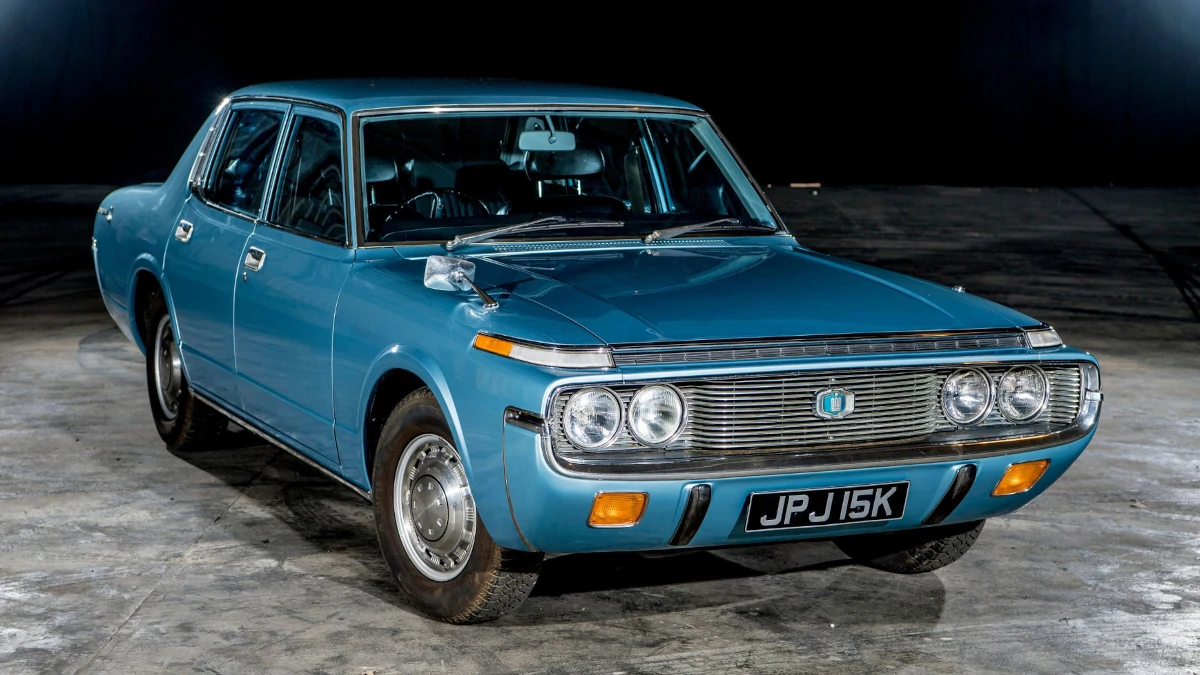
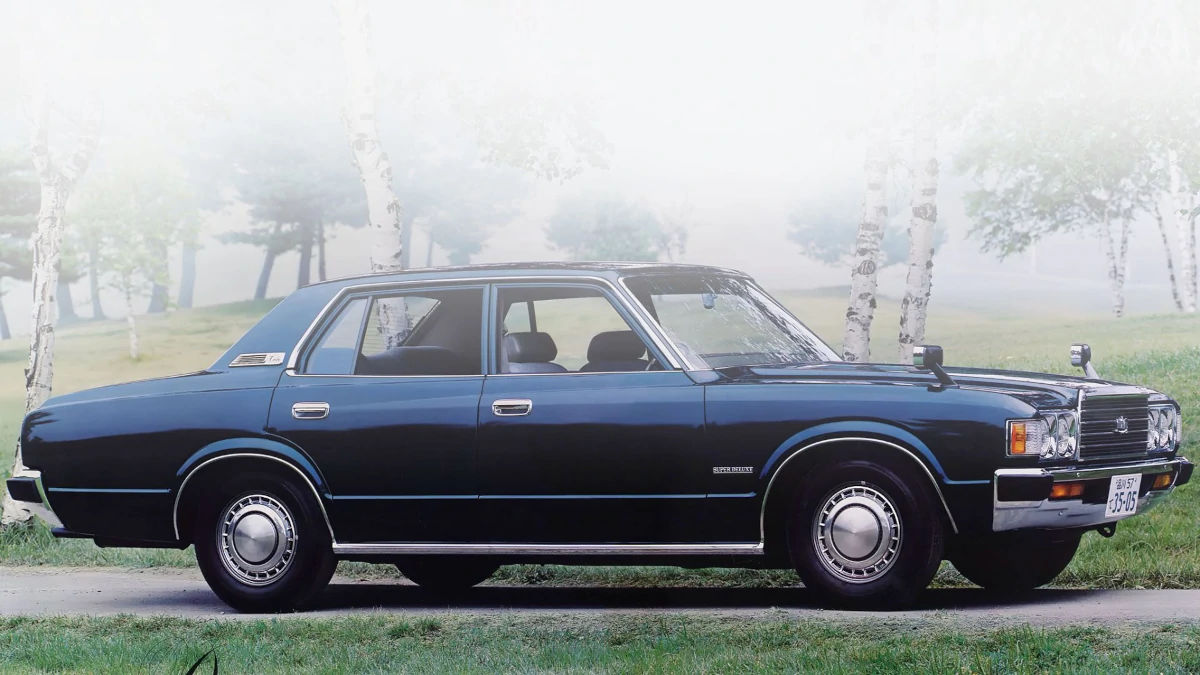
Three generations of Crown would come out in the ‘70s. The first one was a radical redesign of the model, sporting a dramatic exterior and plush interior that wouldn’t look out of place in a European luxury car. Its front end had a very distinct look to it, resembling a whale’s mouth. No surprise then that it was nicknamed kujira, the Japanese word for whale.
Following that, the new generation had a boxier and conservative design. It was still upmarket, but it looked less polarizing than the kujira that preceded it. Still, the Crown’s move upmarket continued, as reflected by its features, interior accommodations, engine choices, and price.
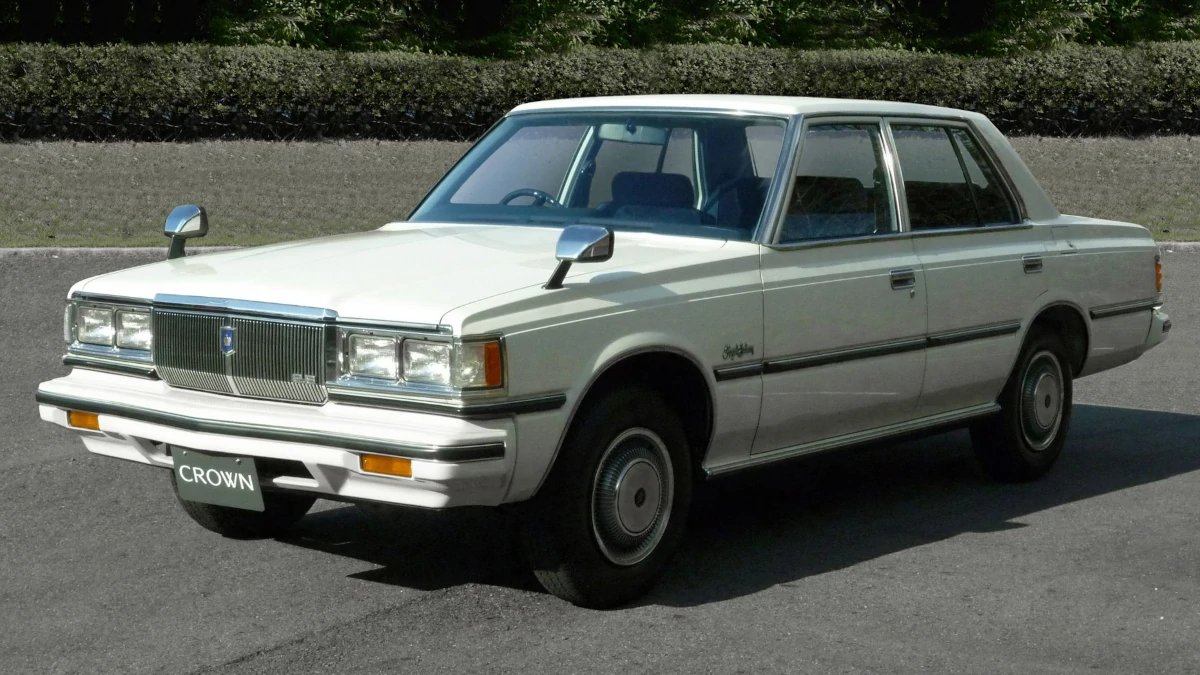
The final Crown of the ‘70s came out in 1979. Toyota doubled down on the boxy theme just before it entered the ‘80s. By then, the model’s brand equity had grown exponentially.
The new dawn of the ‘80s
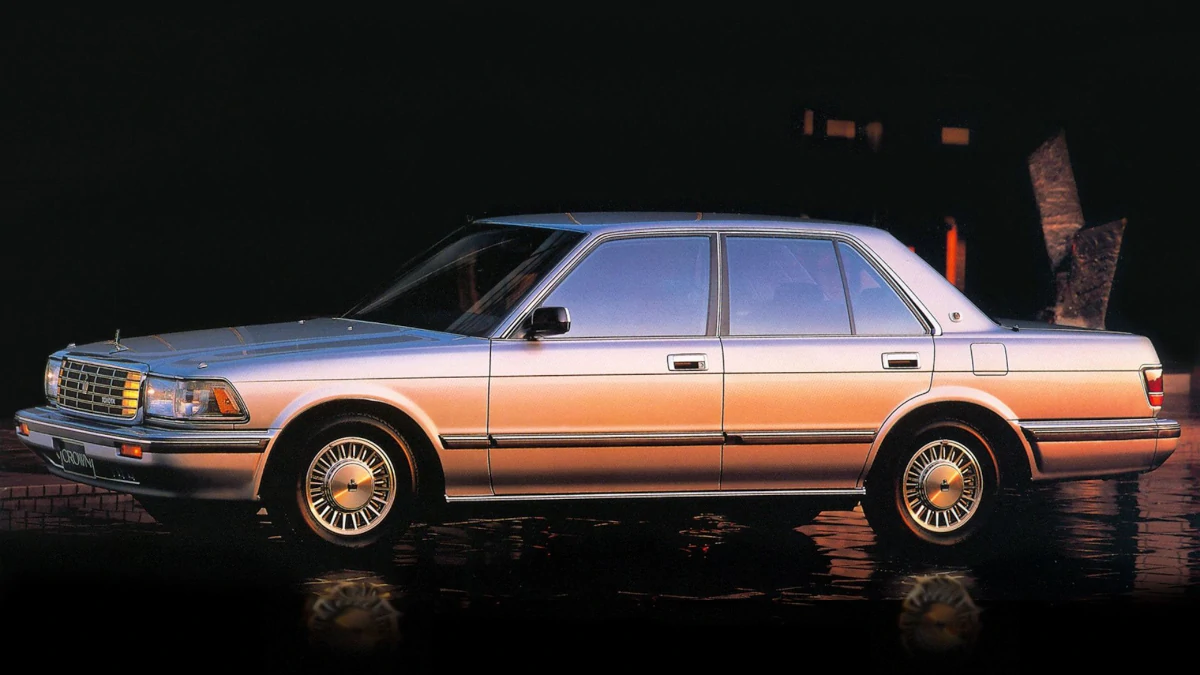
The ‘80s can be said as the start of computerization in the automotive world. Keeping up with the times, the Toyota Crown went all in on tech, at least the best tech at the time.
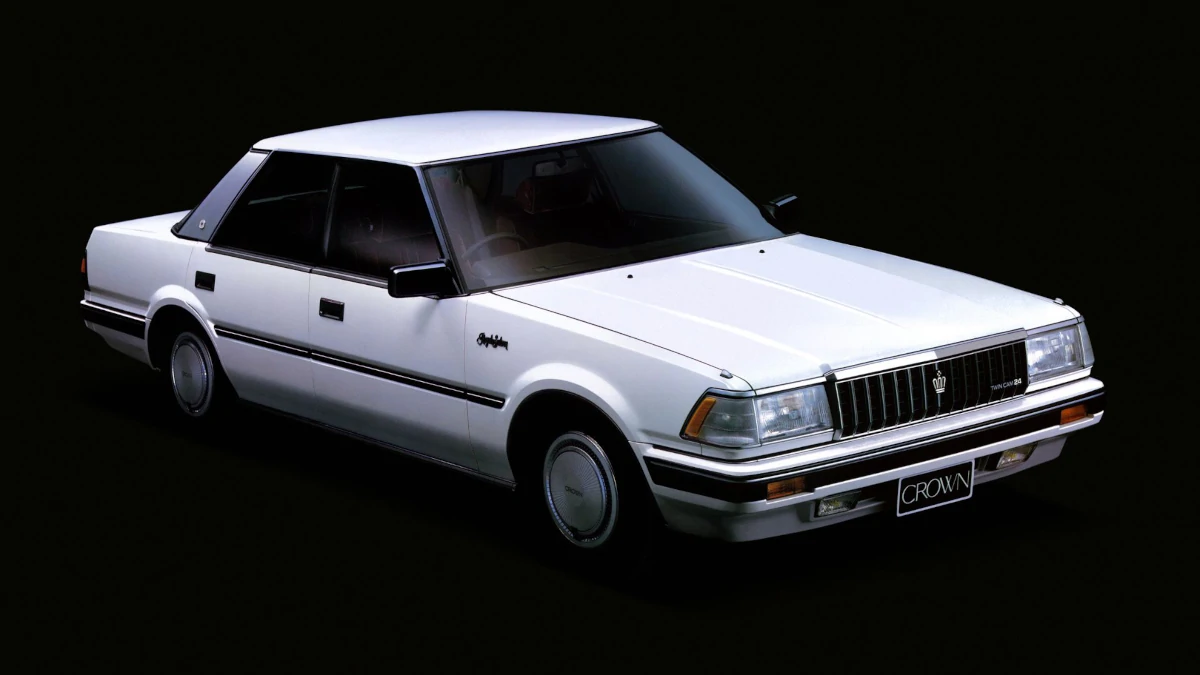
The first of the Crowns introduced that decade was launched in 1983. It may look decidedly old fashioned, but this generation saw innovations such as downsized turbocharging, variable induction, and electronic fuel injection. Not only that, this model had electronically controlled suspension available, as well as electronically controlled automatic transmissions, and anti-lock brakes. Common stuff today, but absolutely mind-blowing over 40 years ago.
An all-new version came in 1987. It continued on the whole innovation theme, adding a turbodiesel variant at some point. The V8 returned and it would be the same engine that powered the first-generation Lexus LS. Air suspension was an option in high trim levels, as well as traction control. And you might be surprised that this car would be the first to offer a navigation system. Okay, it’s nothing like the ones in your smartphone, but to have that in the ‘80s? Again, mind-blowing.
Going strong into the ‘90s
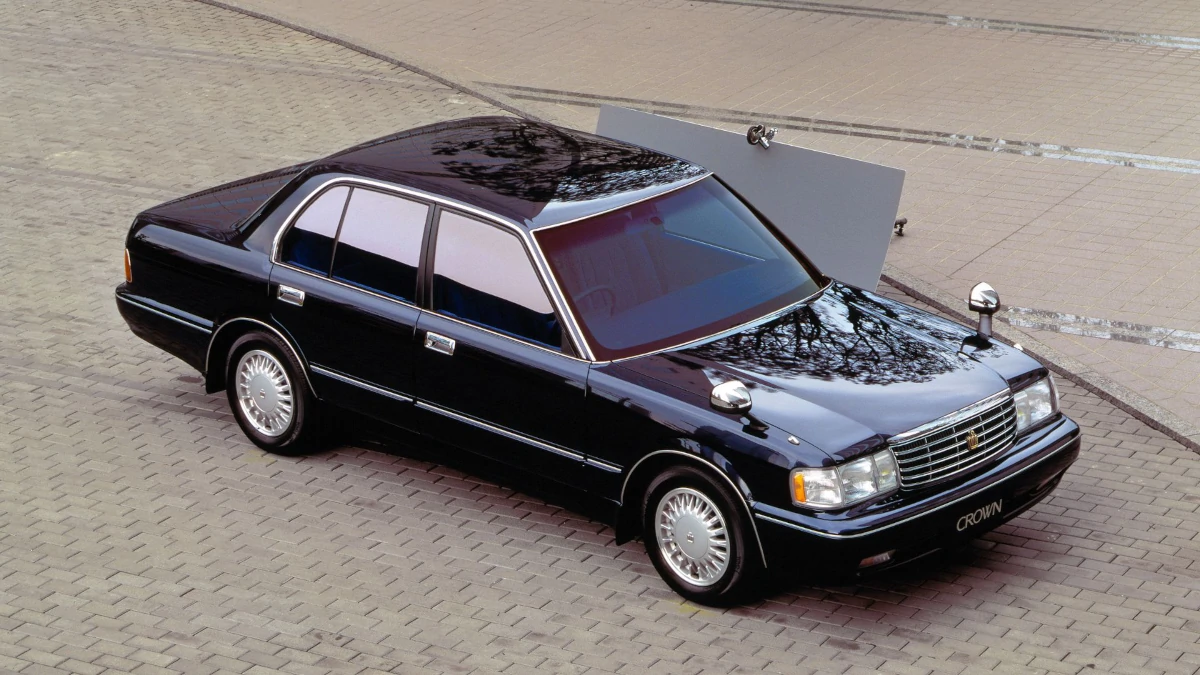
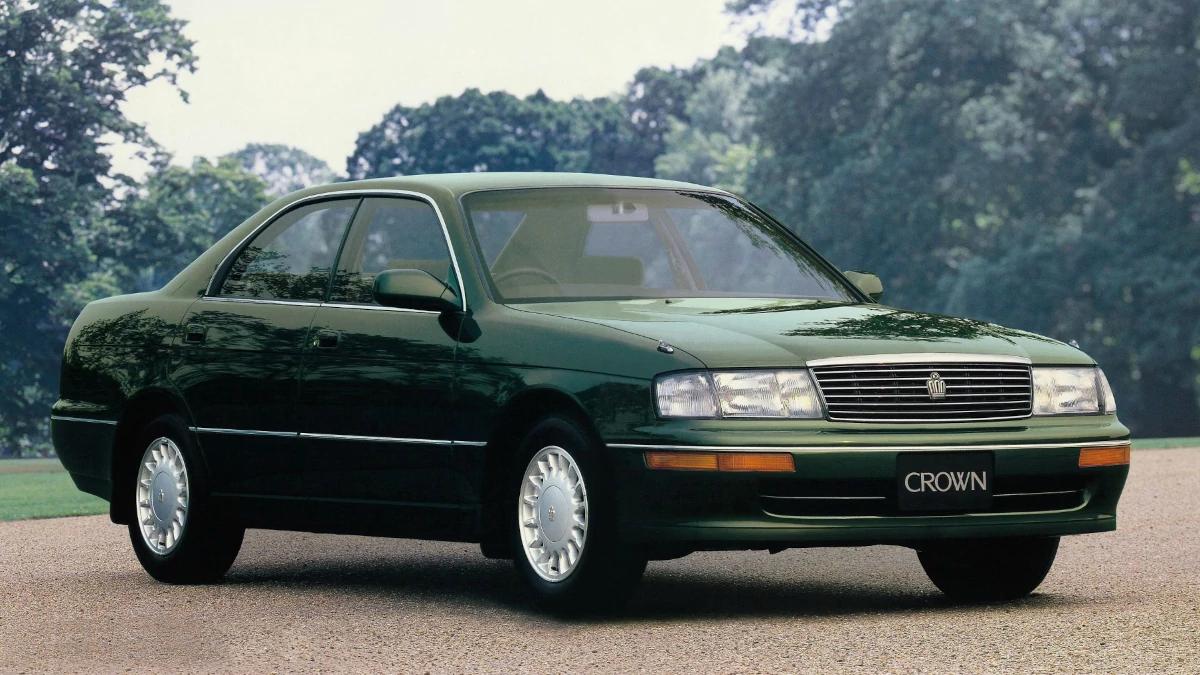
The Crown has been going from strength to strength, and the ‘90s had some of the best versions of the luxury sedan. Sure, Lexus was around by this time, but the Crown was still Toyota’s, well, crown jewel. It even looked a little bit like the LS400. Okay, we can agree to disagree.
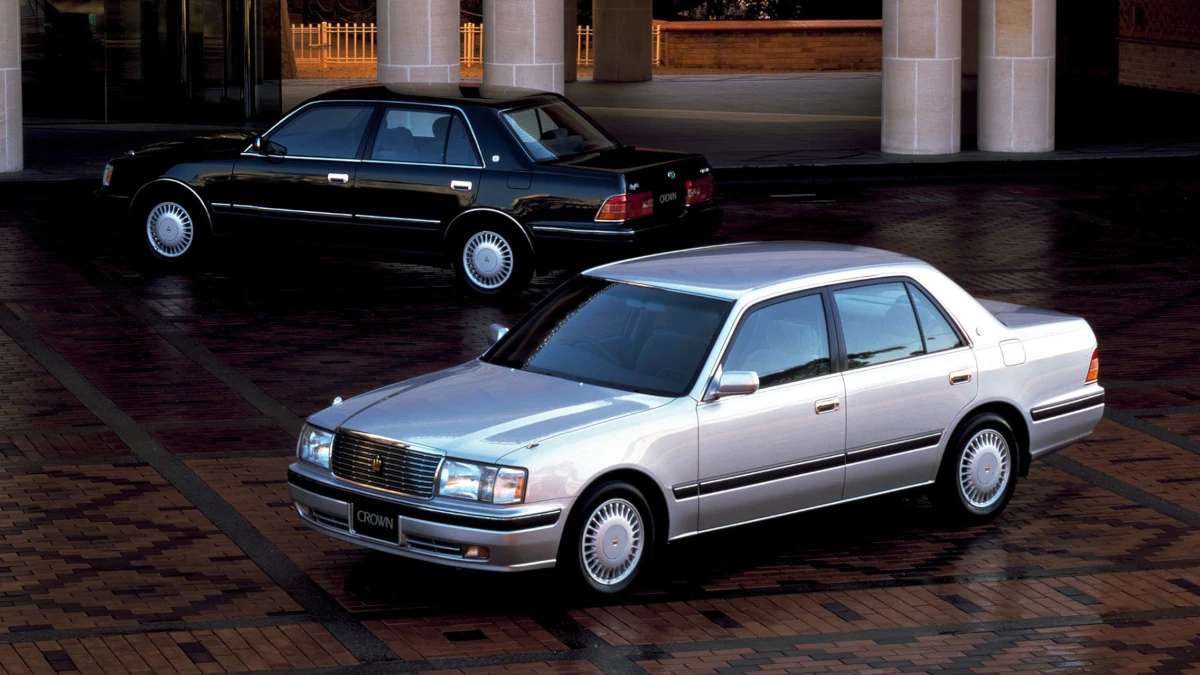
This decade also saw four versions of the Crown. The one we for the Philippine market (and most of Southeast Asia) was a heavily updated 1987 model. But in Japan, there was a totally new version in 1991. Prior to that generation, the Crown rode an old-school ladder frame chassis. Entering the ‘90s, it shifted to a proper unibody chassis. Its bones were good enough to form the basis of another Lexus model, the GS. From there, the Crown and GS would share the same architecture.
Unfortunately for us, the new Crown from the mid to late’-90s would be the last one sold in Southeast Asia, the Philippines included. Still, at least we got a unibody Crown, the only time we got it here. Oh, and it was available with a 3.0-liter inline-six derived from the Supra.
A new millennium
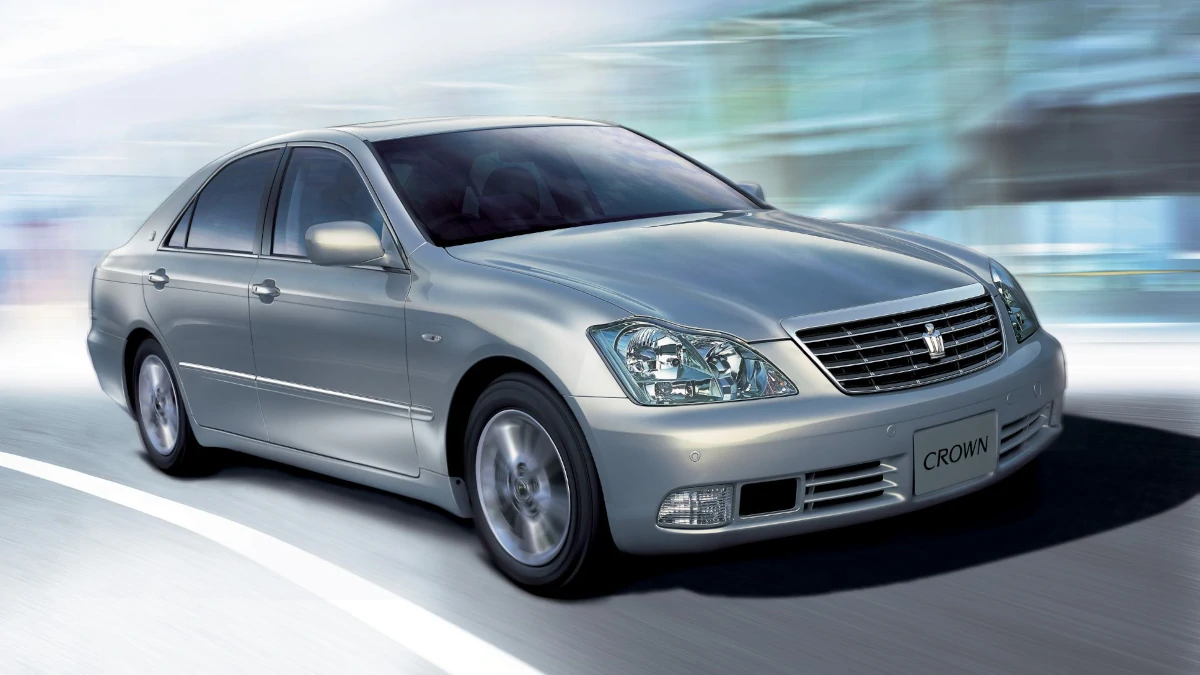
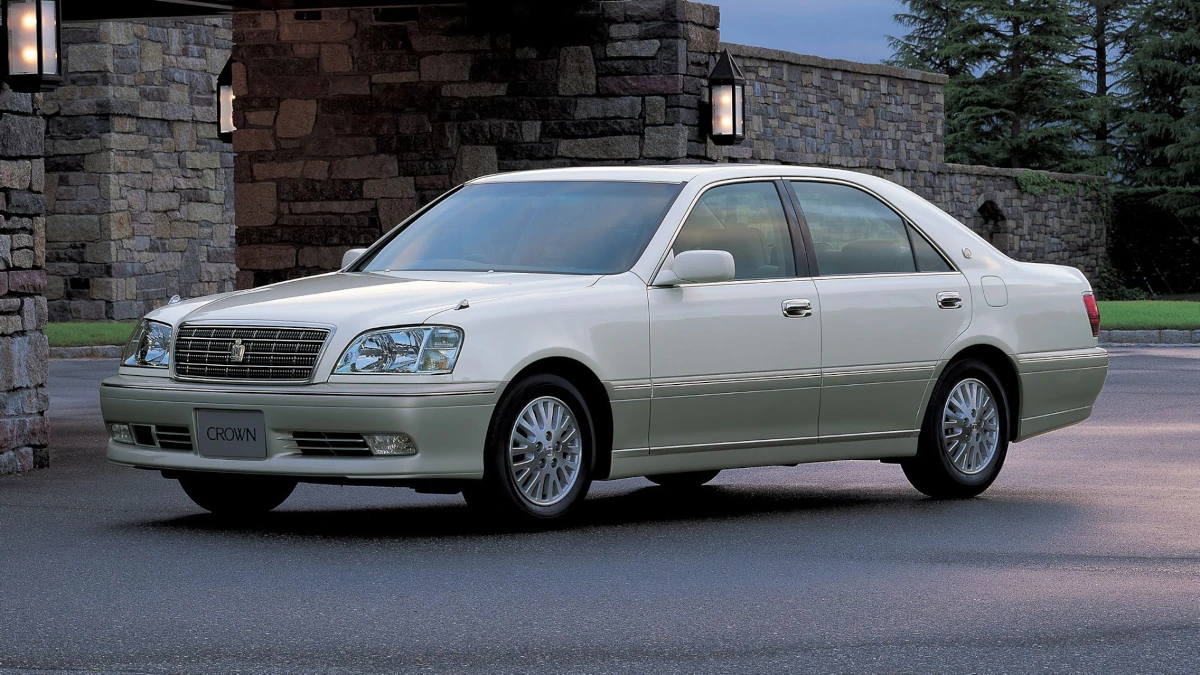
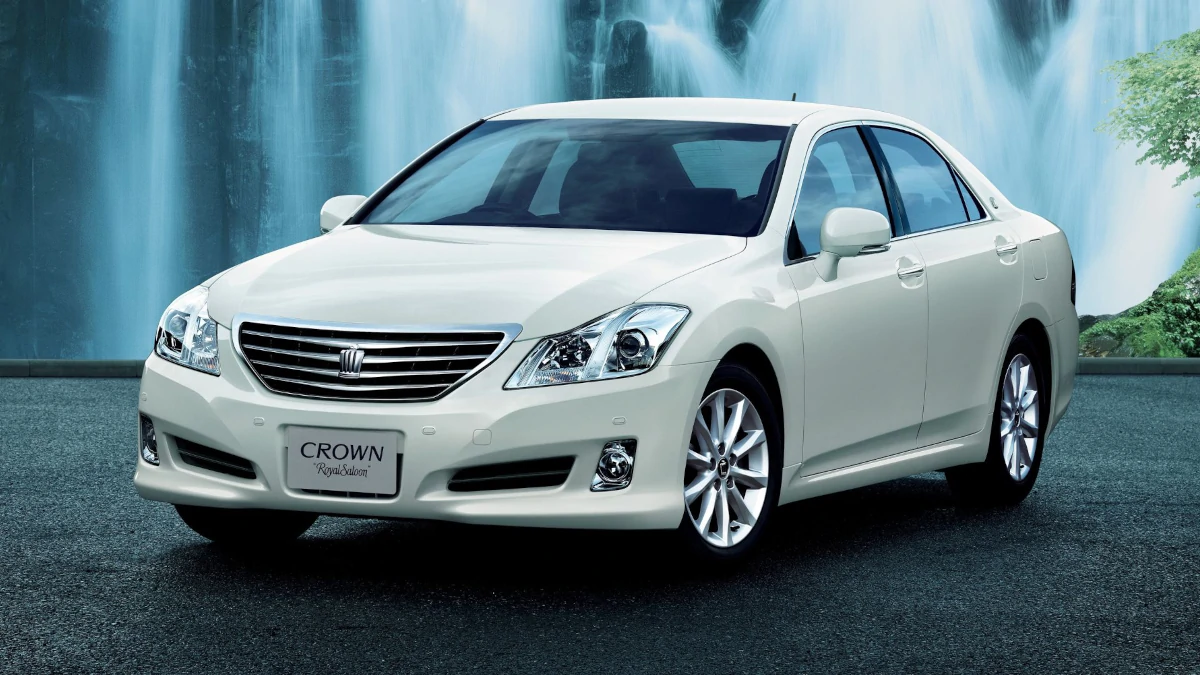
Toyota reinvented the Crown in the 2000s. Okay, it’s still a traditional luxury car, but in terms of tech and design, it was a major overhaul. Park one beside a model from the ‘90s and it looked (and felt) like it was 20 years ahead of its predecessor.
Hybrid versions became available, complementing the six-cylinder engines. This is Toyota, after all. Also, it featured what would later become forward collision warning, and it would also introduce active noise cancelling in the Toyota lineup. Some even came with pedestrian protection as far back as 2008, and it was even the first car to offer a center airbag.
…And a new direction
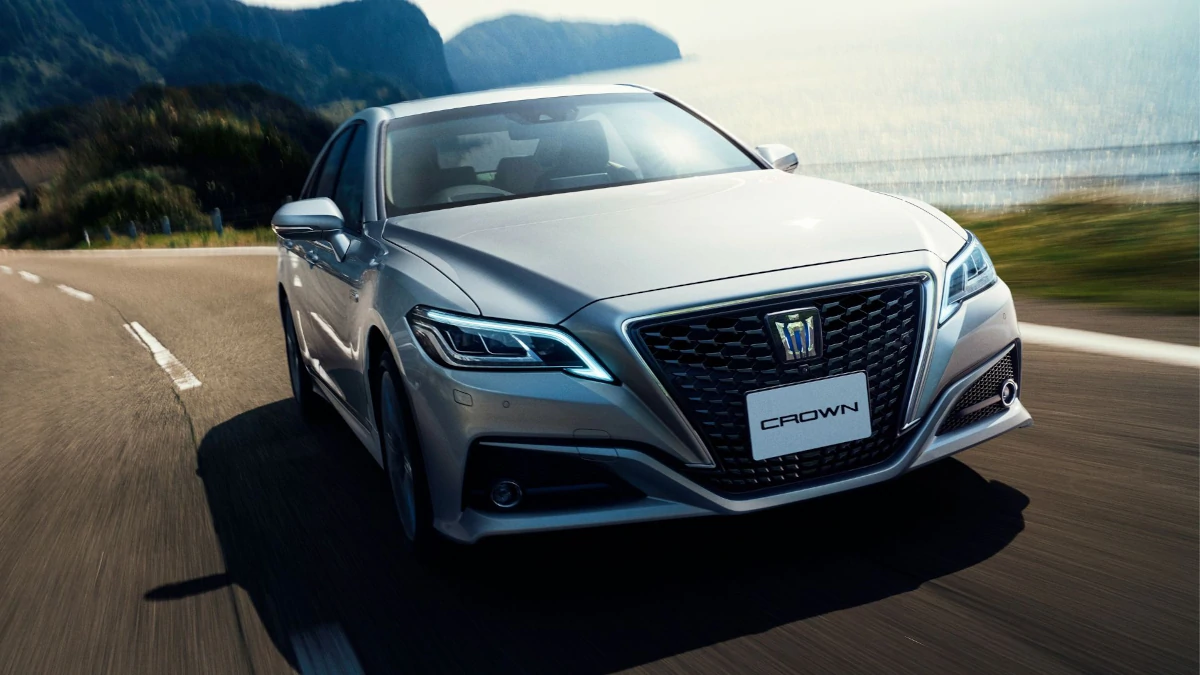
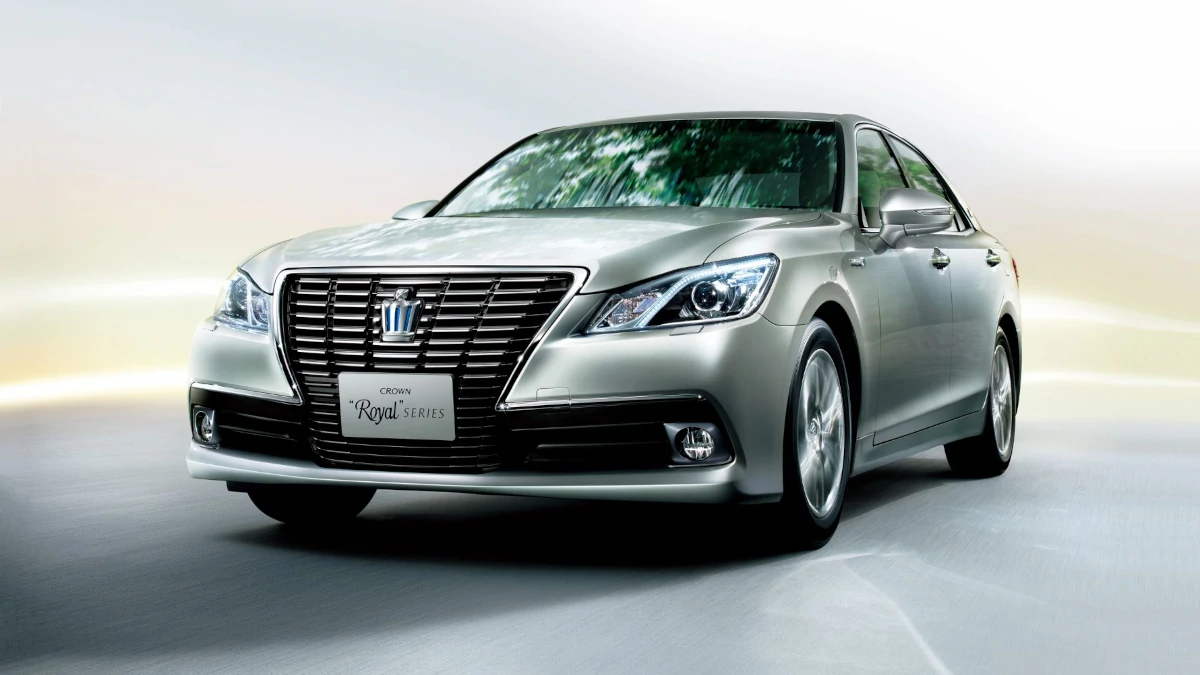
Towards the end of the 2010s, Toyota decided it was time to give the Crown range a massive overhaul yet again. So, for its fifteenth generation, it got a swoopier body and a chassis straight from the Lexus LS. At the same time, the downsized turbo engines returned after about 35 years, although the punchy V6 and V6 hybrids remained.
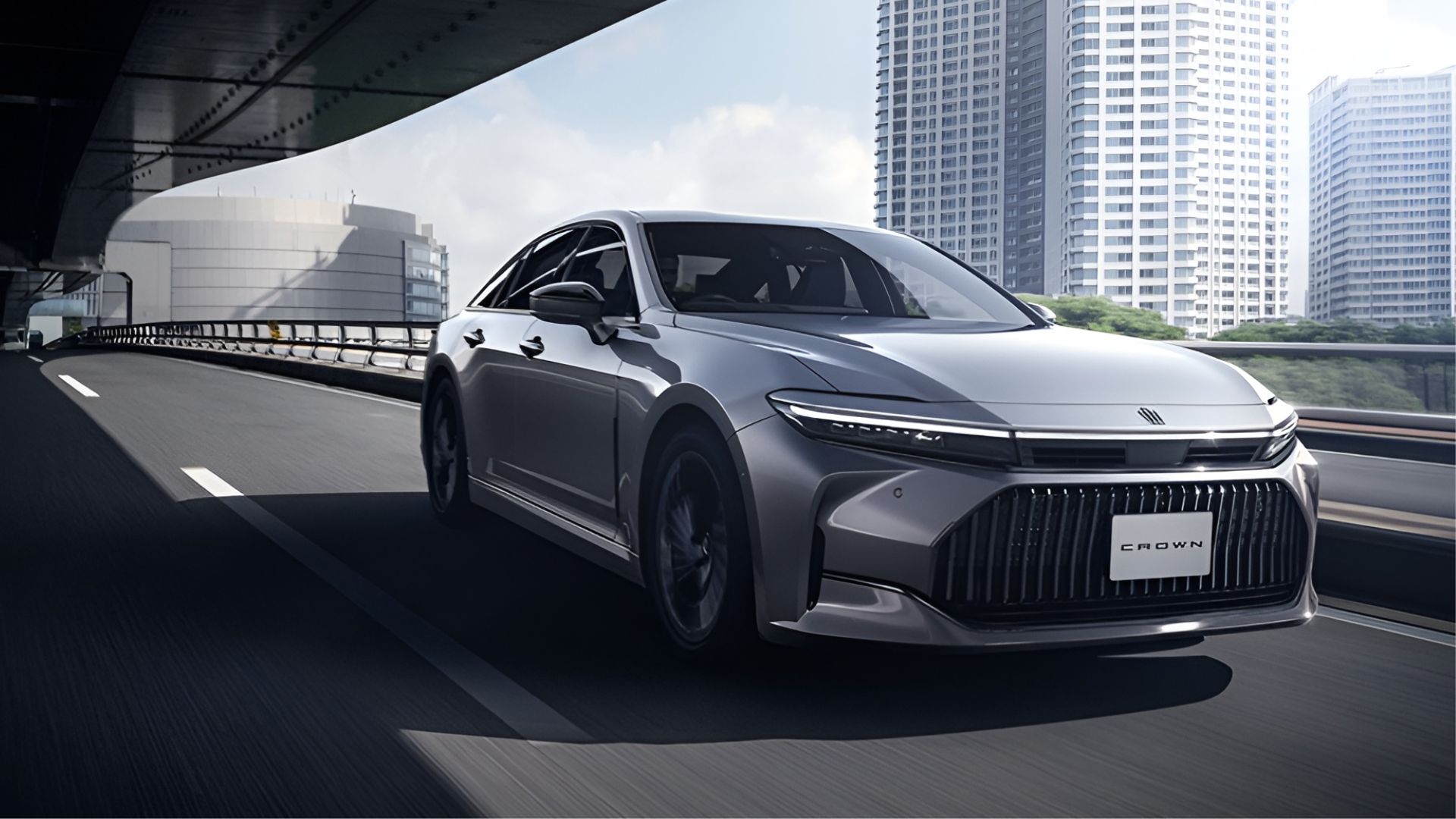
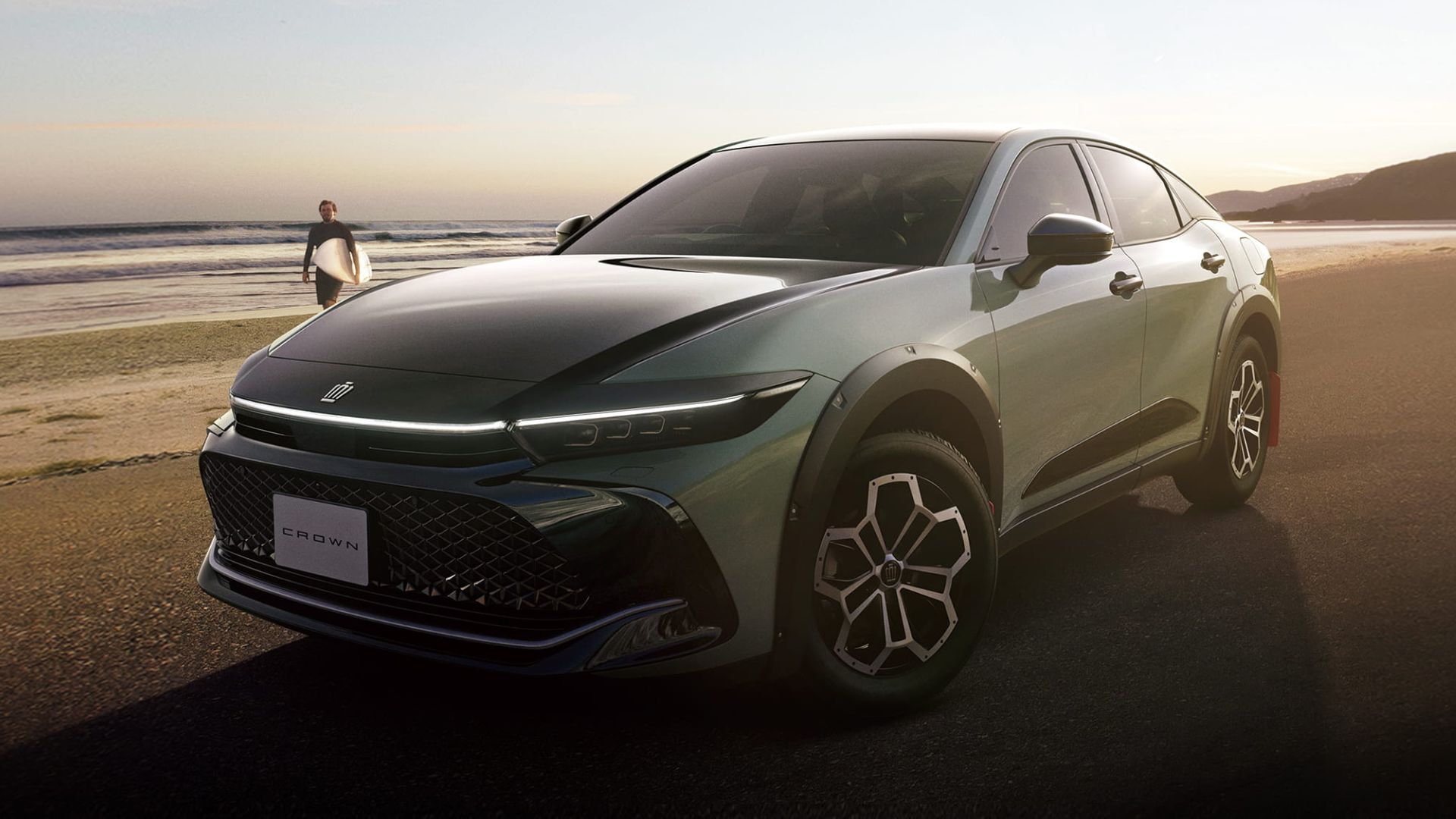
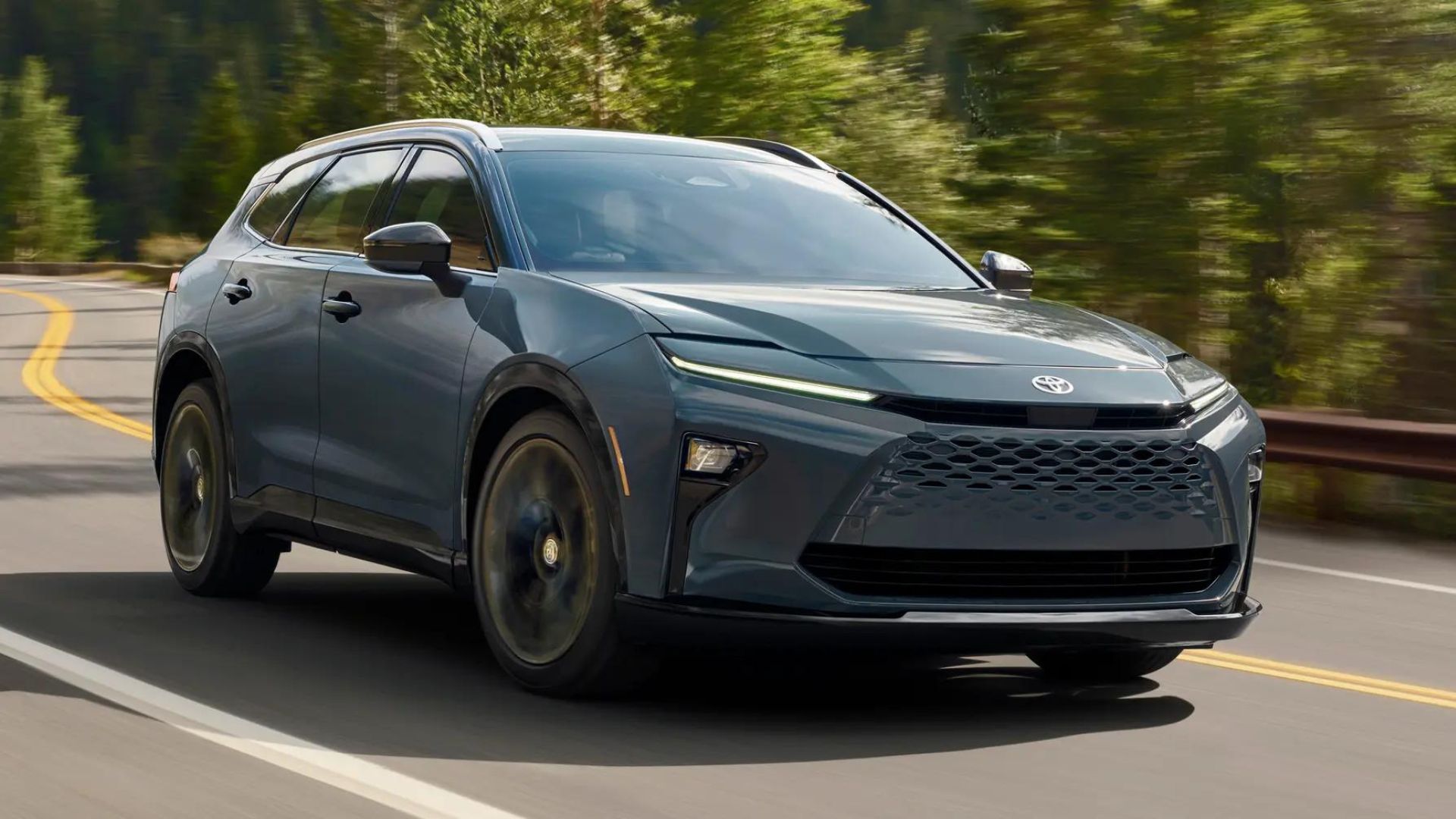
But as good as it was, Akio Toyoda himself said the Crown didn’t just need an overhaul, it needed to be reinvented. Which is why, in 2022, Toyota released four totally different versions of the car for its sixteenth generation. Each of them sported unique characteristics to keep the Crown lineage going while adapting to the ever changing demands of car buyers these days.
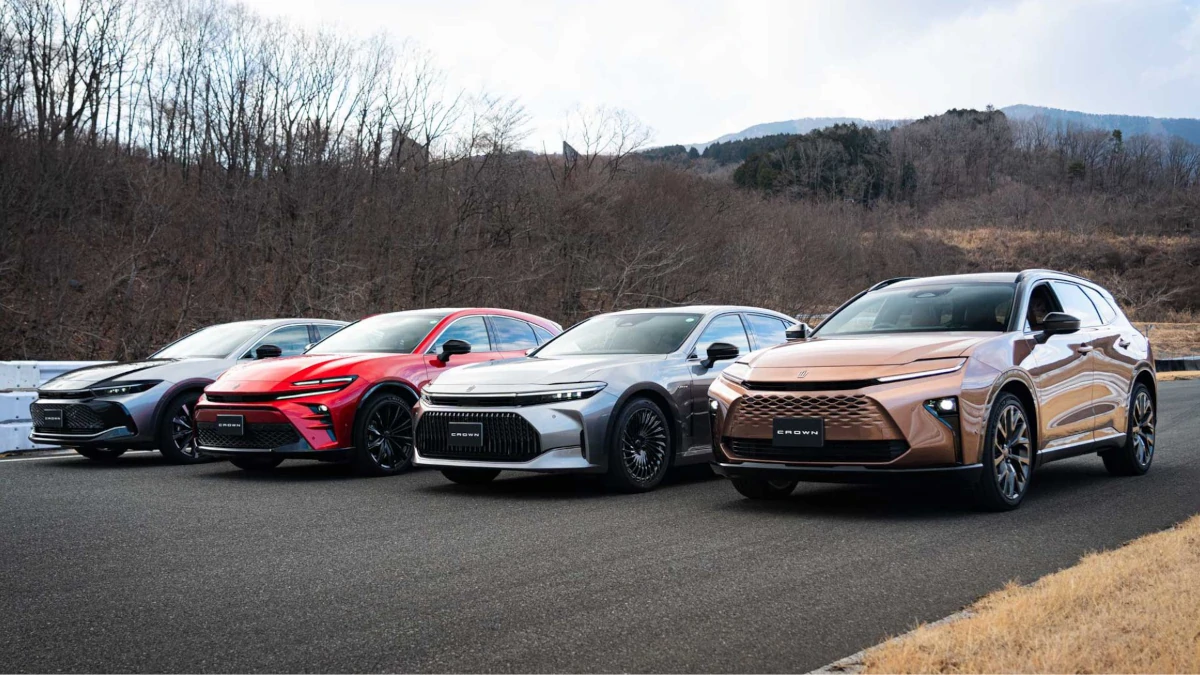
It all started with the Crown crossover sedan, followed by the traditional (but radically styled) sedan, the sharp-looking Sport, and most recently, the practical Estate. It just goes to show how much effort Toyota puts in this model despite not being its moneymaking nameplate. We’re glad they’re doing it, though.
Admittedly, there’s no chance of the Crown ever coming back to the Philippines. We have Lexus for those who want an elevated experience, and it’ll be tough to justify its entry here. Still, it remains an iconic and much-revered name, one that’s important to Toyota even after all this time.
The next years will be a challenge given that crossovers and SUVs dominate the landscape, but you can count on the company to adapt and reinvent if needed for as long as the Crown loves on.
More photos of the Toyota Crown through the years