
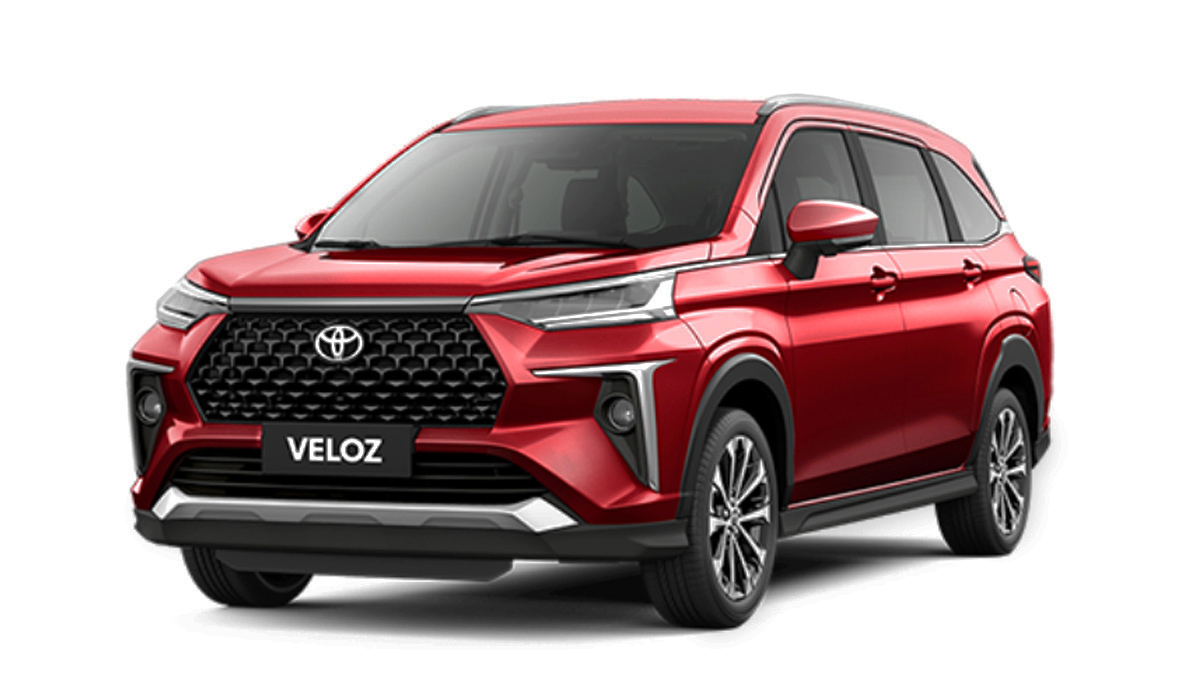
Now is not a great time to be in Daihatsu. The year 2023 saw Toyota’s budget brand be hit with one ‘procedural misconduct’ issue after another. And if that wasn’t enough, the company had to suspend production in Japan following an internal and third-party investigation.
It now begs the question: What is going on with the company? In case you missed it, here’s a quick recap.
OTHER STORIES YOU MIGHT HAVE MISSED:
Review: 2024 Honda CR-V VX Turbo CVT AWD
Can you guess which ’80s rally cars have inspired DAMD’s Jimnys for the Tokyo Auto Salon?
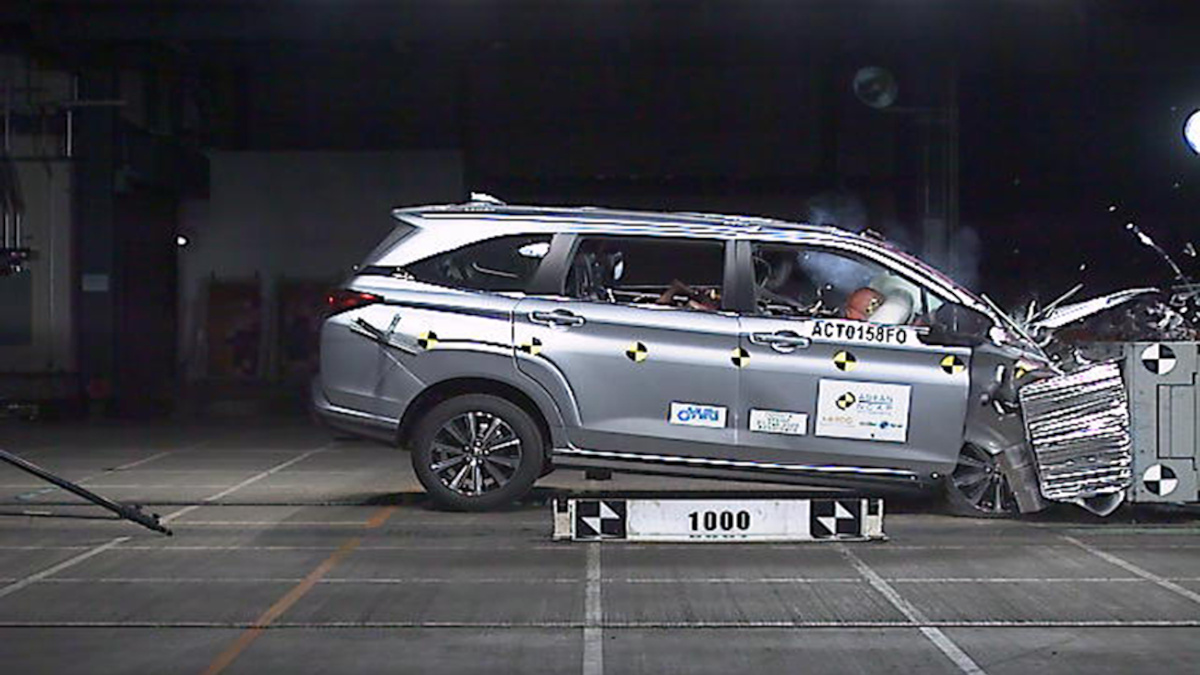
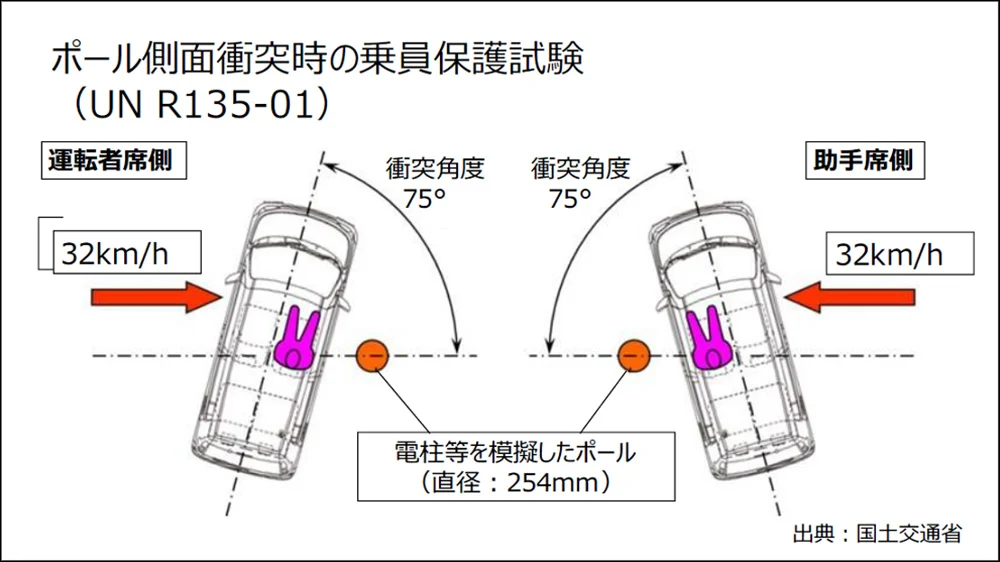
The first sign of trouble was in April 2023. At the time, a whistleblower had alerted company officials of procedural irregularities to boost crash test ratings. It then resulted in an internal and third-party investigation that unraveled alarming practices. Following those findings, Daihatsu admitted that it had ‘committed procedural irregularity in approval application for side collision tests for vehicles.’
But the thing about investigations is it gets the ball rolling into digging deeper. It’s why, just a few weeks after the initial bombshell, another bit of misconduct was found.
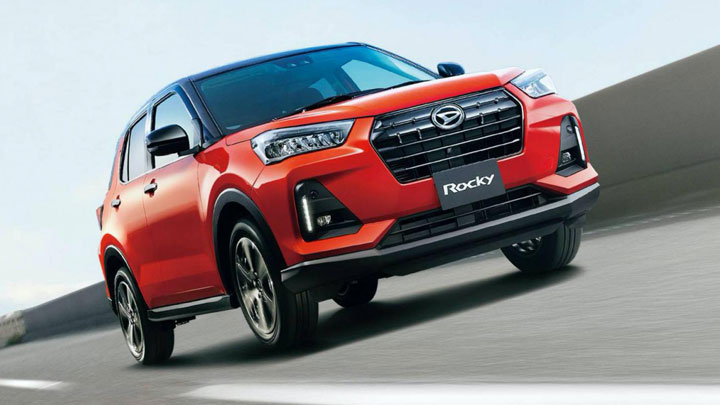
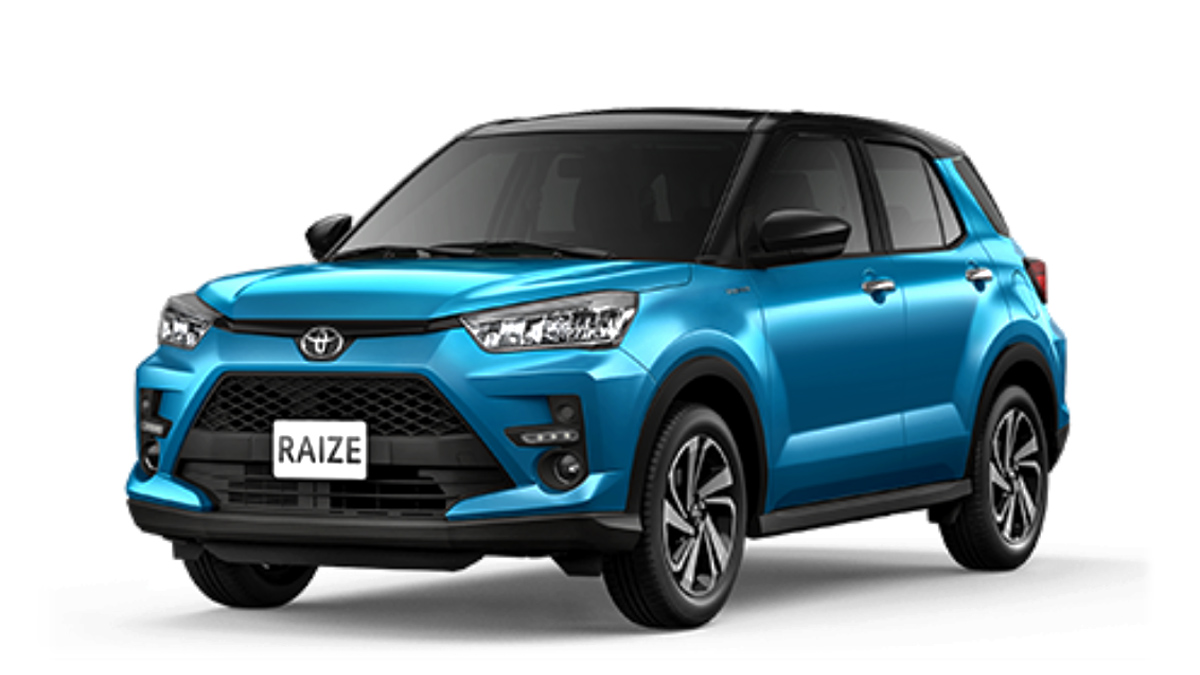
It was uncovered that more crash test discrepancies were seen in the hybrid versions of the Toyota Raize and Daihatsu Rocky made in Japan. The report was published in May 2023, stating that the company skipped the passenger side test (or the driver’s side for LHD markets). The company extended the same result from the driver’s test to the other side of the vehicle.
Following that, it was stated that company-wide internal investigations that uncovered these discrepancies ‘is ongoing.’ True enough, more evidence of misconduct was uncovered in the following months.

The investigators published their report on December 20, 2023, and 174 new cases of improper testing and reporting in 25 test items were found. On top of that, there were irregularities found in 64 models and three engines, spanning current, previous, and upcoming models under development.
It’s worth pointing out that the cars did pass government standards in safety and regulation. The main issue here is that reports were ‘adjusted’ and ‘tampered’ in order to pass the company’s more stringent internal standards.
Per the report, the Independent Third-Party Committee identified the true cause of the irregularities to be ‘management's promotion of short-term development without taking measures to address the irregularities”. It also said ‘behind these irregularities lies the fact that management did not fully observe the actual situation on the frontline, and instead, took only one-off measures’.
Lastly, the increased workload due to the ramping up of model development was also cited as a cause with tight deadlines that ‘left an environment in which the frontline could not ask for help when they needed it.’
At the time of writing, production of Daihatsu models have been suspended in Japan until the end of January 2024. That said, operations in Indonesia have been cleared and have resumed despite the ongoing investigation. As for Daihatsu, this is what the company had to say in light of recent developments:
“Daihatsu deeply apologize(s) to our customers and other stakeholders for causing great inconvenience and concern with regards to the procedural irregularities in certification application.
We requested that an impartial Independent Third-Party Committee fully clarify the nature of these irregularities, analyze their true causes , and recommend measures to prevent recurrence , and we have cooperated fully with the investigations. We have now received the Independent Third-Party Committee investigation report.
We recognize the extreme gravity of these irregularities , their causes, and the recommendations to prevent their recurrence identified during the Independent Third-Party Committee’s investigations. We will not only review and revise certification application operations, but we will also make sweeping reforms to our corporate culture by making compliance the highest priority to prevent occurrences of similar events in the future. We will also make company-wide efforts to regain the trust of our stakeholders.”
This isn’t the first scandal to hit the automotive industry, nor do we expect it to be the last. Scandals like these will rock the industry, regardless of if it’s an American, European, or Asian company. Shades of Volkswagen’s Dieselgate from 2015 and Mitsubishi’s false fuel economy reports from 2016 spring to mind. And let’s not forget the Takata airbag inflator issue that affects millions of cars worldwide..
As for Daihatsu, it now has to work even harder to win back the trust of its customers and potential clients. It’s going to take a lot more than the might of Toyota to overcome it, but as they say, change comes from within.