
2005 was a huge year for launches. We witnessed the debuts of great cars such as the groundbreaking fifth-generation Mercedes-Benz S-Class, the somewhat divisive third-generation Mazda MX-5, the return of the Dodge Charger, and the mighty Bugatti Veyron.
The class of 2005 was one for the books, but there is one model that, perhaps, helped change the country’s motoring landscape. It was practical and sensible, but also desirable and attainable. We could also say that it made Filipinos love SUVs even more.
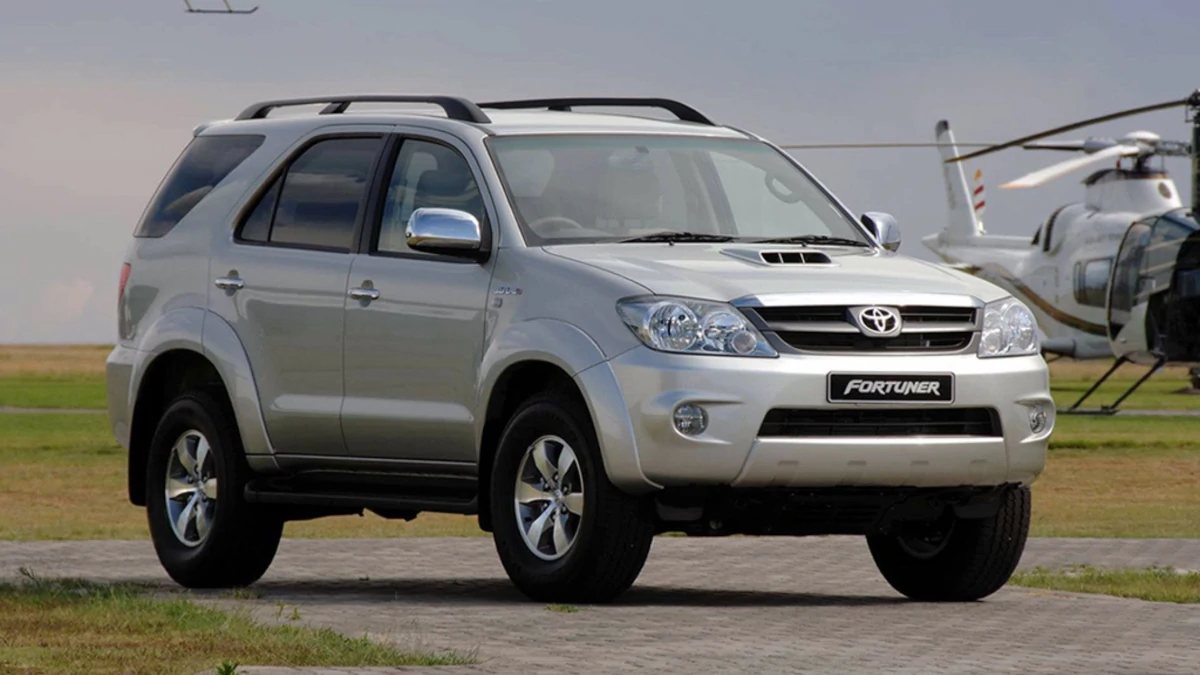
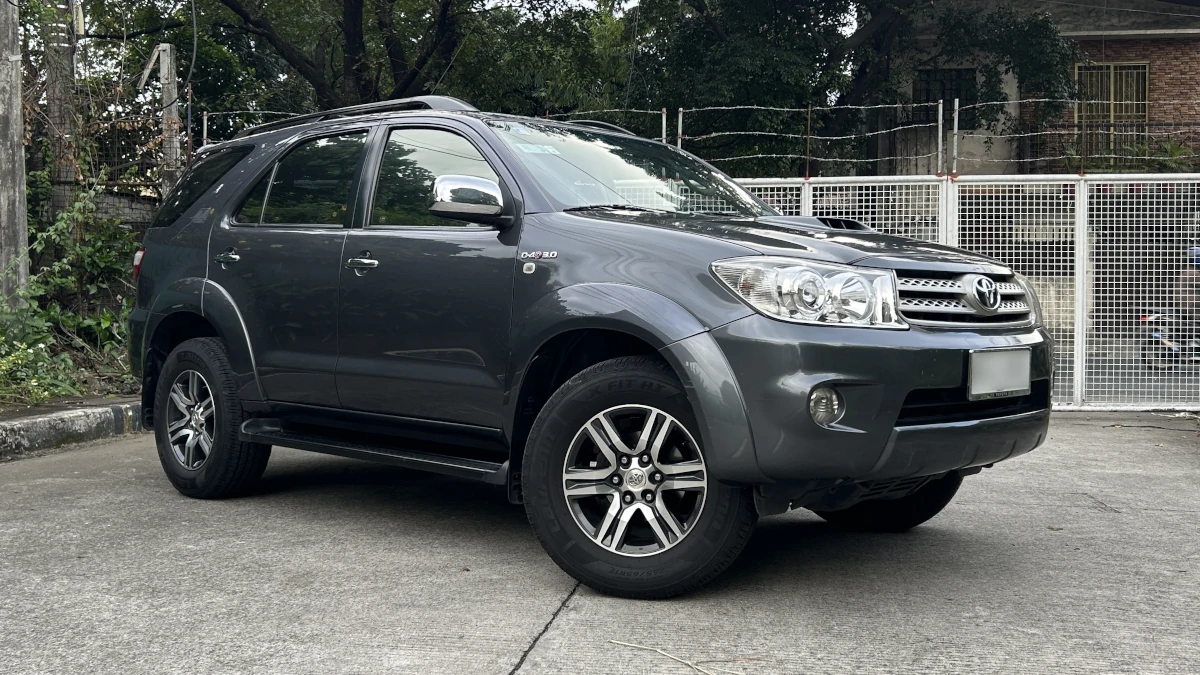
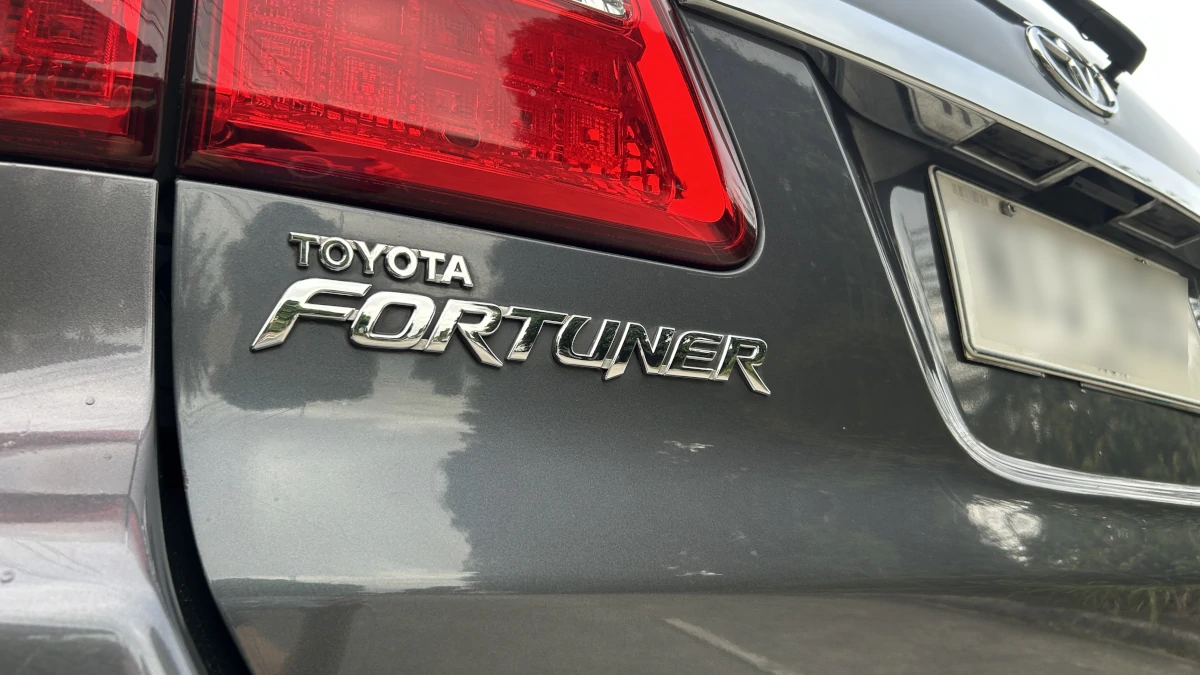
We are, of course, talking about the Toyota Fortuner, and it turns 20 in 2025. Yes folks, the first-gen model is a certified classic now. It was one of the most significant SUVs to ever be launched locally, and we say it deserves a tribute.
OTHER STORIES YOU MIGHT HAVE MISSED:
The NAIA Terminal 1 main arrival curbside can now be used by all passengers
The Honda-Nissan merger could kick off with a full-size SUV
Toyota Fortuner: Tracing the roots

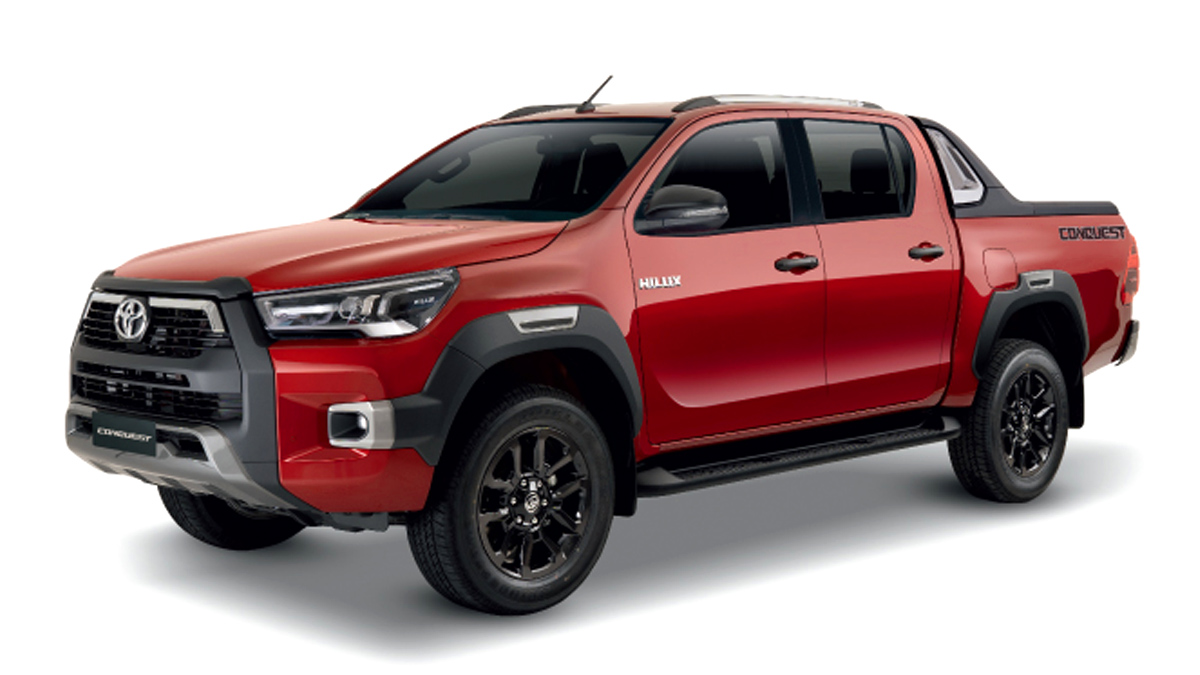
If we were to trace the roots of the Fortuner, we go back to 1981 with something called the Toyota Trekker. The formula for the Trekker was simple: Take a Hilux, put a top over the bed, add some seats at the back, and call it a day. It wasn’t totally an official Toyota product, though.
A Toyota dealer from Wisconsin by the name of Jack Safro approached Winnebago (yes, the RV company) to convert Hiluxes into a more family-oriented wagon. These were made until 1983, but Toyota USA took notice.
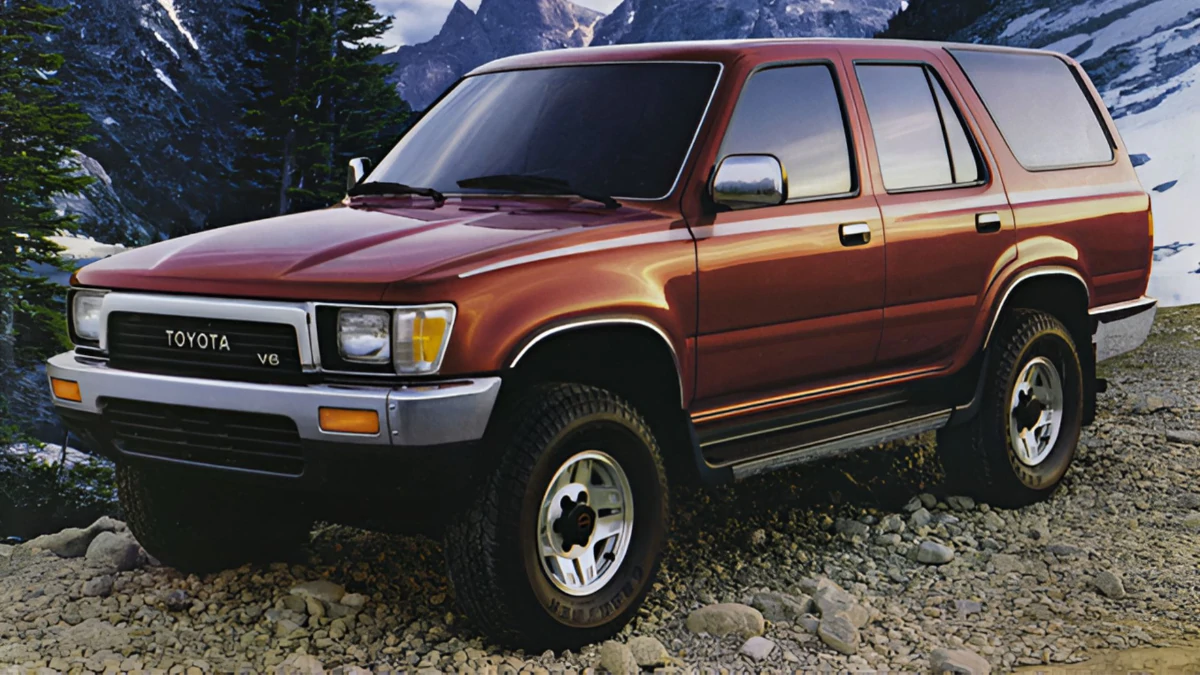
Just a year after the Trekker conversions ended, Toyota rolled out the first-generation 4Runner. Known as the Hilux Surf in Japan, it followed the same format as the Trekker with a roof over the bed and adding back seats on the bed. Eventually, though, it turned into a proper SUV, all while using the Hilux platform. By the late ‘90s, however, the 4Runner would face a fork on the road.
Before the Fortuner, there was the Hilux Sport Rider
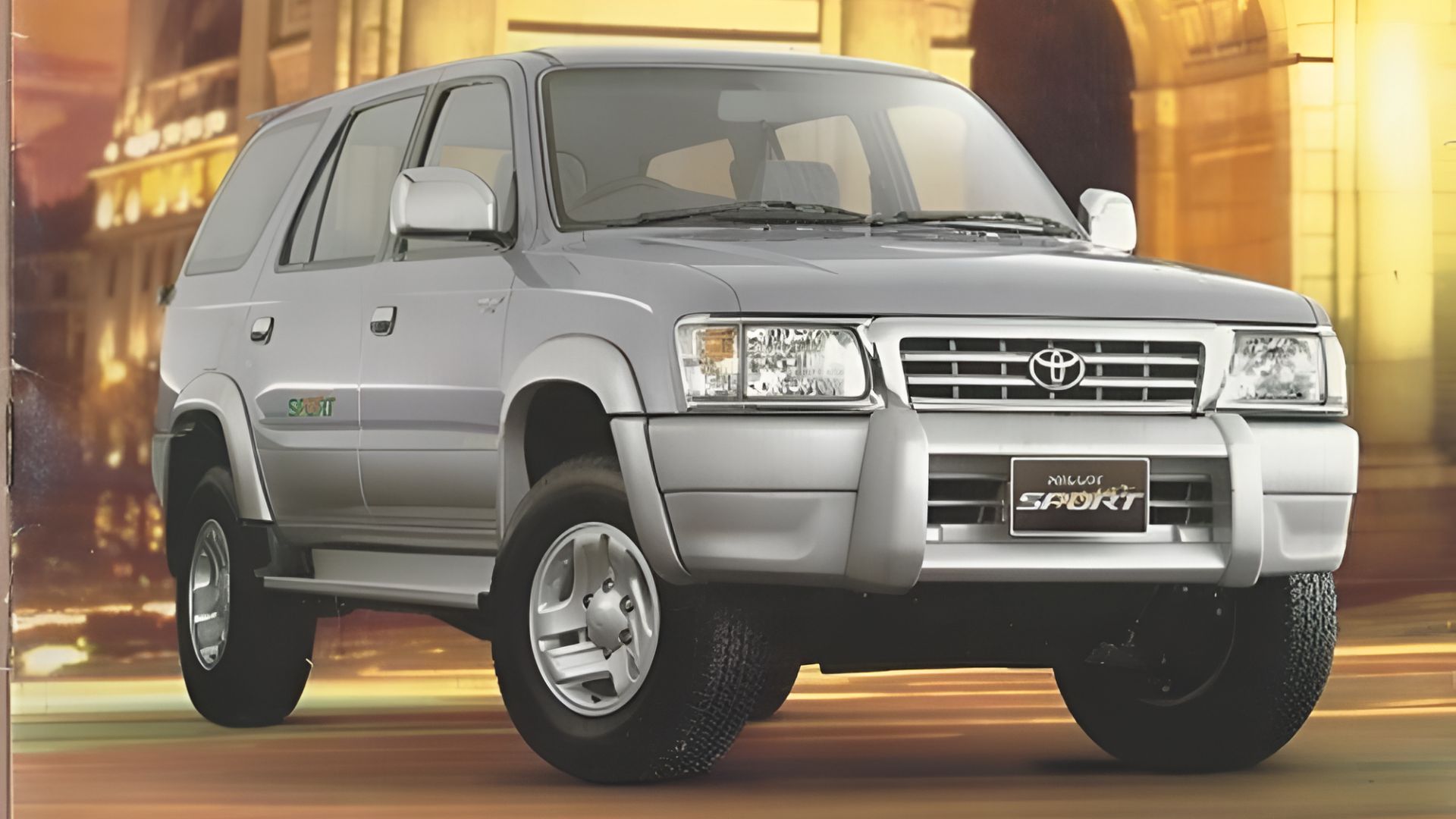
The Toyota 4Runner and Hilux Surf had been slowly creeping upmarket over the years. The Hilux Surf aside, the 4Runner had been predominantly a Western market model. However, the folks from Toyota Thailand reckoned it was time to do their own take on 4Runner. Enter, the Hilux Sport Rider.
It still used the Hilux chassis, hence the name. However, the suspension components were far simpler compared to the 4Runner with a leaf spring arrangement at the back. The body was very different, and it was exclusively powered by diesel engines. Also, it was only sold in Thailand.
While crude and basic by today’s standards, the Hilux Sport Rider did lay the foundations for the Fortuner.
Birth of a icon
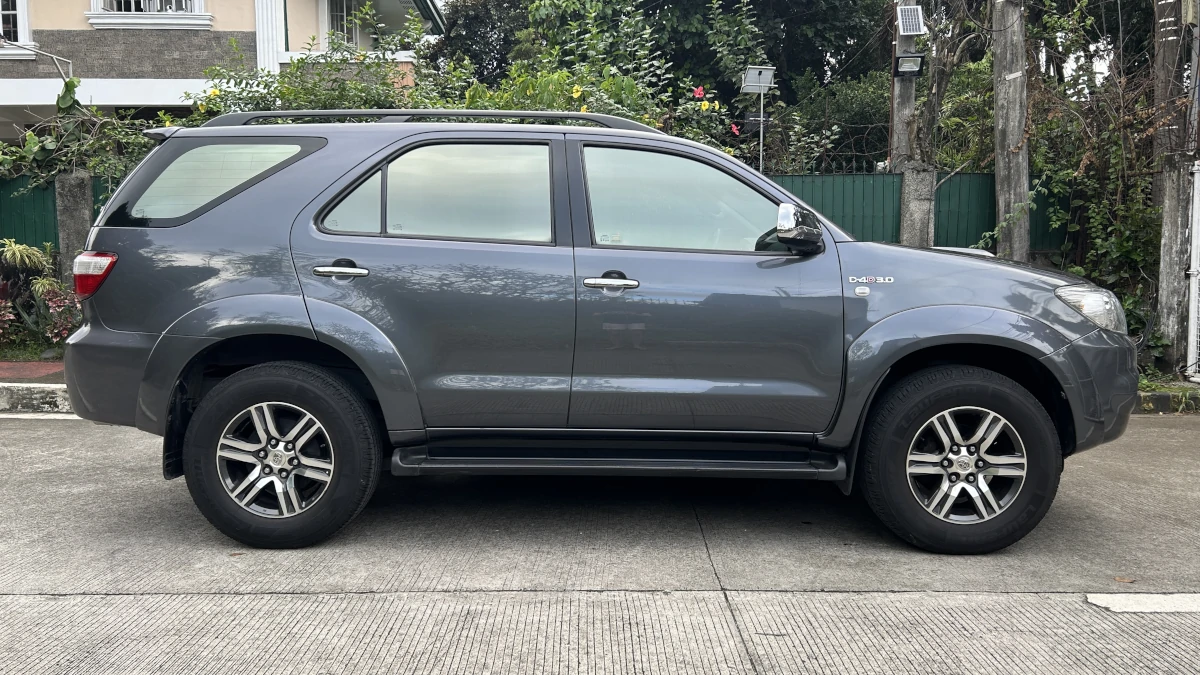
The Hilux Sport Rider was quickly succeeded by the Fortuner in late 2004 and was also called the Hilux SW4 in some markets. Thailand was the first market to get it with the rest of the world receiving it the following year. Using the IMV platform, it had the same bones underneath the Hilux and Innova. That meant it was unrelated to the similar-sounding 4Runner to forge its own path.
How big of a deal was the Fortuner at the time? In 2005, there wasn’t much in the way of pickup platform vehicles. One midsize SUV that closely followed the formula we know today was first-generation Ford Everest that arrived in 2003 and the original Mitsubishi Montero Sport that landed in January 2005. The arrival of the Fortuner well and truly shook that small segment at the time.
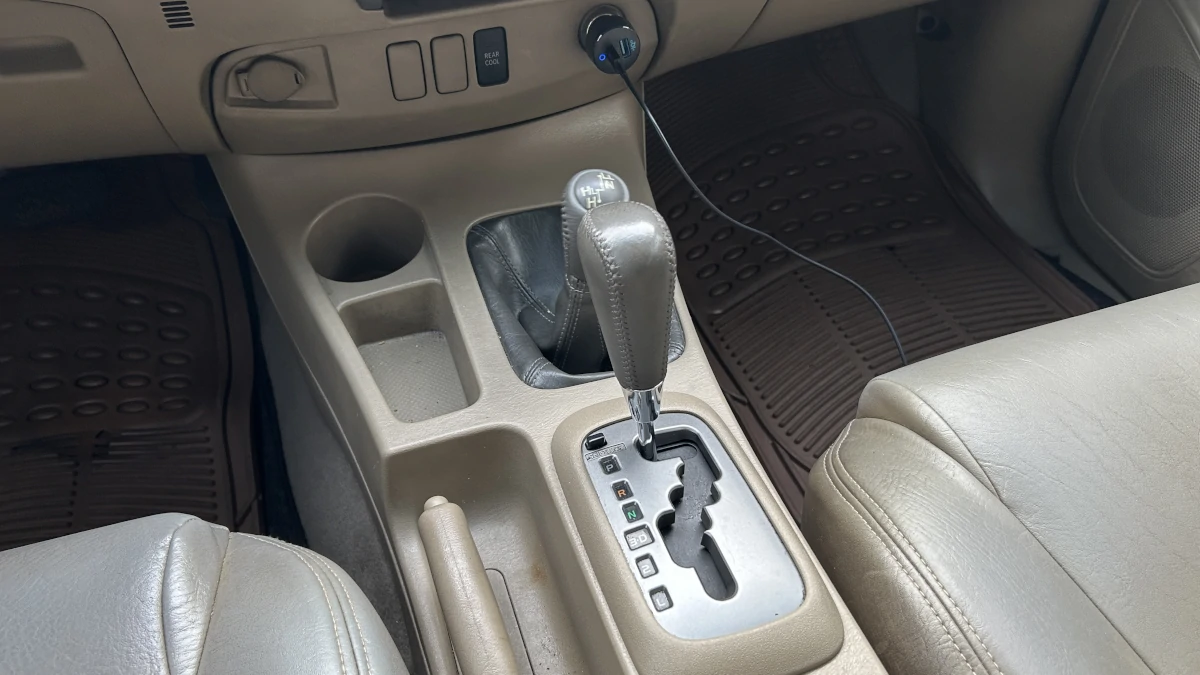
For those who remember, the fanfare surrounding this model was something else. For a hair under P1.2-million, one could get a relatively large SUV with seven seats. The base price of P1,195,000 for the two-wheel drive 2.7 G gas variant, but 3.0 V 4x4 diesel was still a relative bargain at P1,485,000. On top of that, it had the freshest chassis, newest design, and it definitely helped that it had a Toyota badge.
Even before 2005 ended, Toyota had waiting lists spanning nearly a year for the Fortuner. Demand was at an all-time high and the country’s appetite for SUVs grew even greater from there. By 2006, these were practically everywhere on the roads.
What were the specs like?
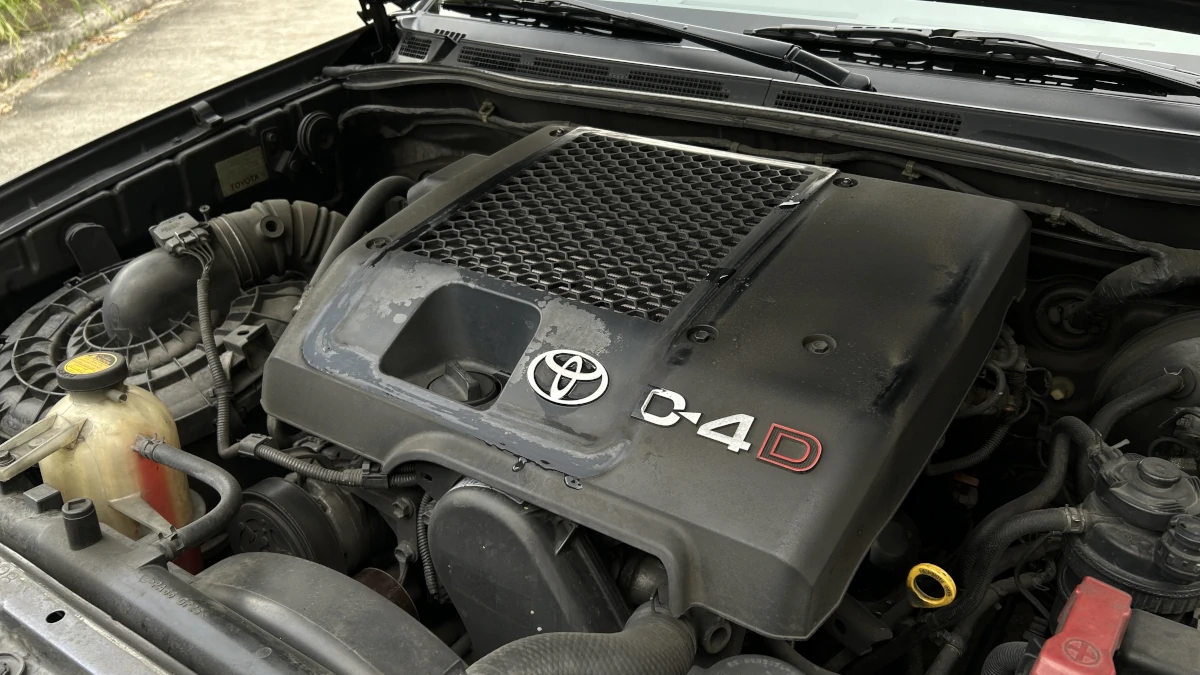
By today’s standards, the first-gen Fortuner’s specs are rather meek. But one also has to remember that this was a time people were happy to squeeze 130hp out of a turbodiesel engine.
Initially, the only two-wheel drive version available was the aforementioned 2.7-liter gas model. It featured variable valve timing, something unheard of in its segment at the time, and made 158hp and 241Nm with the sole transmission choice of a four-speed automatic.
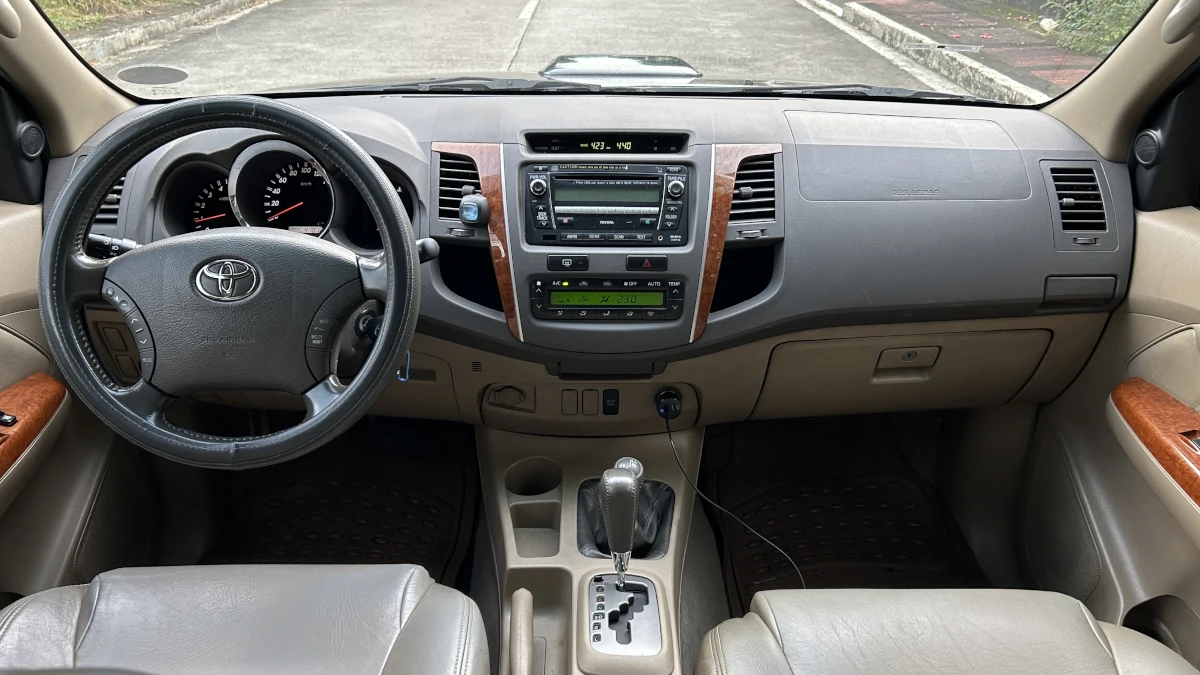
A two-wheel drive diesel was later added due to popular demand. It was from there where the Fortuner’s popularity skyrocketed. It used a 2.5-liter mill and made a conservative 101hp although pulling power was higher than that of the 2.7 gas at 260Nm. It was available with either a five-speed manual of four-speed automatic.
As for the range-topping 3.0-liter, it was easily the most powerful turbodiesel among its peers and outmuscled even some more premium models. It made 161hp and 343Nm, heaps more than what the Everest and Montero Sport put out at the time. Those figures even bettered the Nissan Patrol of that era, at least in terms of horsepower. The only that truly matched it for power was the third-generation Mitsubishi Pajero, but not by much.
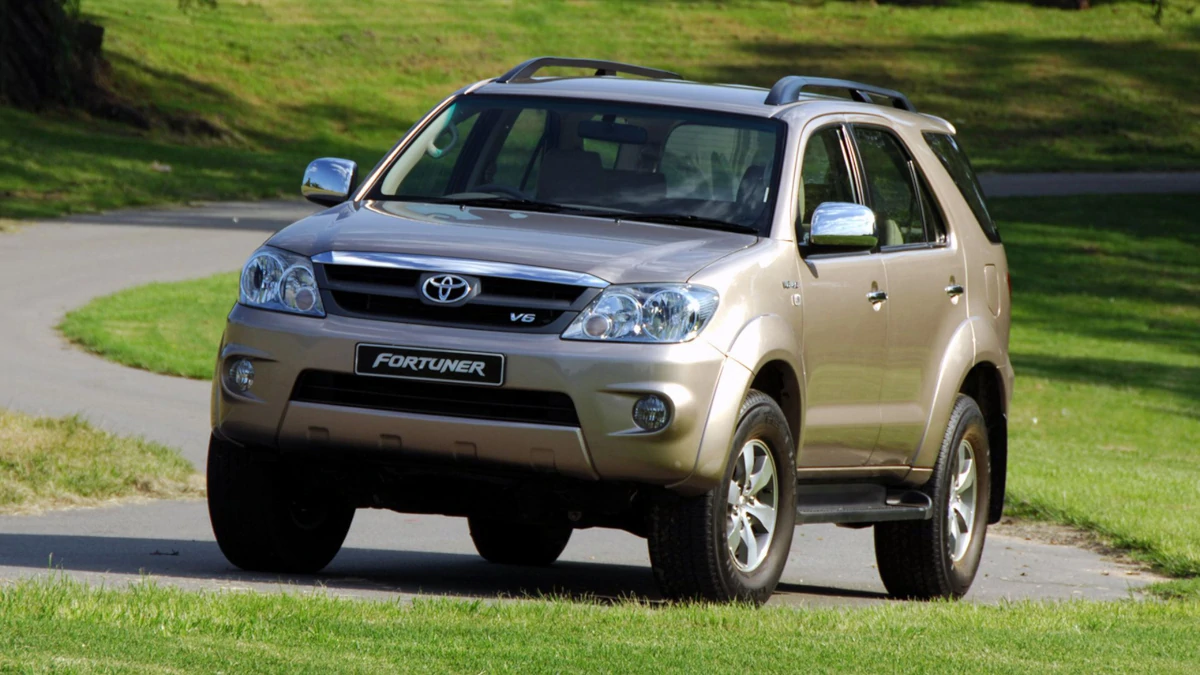
What we didn’t get was the 4.0-liter V6 option. It was mainly for the Middle Eastern and Latin American markets, but it was an interesting model nonetheless. This version put out 237hp and 376Nm, strong figures for the time. We doubt many would've bought it if it were sold here, but still, who wouldn’t want to experience a six-cylinder Fortuner at least once?
Rolling changes
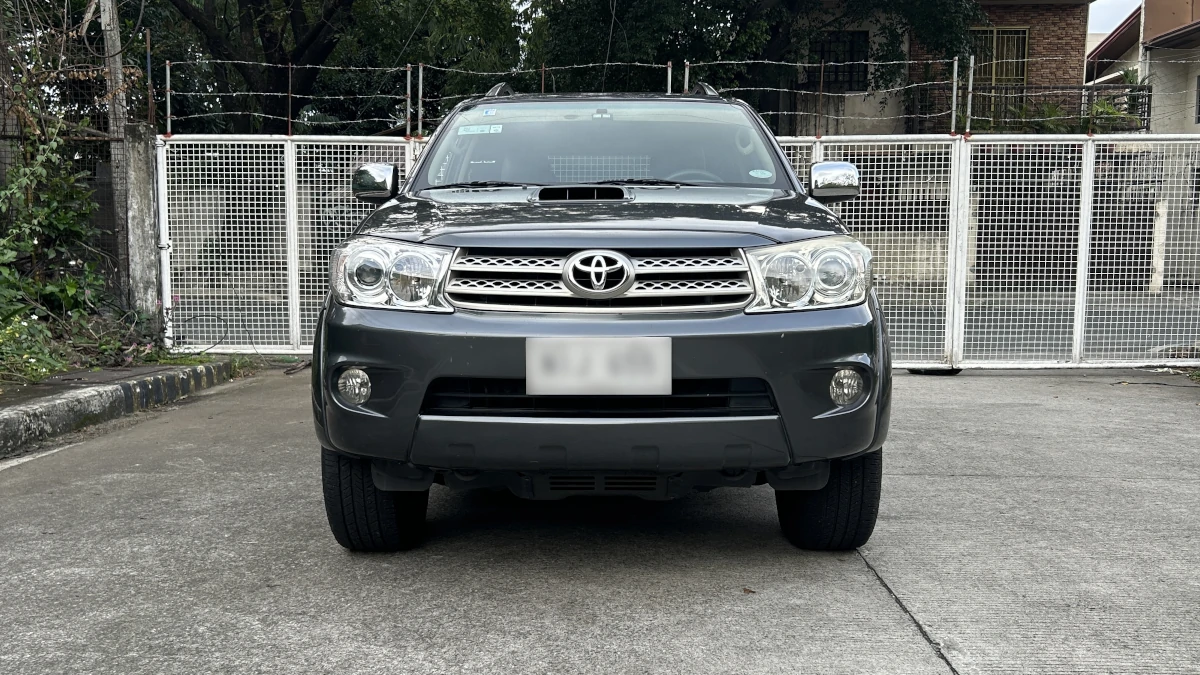
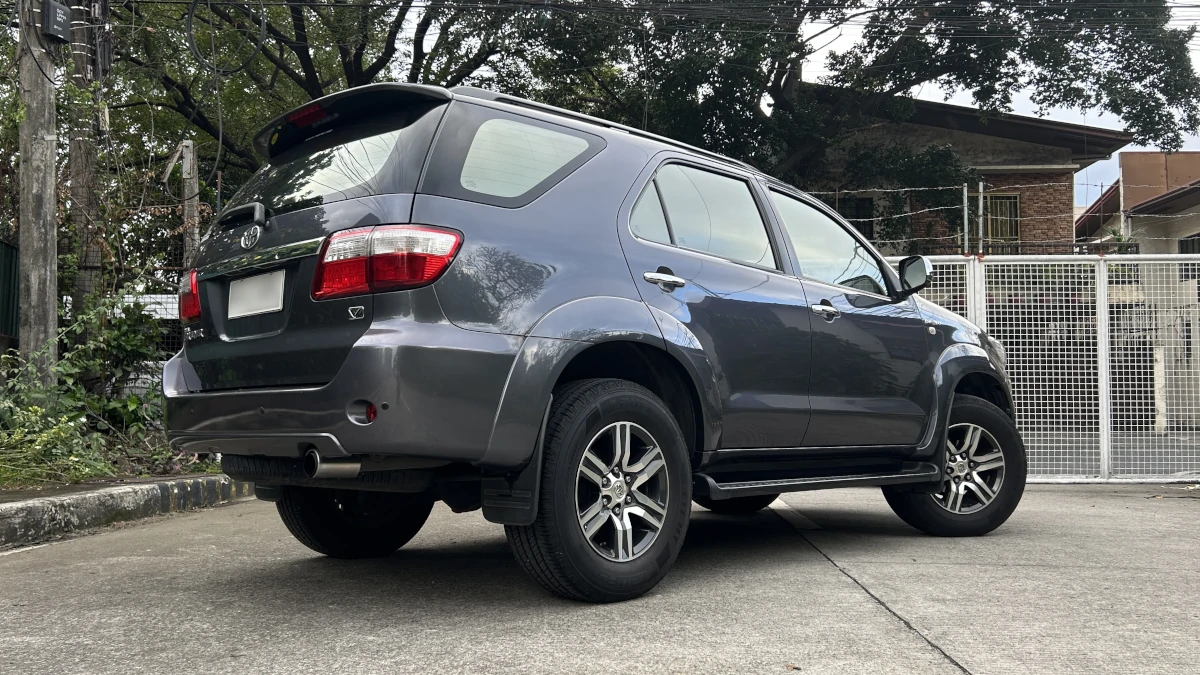
Aside from the addition of the 2.5-liter diesel, the Fortuner carried on relatively unchanged for a couple of years. By late 2008, however, it would see its first facelift. Mechanically, it was mostly unchanged but it did get a new pair of headlights, grille, and front bumpers. New wheel designs were added, and the tail light elements were swapped around.
For the 2012 model year, there were far bigger changes. Again, there was a redesigned front fascia, but most will probably remember it for its clear tail lights. A few underchassis tweaks were made, along with mild revisions to the interior such as the steering wheel and instrument cluster.
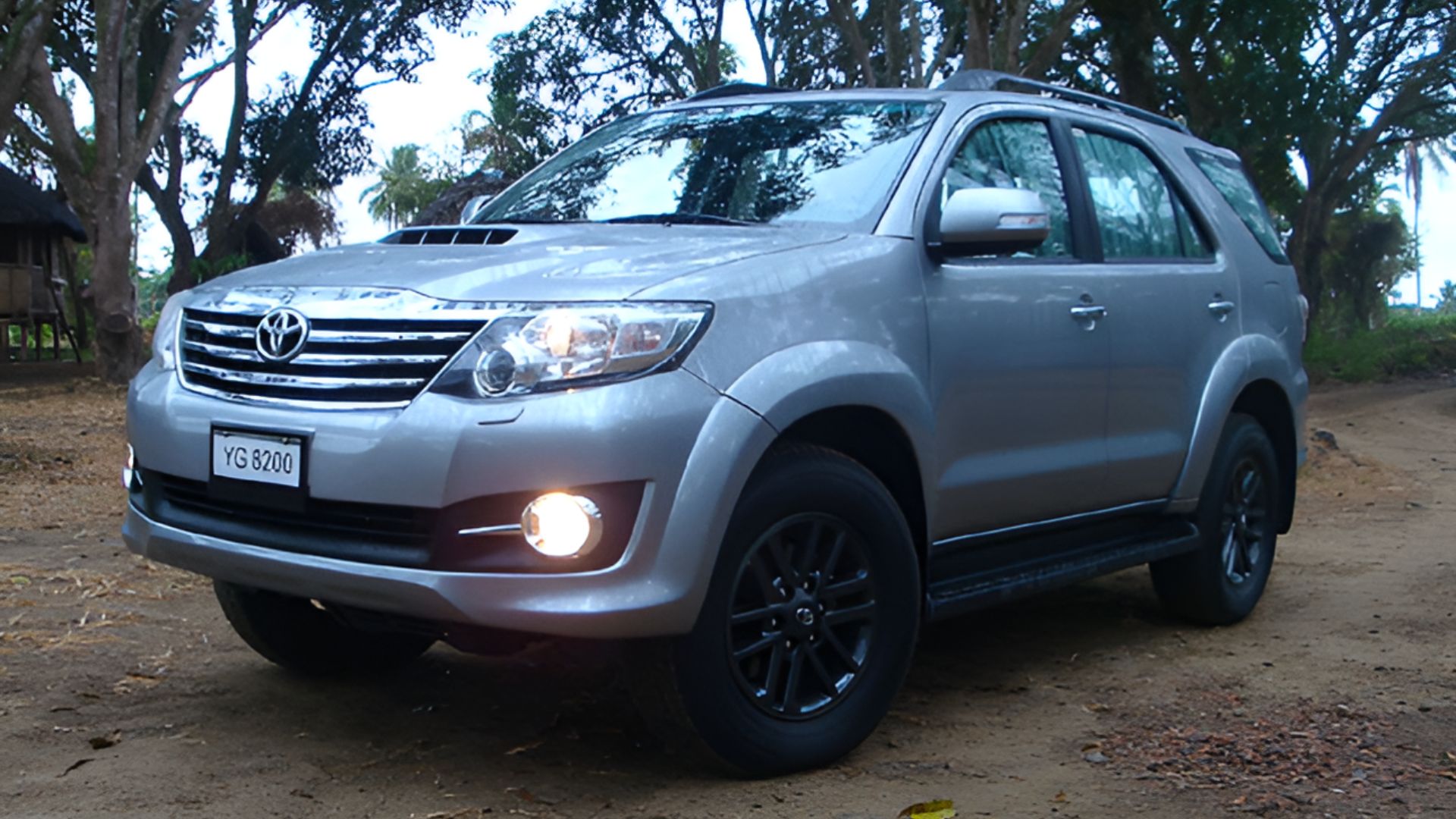
But just mere months after that, the 2.5-liter diesel finally got improvements it always deserved. It gained a Variable Nozzle Turbo or VNT, boosting power from a weedy 101hp and 260Nm to a far better 141hp and 343Nm, exactly the same torque figure as the 3.0-liter diesel. The bigger engine also benefitted from the VNT, although power and torque remained the same. To top it all off, most variants finally had a touchscreen installed.
Toyota kept the first Fortuner as fresh as it could. But alas, the midsize SUV market had grown and its competitors had fought back. After an 11-year run, the first-gen Fortuner ended production and left an indelible imprint on the market.
Legacy
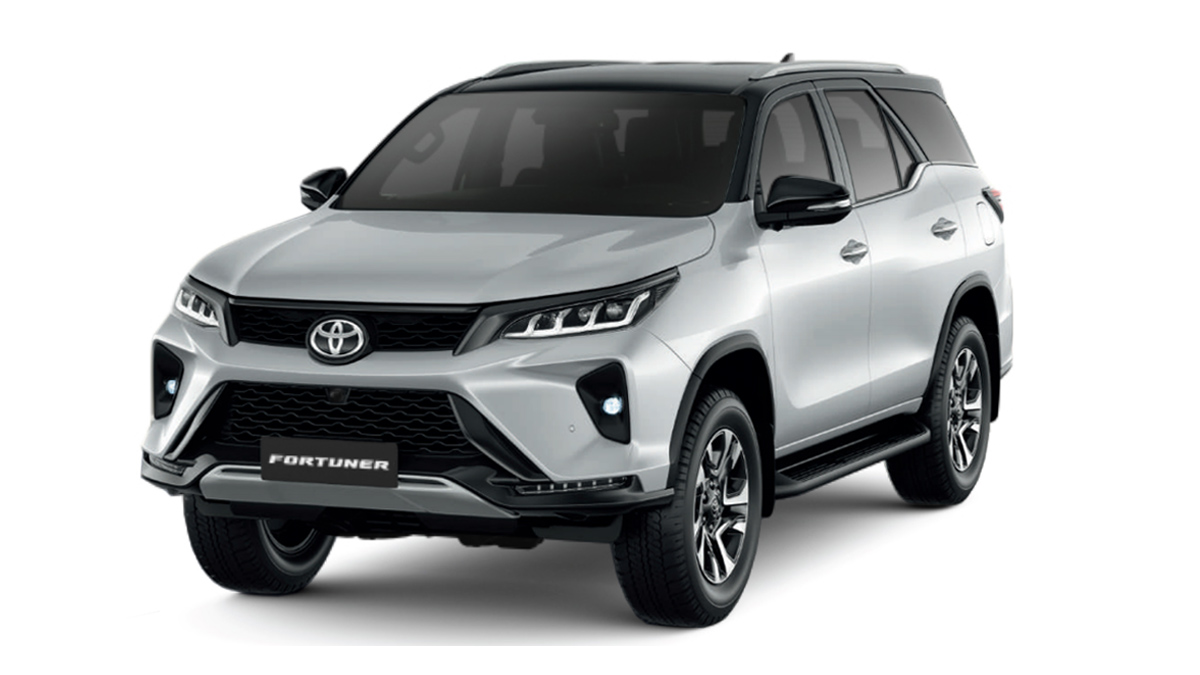
Today, the Toyota will soon finish off the production of the second-generation Fortuner. Like its predecessor, it’ll reach its 11th year before it’s retired for good. To call the soon to be outgoing Fortuner a resounding success is a massive understatement. It remains the best-selling SUV in the country by a wide margin and even became the best-selling car in the country in 2017.
All of that wouldn’t have been possible if the first Fortuner fell flat on its face. While it didn’t singlehandedly transform the SUV market, it’s safe to say that it helped make SUVs a whole lot more mainstream.
If that’s not a big enough of a legacy, we don’t know what is.