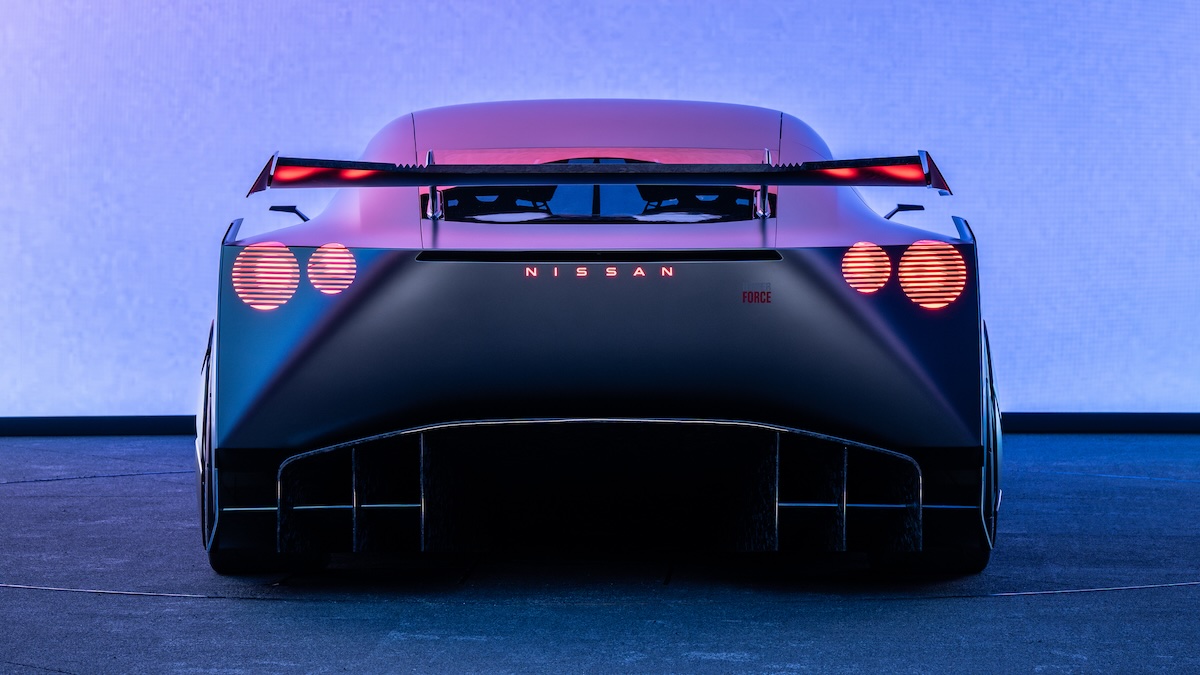

“In the UK and Europe, we had to stop offering sports cars because of regulations,” explains Nissan’s global product boss Ivan Espinosa, “but the fifth car in the story of our ‘Hyper’ concepts is the vision of what we want to consider doing for the future of a hyper, super sports car.”
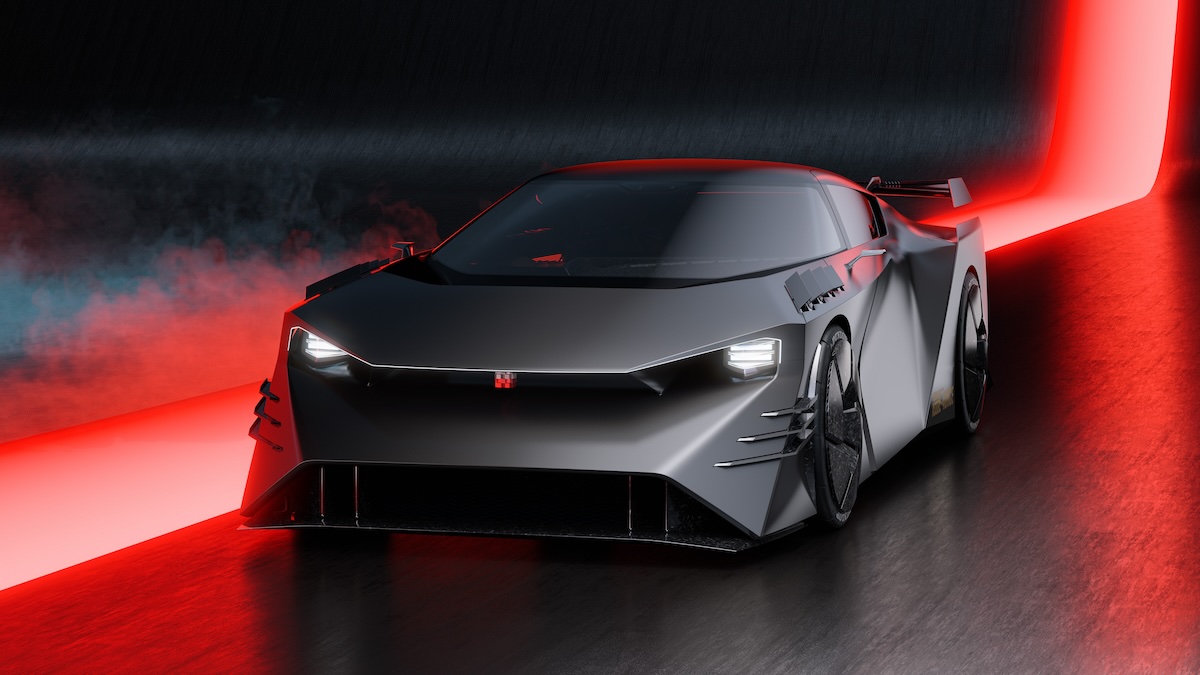
And that vision of a hyper, super sports car is 1,341hp worth of cutting-edge solid-state batteries wrapped inside Darth Vader’s Sunday suit. Nissan hasn’t called its fever-dream creation a ‘GT-R’ concept explicitly, but there’s no mistaking that signature.
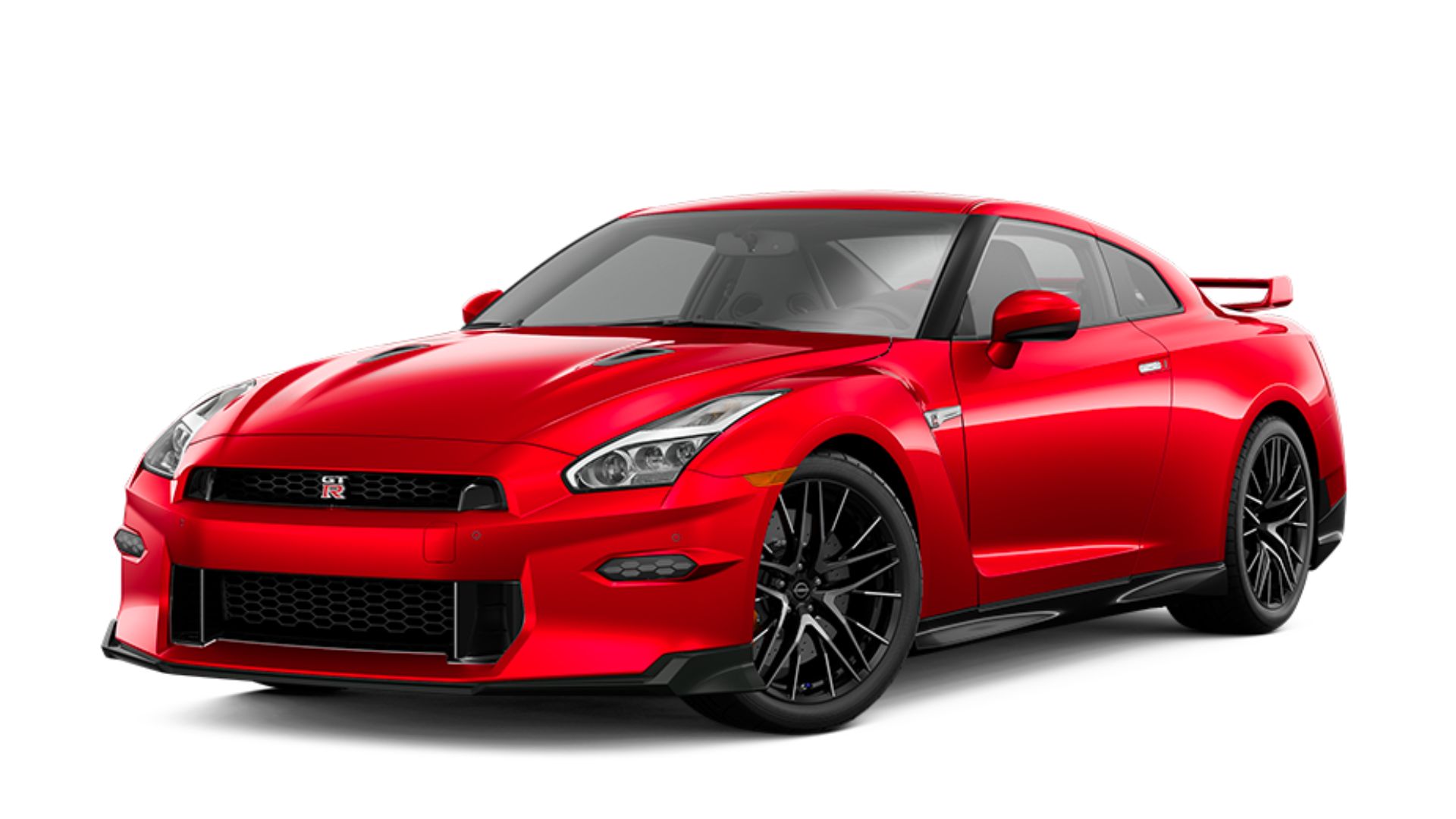
An elderly signature, mind. Nissan killed the R35 GT-R in the UK and Europe last summer because it couldn’t comply with new noise regulations. Up until that point, it had already spent 13 years trading blows with all and sundry across road and track. Which made it the most exciting production car Nissan made. And with the company committing to electrification, it must—to use gaming parlance—insert electrification to continue.
OTHER STORIES YOU MIGHT HAVE MISSED:
First drive: The Serena e-Power would fit nicely in Nissan’s local lineup
‘We are prepared,’ says Nissan as it faces competition against Chinese EV brands
“We’re committed to having a sports car offering in the future, this is for sure,” said Espinosa. “We make exciting cars for people that love driving. That’s not going to change.”
One of the key elements behind the evolution of the GT-R, said Espinosa, is the much-hailed arrival of solid-state batteries. Nissan is working on developing these game-changing cells, with a planned rollout in 2028.
“The biggest enemy of hypercars is weight, and batteries are heavy, so we need to wait until the ASSB (all-solid-state battery) is out, it’s stable and it’s ready, so we can go,” he explained. “With the density improvement, we can deliver a much better packaging that improves the aero and the overall behaviour of the car while maintaining the 2+2 layout.”
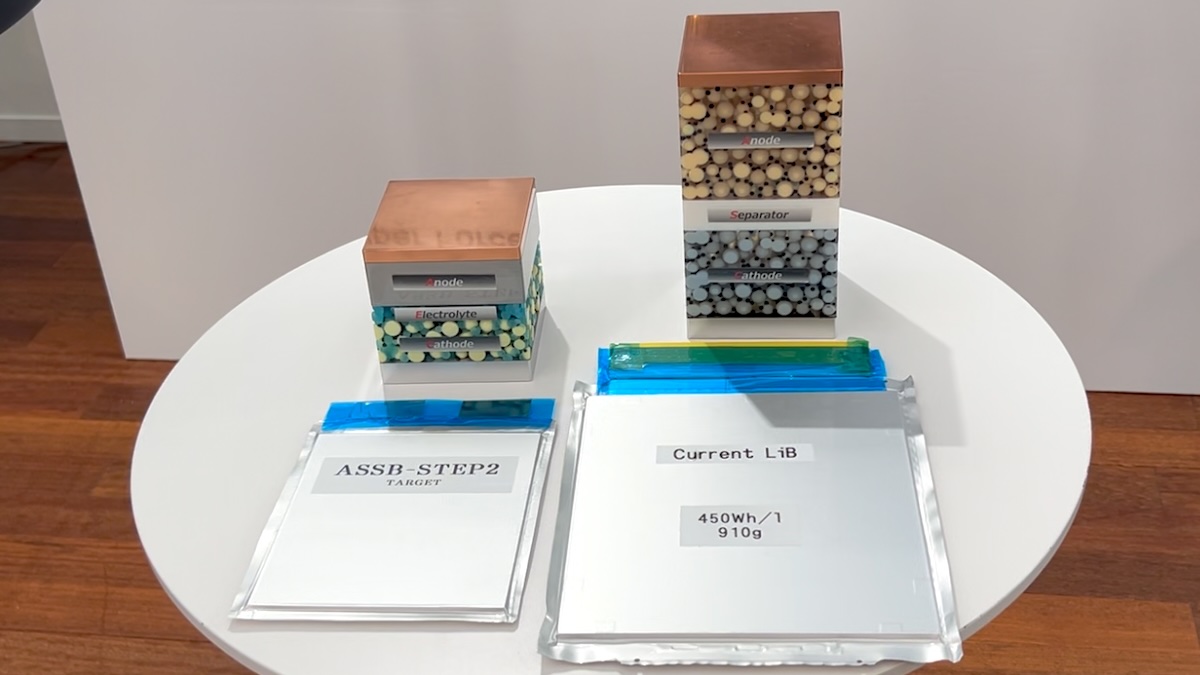
Some context: The new solid-state units feature double the energy density and a charging time reduced to one-third of what’s currently available with liquid lithium-ion batteries. “A large freedom [with electric motor and EV technology] is the packaging,” said Espinosa. He noted how the concept showed off how low you can mount these new batteries compared to an internal combustion engine.
Twin-, tri-, or quad-motor setups for the e-GT-R were all possible, Espinosa said, but the number would depend on the overall package of the new supercar: “If it’s not too heavy, we can live with one and one [front and back]. If we find we need a bit more battery, maybe you need a bit more juice at the back.”
The e-motor tech in the Hyper Force concept, he said, plays a big advantage over its oily, dirty dinosaur counterpart. “There’s one very unique thing in that, which is a very advanced e-4orce system, emulating the learnings we have from the current GT-R—the ATTESA system and all the other well-known hardware—and looking at how we can replicate that.
“It’s impressive.”
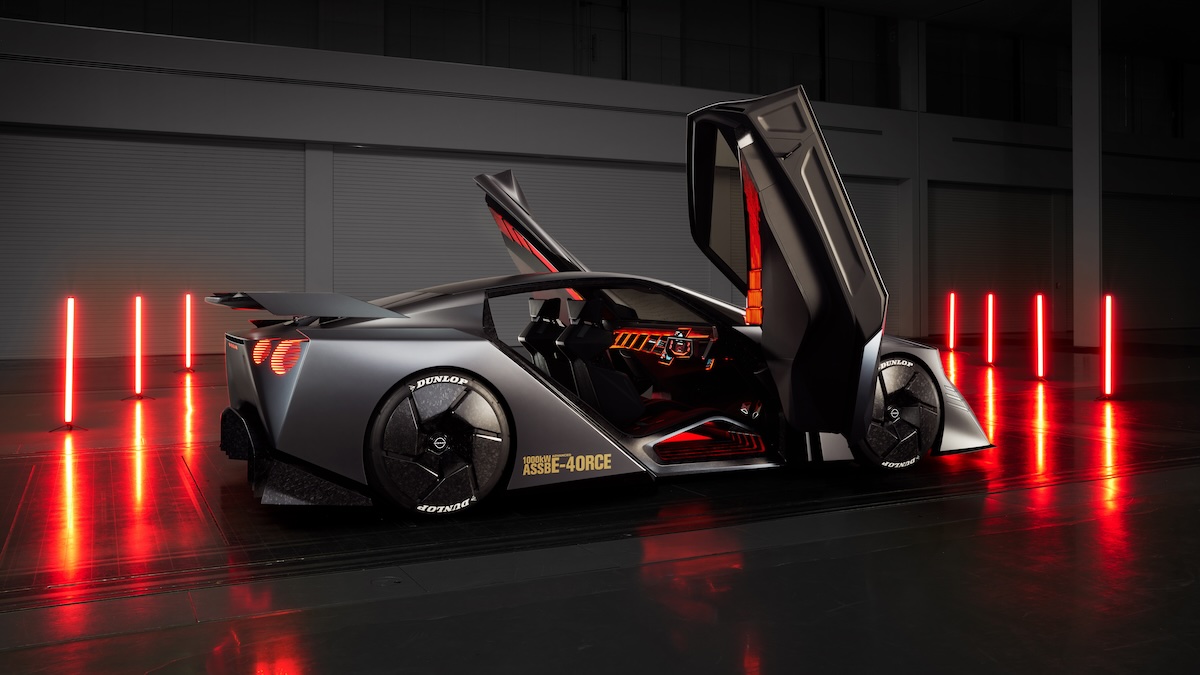
So it’ll be all-wheel-drive. He noted how tuning the four-wheel-drive e-motor software to make it dance like Godzillas of old—to give you that “predictable,” “forgiving,” and confidence-inspiring traction—is “potentially very easy,” though not something the company has done before: “It’s a discovery journey, having a chassis engineer suddenly talking to a software engineer.”
A further jump comes in the electric GT-R’s digital evolution and AI. “This is probably where you can start imagining a very different way of delivering hyper sports cars to customers,” said Espinosa. “You’ll still have the dynamic behavior of a good four-wheel-drive system, plus the digital side.”
Does this mean the car can drive itself? “A GT-R is a driver’s car. The point is not to have the car drive for you,” he stressed. “You could imagine the car help you drive, become a better driver, improve your lap times. This is the aid that will come on top.
“It’s not about the car taking over. Maybe you could let the car show you an ideal lap, and you can learn the braking points, at what speed you should take which turn—the idea is really to help the driver become better.”
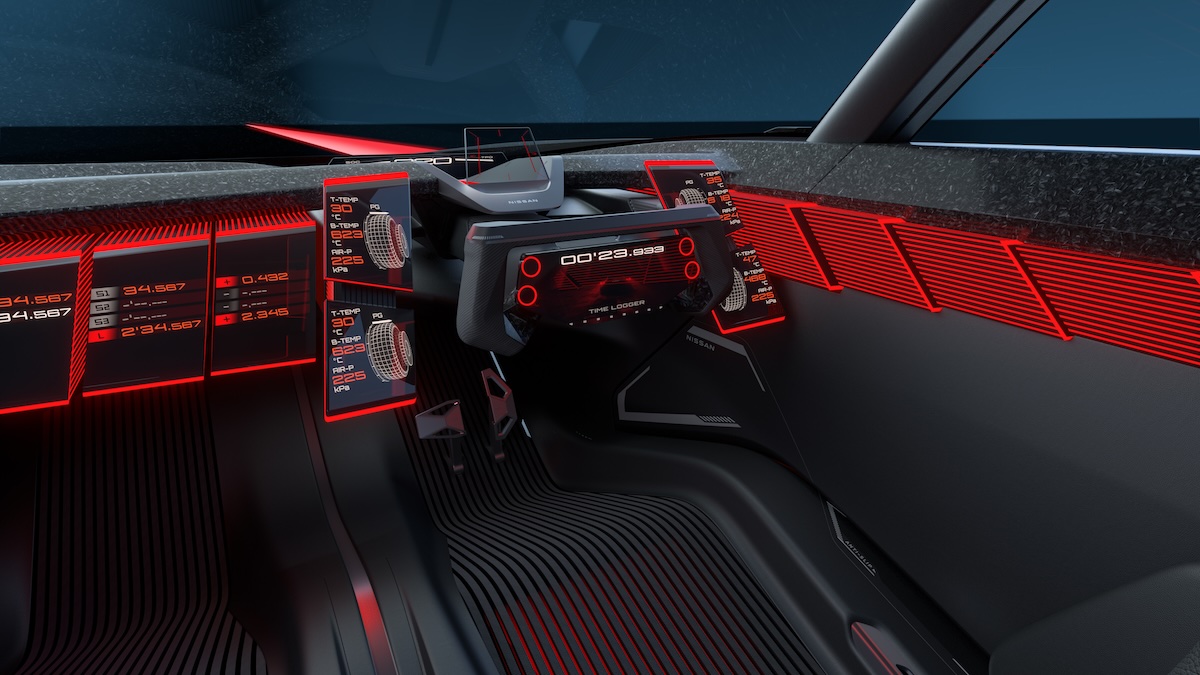
Espinosa’s idea is to have a battery big enough to do an out-lap, a couple of hot laps, and then an in-lap at, say, the Nürburgring Nordschleife. And when you plug it in to do a quick 20-minute recharge? “You can play Gran Turismo using the car.”
Speaking of that racetrack in Germany that nobody’s heard of, it is—and will always be—a key part of Godzilla’s identity: “I think it’s always been one of the ways to size the performance of what we’re doing. The Nürburgring is and will always be one of our references.”
It’ll likely be a two-car range. Espinosa imagines a “friendly,” everyday GT-R with a big battery, alongside a Nismo version packing a smaller ASSB and—as per the rules—a setup entirely dialed in for the track. His overarching plan is to have the new electric GT-R headline a new three-tiered sports car offering, sitting atop a new Z (and its Nismo variant), and a new, more affordable entry-level electric sports car. That, too, will come with a Nismo version.
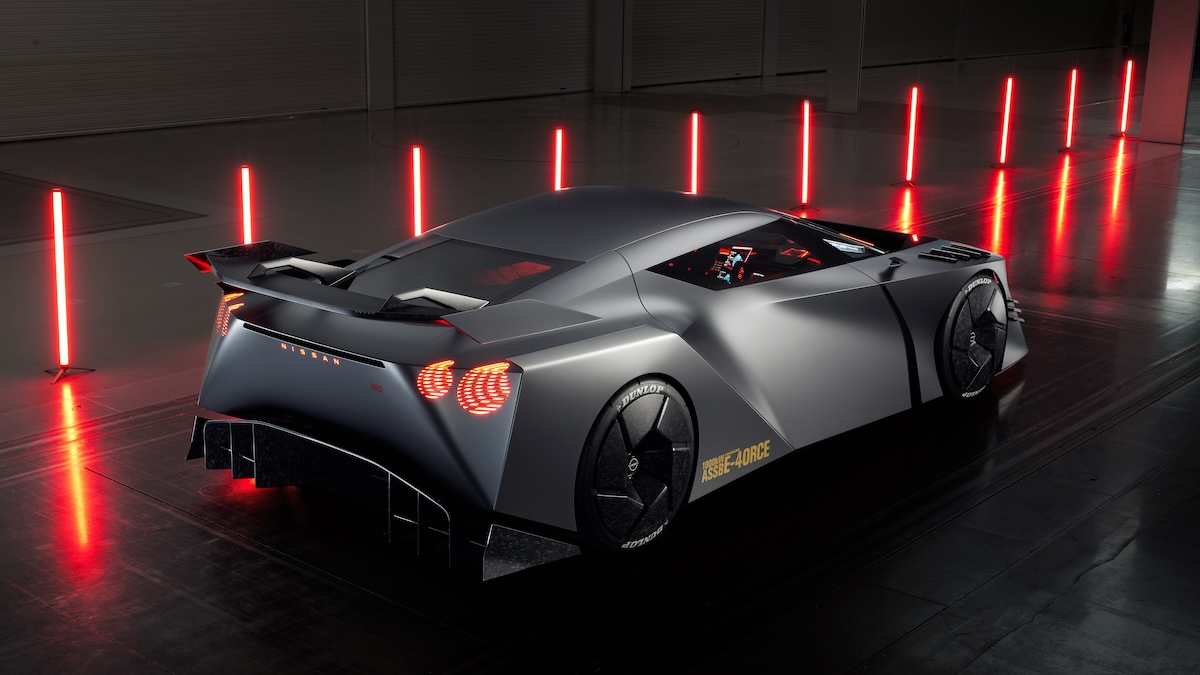
We’ll have to wait, though. It’s not just the 2028 rollout of solid-state batteries, but also the point at which the overall technology becomes cheaper, because this electric GT-R has to be affordable.
“We have a large fan base, and we don’t want to make a super exclusive car—we want to stay true to what the GT-R roots are,” said Espinosa.
NOTE: This article first appeared on TopGear.com. Minor edits have been made.