There’s a saying that goes: “Everything is bigger in America.” In many ways, it’s true, most especially for automobiles.
The roads in the US are bigger and wider, which might have led manufacturers into thinking they can build larger vehicles for that market. Or maybe the general preference among Americans leaned towards burlier trucks and SUVs, which pushed carmakers to build more of these to satisfy the demand? It’s a chicken-and-egg scenario, and while we’re not really sure which came first, we do know one thing: Bigger isn’t always better. See, this phenomenon may have resulted in deadlier roads for pedestrians.
The New York Times has just published a study on this, wherein it has found that road accidents involving modern pickup trucks are more likely to result in pedestrian fatalities. The premise for the study was that data from the Insurance Institute for Highway Safety (IIHS) showed a downward trend in car accident-related pedestrian deaths from the 1980s to the late 2000s. However, from 2009, said trend reversed, and since then, there has been a 75% increase in yearly pedestrian fatalities.
OTHER STORIES YOU MIGHT HAVE MISSED:
Here’s a closer look at the new modern PUV stop in Marikina City
Check it out: The VinFast VF3 is Cavite’s newest cop car
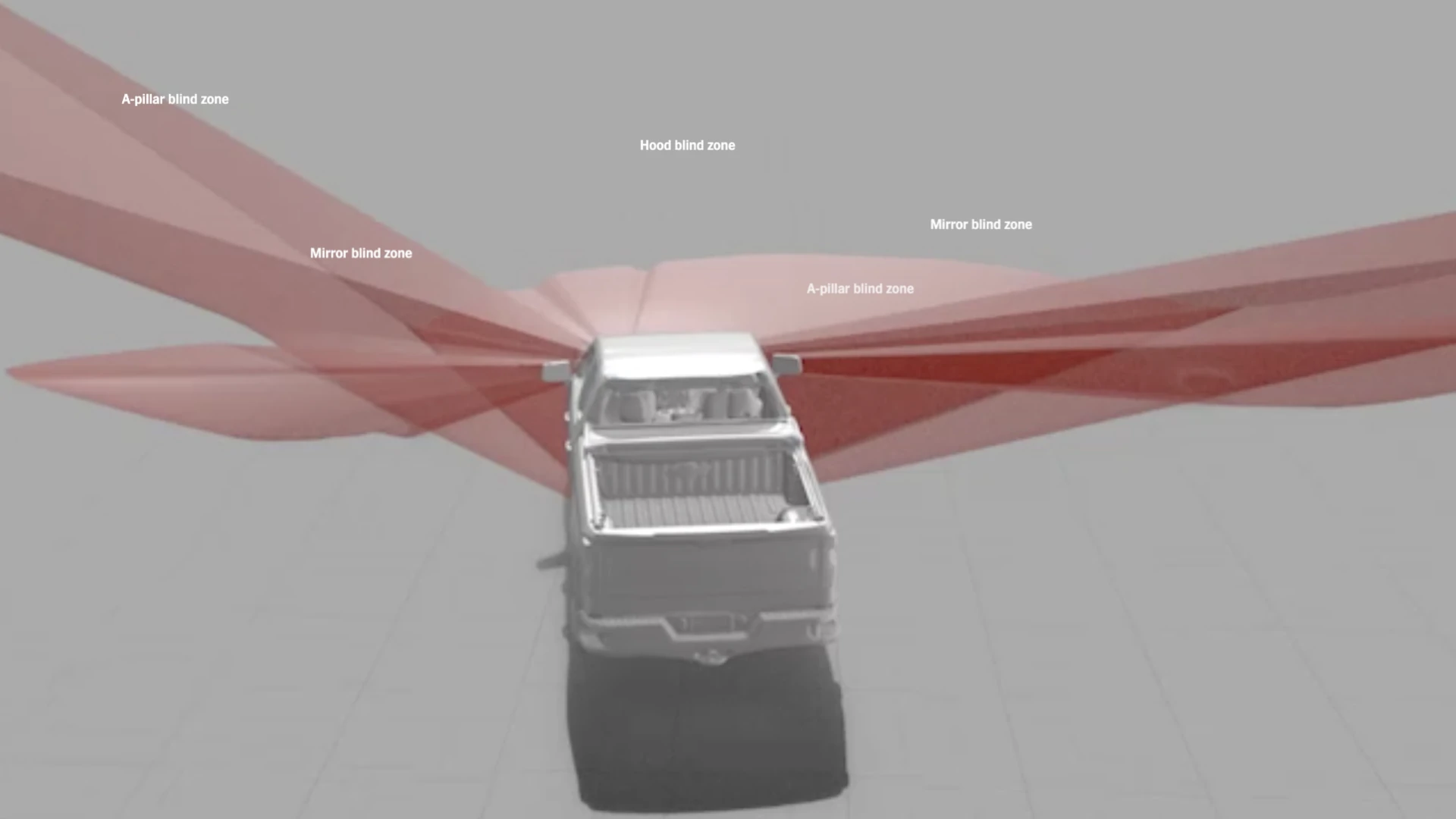
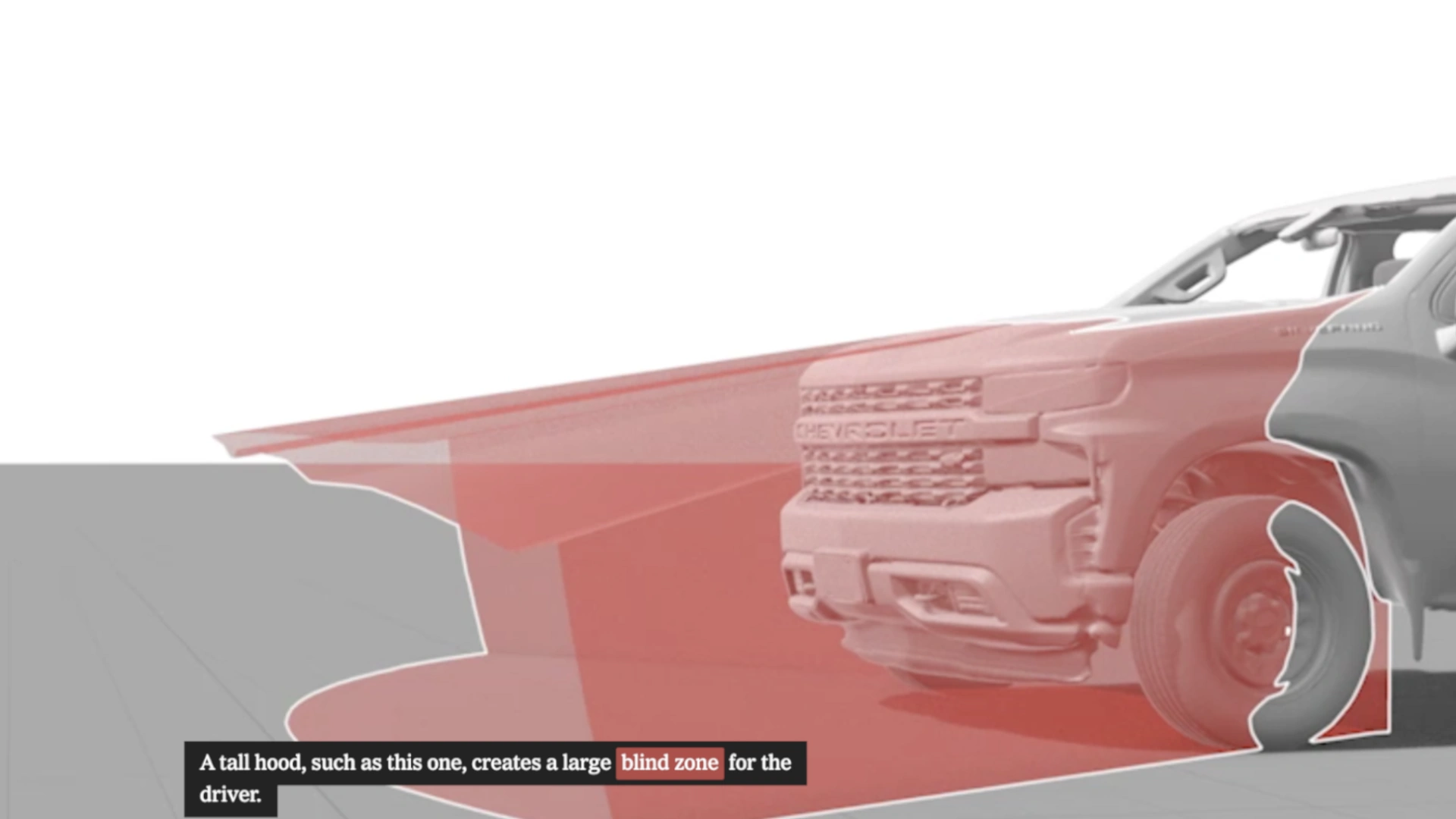
The New York Times analyzed data from federal and industry records and even simulated various crash scenarios. It discovered that over the decades, as vehicles got bigger, visibility from behind the wheel worsened. Hoods got taller, A-pillars were thicker, and side mirrors got wider. Ultimately, it led to stronger and more fatal car-to-pedestrian impact, not to mention blind spots for drivers grew significantly.
A 3D scanner was used to compare blind spots of common mass-market pickups to that of their counterparts from the 1990s and 2000s. Specifically, The New York Times picked four models: the Chevrolet Silverado, Ford F-150, GMC Sierra, and Toyota Tacoma. It discovered that the Silverado’s blind zones have nearly doubled, the Sierra’s and Tacoma’s grew 60%, and the F-150’s grew by about 25%.
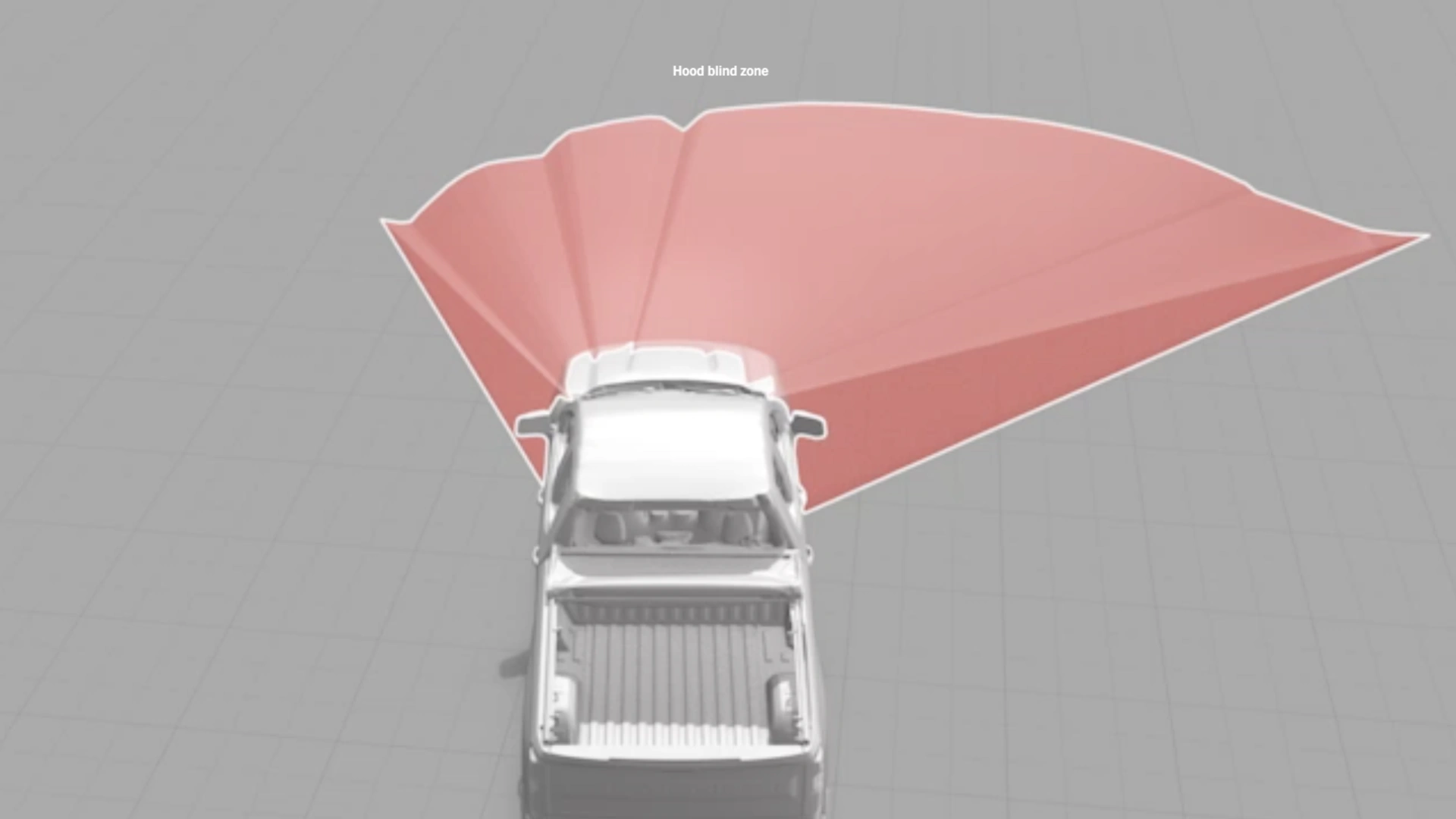
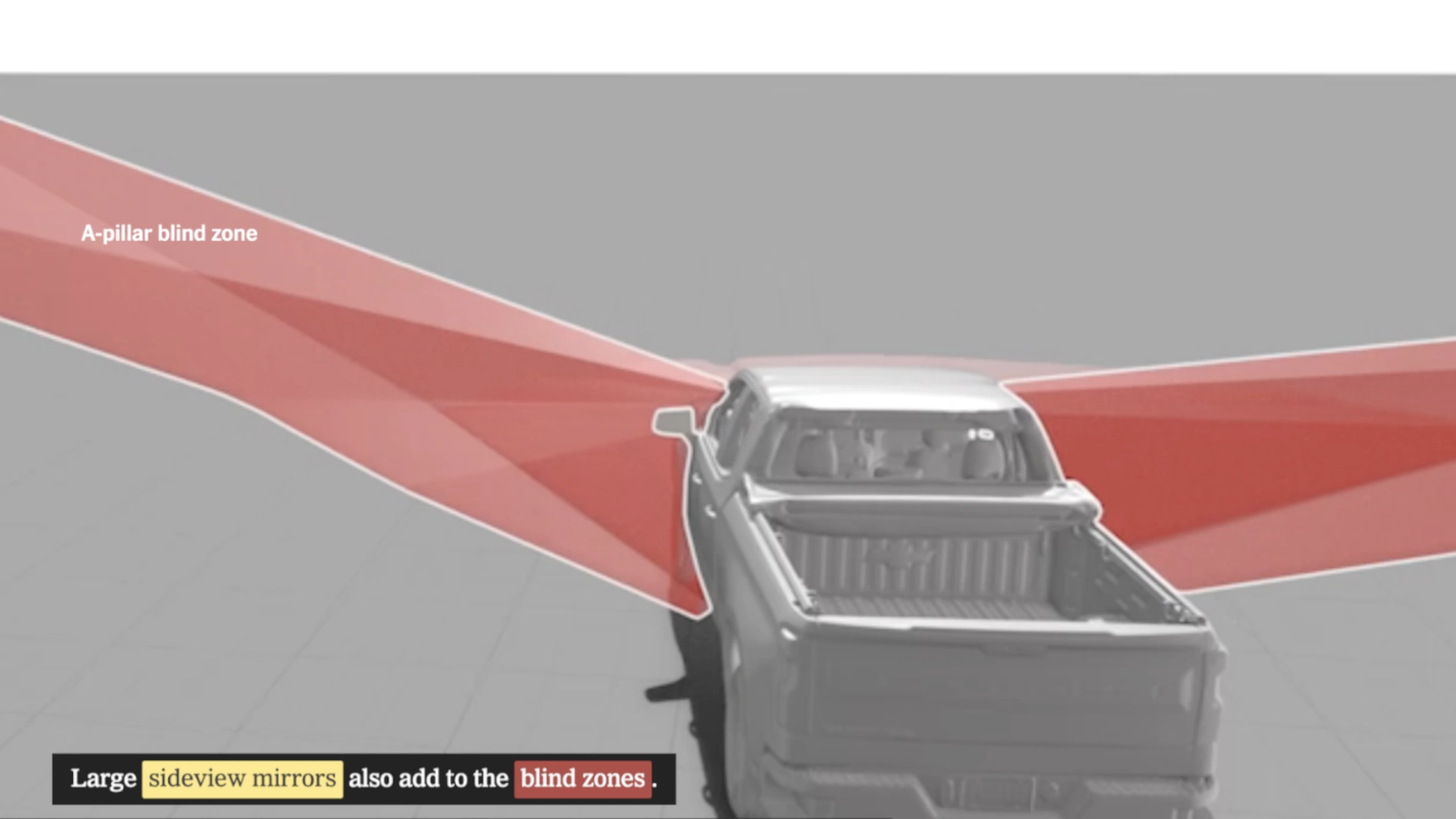
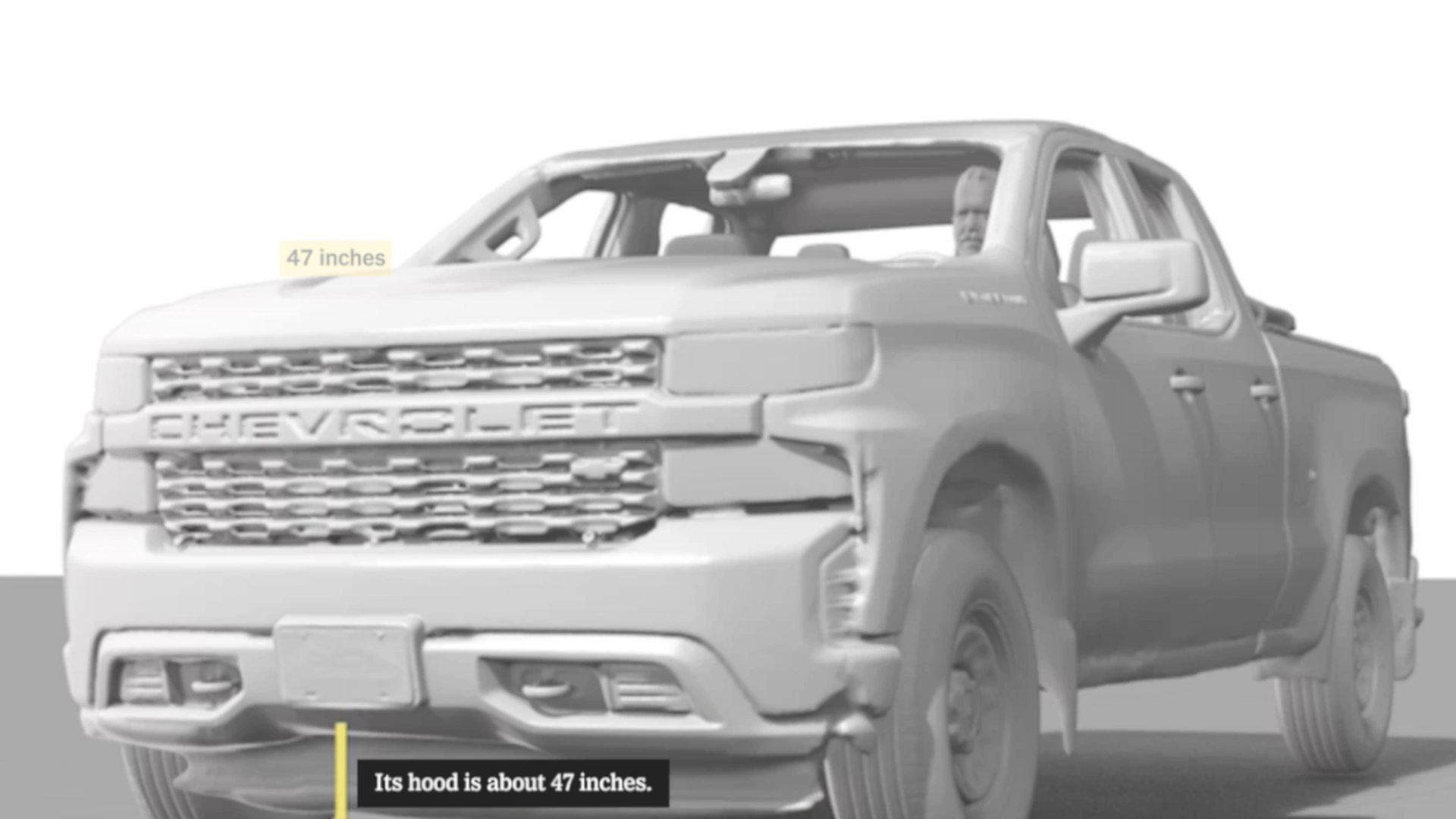
The New York Times also discovered that more vehicles now have hoods that “exceed the average American’s center of gravity.” According to the study, a person who is six feet tall would likely be knocked down by 35% of vehicles today versus just 23% in 2002. The interactive website also allowed to change the demographics, which gave an even clearer picture of how much deadlier the bigger trucks and SUVs have gotten.
An average US woman standing 5’3” would be knocked down by 59% of today’s vehicles, versus 37% in 2002. The average US man, meanwhile, would stand 5’9” but still be knocked down by 39% of cars today versus 29% in 2002. As the height of the person changes, so do the percentages. One thing is clear, though: The chances would be lower in 2002.
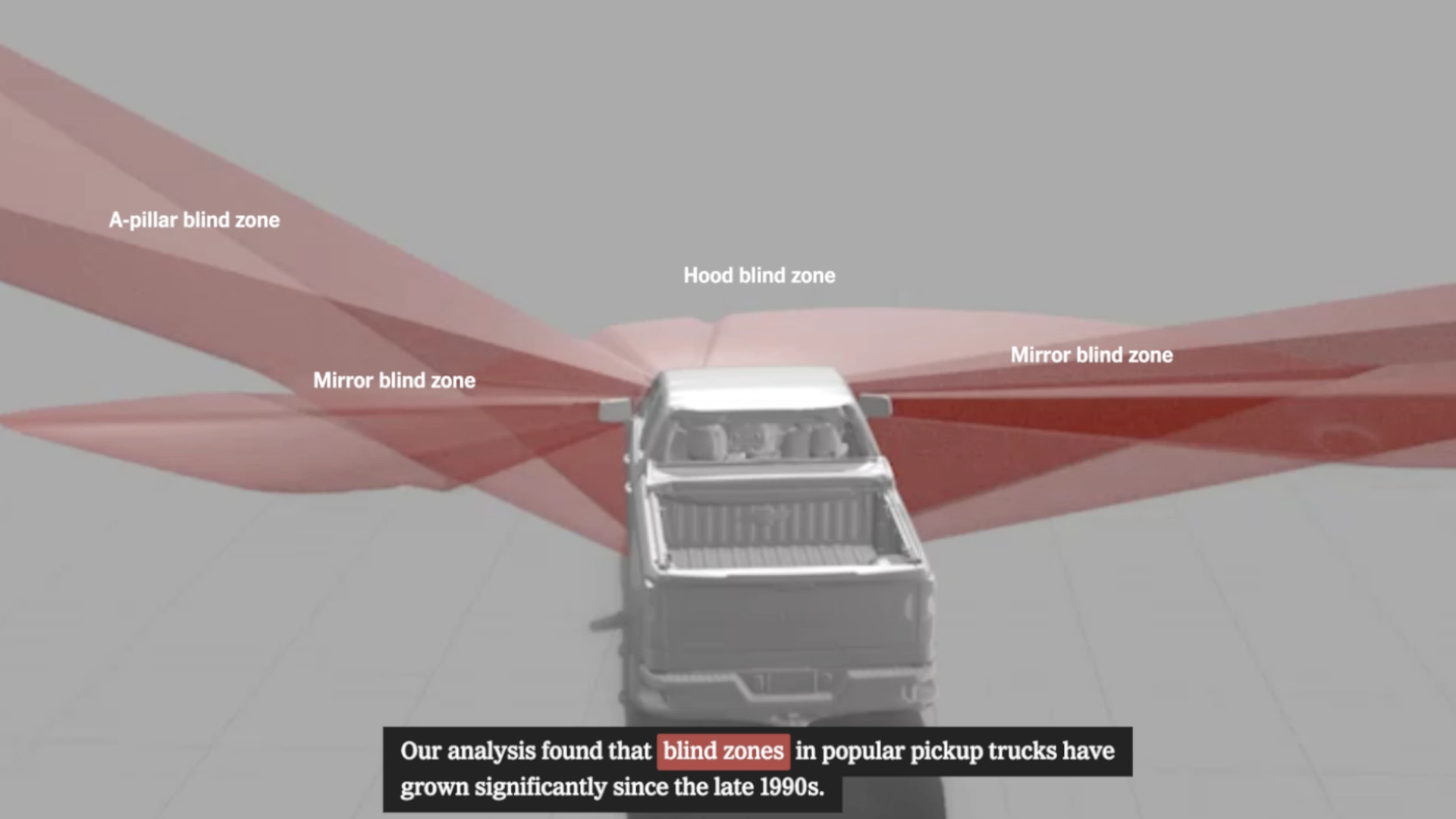
The New York Times also pointed out that the bigger pickups and SUVs promise ‘more’ for both the consumer and the manufacturer. For the latter, it’s easy: More money, more profit. For the former, apart from space and performance, bigger vehicles give them a greater sense of power, dominance, and prestige. This shift in preference also led to carmakers focusing their production more on trucks and SUVs rather than smaller sedans and hatchbacks.
So far, there has been no action from the US government on how to address this, but the numbers from The New York Times’ investigation is a telling sign that there is something that needs to change—whether it’s regarding the design of the roads or the vehicles themselves. This problem also isn’t exclusive to the US, as consumer preference has also started to shift in markets like ours. This just means that any future adjustments that will come as a result of this will also affect road and pedestrian safety around the world, not just in America.
For more in-depth information and for a closer look at the interactive study, you can see it for yourself. If you do end up taking a deeper dive, do let us know in the comments what you think.