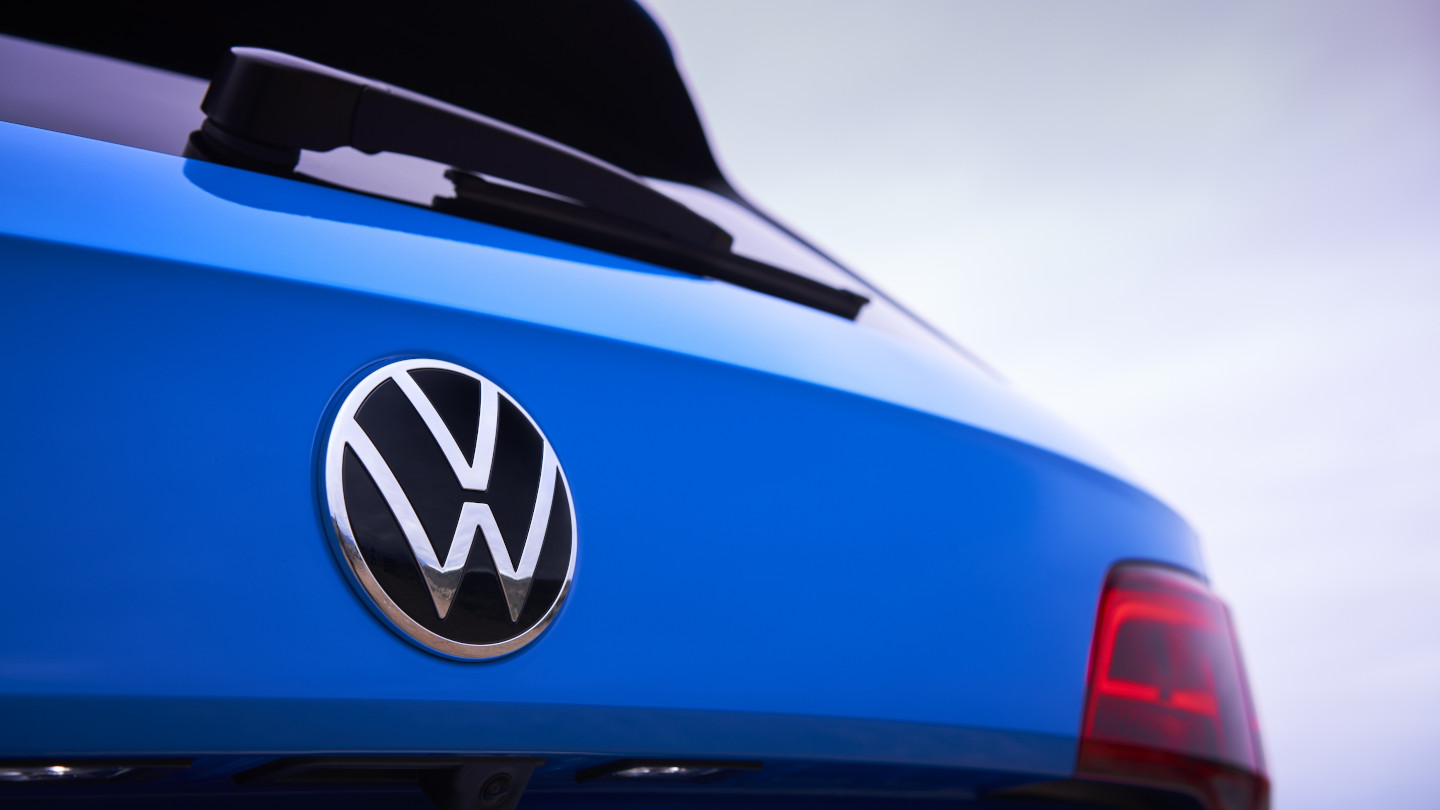

Like every other car manufacturer these days, Volkswagen is working its way towards carbon neutrality. But apart from the expected electrification efforts, the company’s game plan includes something slightly different: paraffinic fuels.
What the German carmaker wants to do is reduce the carbon footprint of its European fleet by 40% by 2030. To help achieve this, it is now signing off on the use of paraffinic fuels for its latest-generation four-cylinder diesel engines. Specifically, the ones delivered from the end of June 2021.
Paraffinic diesel fuels are produced through different means, one of which is the hydrotreatment processing of vegetable oils or animal fats. Using these fuels in diesel engines can better reduce particulate matter and enable 70-95% more carbon savings than when using conventional diesel fuels.
“Through the use of environmentally friendly fuels in the approved Volkswagen models, we are making it possible for customers throughout Europe to significantly reduce their CO2 emissions as soon as the fuel is locally available,” said Volkswagen head of petrol and diesel fuels Prof. Thomas Garbe. “For example, the use of paraffinic fuels is a sensible additional option particularly for companies with a mixed fleet made up of models with electric and conventional drives.”
Would you like to see vehicles in our market using these newly developed fuels as well?