
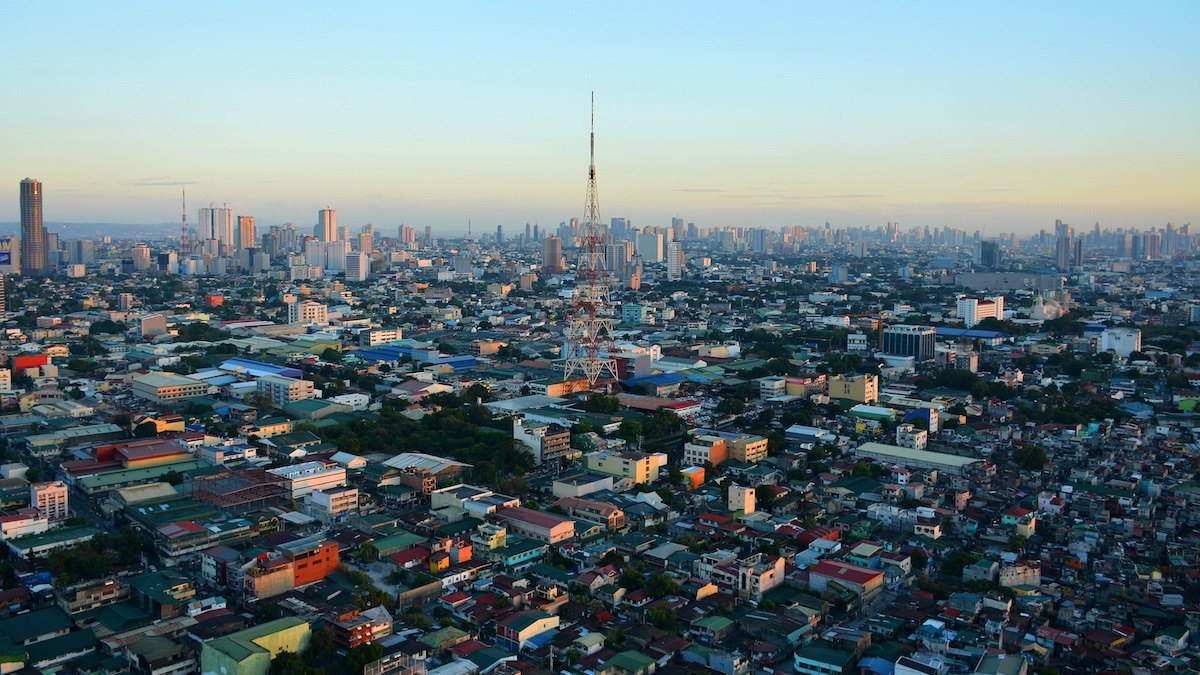
Do you have to rely on cars simply to get around your neighborhood for quick errands? If you’re based in Quezon City, local officials are looking into a new urban model that will place essential services within easy access of its residents.
Mayor Joy Belmonte recently announced that the local government is exploring the 15-minute city strategy. Developed by Professor Carlos Moreno, it proposes the development of self-sufficient communities where the daily needs of residents—food, healthcare, education, parks and open spaces, and job opportunities—are within a 15-minute walk or bike ride from their homes.
OTHER STORIES YOU MIGHT HAVE MISSED:
‘Tao ka po?’ Commuter has ‘sabaw’ moment after accidentally booking Angkas Padala
Advisory: Dry run of stop-and-go left-turn scheme to Tandang Sora Avenue has begun
Of note, the model prioritizes walkability, cycling, and public transportation in urban design to minimize long commutes and reliance on private vehicles, thus helping decrease carbon emissions, air pollution, and traffic congestion. Moreno adds that it also strengthens community socialization and engagement, drives local economic growth by supporting homegrown businesses, generates employment within the community, and improves environmental sustainability.
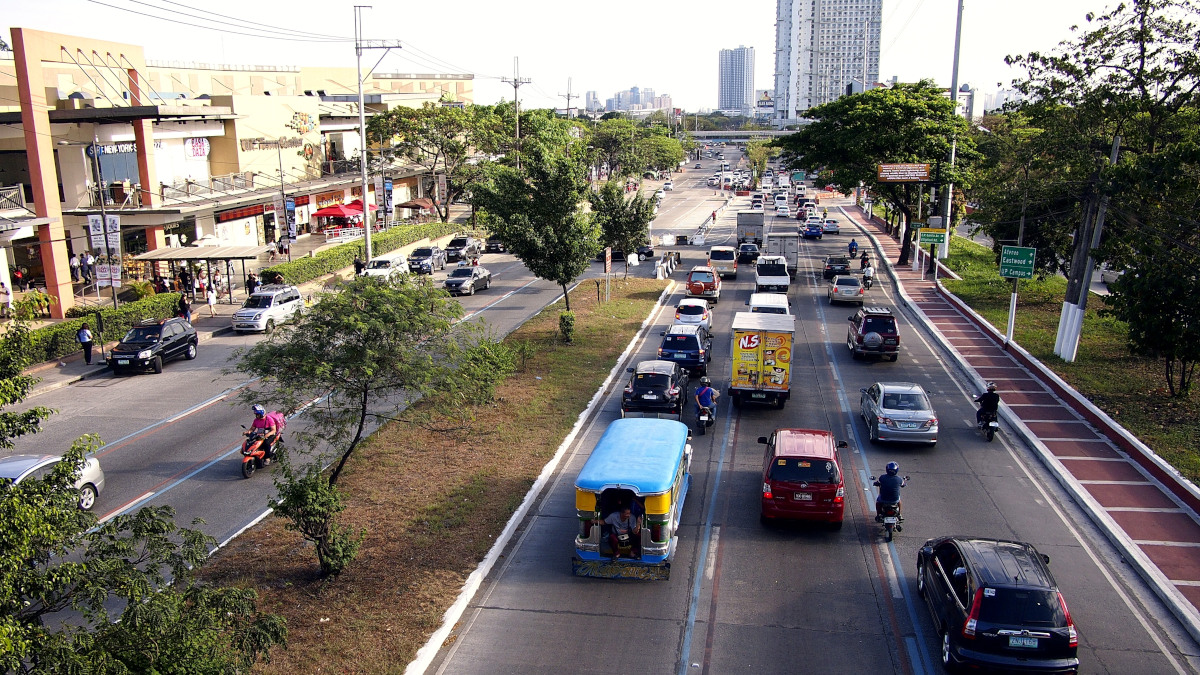
“When we went to Paris for the Plastic Treaty Forum, we were amazed by their 15-minute city sites as all the basic services for the people are within their reach,” says Belmonte, adding that the goal of replicating the setup in Quezon City is to “make urban development people-centered” and “further improve the quality of life” of residents.
Says Andrea Villaroman, head of Quezon City’s Climate Change and Environmental Sustainability Department: “Apart from making services accessible to residents, the 15-minute city concept is also a way of conserving and protecting the environment. It supports the city’s goal to reach carbon neutrality by 2050.”
ALSO READ:
These are the 20 most bike-friendly cities in the world
For EDSA to be pedestrian-friendly, these 10 areas need an overhaul
After studying geographic data of barangays to determine the basic services that are most needed in each community, Villaroman says the local government wil engage with residents to help identify their core needs.
Quezon City is by far the largest city in Metro Manila, with 142 barangays spread over roughly 165 square kilometers. Local population as of 2020 is at 2.96 million, according to the Philippine Statistics Authority.