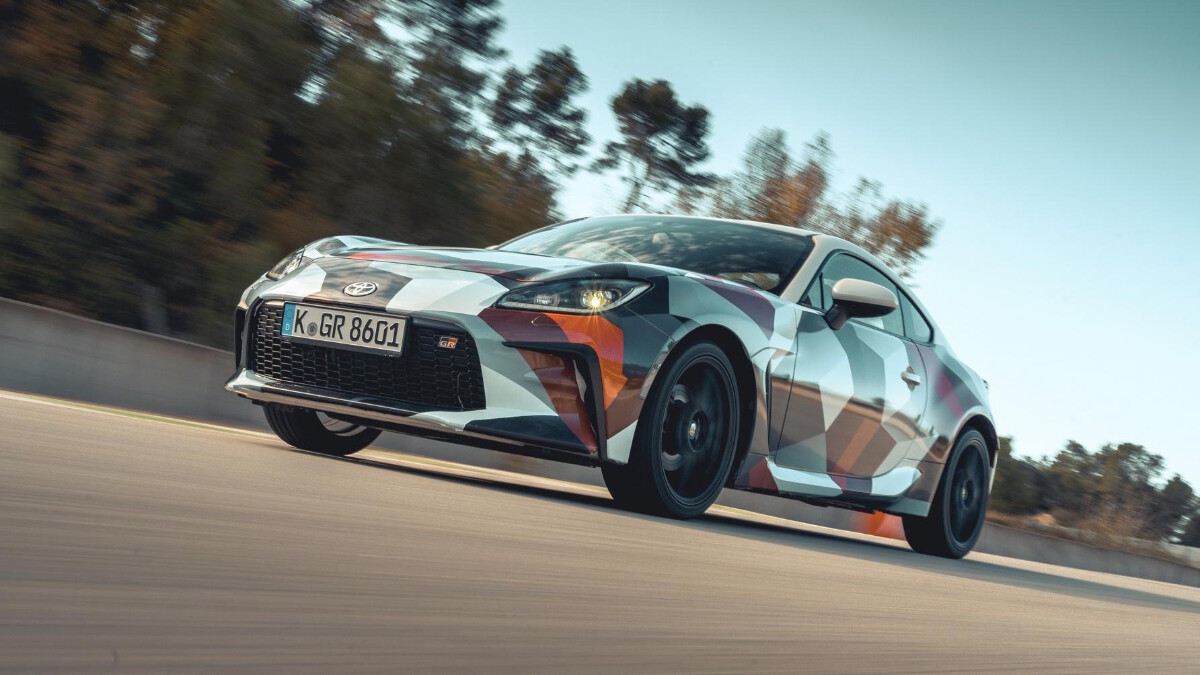

Well this looks fun to drive...
Waku-doki, we think you mean. Not a new In the Night Garden character about to muscle in on the Tombliboos’ turf, rather the Japanese philosophy of ‘heart-pumping excitement.’ We’re promised the Toyota 86 is chock-a-block with it.
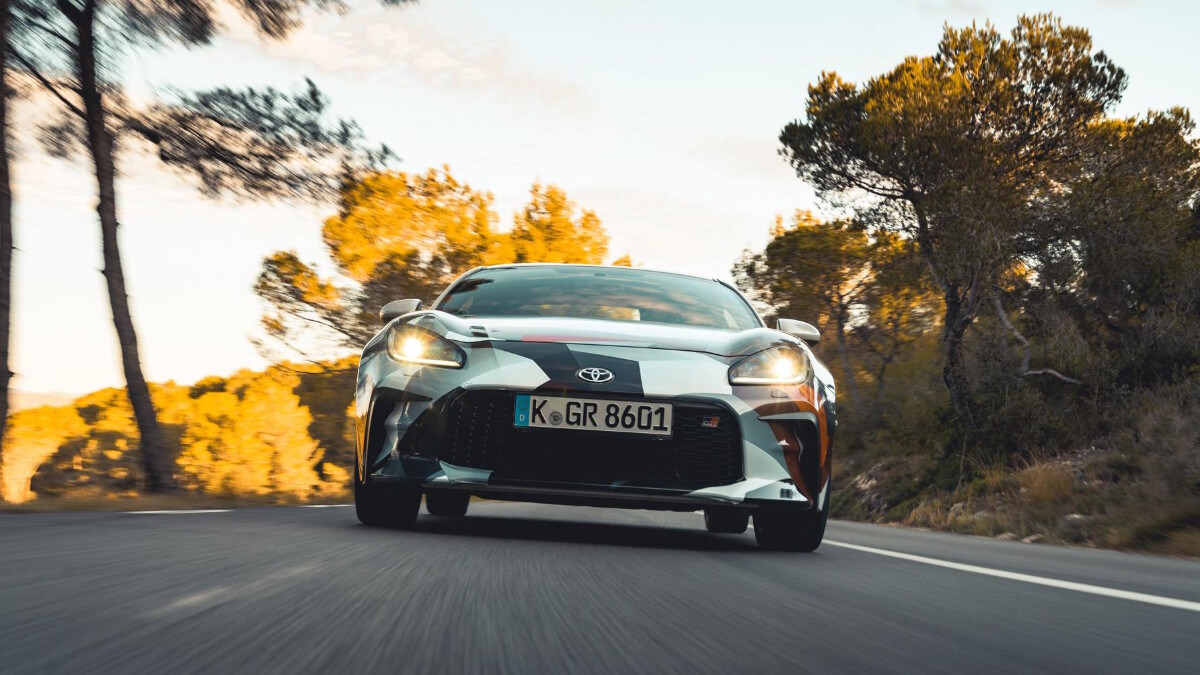
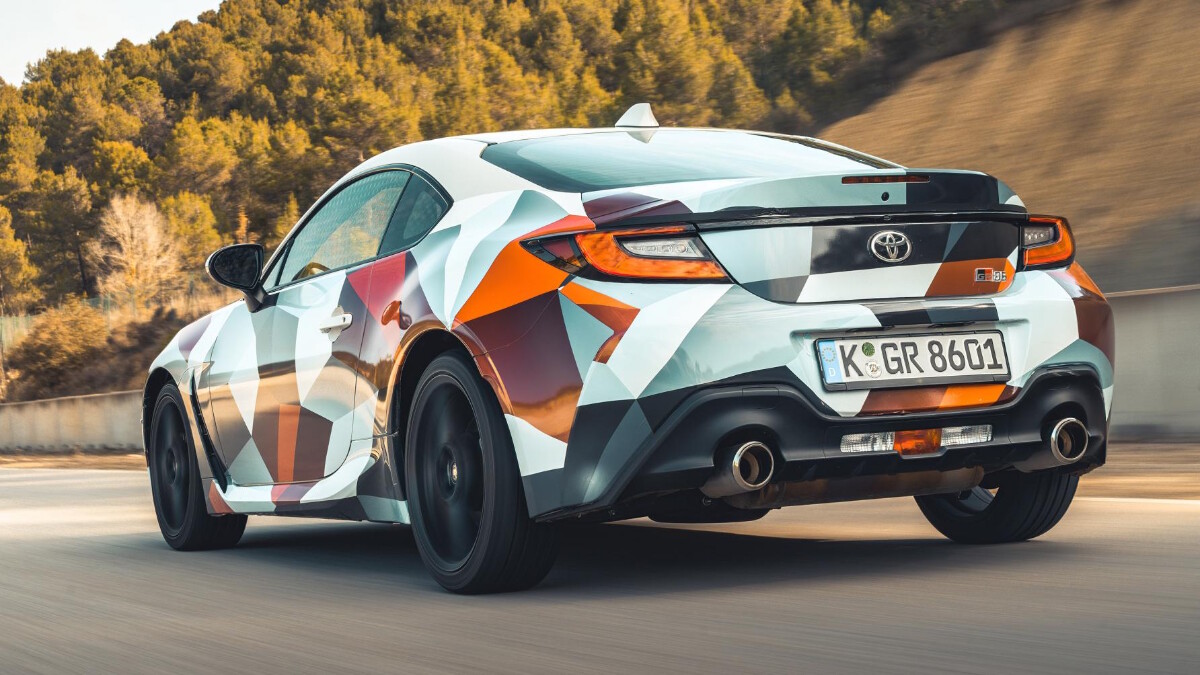
Why is it wearing Elmer the Elephant’s army fatigues?
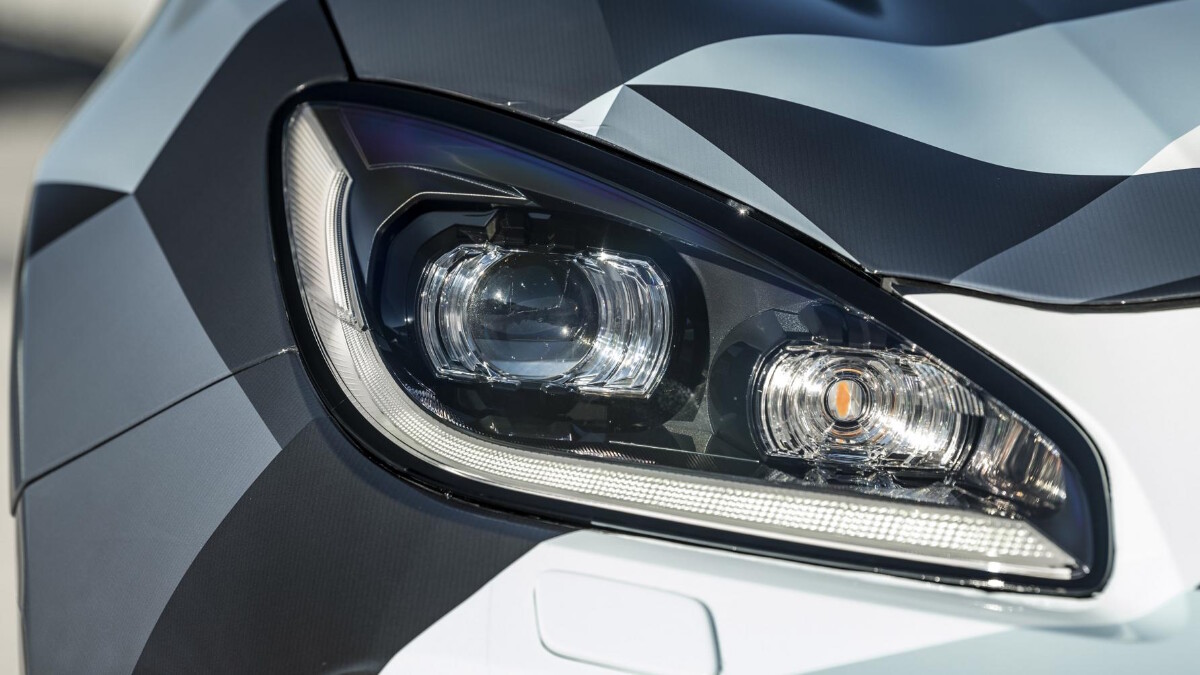
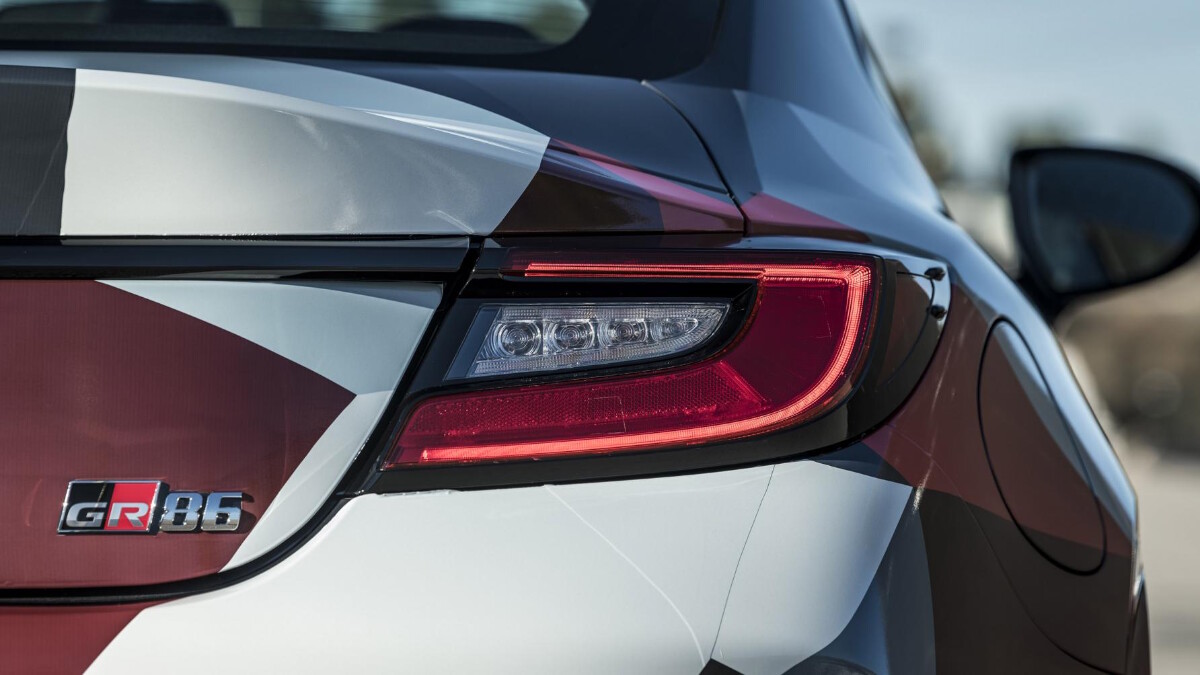
This is still technically a prototype, with European cars getting their full debut at some point in December. But we already know in great detail what the global car looks like and what’s going on beneath. And other than the fetching patchwork wrap, there’s not a single thing about this test car that felt unready for showrooms. By the end of my day with it, I kinda hoped the color scheme makes the options list, too.
Remind me of the fundamentals, please.
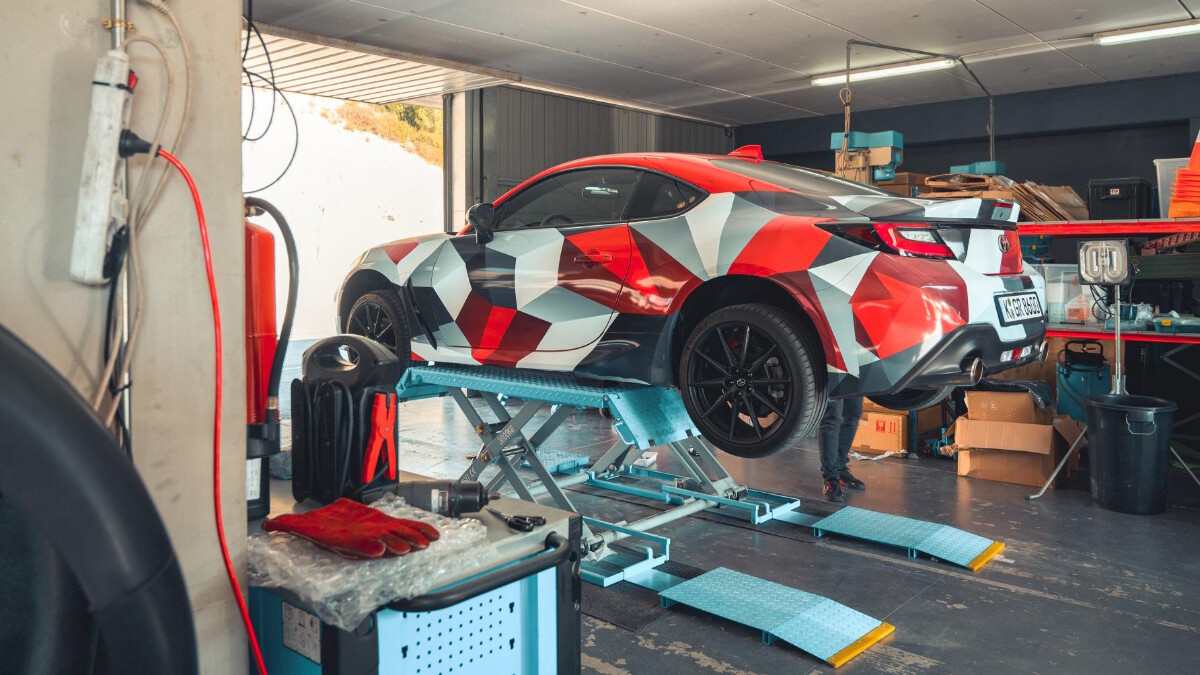
You’re looking at the sequel to the first-gen 86, a back-to-basics sports car developed with the Subaru BRZ and which has lived for 11 years without gaining a single extra horsepower in factory form. While the BRZ has hit gen-two with the same name as before, the subtle switch from GT86 to GR86 is actually anything but—it represents a change in mindset. Where the first iteration of Toyobaru coupe was largely all pieced together by Subaru—with a few dynamic flourishes applied to the 86 by Toyota in the final stages—the two development teams split much earlier this time around, allowing Gazoo Racing ID to bubble close to the surface.
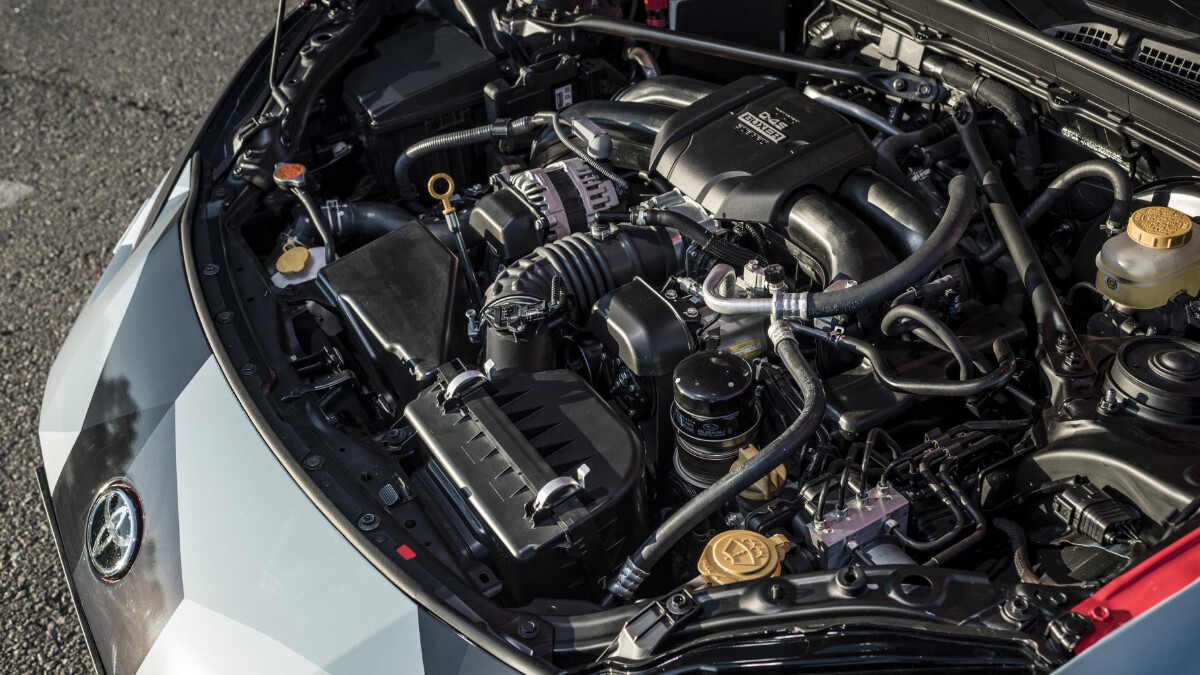
Power still comes without the assistance of a single turbocharger, though it’s finally climbed north of 200hp. The old 2.0-litre flat-four engine has swelled to 2.4 liters, with the cylinders bored out for extra capacity so it’s no bigger or heavier.
Peak outputs are now 231hp at 7,000rpm and 249Nm at 3,700rpm. The latter is the most vital of all the 86’s stats; torque has risen 20% while peaking 2,900rpm earlier. It means the 0-100kph time has freefallen from the previous 86’s, down from 7.6sec to 6.3sec. Its 225kph top speed is unchanged.
Sounds promising...
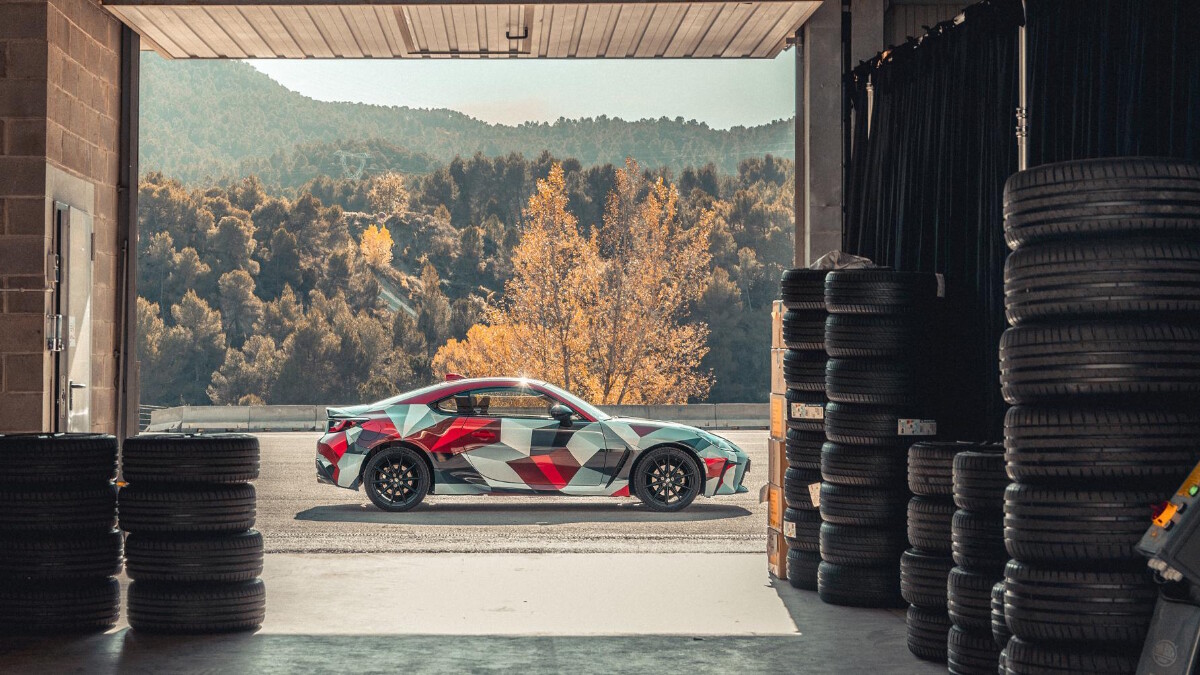
It is, in the words of people wearing actual Toyota fleeces in the pitlane of our Castelloli test session, ‘the engine this car always deserved’. Naturally, the chassis has enjoyed plenty of attention, too. The 86’s structure is stiffer—torsional rigidity climbs 50% over its predecessor’s—while the car sits 10mm lower, the driver’s hip point dropped 5mm. If you needed proof this little sports car is the anti-crossover, it’s right there.
The roof and the front wings are aluminum, cutting enough weight for Toyota to add requisite new safety systems. At 1,275kg this is still delightfully featherweight, just 5kg up on its forebear.
Why would I buy this over a GR Yaris?
It’ll cost less money, for starters, with Toyota describing it as “the accessible entry ticket to GR.”
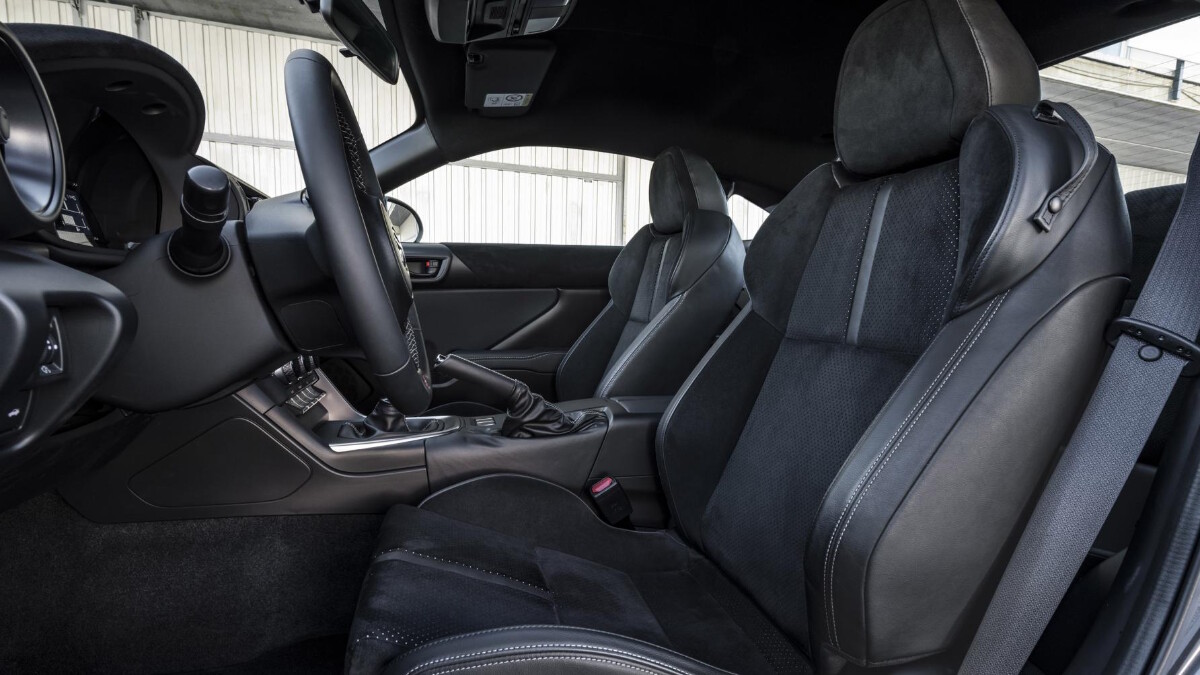
It’s purer than the hot hatch, too. Rear- rather than all-wheel drive, with your only driving mode selection being how tightly you want the stability control to grip you. Otherwise, it’s a simple case of nestling into the hugging fabric seat, eagerly pressing the starter button, then getting merrily about your business.
Tell me of said business.
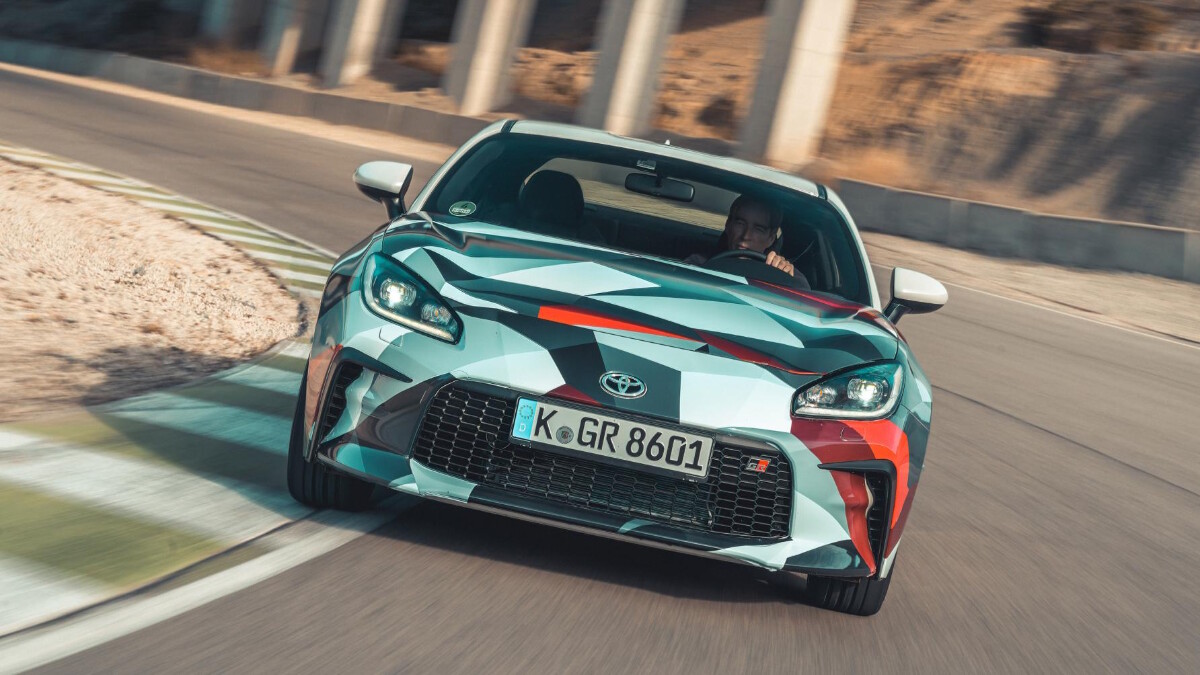
To start with, it feels a heck of a lot like an old 86 with a detailed facelift. This is such a heroically driver-focused car that Toyota has not had sleepless nights about the perceived quality stuff beloved by its rivals. You pop your bag in the back then pull the lid down without the help of a grab handle, a hollow clatter as it shuts.
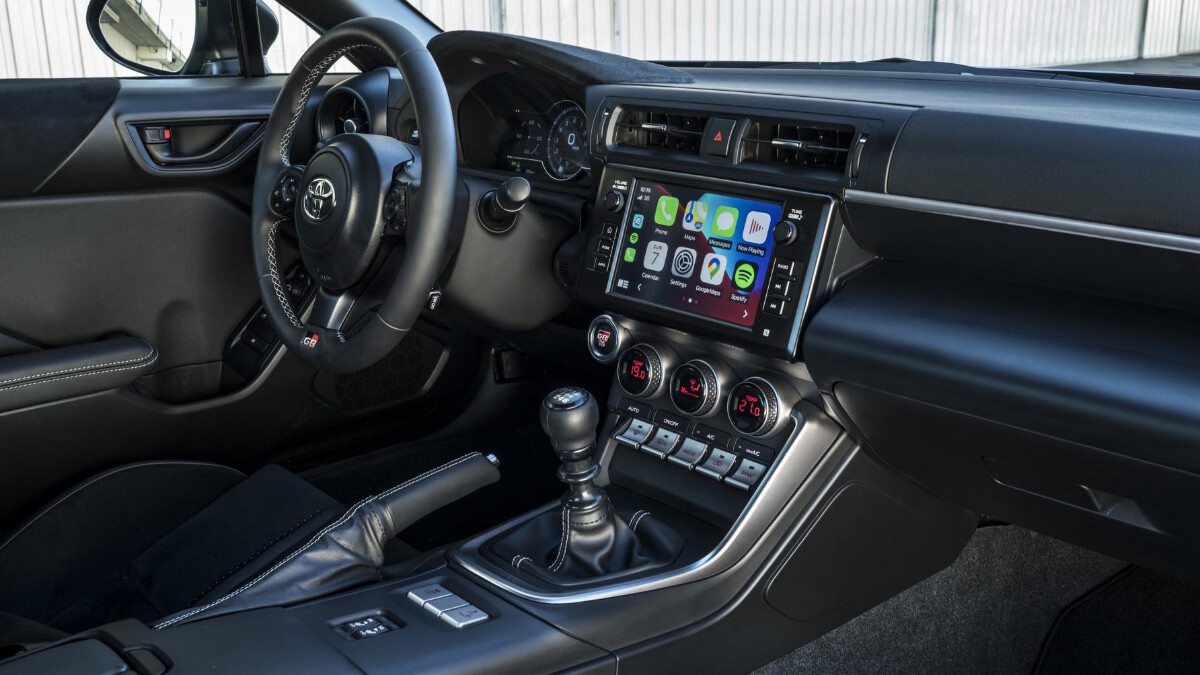
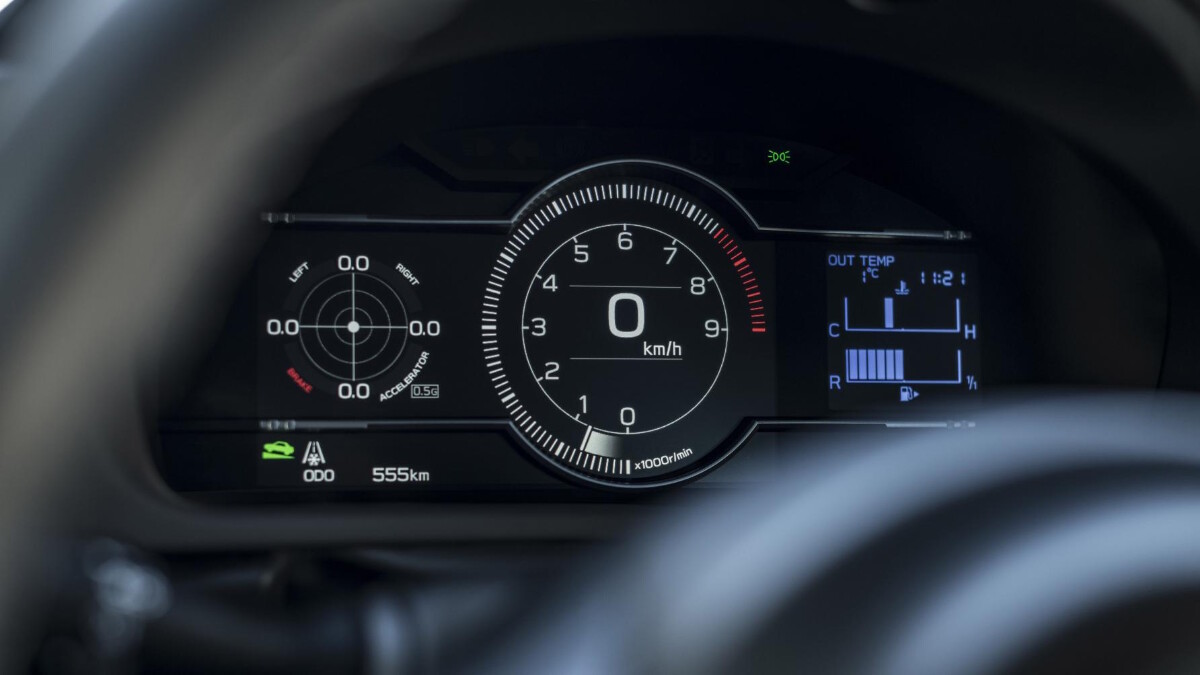
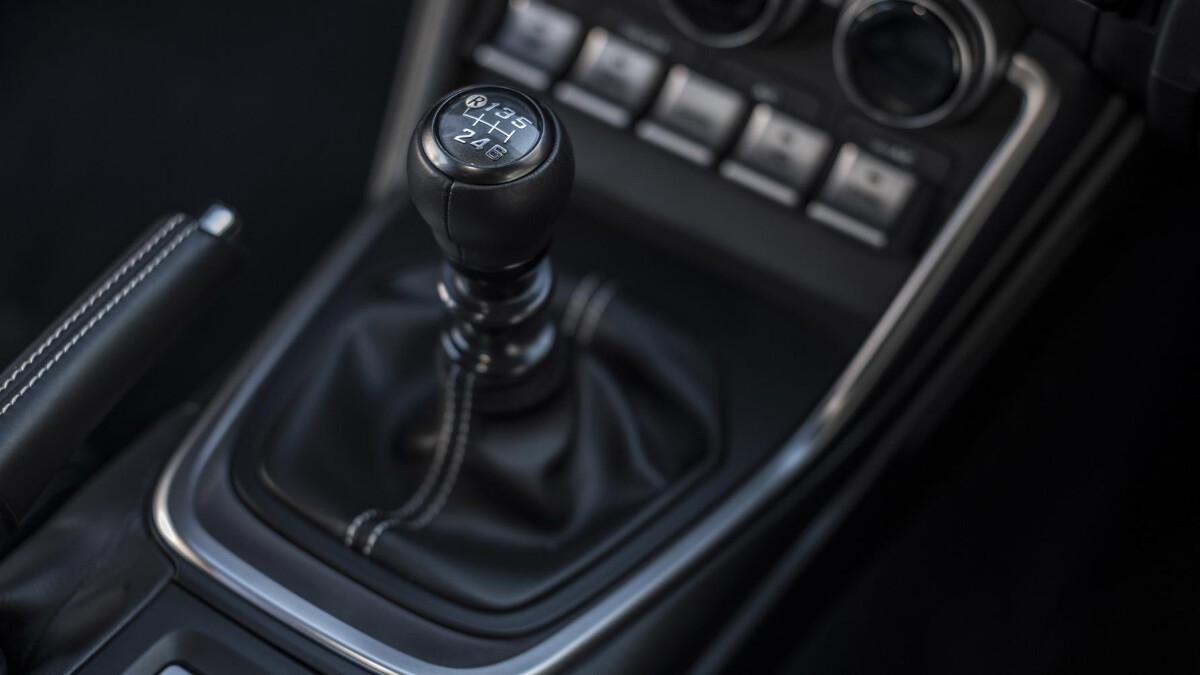
Clamber inside and while there’s a fresher, CarPlay-infused touchscreen in the middle and digital dials ahead of you. The steering wheel and the gear knob are carried over from the old model to give the same general ambience. Toyota may win new customers with this—those unwilling to wait for a GR Yaris, who can secure a rear-driven sports car sooner and cheaper—but it’s clearly prioritized keeping existing customers in their safe space.
Surely all that power makes it different to drive?
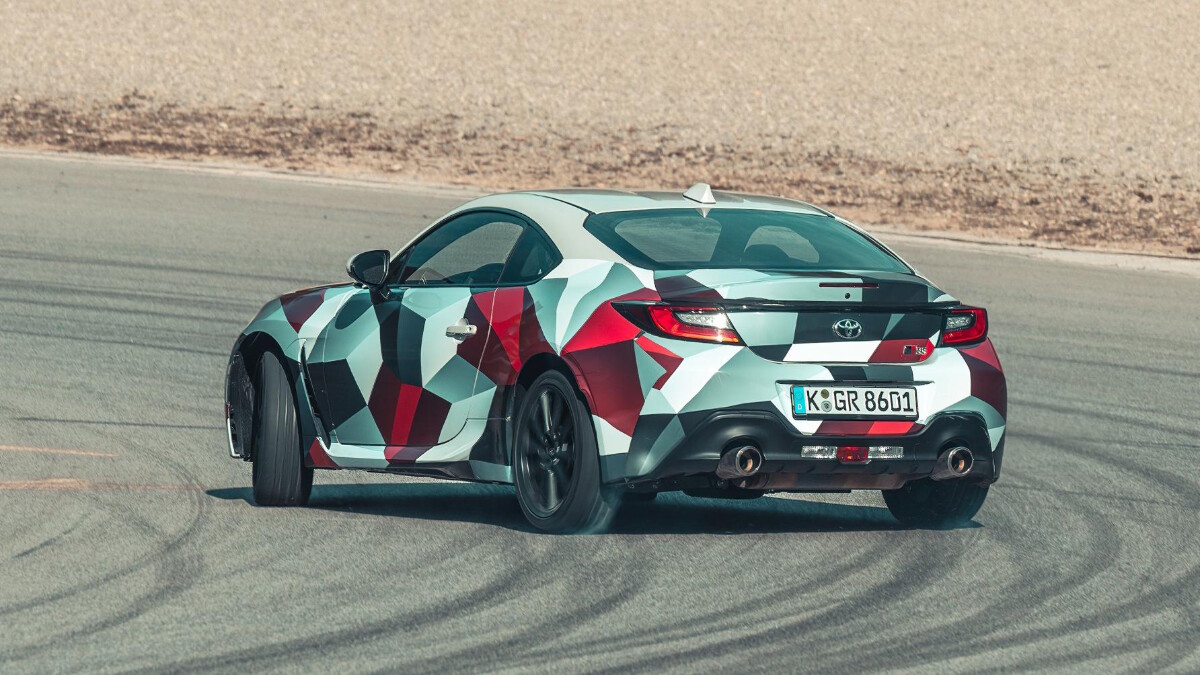
You hear the same boxer blare as you start the engine and pull slowly away, and if you potter around below 3,000rpm, the experience really isn’t a big leap on. But as soon as you cross the threshold from urban to rural roads, opening up the potential to regularly soar past 7,000rpm, things change. So much for the better.
It’s morphed from a reasonably fast car to a genuinely quick car. And one that makes the trend for turbocharging small performance cars look like the lazy option. Develop a nat-asp engine this thoroughly and it’ll provide all the midrange torque you need while building its revs with delicious linearity.
It’s still not a sexy power source destined for a hall of fame—not least because Toyota has piped in augmented sound, which totally jars with the luddite-appeasing mentality—but it fits the car an absolute treat. And the dealer will turn the fake noise off if you ask nicely. If the old 86 had launched with this kind of punch, perhaps we’d see them everywhere.
Describe it in a nutshell.
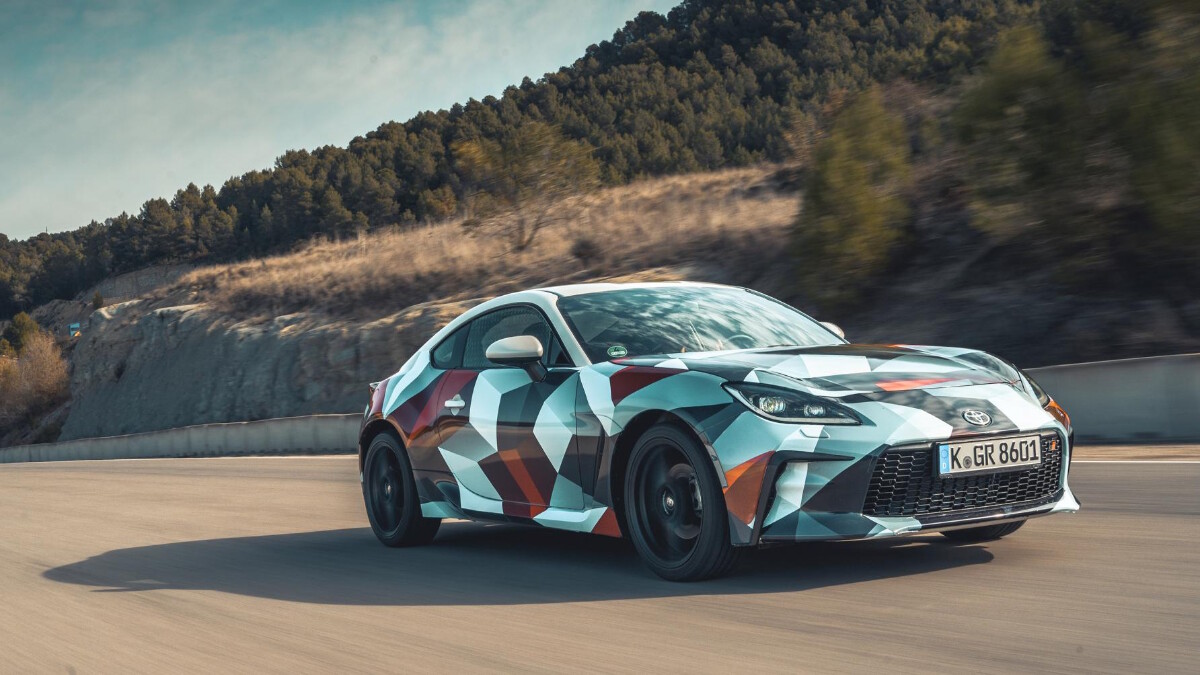
You can leave the 86 in third gear for the entirety of your favorite road, neither bogging down out of tight corners nor screaming along with the pistons bursting out of the hood on the straights. It still loves to rev, and changing down to second brings its own rewards if you’re the sort who enjoys Best Motoring pedal cams, but it’s no longer vital to do so simply to keep a moderately well-driven Meriva at bay.
And handling? Surely that’s Hachi Roku’s USP...
The suspension is basically the same as before, just tuned for that extra dollop of torque. So while the power delivery has transformed, the car’s beautifully linear cornering responses haven’t. It’s tangibly a touch stiffer and more alert than before, but this is no hyper-aggressive track refugee. On smooth Spanish roads, we got a lovely flow going almost immediately, the ride beautifully judged.
You just know the hardware has been pored over with worrying levels of obsession to get this right. You hop in and the car politely follows your requests with zero filter, no clanging quirks or gaps in the powerband to adjust your behavior around. Instead, it’s all about upping your own precision and smoothness to match the car’s.
So it won’t flatter me?
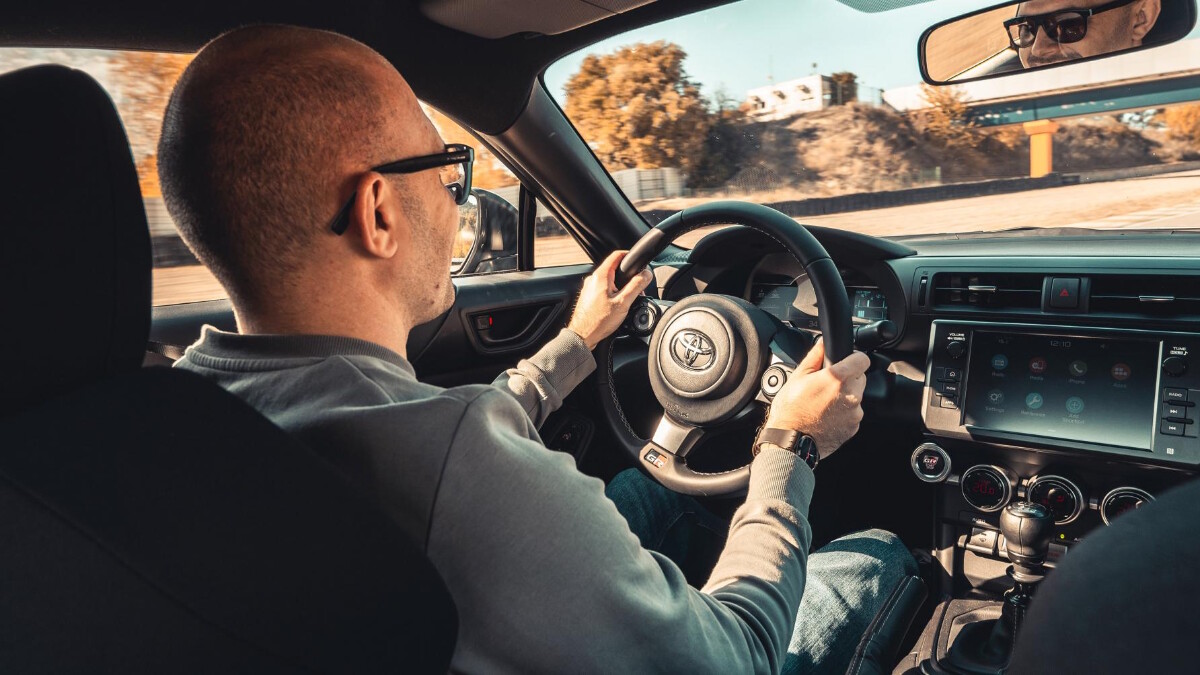
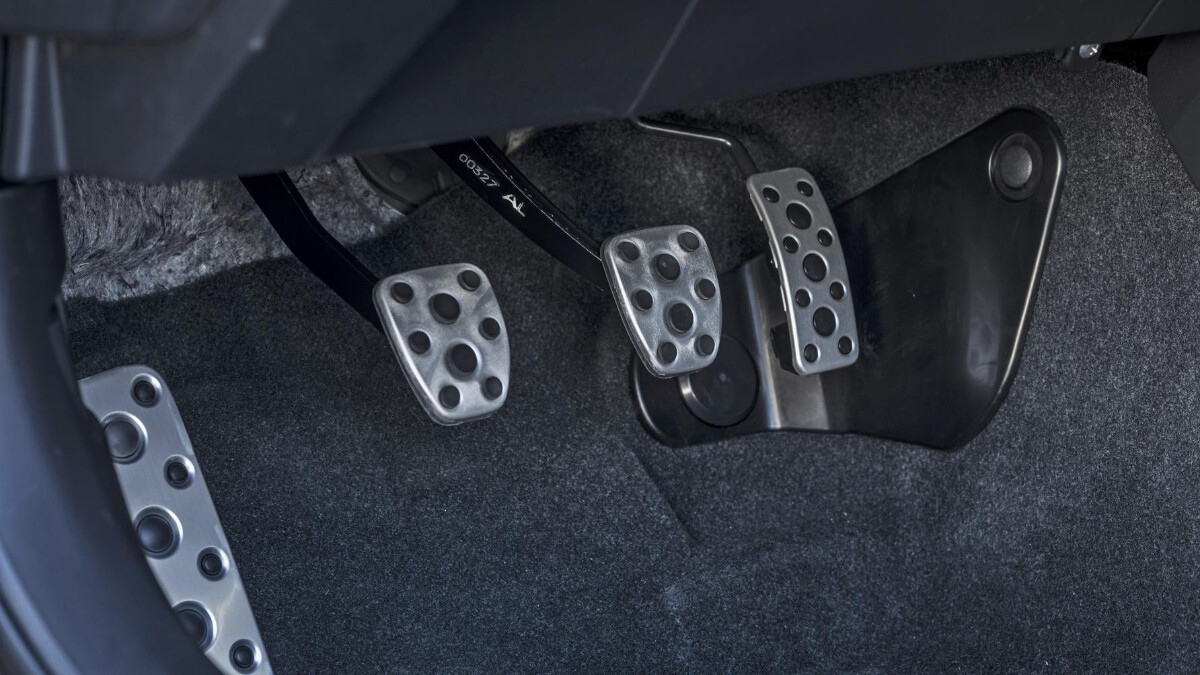
Not like newer-fangled sports cars do. You don’t need to heel-and-toe in here, but the car definitely prefers it, especially if you push it harder on the circuit. Change down to second gear while braking hard into a bend without rev-matching and you might just get a chirrup from the rear wheels as they briefly lock. The 86 wants you to up your game. You’ll willingly oblige.
The whole thing feels unburstably engineered and invites a real flogging on track, its scant weight ensuring the brakes take a long time to even think about going soft. And yes, it’ll drift. Even more keenly than before with such potent torque low down its rev range. The old 86 needed really throwing into a corner to unstick its back axle, at least in the dry. This will start to move under mild load and power, but never catches you unawares.
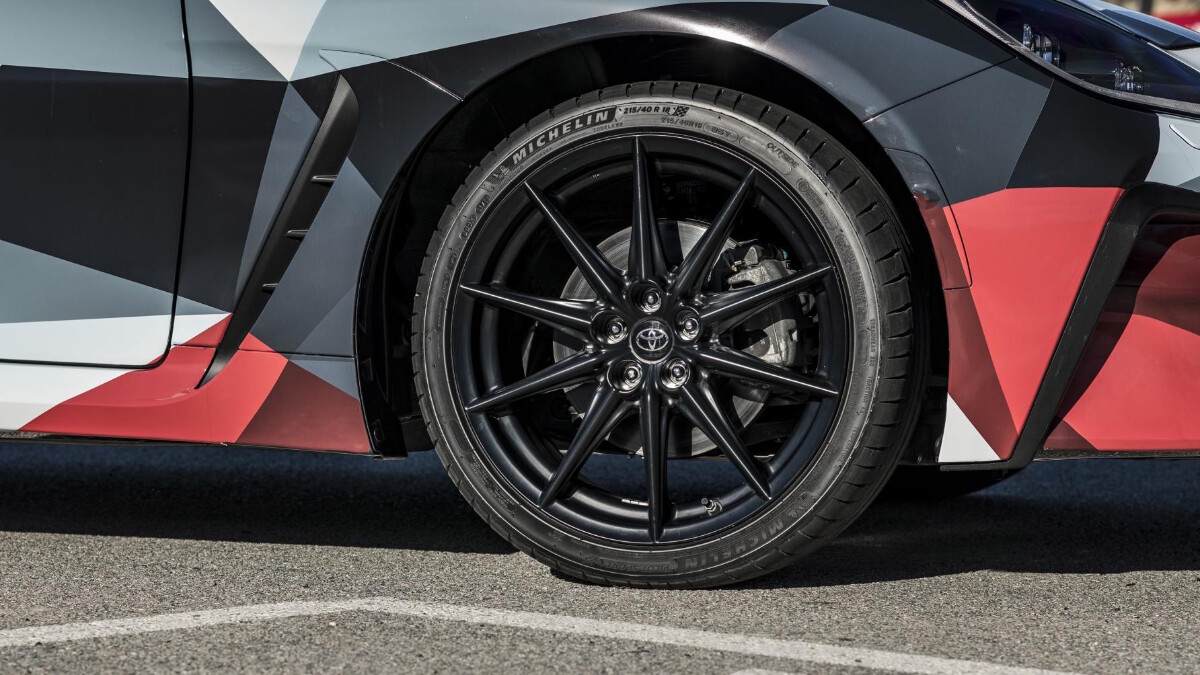
Which brings us, somewhat nerdily, to tires. Toyota plans to offer the 86 in two trims: a base car wearing 17-inch alloys in Michelin Primacy rubber—the eco-tastic base tires infamously tucked beneath its predecessor—and a top-spec car with 18-inch Michelin Pilot Sport 4s and with a fetching ducktail spoiler perched out back.
Which do I want?
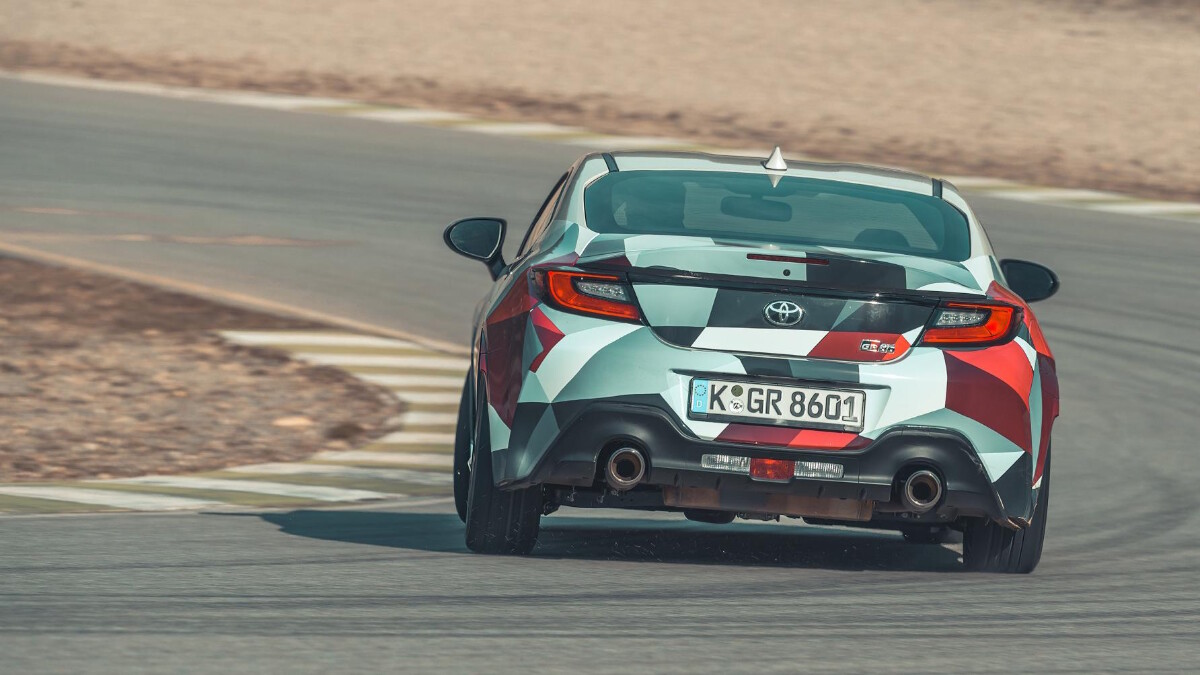
Ducktail and 18-inchers is the only way we’ve driven it, and with such wonderful progression on display, it’s hard to imagine those Primacys feeling anything other than a step down, maybe even outright overwhelmed by the 86’s newfound muscularity. Toyota says the base tire was well-received the first time around, so it’s not messing with the formula, keeping its core customers happy. Perhaps we’ll be pleasantly surprised when (or if) we get to try the base car.
Do you know how the BRZ compares?
Toyota is so confident at how divergent the cars’ characters now are that it’s been offering its Japanese customers back-to-back drives between the 86 and the new BRZ at the Fuji Speedway. Reports suggest the Subaru is more focused more on grip and lap times than flamboyant rear-drive japery.
So if it’s waku-doki you want, the Toyota is the place to find it. And if the GR Yaris waiting list is getting you down, Gazoo’s cheaper alternative has the potential to put an even bigger smile on your face.
NOTE: This article first appeared on TopGear.com. Minor edits have been made.




















