What on earth is going on here?
You know they always say that eventually the robot overlords and AI programs will rise up and take over the world? Well, Toyota might just have found the perfect way to distract them. Drifting.
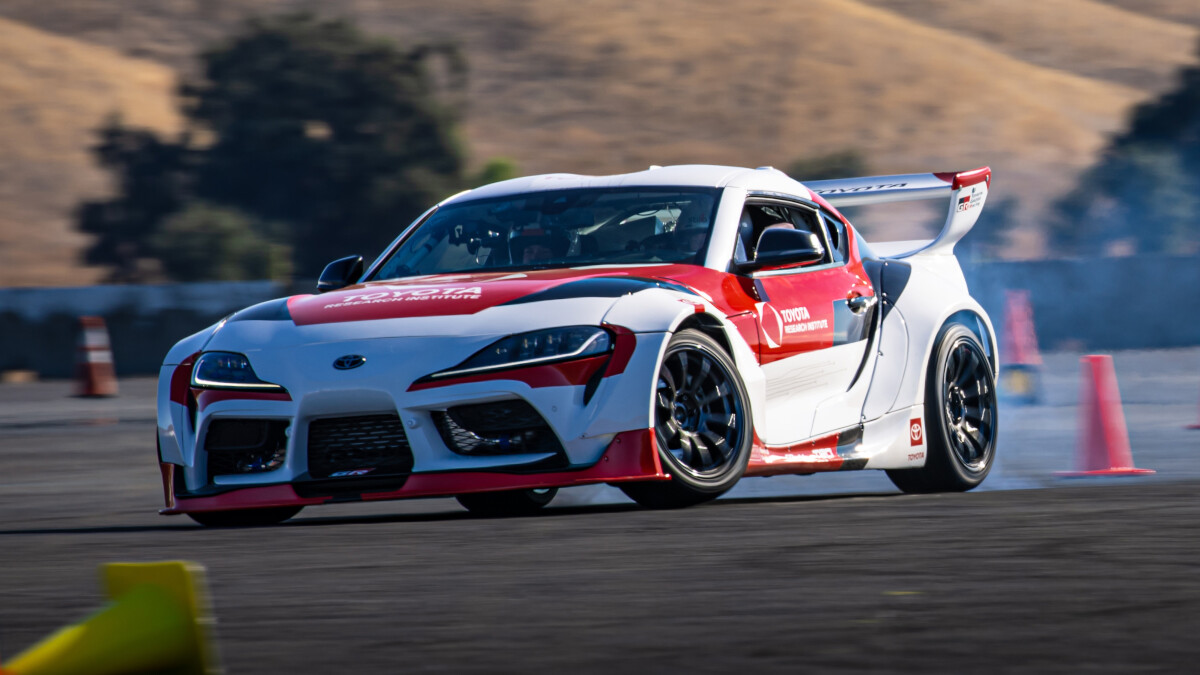
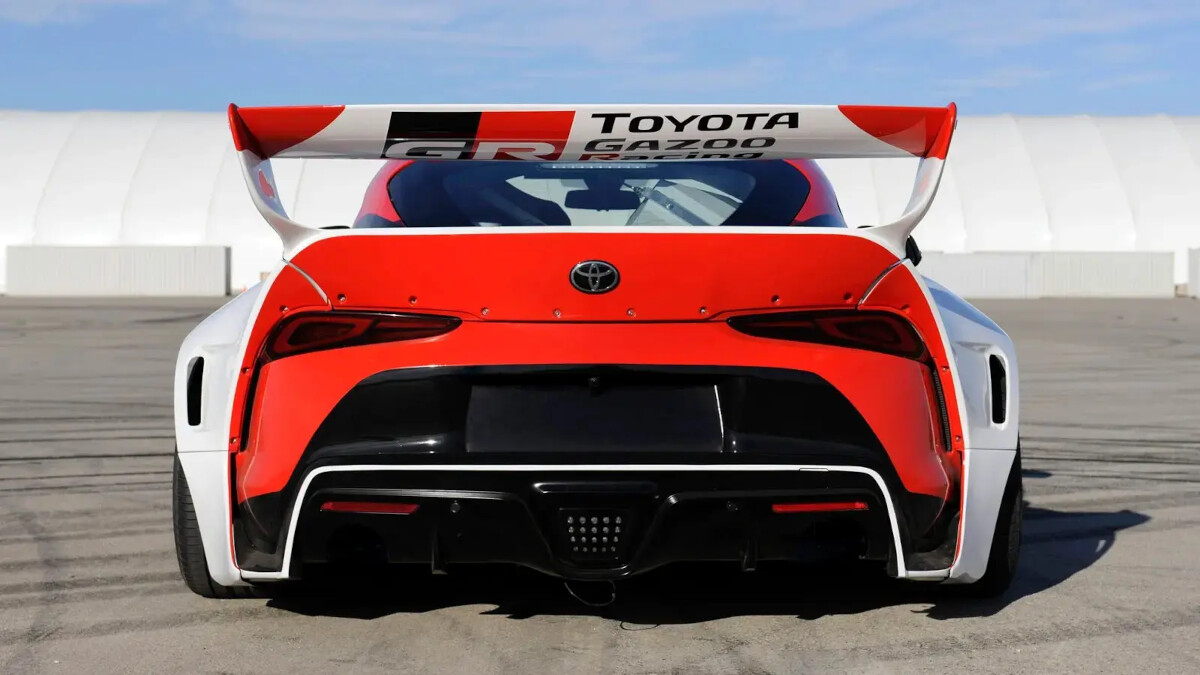
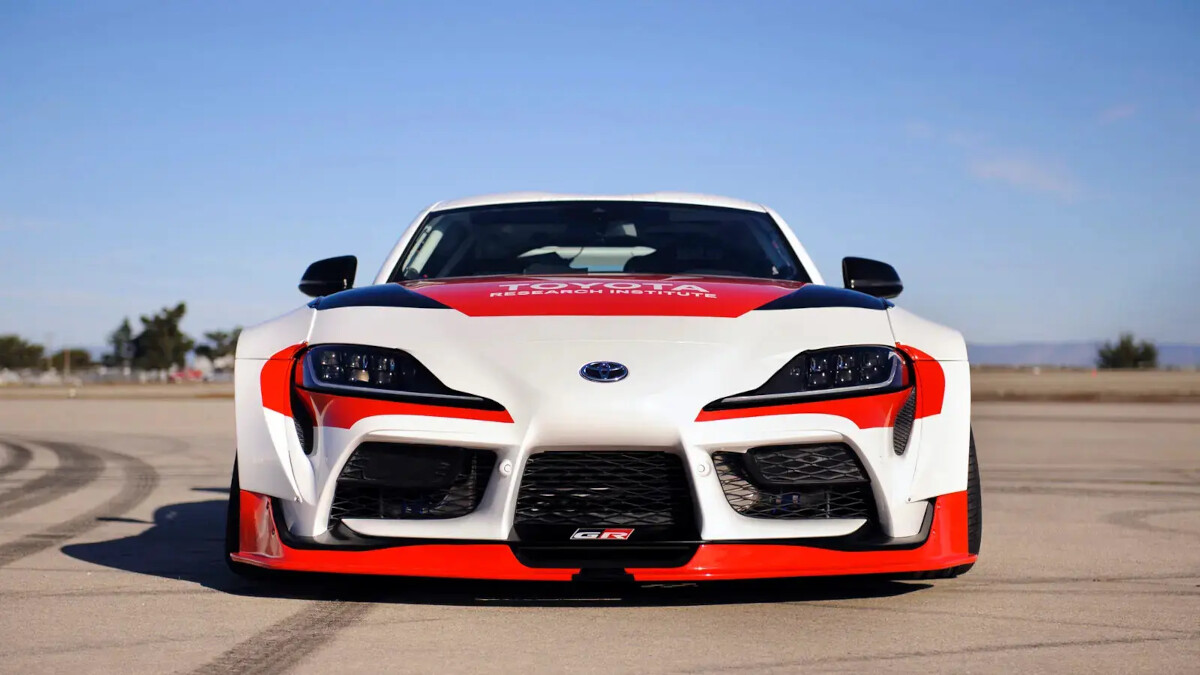
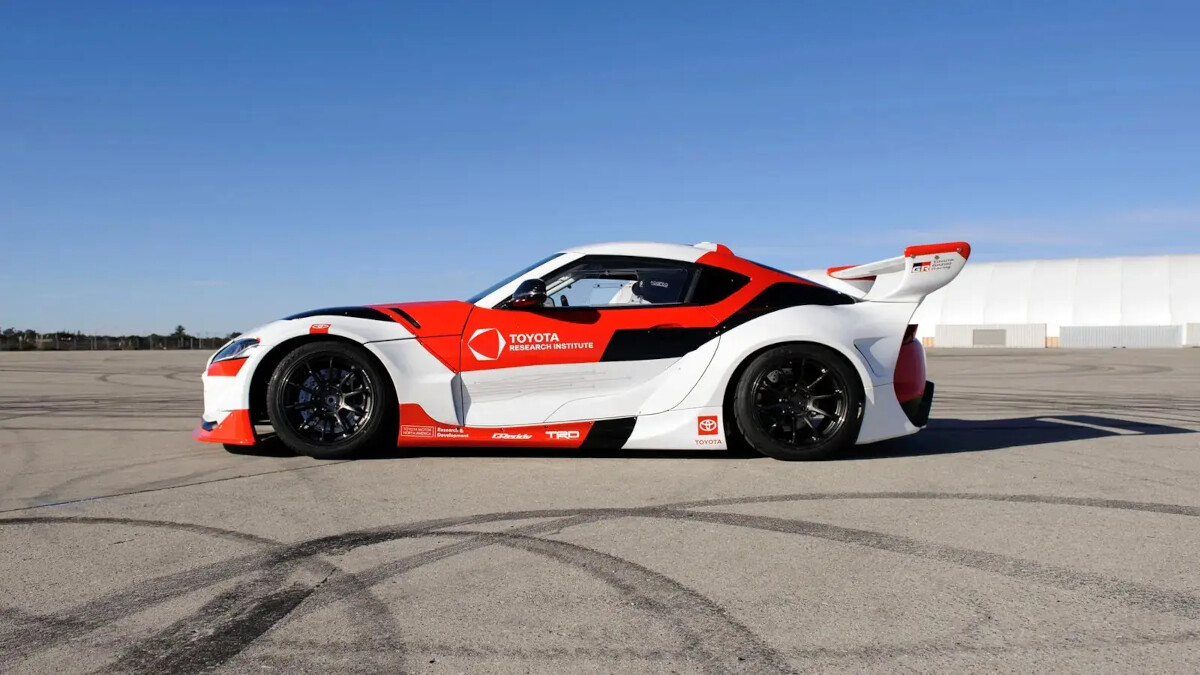
You see, this isn’t just any Toyota Supra. For starters, it’s got a Pandem riveted widebody kit, a giant rear wing, slammed suspension, a full roll cage, and a hydraulic handbrake.
It also has so many engine modifications that the BMW-sourced B58 straight-six is now making around 650hp, so it’s basically a fully-fledged Formula Drift car.
The only difference? It doesn’t actually need a Drift King to drive it…
Wait, it drifts itself?
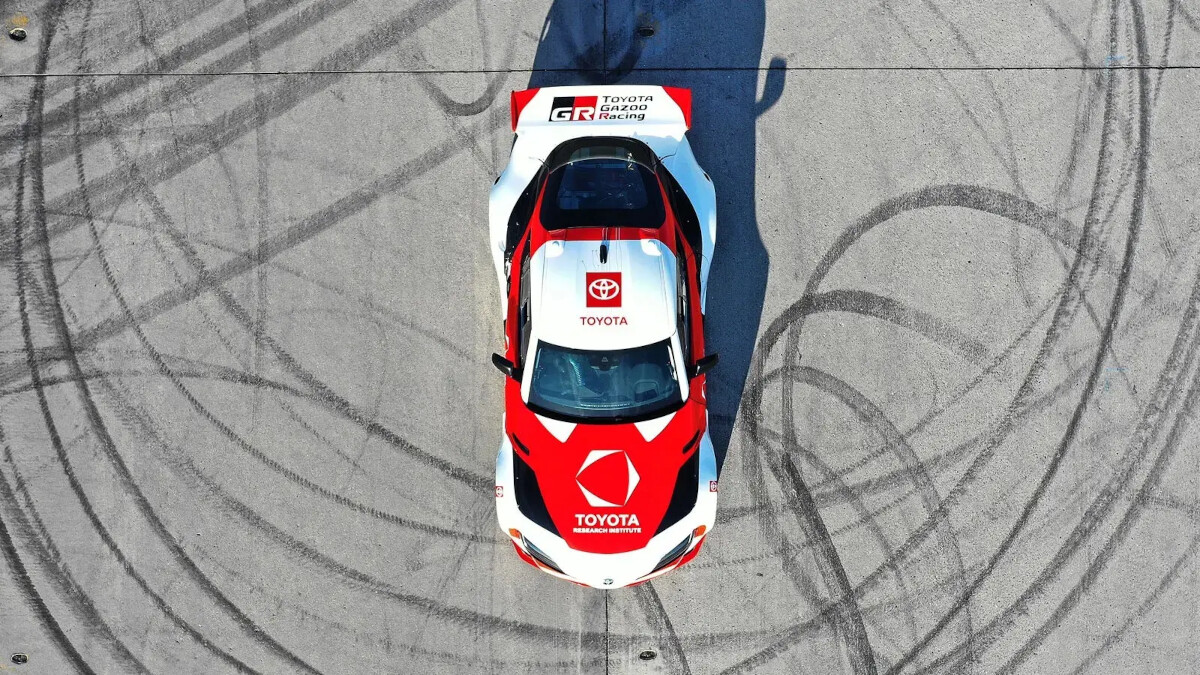
Yep, this is a self-drifting Supra. Built by the Toyota Research Institute (TRI) in conjunction with Stanford University—and with a little bit of help from tuner GReddy and pro drifter Ken Gushi for the sideways stuff—the Supra uses machine learning tech to analyze the driving style of human drifters before creating algorithms that allow it to understand a lack of grip and drift itself.
OTHER STORIES YOU MIGHT HAVE MISSED:
This Toyota Land Cruiser 70 is appropriately called the Black Cruiser
Confirmed: The Ford Bronco IS coming to the Philippines
And you let it do that with you in it?
We are brave, aren’t we? We visited the rather appropriately apocalyptic sounding Thunderhill Raceway in California to be the guinea pigs for this particular experiment, and Toyota’s boffins set up a short figure-of-eight course for the car to take us through. We also had an engineer in the driver’s seat to take control in case the AI went rogue. Spoiler alert—it didn’t and we’re still here. Or is this ChatGPT writing this article?
What was it like?
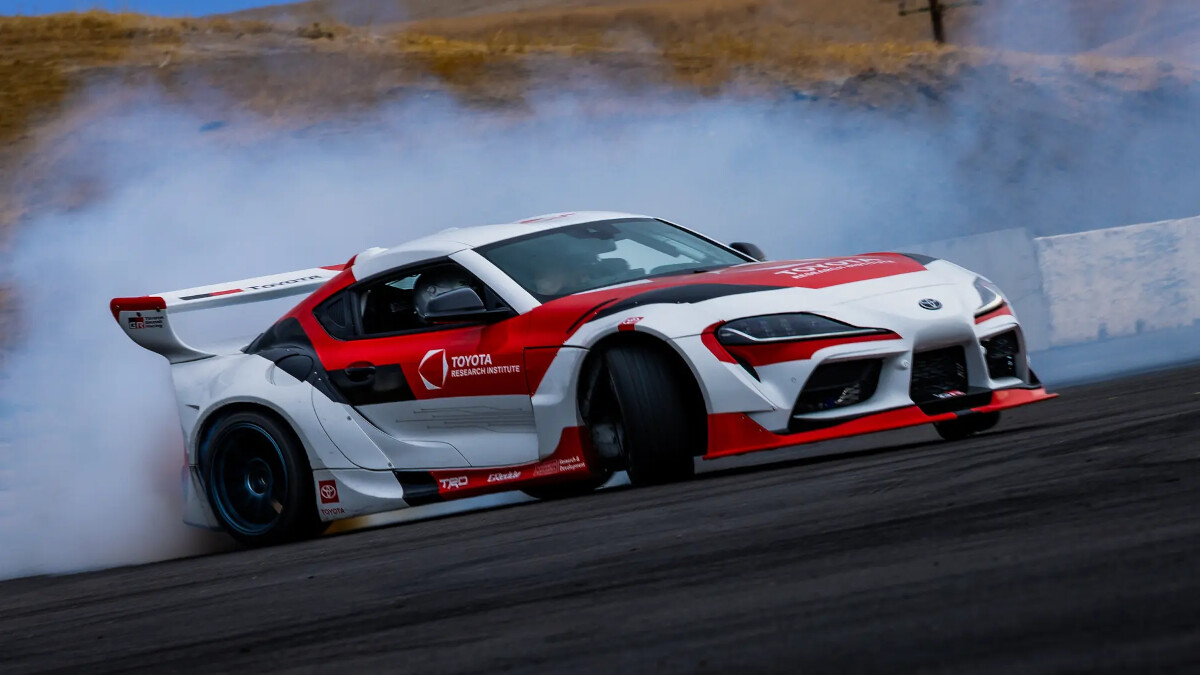
Well, having seen a few runs from the outside, the car’s movements looked a little robotic and—on more than one occasion—it failed to complete a figure of eight, with the Toyota team reckoning that was down to tire temperatures.
When it was time for us to jump inside, though, the AI tech nailed the run. After setting off and shifting into second gear itself, the car recognized where to start the drift and pulled the hydraulic handbrake. It managed to maintain a decent angle and even pulled off the transitions with some clever clutch and throttle control. Didn’t hit a single cone on the skid pan that we were on, either. That path-tracking and understanding of slip clearly working well.
And yes, it is a very strange feeling to be in a car that’s drifting itself. Watching robot opposite lock happen in front of your eyes requires a certain amount of trust, that’s for sure.
Why does a self-drifting Supra need to exist?
Great question. The professors haven’t just built this thing for a laugh. The project stems from a Stanford paper with the very serious sounding title ‘Opening New Dimensions: Vehicle Motion Planning and Control using Brakes while Drifting.’ Oh, and the researchers actually started this project with a modified DeLorean. That was to prove that the computers could drive and control a rear-wheel-drive vehicle, although it probably wasn’t able to slide quite like the Supra.
Anyway, essentially the work is all about safety—the theory being that if a car’s brain knows how to control a drift, then it’ll be better equipped to able to control more extreme emergency situations on the road, for example if it hits a patch of ice or if it has to swerve to avoid something in the road.
So future production cars could do this?
They could have the ability to understand and control a loss of grip, but don’t expect them to start nailing a perfect slide when you want to leave the supermarket carpark with a flourish. TRI’s Human Interactive Driving (HID) team wants to incorporate the algorithms that are created in this study into active safety systems in cars. That means it doesn’t actually want full self-driving—it wants drivers to be in control with autonomous tech there to take over whenever it’s needed. Sounds like something we could get on board with.
We do still quite fancy a go in a Formula Drift-spec Supra ourselves, though. Wonder if anyone will notice if we unplug the laptop…
NOTE: This article first appeared on TopGear.com. Minor edits have been made.