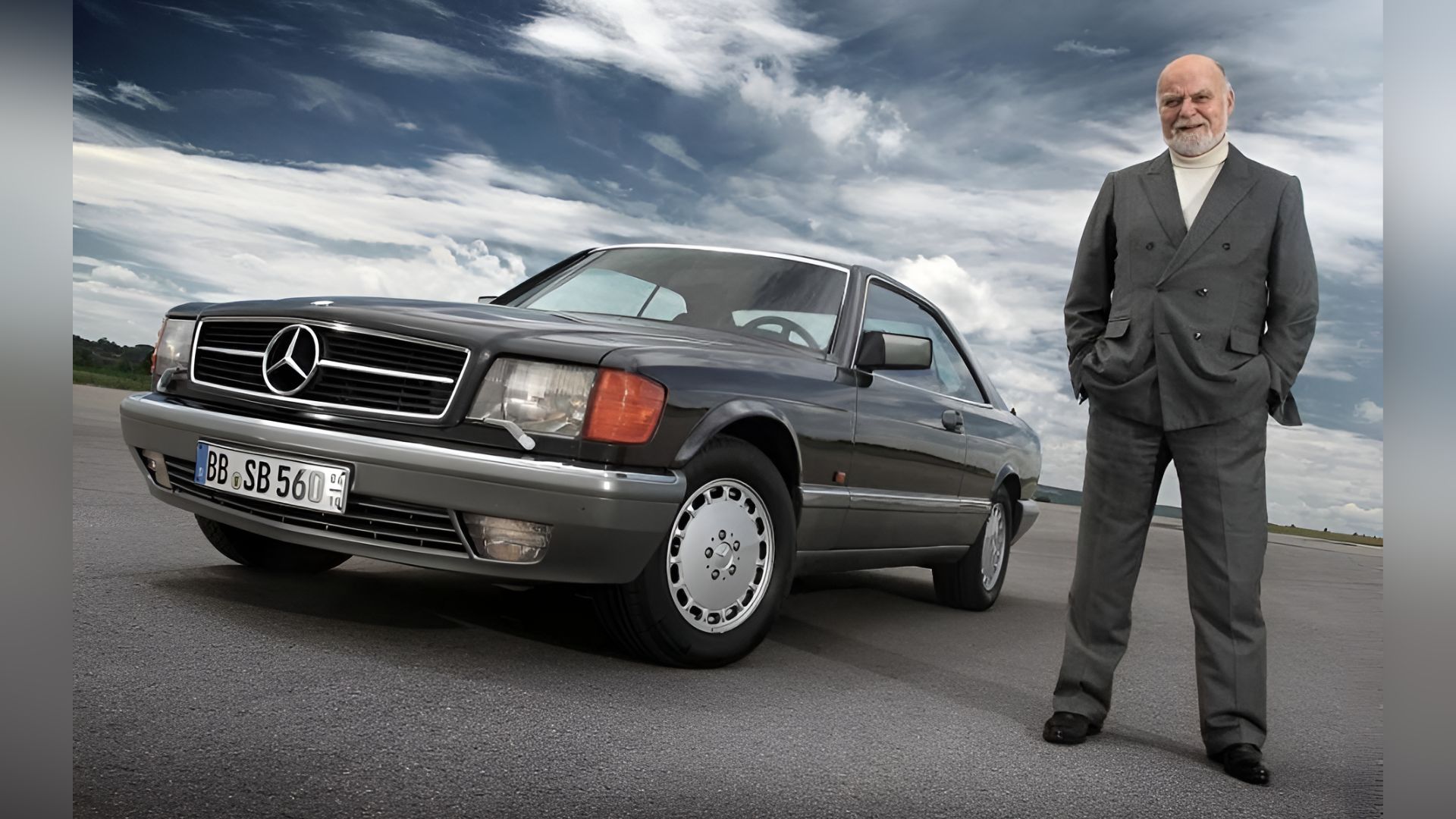

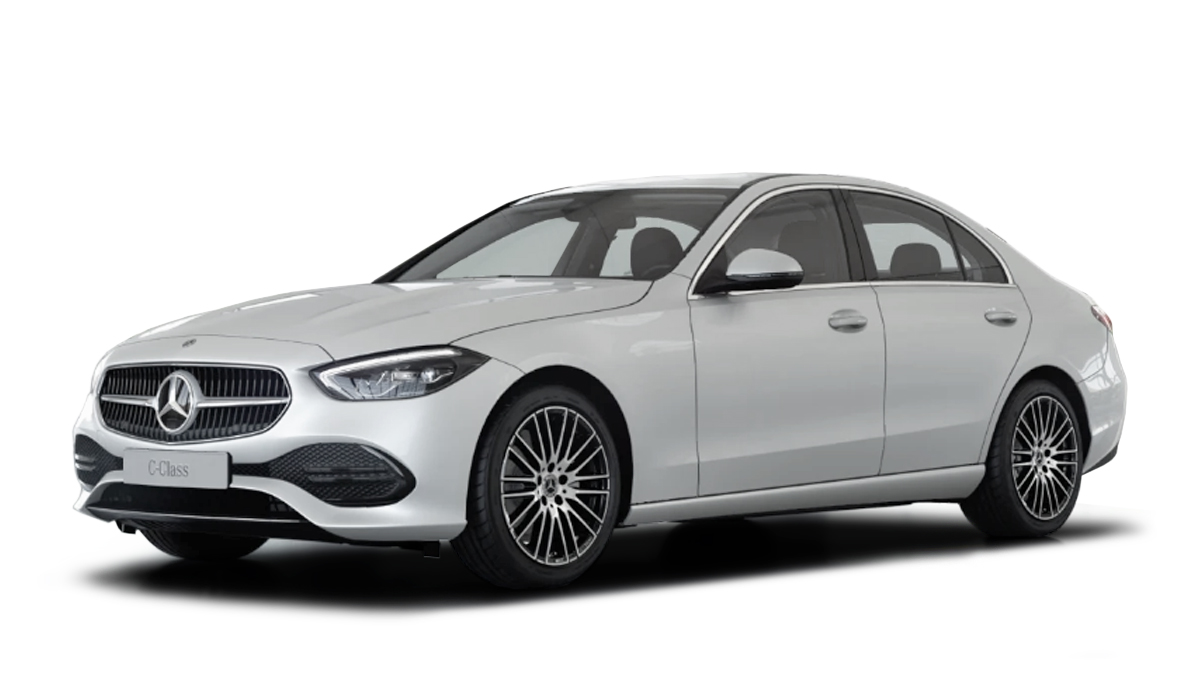
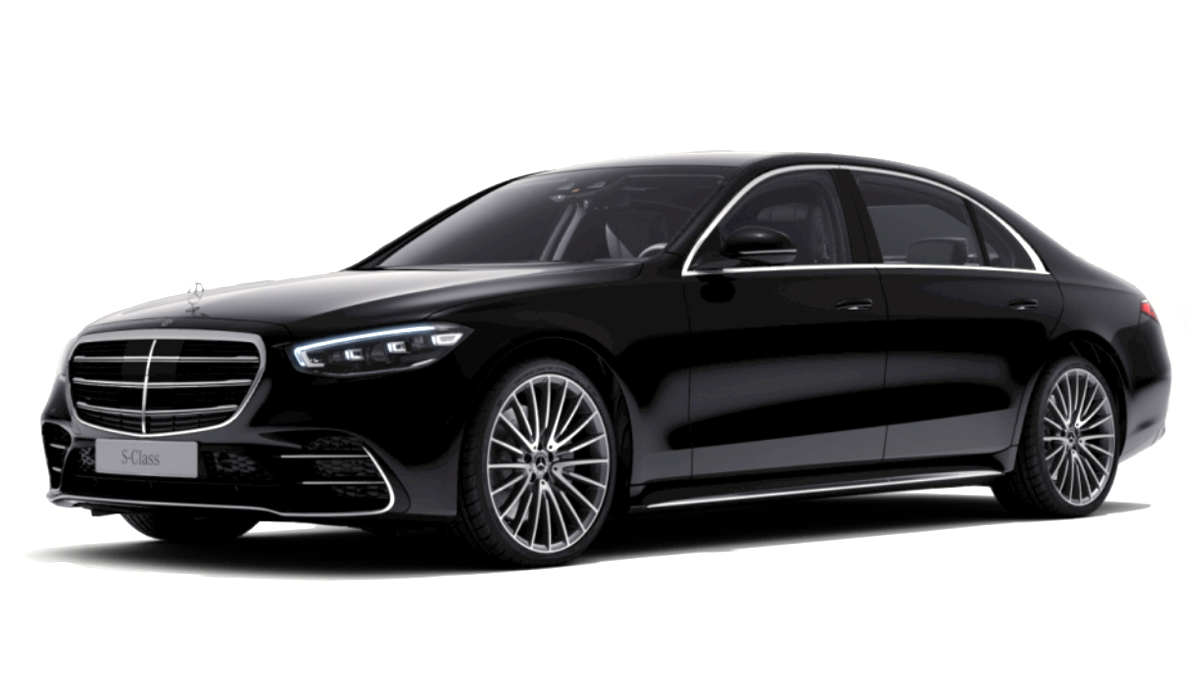
If you’re a Mercedes-Benz enthusiast, you most definitely know the name Bruno Sacco. If not, let’s just say his legacy at Mercedes-Benz was truly something else.
He left an indelible mark on the brand, serving as its design chief from 1975 to 1999 and stuck with the company since 1958. So, if you own (or owned) a Mercedes-Benz model made from ’75 to ’99, it’s Sacco’s design and direction that’s sitting in your driveway.
We bring him up because the legendary designer passed away on September 19, 2024. He was 90 years old.
With that, we take a look back at his early beginnings, the cars he penned, and the icons he created.
OTHER STORIES YOU MIGHT HAVE MISSED:
For its intended market, the P10.7-million Lexus LM is worth every peso
What should you do if your brakes fail?
Back to the start
Bruno Sacco was born in Udine, Italy on November 12, 1933. In his youth, his father was drafted into the Italian army in 1940, became a prisoner of way and held captive in India until the war’s end. During that period, his mother brought him to the maternal side of the family just across the Austrian border.
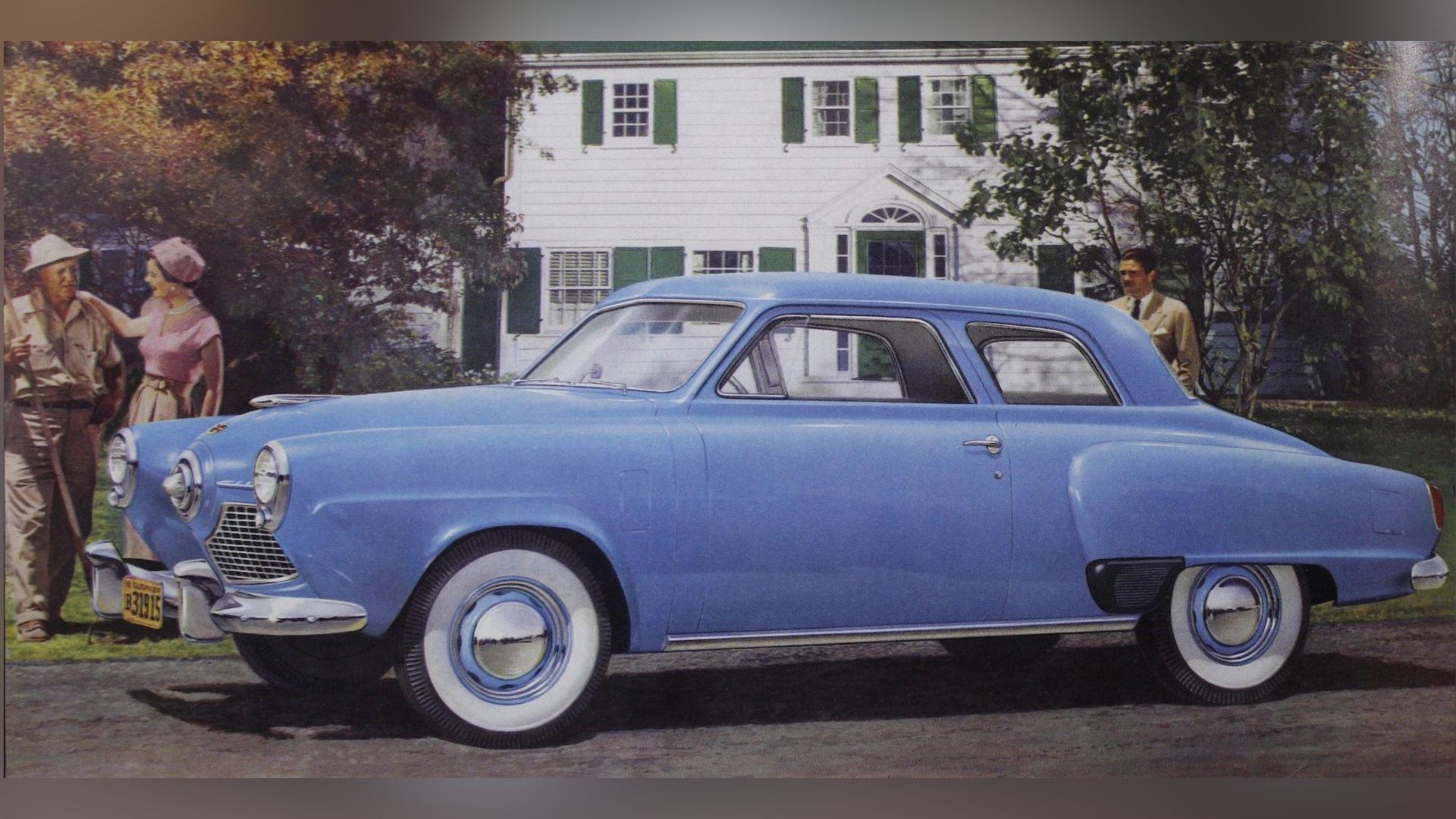
After the chaos that was the Second World War, the family reunited and would soon go to an event that would change Bruno’s life forever. In his teenage years, Sacco and his father went to the 1950 Turin Motor Show. There, he saw a Studebaker Commander and was ‘struck by lightning.’ In his words, he knew his life ‘had been decided.’
In 1952, Sacco studied mechanical engineering at the Polytechnic University of Turin. Afterwards, he worked at Italian coach builders Pininfarina and Ghia. He then moved to Germany with his young family in 1958, was snapped up by Mercedes-Benz, and the rest is history.
Early work at Mercedes-Benz
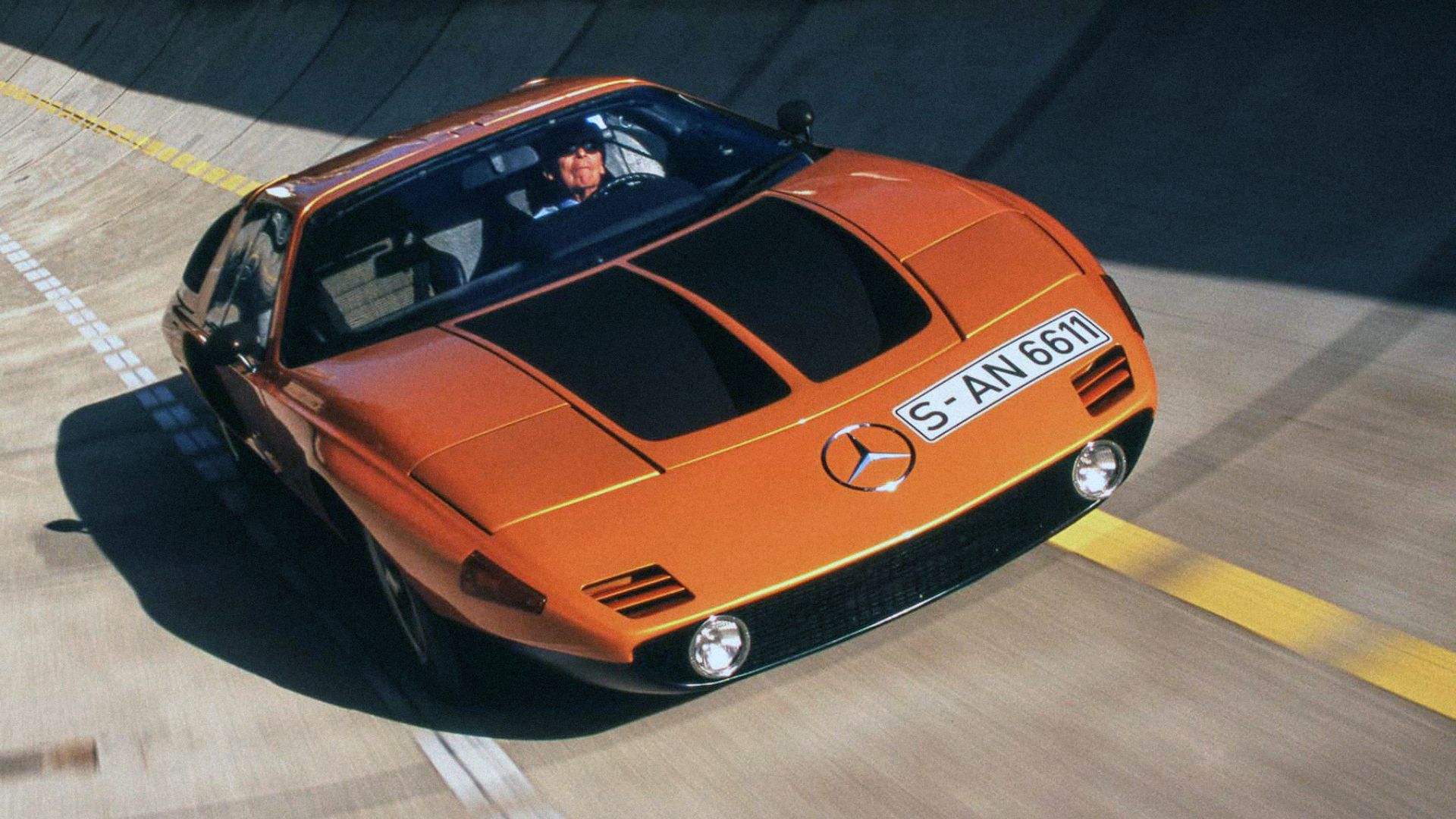
Of course, he didn’t become the company’s design chief overnight. He first worked as a stylist and made inputs to models such as the ‘Pagoda’ 230SL (also known as the Mr. Slim here) and the 600. Eventually, he was chosen as project manager of the experimental C111 sports car towards the late-’60s.
He was promoted to head the Body and Dimensional design in 1970. Under the tutelage of Friedrich Geiger, Mercedes-Benz’s design chief from 1950 to 1973, Sacco honed his craft. He was in good hands, too, as Geiger was responsible for the 300SL ‘Gullwing.’ Sacco later succeeded his boss in 1975 to become the brand’s head of design. From there, he was tasked to give Mercedes-Benz models a more modern look.
Design supremo
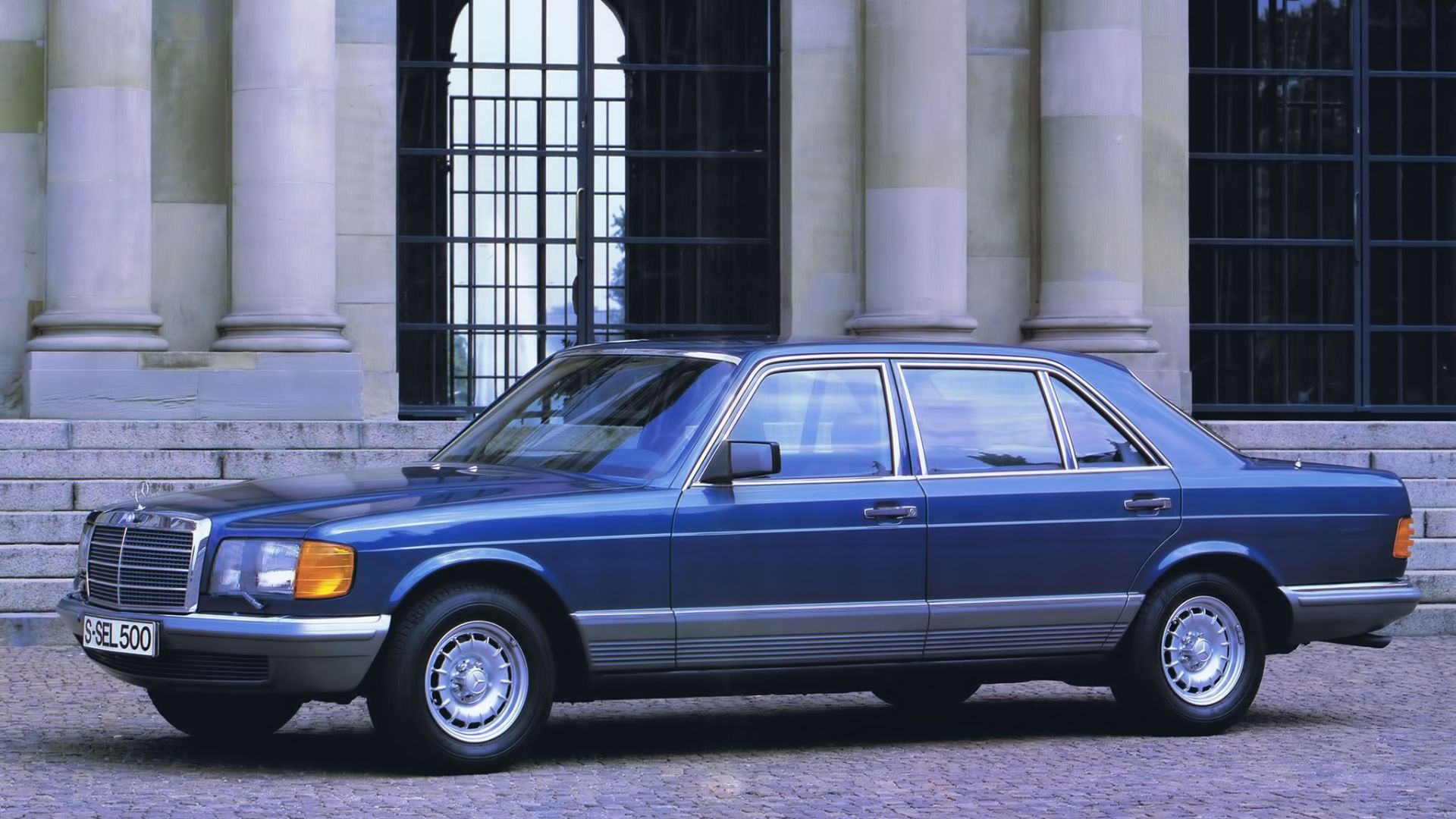
Sacco had a tall order ahead of him. He had to make Mercedes-Benz vehicles look more modern and contemporary, all while not alienating its established clientele. Adding that extra challenge was the company’s goal to achieve greater fuel efficiency following the successive oil crises of the ‘70s.
But those challenges would work to Sacco’s advantage. He was, after all, a mechanical engineer by profession. One of his first endeavors was the second-generation S-Class. Launched in 1979, it known internally as the W126 (sedan), V126 (long-wheelbase sedan), and C126 (coupe). Sacco’s efforts to streamline the large luxury car can be seen here.
However, a far more radical project was to come.
Into the ‘80s
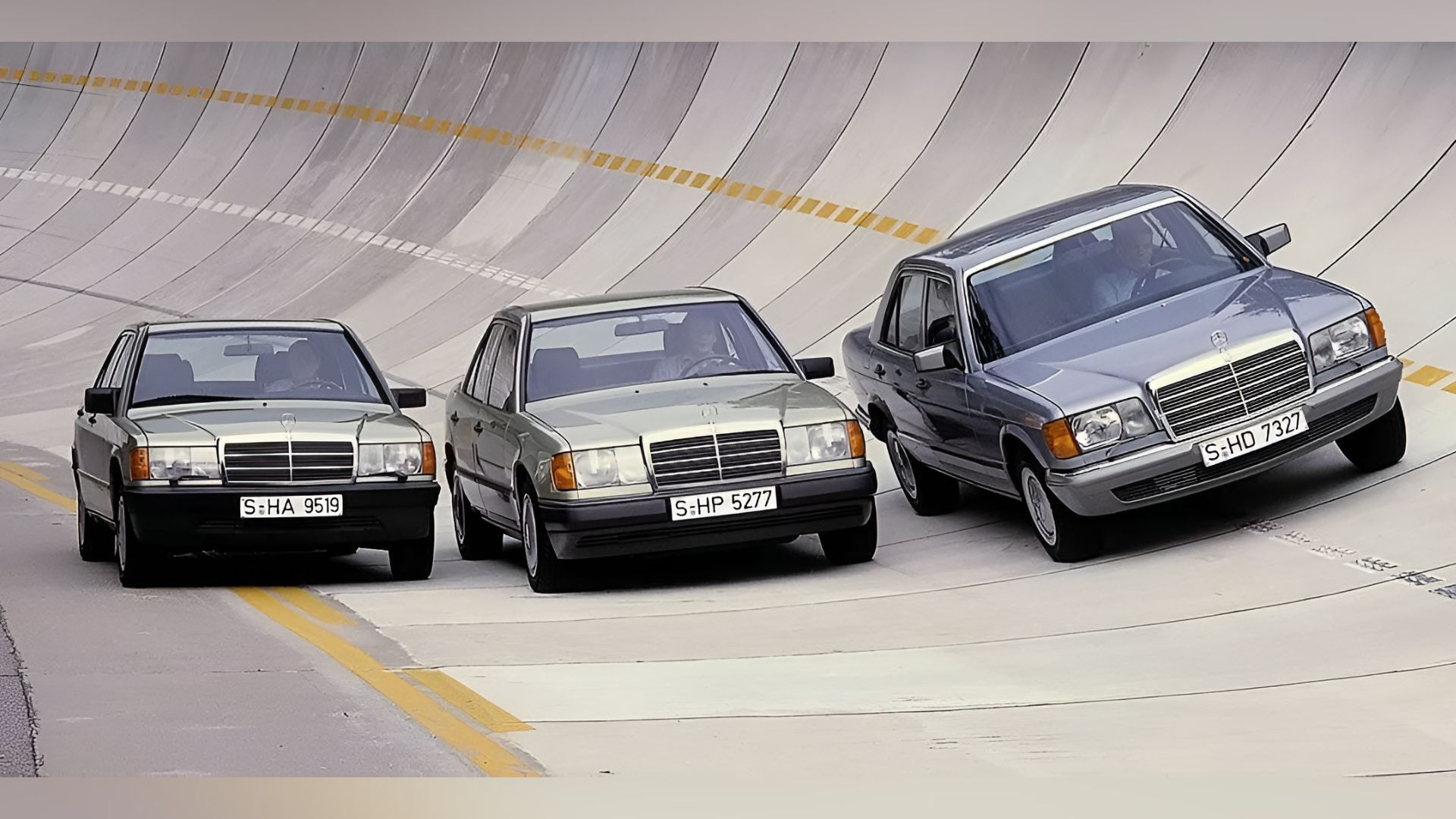
While a compact Mercedes is commonplace now, it was nearly unthinkable over 40 years ago. There were fears that it would dilute the brand’s image, which is why the company poured over two billion Deutsche Marks to ensure that it still looked and felt like a true Mercedes-Benz.
Sacco then applied his mechanical engineering wits into the design of the this model, making it sleeker and more aerodynamic than his first project as design chief. The end product was a subcompact car that was like no other Mercedes-Benz before it. It was the 190, also known as the W201. The development and design gamble paid off, too, with over 1.8 million produced.
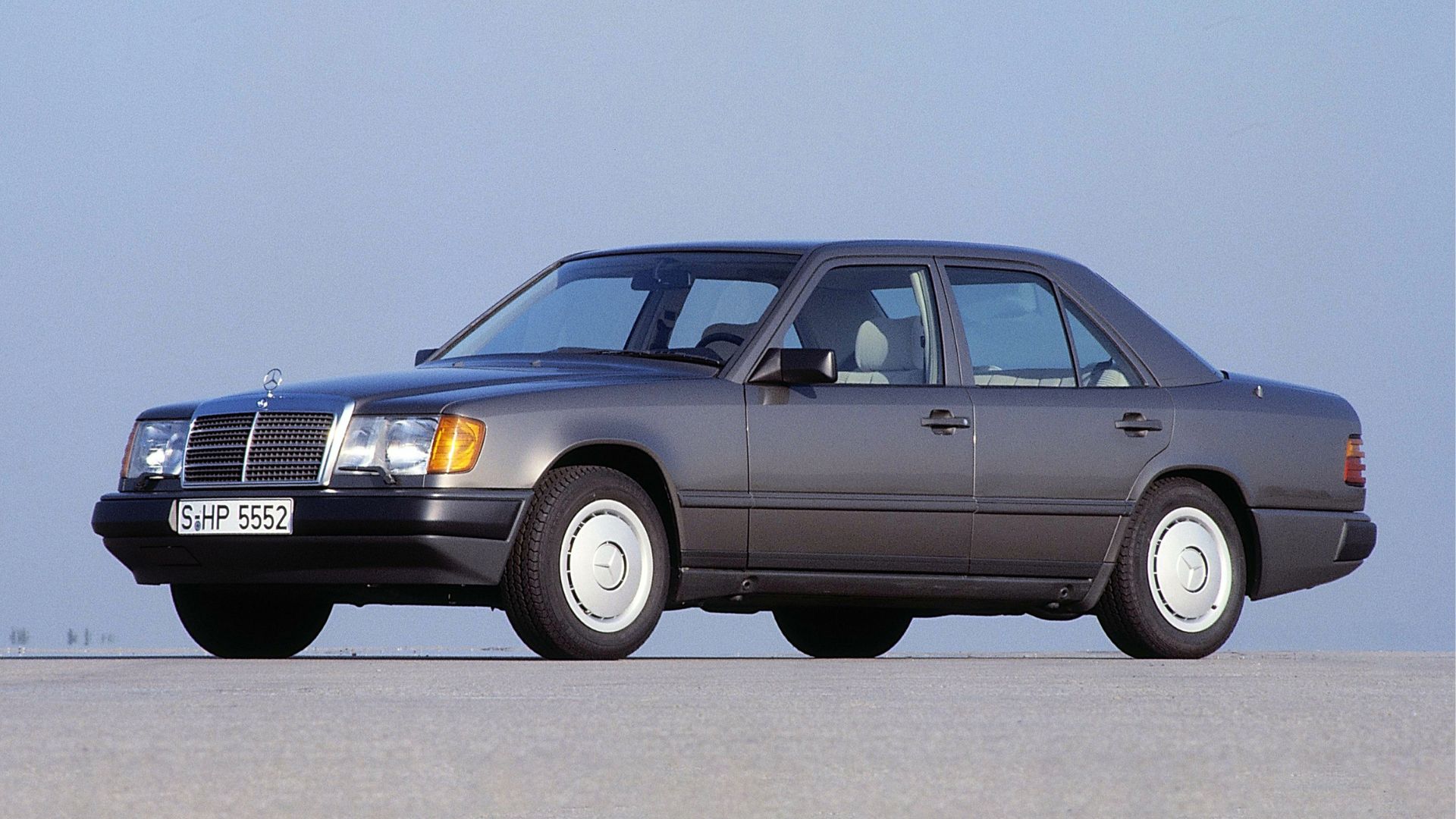
With the S-Class and 190, Sacco had successfully established the new family look for Mercedes-Benz. So when it came time to redesign the E-Class, the man took all the lessons from the last two cars and applied it to that model. It had a rakish (for the ‘80s) front and a tapered rear for better aerodynamic efficiency, and Sacco executed it in a way that combined Teutonic engineering and Italian flair.
The result was the W124 E-Class, and it still remains one of the most recognizable models in Mercedes-Benz's history. Over 2.5 million were made with a variety of body styles offered, from sedan and wagon to coupe and convertible.
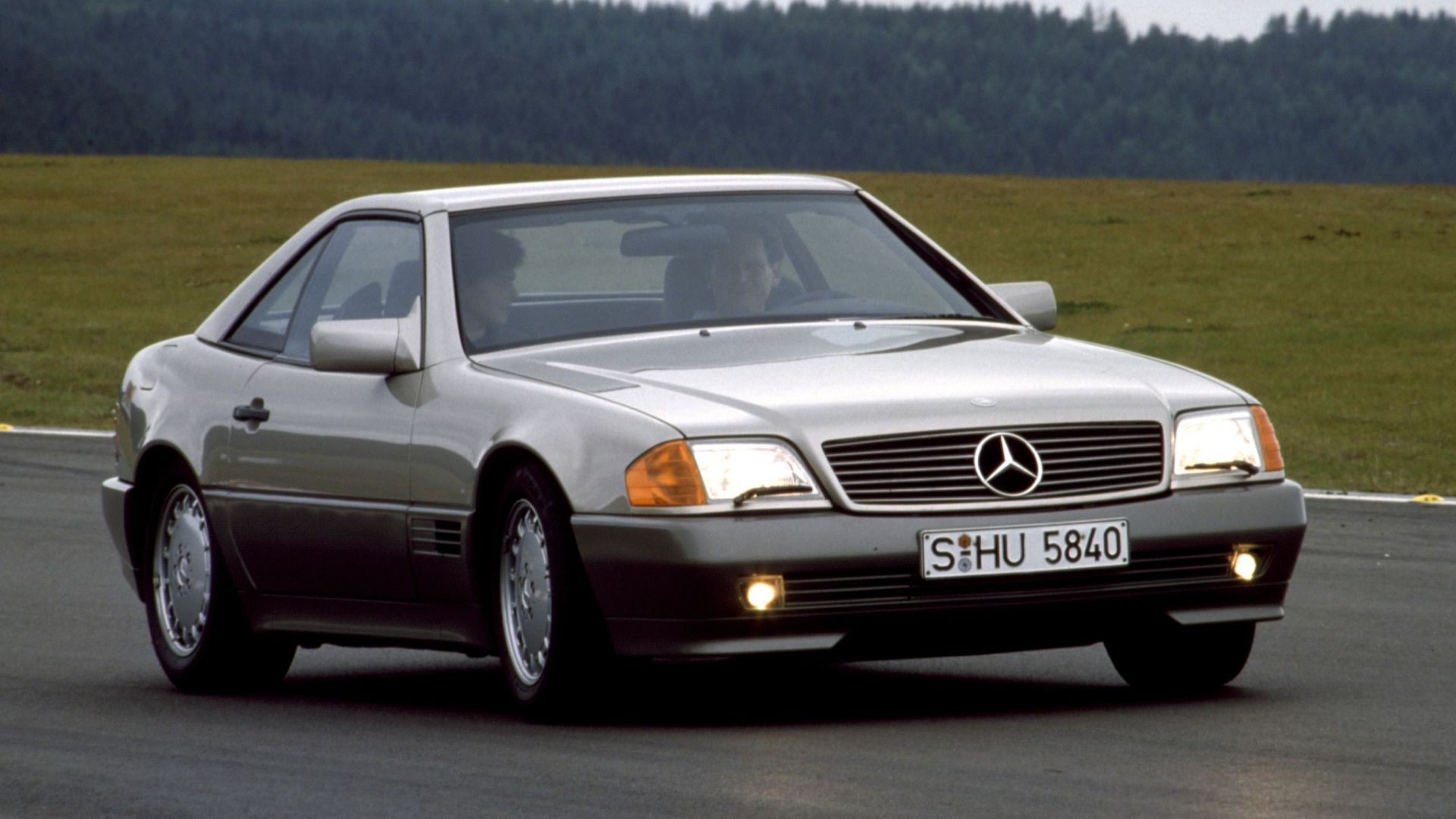
Sacco had one final act for the ‘80s, and that was totally overhauling the SL. Perhaps the challenge in redesigning this model was the fact that it was a roadster. Applying a corporate look on something that’s supposed to be a grand tourer is a tough ask and end up looking bland and derivative. But you know what, Sacco nailed that too with the release of the R129 SL in 1988.
The ‘90s and retirement
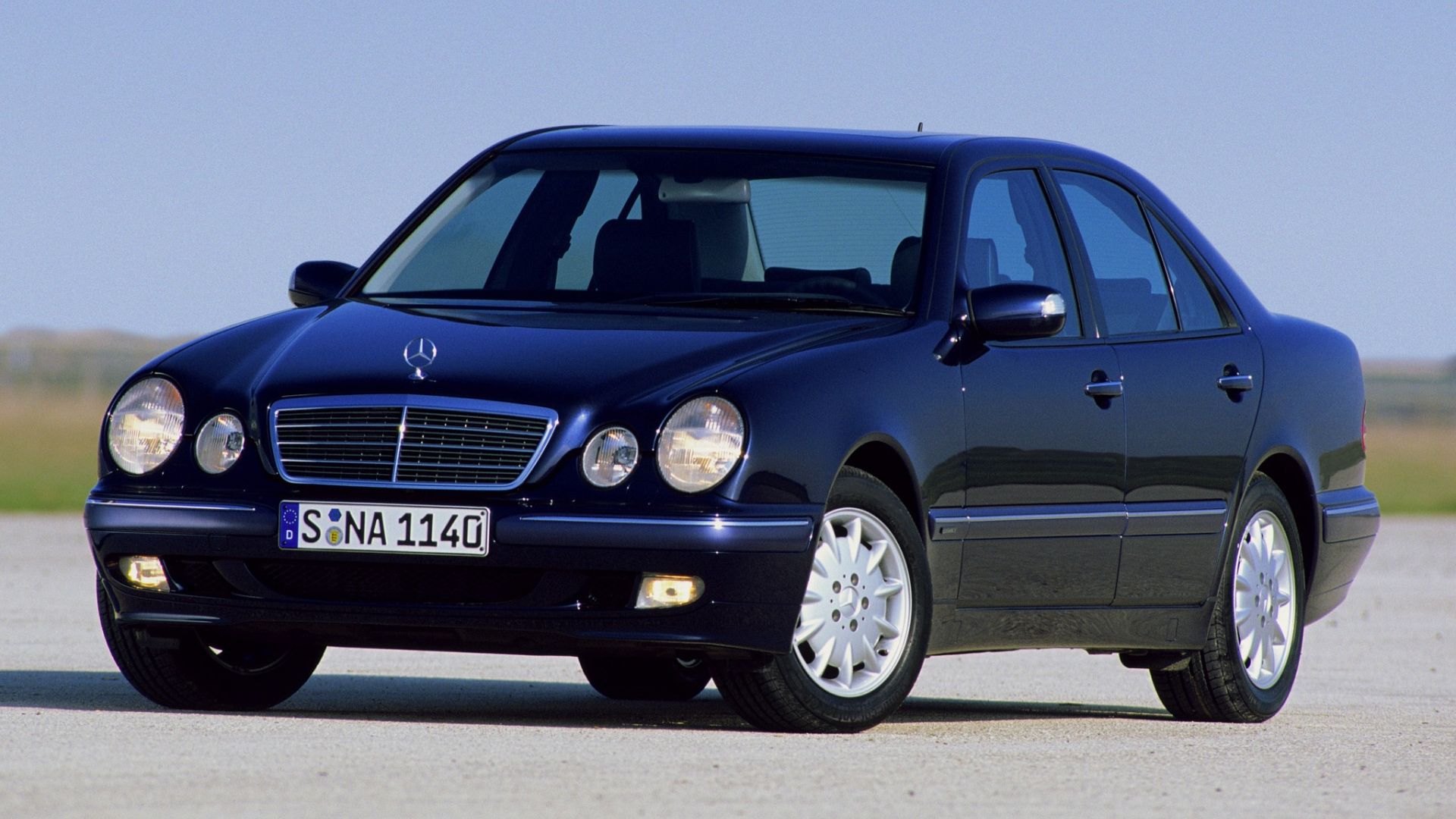
A new decade meant a new look for the entire Mercedes-Benz lineup. Sacco was still calling the shots in the design department and brought the core models to a new era.
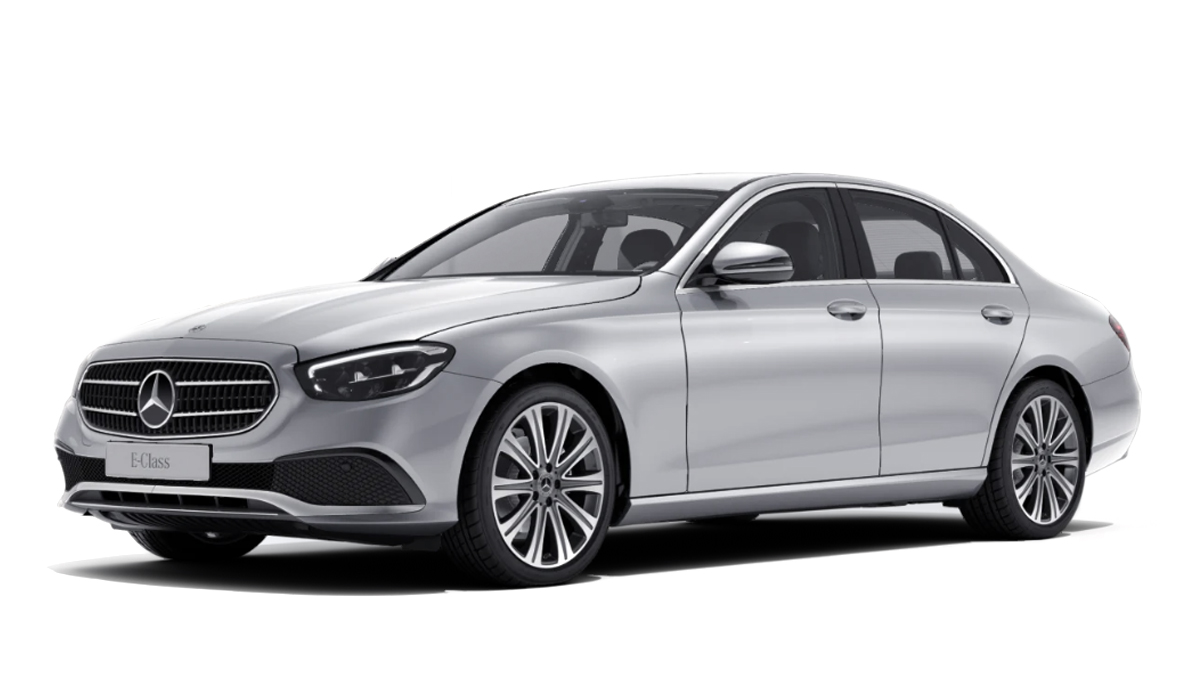
There was the W140 S-Class and W202 C-Class, the latter being the successor of the 190. Sacco’s team then went for a different approach for the all-new E-Class (W210) for the ‘90s with the now iconic ‘four eye’ look, something that was still applied to the model line until 2013.
Following that, there was the first-ever CLK, and SLK, broadening the brand’s appeal. He also oversaw the final production design of the ML, which in turn was based on a concept penned by a Filipino designer by the name of Benjamin Dimson.
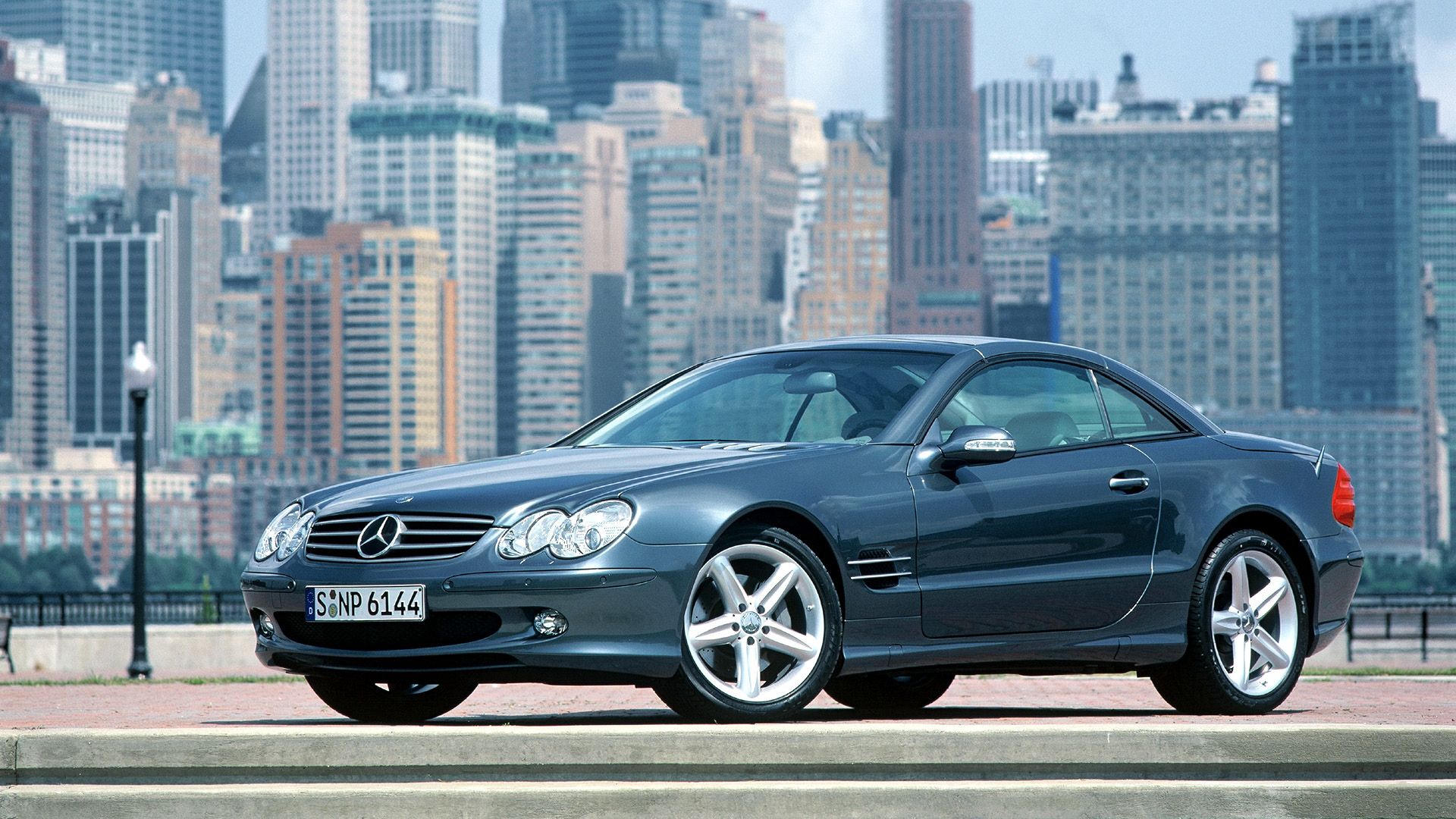
By the late-‘90s, however, Sacco was approaching retirement age. Still, he didn’t slow down and sought to ensure Mercedes-Benz’s design would translate well into the new millennium. Among the last cars he penned for Mercedes-Benz were the fourth-generation S-Class and the second-generation C-Class.
His final design for the brand would be the fifth-generation SL or the R230. After that, Sacco finished his tenure as Mercedes-Benz design chief in 1999, a position he held for a staggering 24 years. His retirement also wrapped up a 41-year career of designing cars for the company.
Sacco’s personal favorites…and least liked car
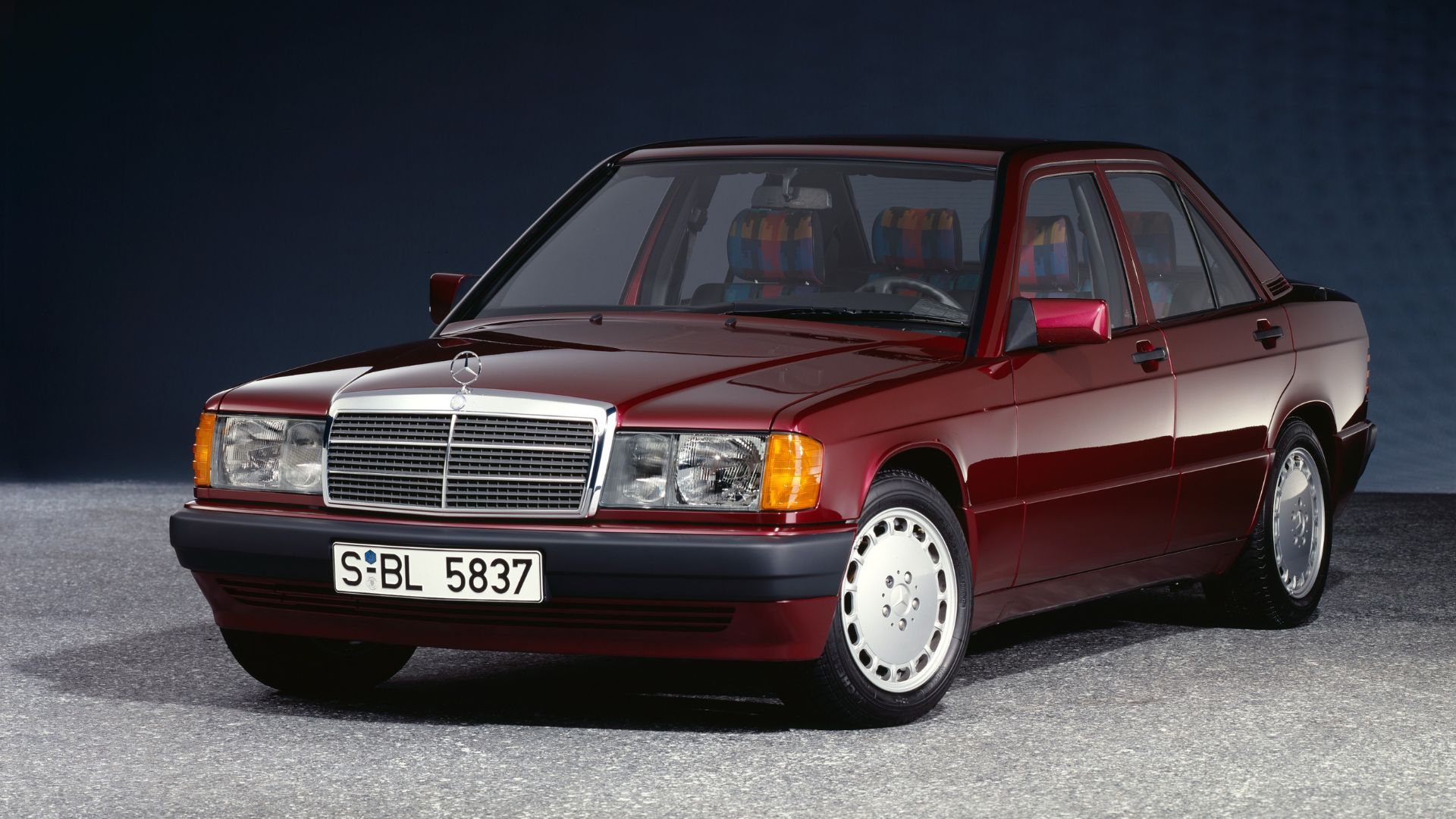
Time and again, Sacco has pointed out that one of his favorite designs is the 190 (W201). It wasn’t because of the look of the car per se, but rather, its significance to Mercedes-Benz. Without the 190, the idea of a ‘Baby Benz’ might not have flourished, and the German automaker would look very different today if it weren’t for that model.
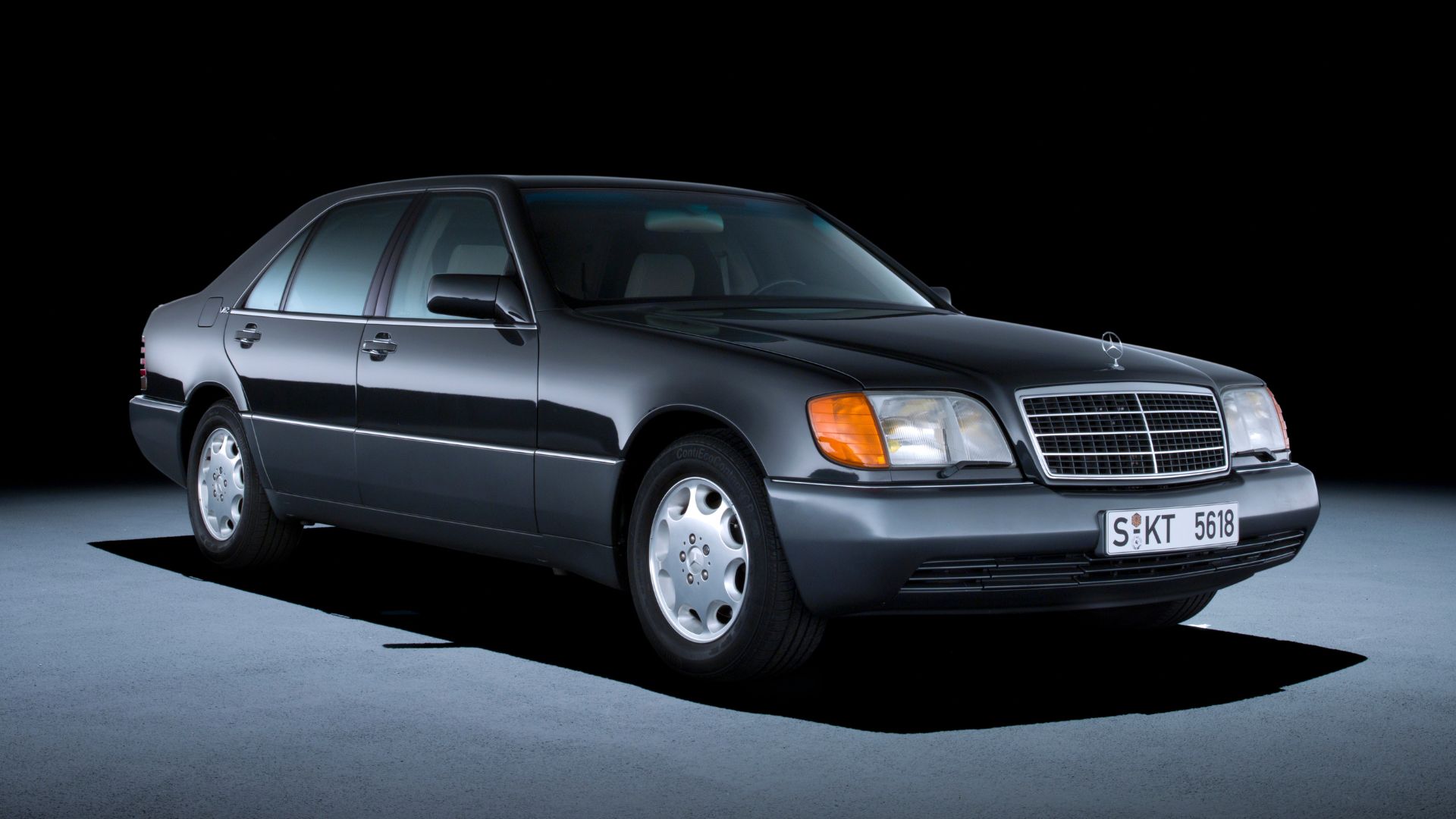
At the opposite end of the scale, Sacco has mentioned that his least favorite is the third-generation S-Class (W140). His reason for not liking it? In an interview with Automobile Magazine from 2009, he simply said, ‘because it is four inches too tall.’ Now we’re genuinely curious what it would’ve looked like had this model been done Sacco’s way.
As for his personal favorite, his answer was the C126 S-Class Coupe from 1981 to 1991. So much so that it was actually his personal car for decades, although it is unknown if he still kept it before his passing. But even then, he admits that it isn’t perfect. He didn’t like the large, plastic door-handle surrounds which he considered a ‘design flaw.’
It’s not often a designer is that blunt and upfront with what they made, but that’s Bruno Sacco for you.
Philosophy
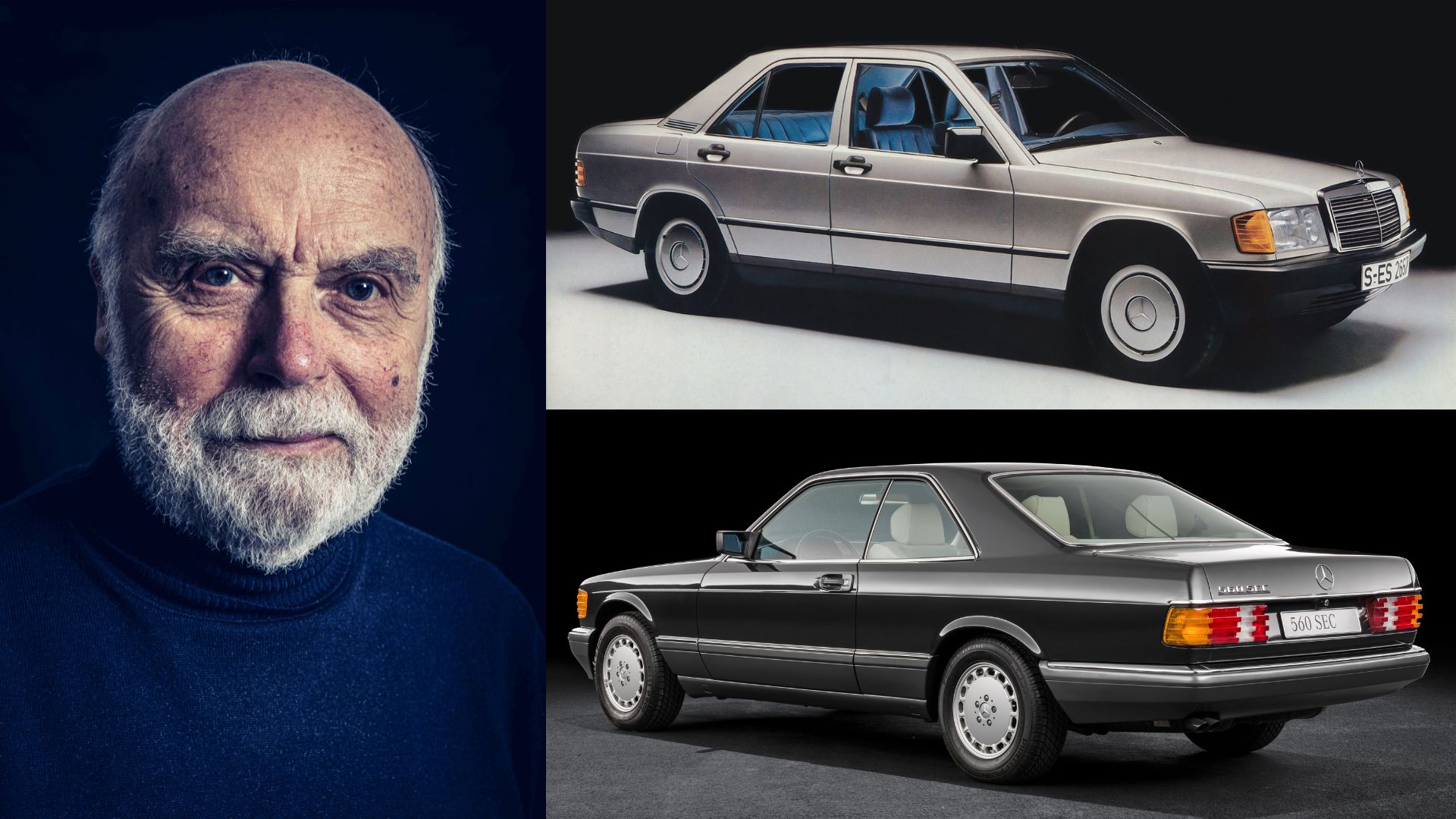
“A Mercedes-Benz must always look like a Mercedes-Benz.” It’s a statement that’s easier said than done, but it’s one that Bruno Sacco lived by during his tenure with the automaker. He believed that every car the company makes should have a strong visual relationship with each other, from the smallest to the largest, regardless of bodystyle.
He was also dedicated to two design principles, namely Horizontal Affinity and Vertical Affinity. The prior refers to each model staying true to the brand’s identity. Meanwhile, the latter giving a vehicle a timeless look to ensure that the predecessor doesn’t look outdated next to the successor. The reason? Sacco didn’t want Mercedes-Benz customers to feel like they were driving something stylistically obsolete.
In today’s world of flashy and short-lived trends, we’d welcome Sacco’s design philosophies over those in a heartbeat.
Danke and Grazie per tutto, Bruno Sacco. You made the automotive world a much more elegant place.