The reminder to ‘buckle up’ should be easy to heed, but just recently, we reported that the failure to wear a seatbelt was the second most common traffic violation in May 2023 based on the records of the Land Transportation Office (LTO) in the National Capital Region. Only 52% of local drivers wear a seatbelt, according to the United Nations, and even if you’re part of that statistic, are you 100% sure you’re wearing your seatbelt properly?
The correct use of seatbelts in passenger cars can reduce the risk of death by 45%, and halves the chances of sustaining moderate to critical injury, reports the US National Highway Traffic Safety Administration. To make sure you maximize this invaluable safety feature in the event of a crash, make sure you follow these guidelines on how to wear seatbelts properly.
1) Position the lap belt low across your hips.
The lap belt should never stretch across your stomach, because could cause abdominal injuries in a crash. Once you’ve buckled up, adjust the lap belt so it’s across the hip bones.
Belt too tight? Source seatbelt extenders directly from the manufacturer of your vehicle.
2) Wear the shoulder belt properly.

It’s called a shoulder belt and should thus be worn across the shoulder and the chest, not under the arm or, worse, behind your back. As with the improper use of lap belts, not wearing the shoulder harness correctly could cause internal injuries in the event of an accident. The shoulder belt should not be cutting across your neck, too—if your car’s seatbelts don’t have height adjustment, adjust your seating position instead.
ALSO READ:
Amazon removes seatbelt alarm blockers from US, UK market listings
Even the UK Prime Minister isn’t immune from seatbelt violations
3) Yes, pregnant women can and must wear seatbelts.
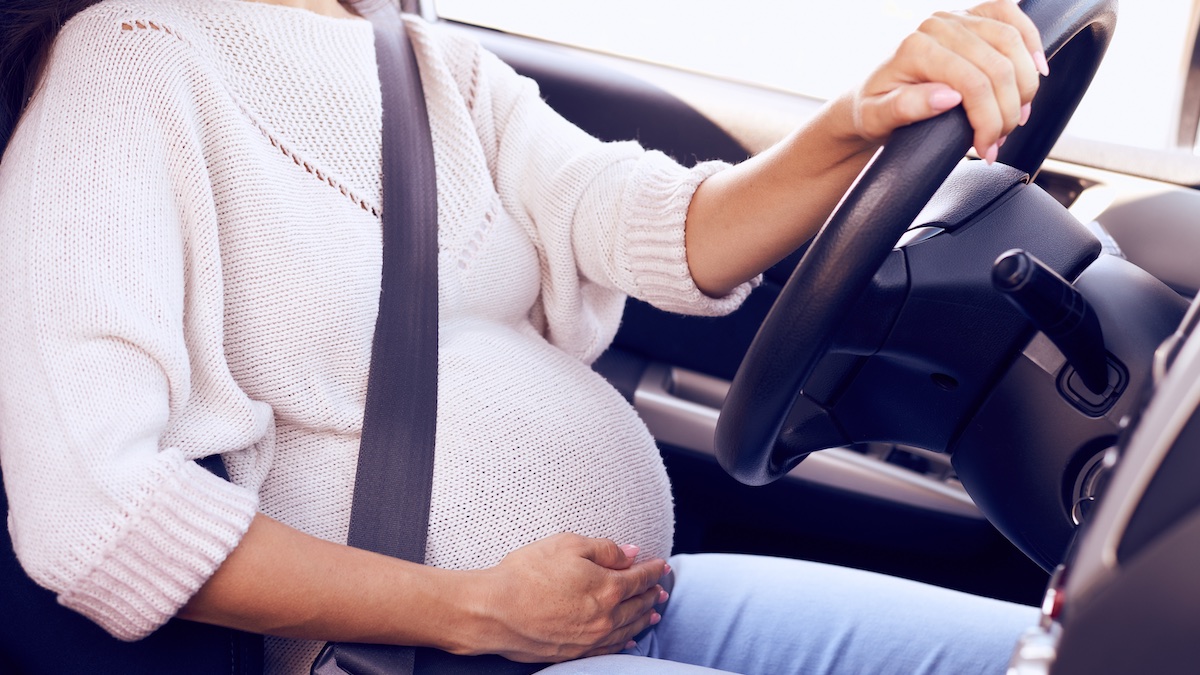
For pregnant drivers or passengers, proper belt positioning and seat adjustment are key. Again, make sure the lap belt sits below your stomach and across your hips and pelvic bone, and position the shoulder belt across your breasts and to the side of your stomach to remove any slack. If you’re still driving, keep as much distance between your belly and the steering wheel, but make sure you’re still able to reach the pedals and the tiller comfortably.
If it’s getting harder to find a comfortable driving position, then it’s time to consider being a passenger for the time being.
4) Wear a seatbelt even if you’re in the backseat.
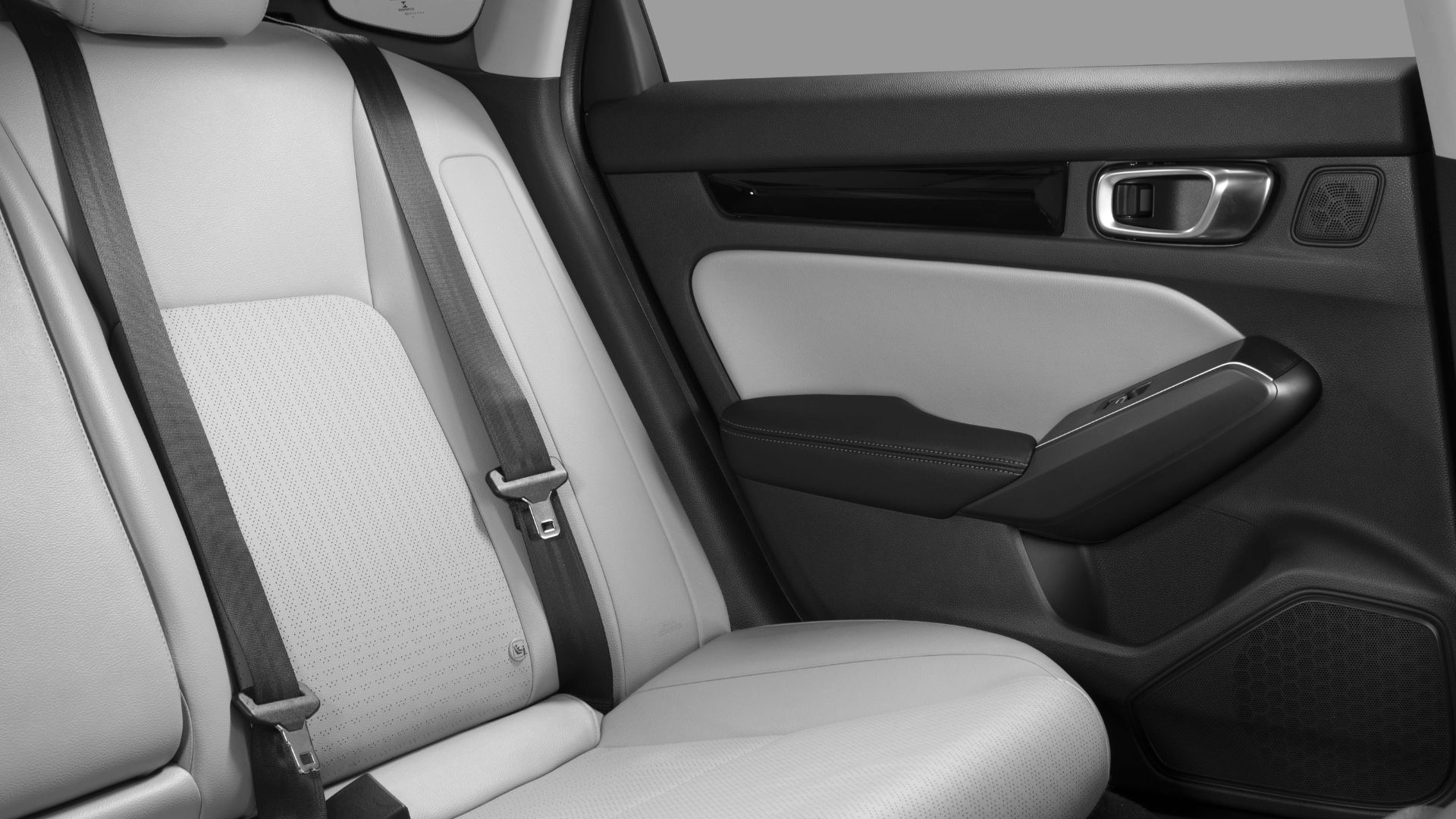
Enforcement of the seatbelt law tends to focus on front occupants, but make wearing the rear passenger seatbelt a habit still. And if you’re the type of backseat passenger to lean over and nitpick on every little thing your driver is doing because you want the drive to be safe and uneventful, perhaps sitting back and fastening your seatbelt would be far more beneficial to that end.
5) Use the correct child seat depending on your young passenger’s age, height, and weight.
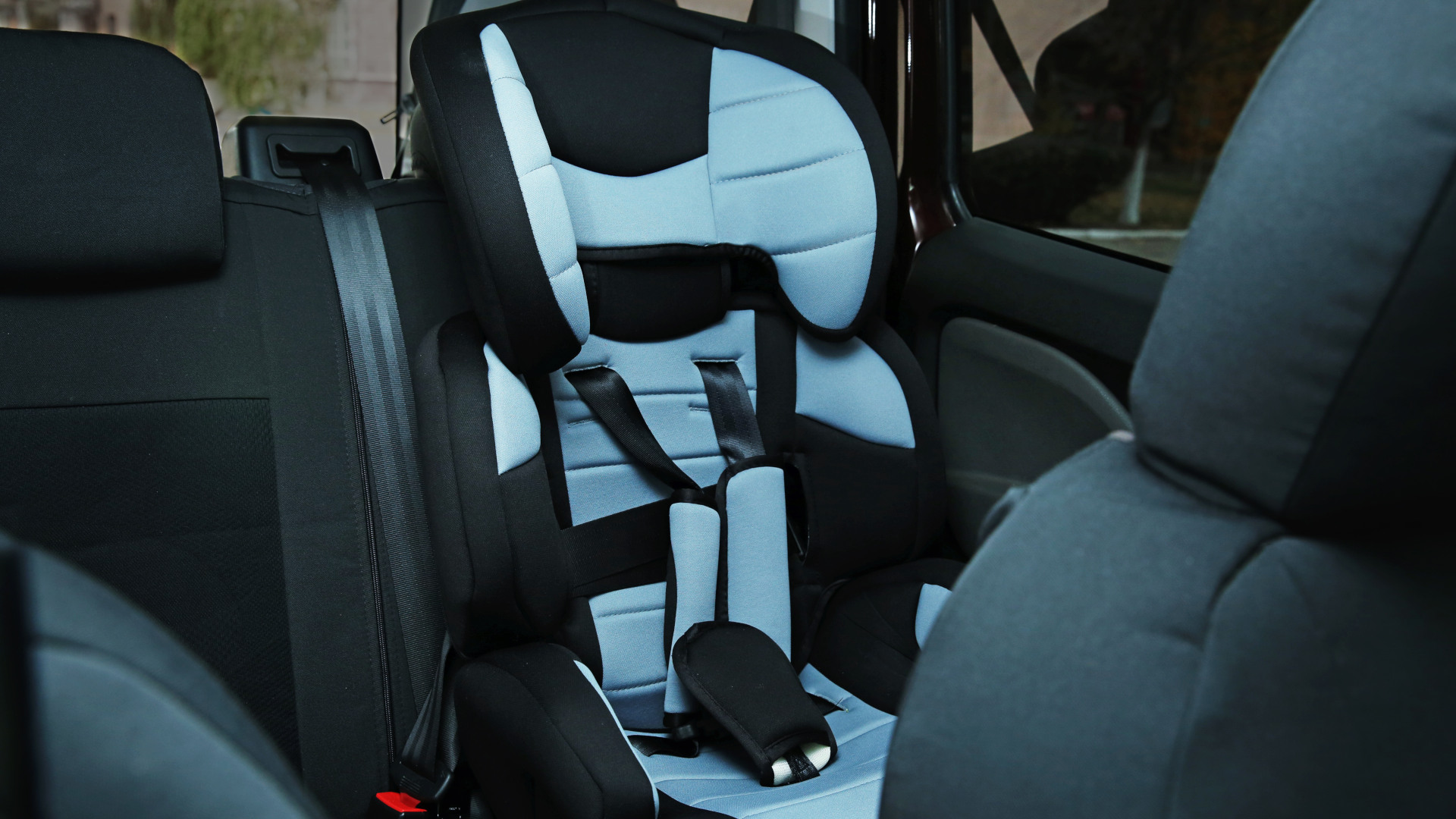
Child seats for infants and toddlers come with their own seatbelts. Booster seats for older children work with the car’s seatbelt, so make sure to choose one that fits the requirements of the law and also allows the young passenger to wear the belt properly.
6) Make sure the seatbelt is in working condition.
The shoulder belt, in particular, should retract properly, because a loose seatbelt is an ineffective one. But a sagging seatbelt is easy enough to fix even on your own—here’s a quick guide for that.