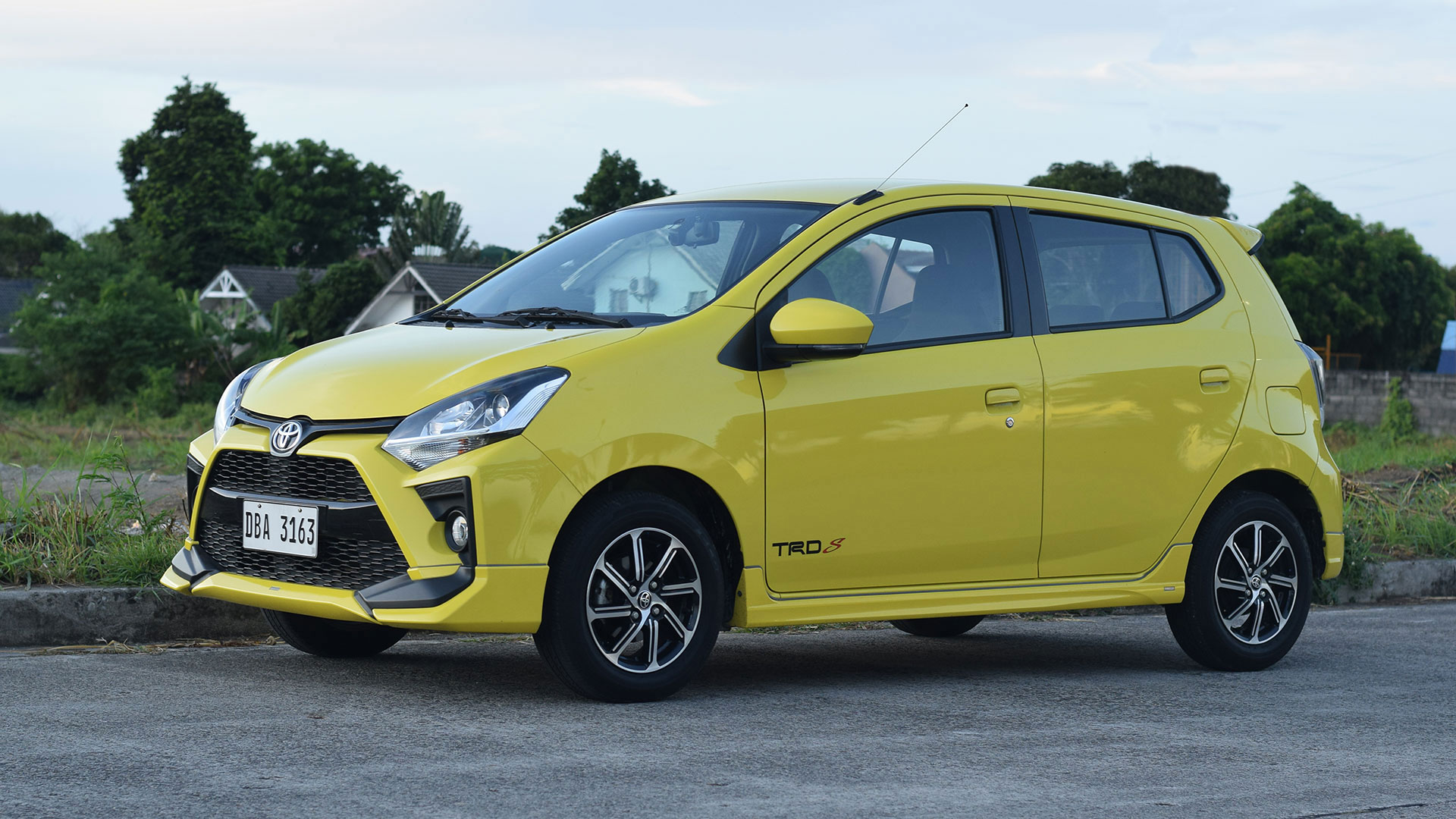
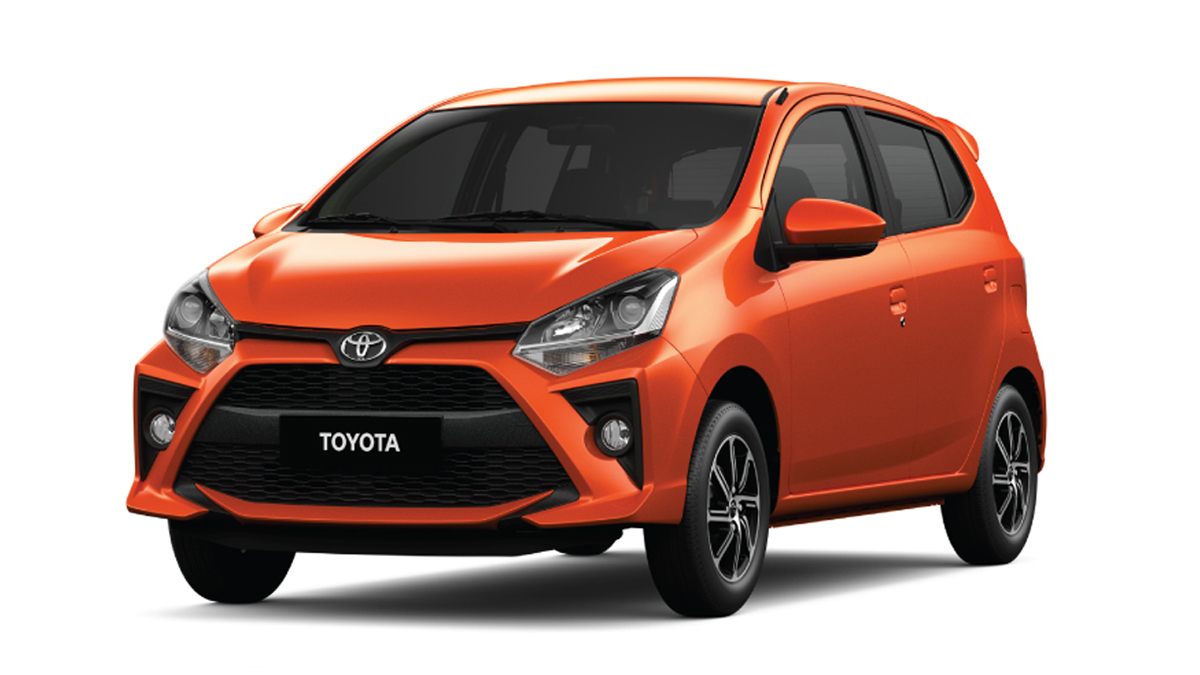
With the teaser of the Perodua Axia out, it practically confirms the debut of the all-new Toyota Wigo this year. That’s because the Axia is a licensed version of the Wigo that is sold in Malaysia. And with that, the snaps we saw of the subcompact hatchback give us a few more clues into what to expect from the second-generation Wigo.
Is it really all-new?
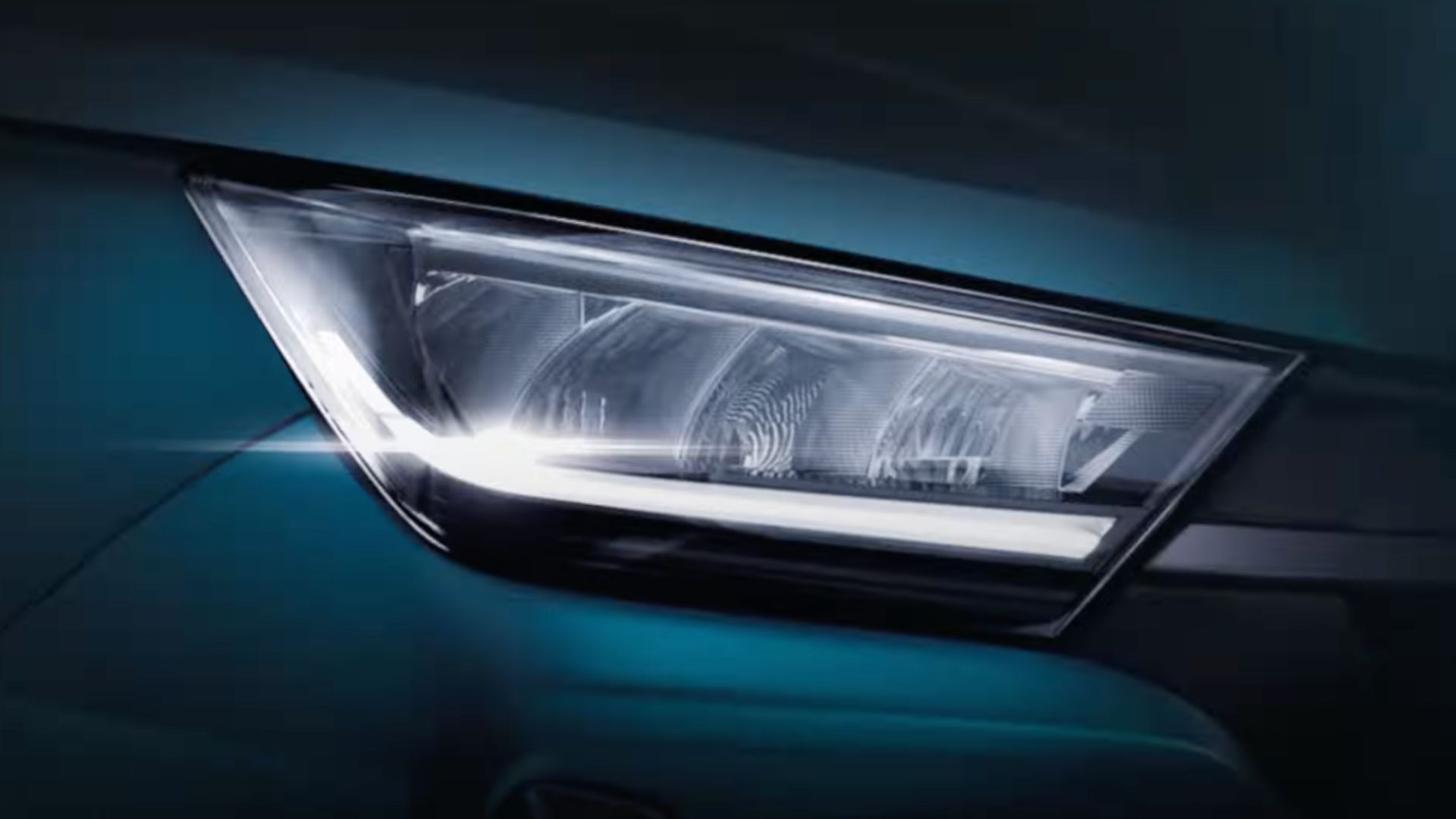
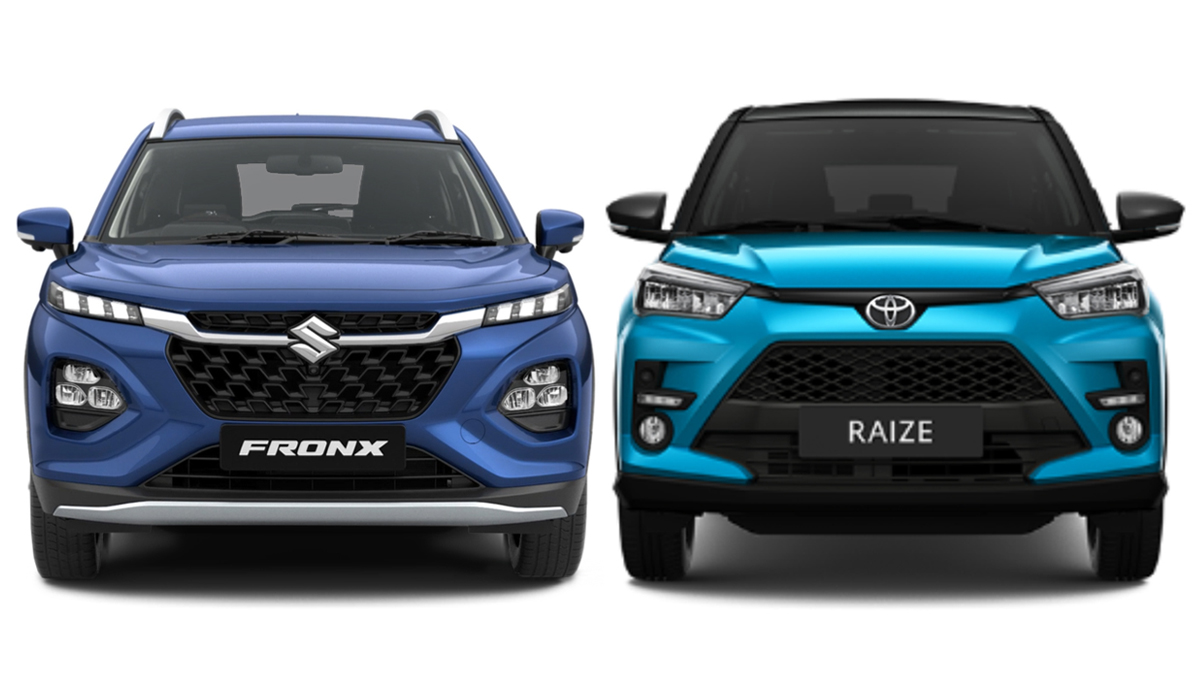
This model isn’t just another reskin of the front and rear ends. The 2023 Wigo is redesigned from bumper to bumper as it shifts to the Daihatsu New Global Architecture (DNGA) platform. That means the upcoming Wigo shares the same bones as the Toyota Raize, Avanza, Veloz, and the next-gen Vios, but shortened to fit the segment. And for those who are curious, the second-generation Wigo carries the chassis code D74A.
As with every new generation, we can expect it to be larger than the model it will soon replace.
OTHER STORIES YOU MIGHT HAVE MISSED:
This is your first look at the next-gen Toyota Wigo
87% of Filipinos prefer bikes, public transport to be prioritized over private cars
What will it look like?
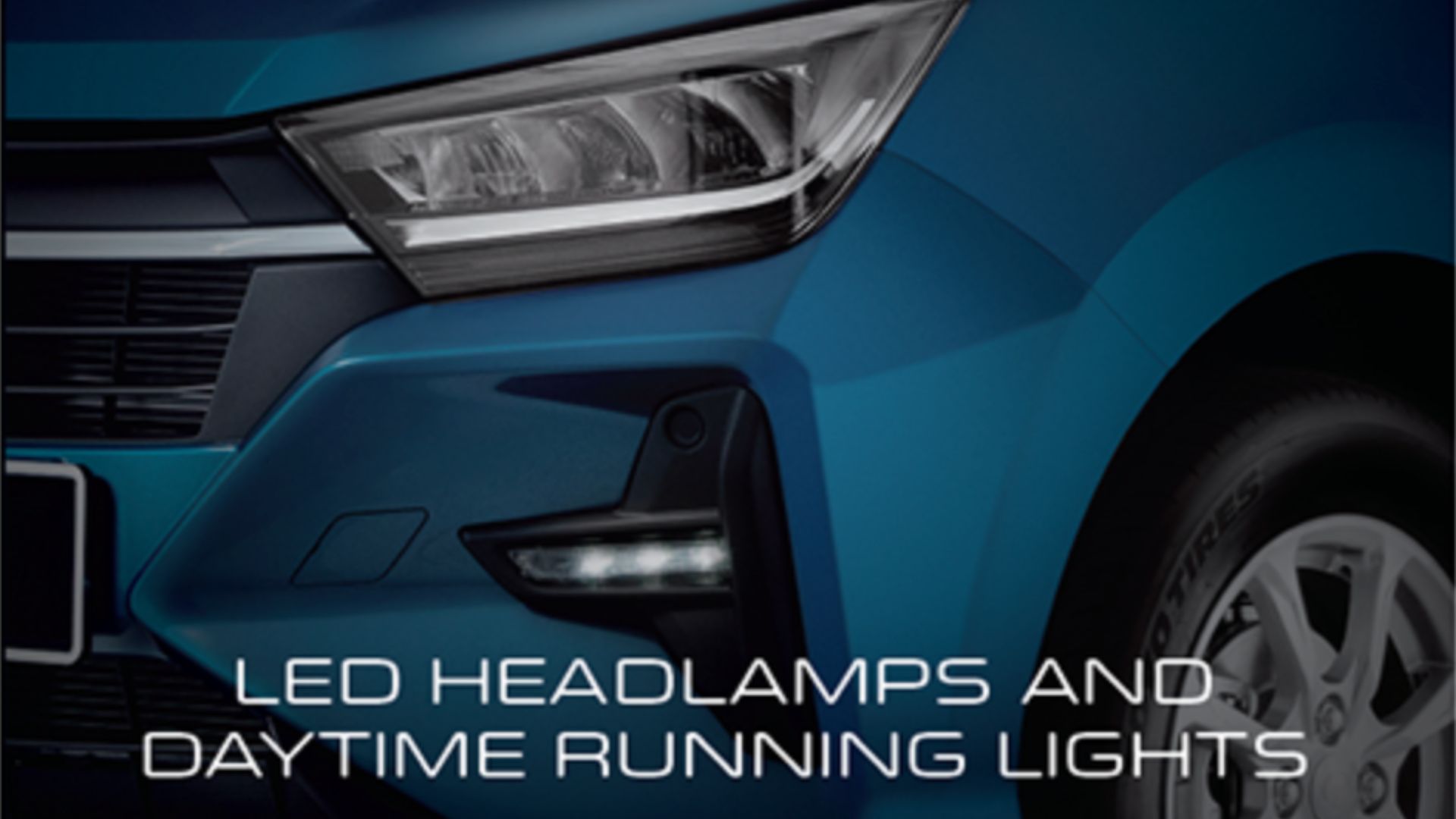
For now, the only clue we have is a corner shot of its front end. However, it does show a clear view of the headlights that show a sharper and more aggressive design. The same goes for the bumper with more pronounced edges. However, it’s worth pointing out that the look might change for the Toyota model. It’s possible that it could have a more Avanza-like treatment and not look as edgy as the Perodua version.
How about the interior?
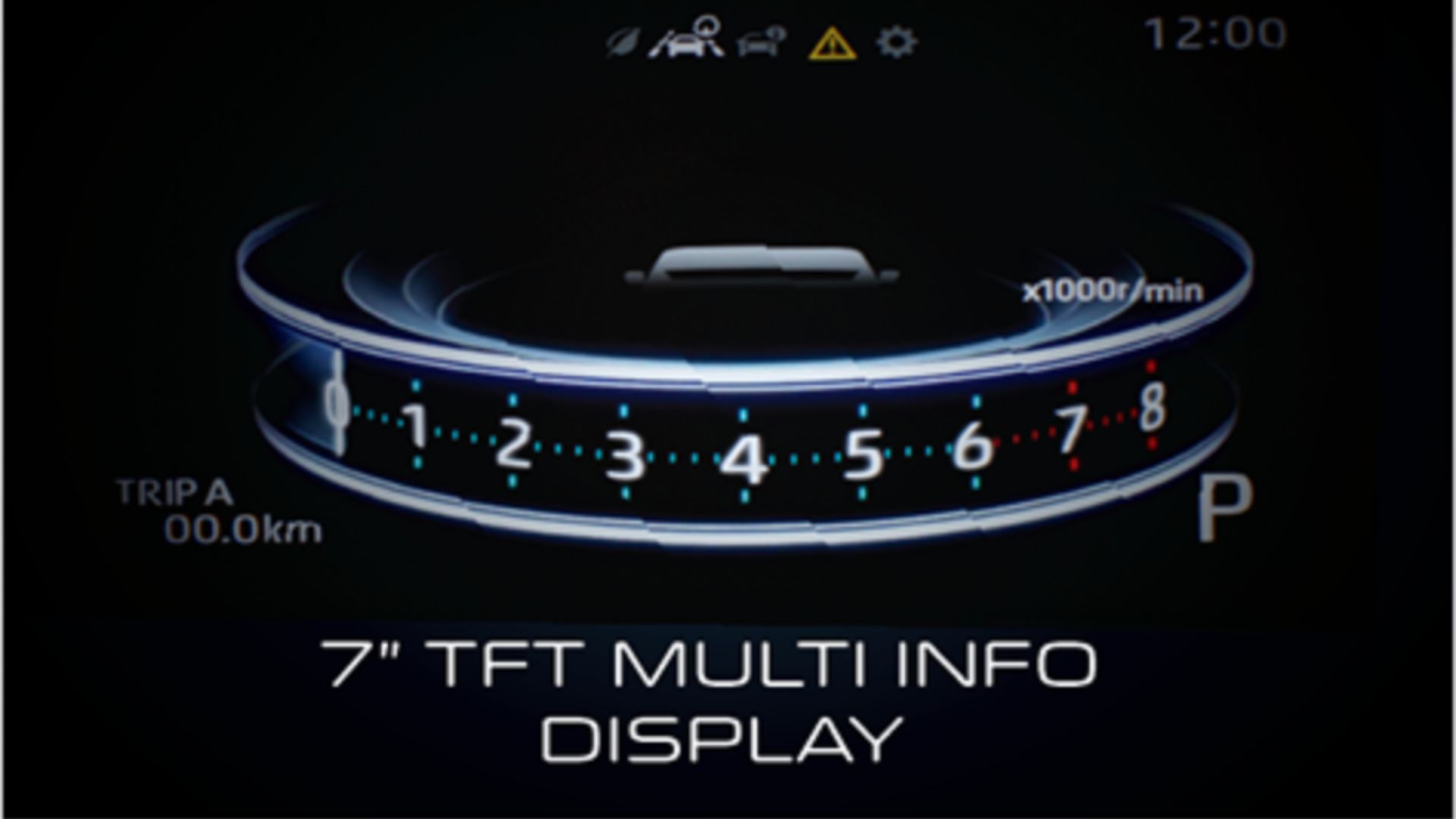
The only parts of the interior seen so far are the instrument cluster and the touchscreen. The cluster has two arrangements, namely a semi-digital or a fully digital display. The latter has a similar look to the one seen in the Raize Turbo. As for the touchscreen, higher-spec models can accommodate a nine -inch display audio screen. We’re more certain about the cluster, but the touchscreen will vary depending on the country sold. We sure hope the Philippine-spec models get Apple CarPlay and Android Auto.
Can we expect a new engine?
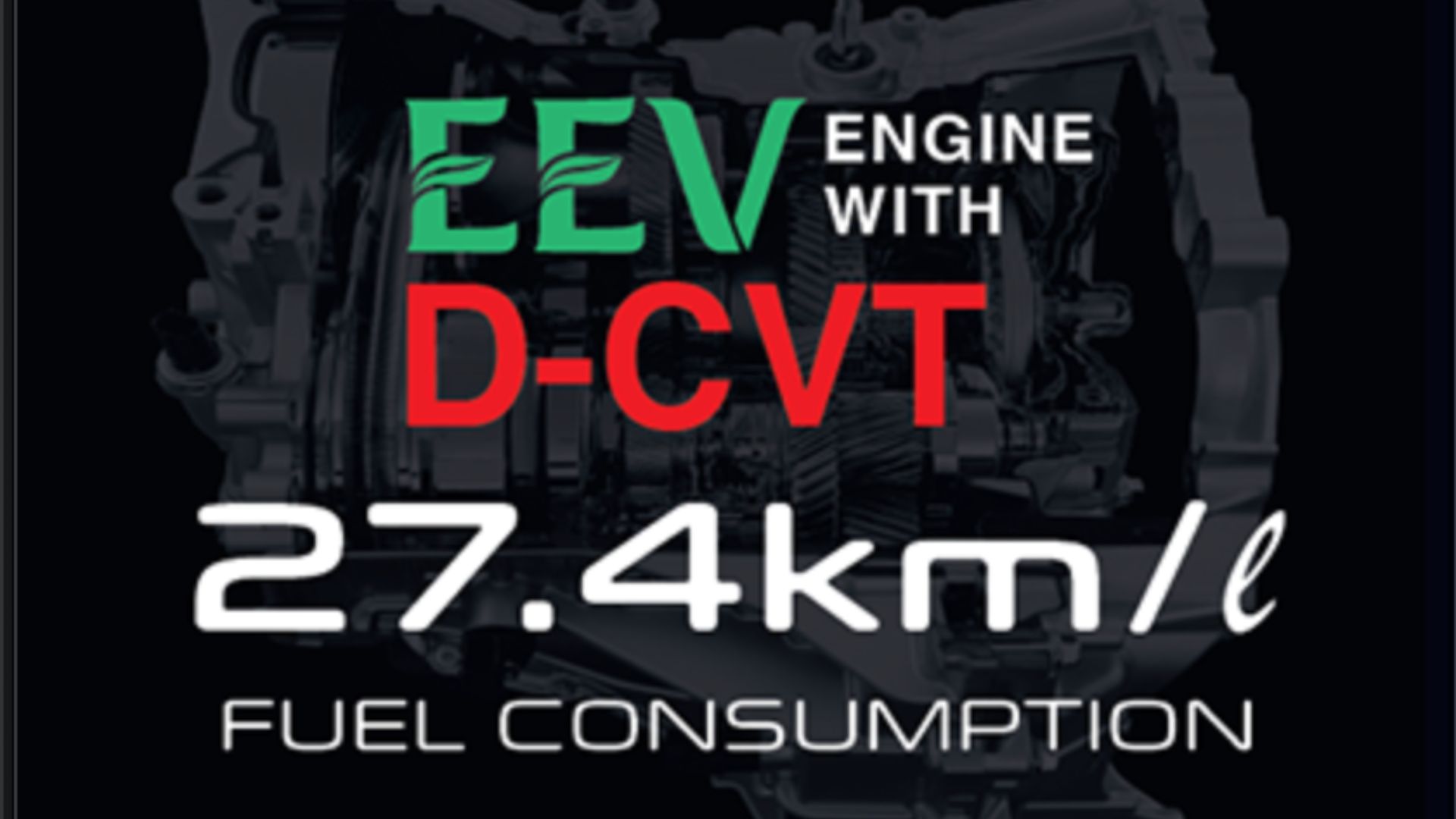
In a nutshell, probably not. Per Perodua, its version of the Wigo will use a 1.0-liter engine. It’s likely to be a carryover engine from the current model, meaning power ratings might remain at 67hp and 91Nm of torque. But given that the new Wigo shares the same platform as the Raize, there might be a (slim) chance that Toyota could stick in the larger, more powerful 1.2-liter unit.
More significantly, the Wigo will finally have a new transmission. Gone is the tried and tested (but also old) four-speed automatic. If we were to base information on the Malaysian Perodua Axia, the all-new Wigo steps into the modern age with a continuously variable transmission. On top of that, the range-topping Axia features something called an Eco Idle system, likely a stop-start system that shuts off the engine when the car is stationary.
Anything else from the Toyota Wigo 2023?
It seems that the Wigo is going upmarket in our neighboring countries. In the Axia, it gets features previously reserved for more expensive cars. For example, top-spec models get a smart key, and most variants are available with LED projector lights.
On top of that, it’s even available with something called Smart Drive Assist. It’s essentially Perodua’s version of Toyota Safety Sense and includes collision warning, blind spot assist, automatic emergency braking, and even adaptive cruise control. It will be interesting to see home much of these features make it to the local-spec Wigo.
As for the launch date, it’s the Axia version that will roll out first by February, so that’s something to look forward to this month. Meanwhile, various reports say the all-new Wigo will premiere in March. The local debut is still up in the air.