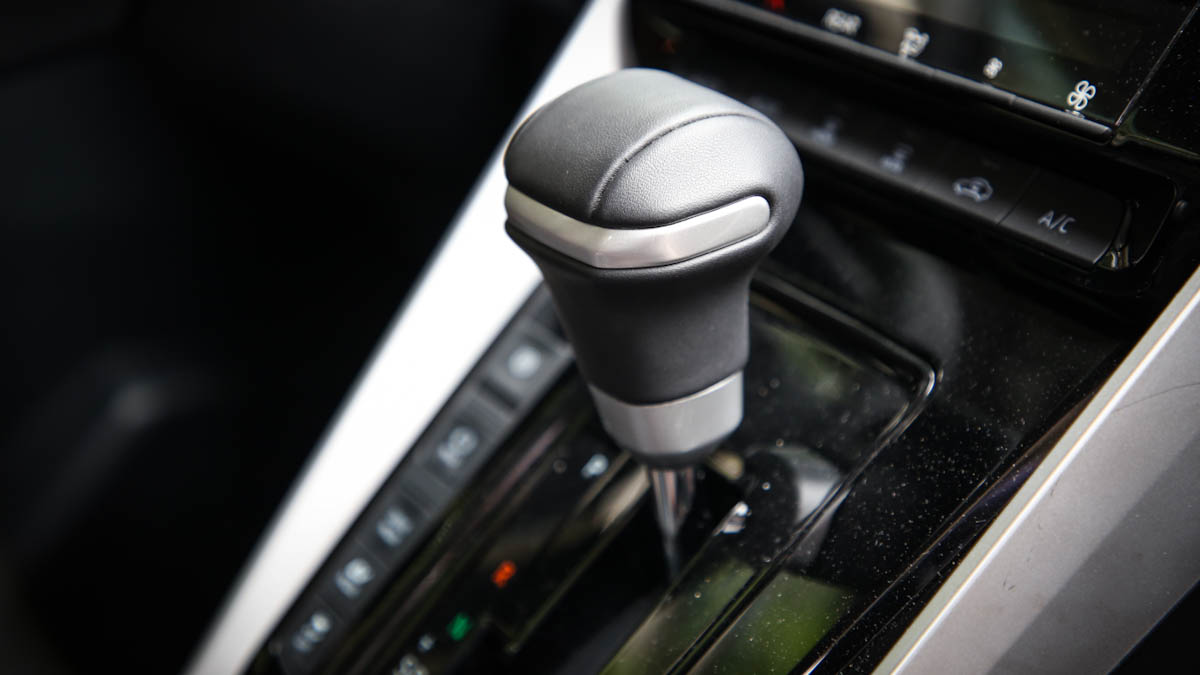
It’s a debate we’ve seen floating around the internet for quite some time now. If anything, it’s been around even before the dawn of the internet. That question is: Should you put the transmission to neutral first before shifting to park?
There are those who insist that you should do that, with the operative word being should. The thing is, is it really necessary? Read on.
OTHER STORIES YOU MIGHT HAVE MISSED:
Honda Civic e:HEV named the 2025 North American Car of the Year
It’s a 1-2 finish for the Toyota Hilux at Dakar 2025
Why the (supposed) need?

When shifting a car to park, the transmission locks it in place to prevent it from rolling back on an incline. That lock is called a parking pawl, a pin that engages in a notched wheel in the vehicle’s output shaft. With the output shaft immovable, the wheels won’t rotate. It’s the equivalent of putting the car in gear in a manual when parking.
On an incline, the weight of the vehicle rests on it and puts a fair but of weight on that part. Of course, there’s the parking brake to prevent a car from moving around. But the reason this question floats around is the possibility of breaking the pawl if it’s done repeatedly.
Can it break if you go straight to park?
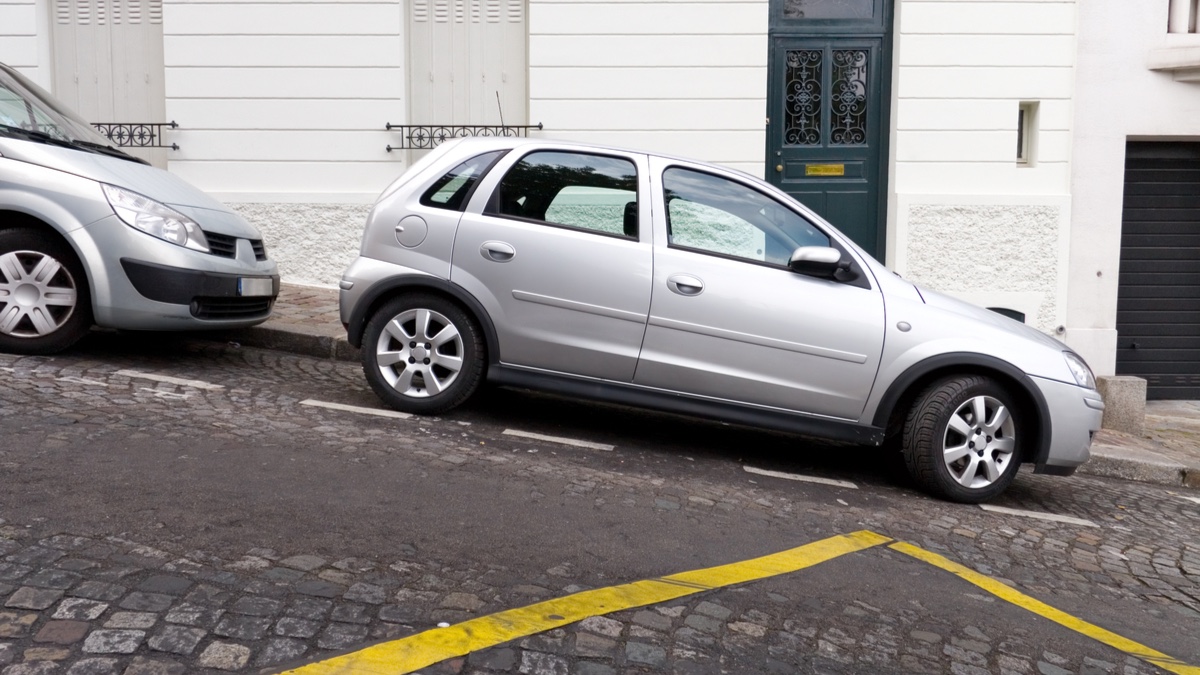
The oversimplified answer here is yes, but any part can break due to wear and tear. It’s a generally durable part and can last the lifetime of the vehicle. That said, the pawl can (but not necessarily will) break if parked on an incline without the parking brake engaged. As mentioned, the vehicle’s weight rests on it if it’s not helped by the parking brake.
What could happen if you go straight to park on an incline, you ask? You’ll hear an unsettling thud when shifting out of park when you’re setting off. That’s the sound and action of the pawl retracting to engage drive.
It sounds unnerving, but it’s totally normal. You won’t feel that on a level surface for the most part. On flat streets, the pawl isn’t under a lot of stress, so it’s generally fine to go straight to park.
But one surefire way to wreck that pawl is slamming the transmission into park while the vehicle is in motion. Just imagine sticking something in an electric fan and you get the picture. Shifting to park and heading straight to drive (or reverse) with the foot on the accelerator does the same as well.
Is there a correct sequence?
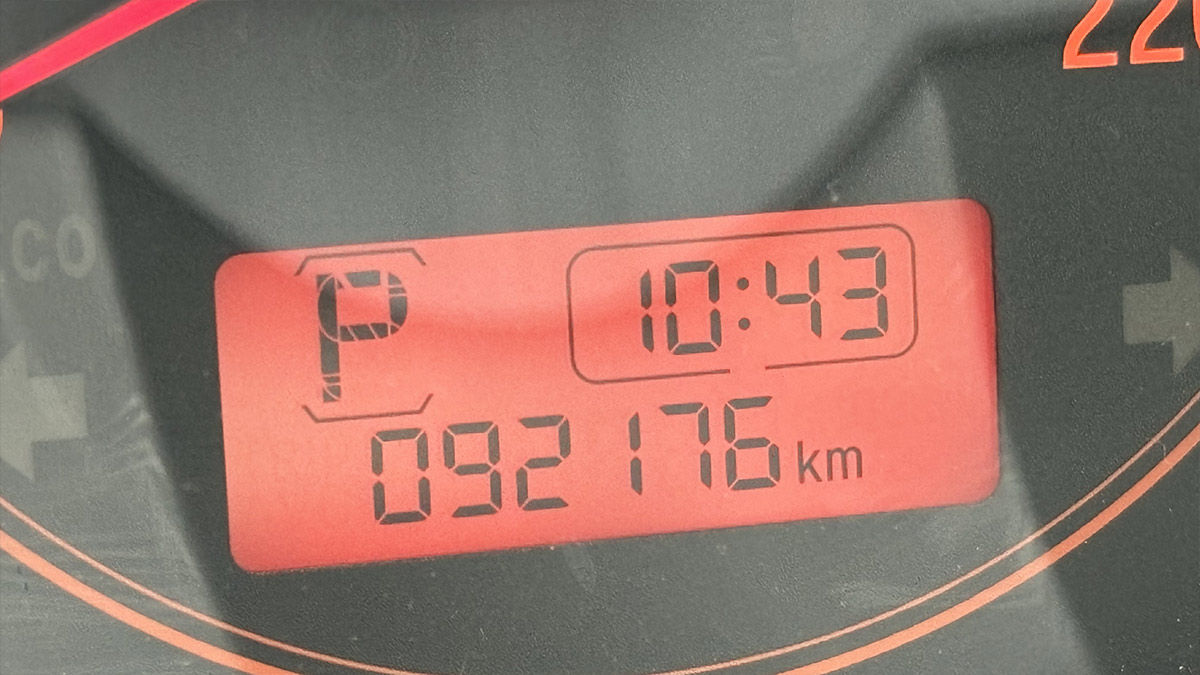
Somewhat. The key here is having a good parking brake and being stationary when shifting from drive or reverse to park. But for those who want that little bit of peace of mind, we do have a suggestion.
Once stopped, keep your foot on the brake pedal and engage the parking brake. From there, you can go straight to park and release your foot off the brake pedal. This method works whether you’re on flat surfaces or on an incline. That very procedure is mentioned in the owner’s manual. Again, don’t slam the transmission into park while in motion. We can’t emphasize that enough.
Remember, follow that sequence and you won’t break the transmission. Sure, you can cycle through neutral first, but it’s not really necessary. Remember, the keyword is should, but in this case, it’s not really required. So, if there’s any question you have in mind about your car, it’s always best to consult the manual first. Not everyone on social media has the proper answer.