Well, would you look at that: Ferrari has brought back the manual gearbox. With two large caveats, of course. First, there’s a faintly staggering leap in price for the Ferrari 12Cilindri supercar involved. Second, is the fact that it’s actually an eight-speed dual-clutch transmission that’s supplemented by a clutch pedal (with 599 GTB weight) and a classic open-gate stick.
Lovely idea, of course, but it’s not the first time Ferrari—or indeed any other carmaker—has blurred the lines between manual and automatic transmissions. Allow us to take you by your favored gearshifting hand for a brief guide.
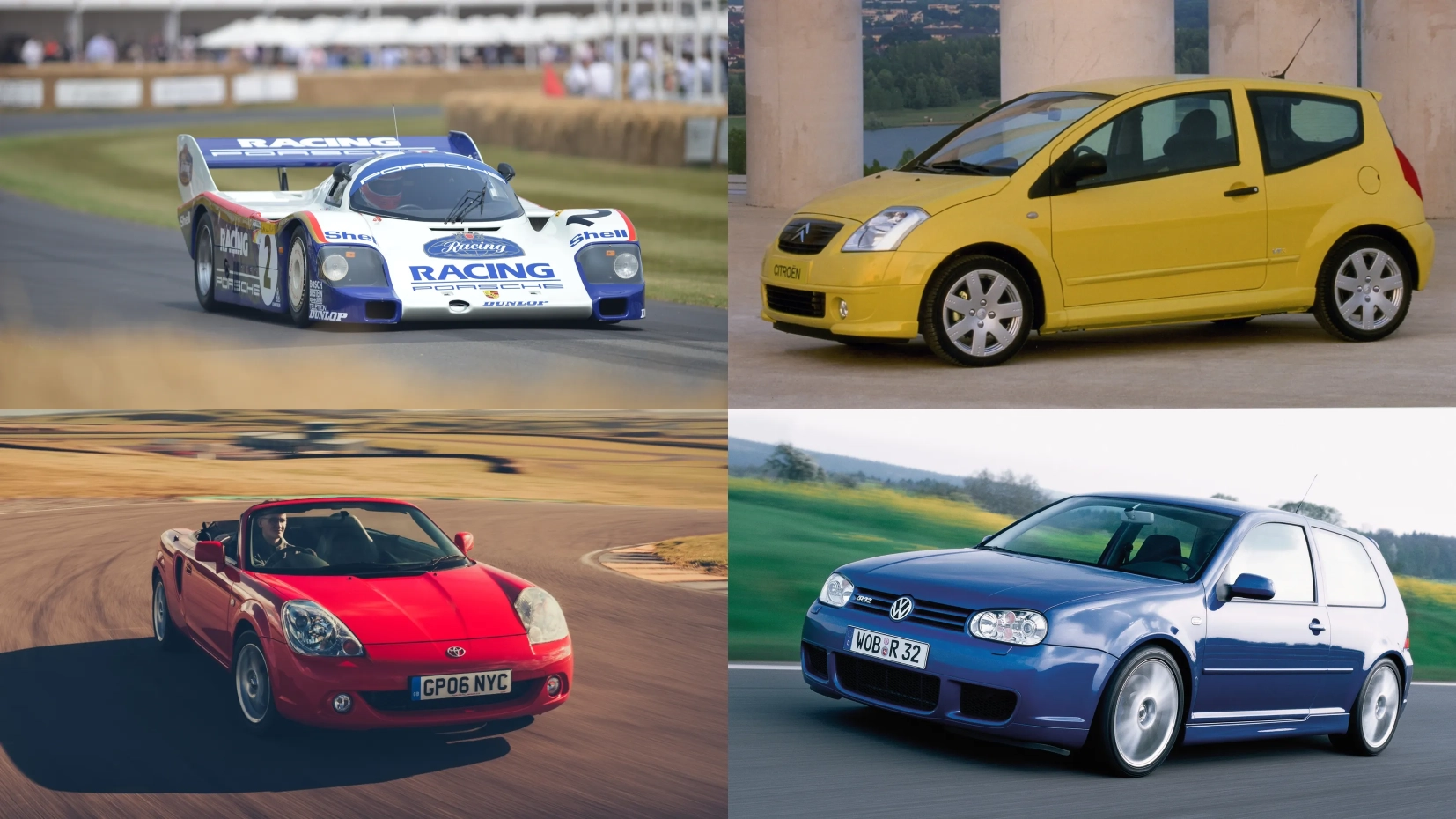
1) 1984 Porsche 956 PDK
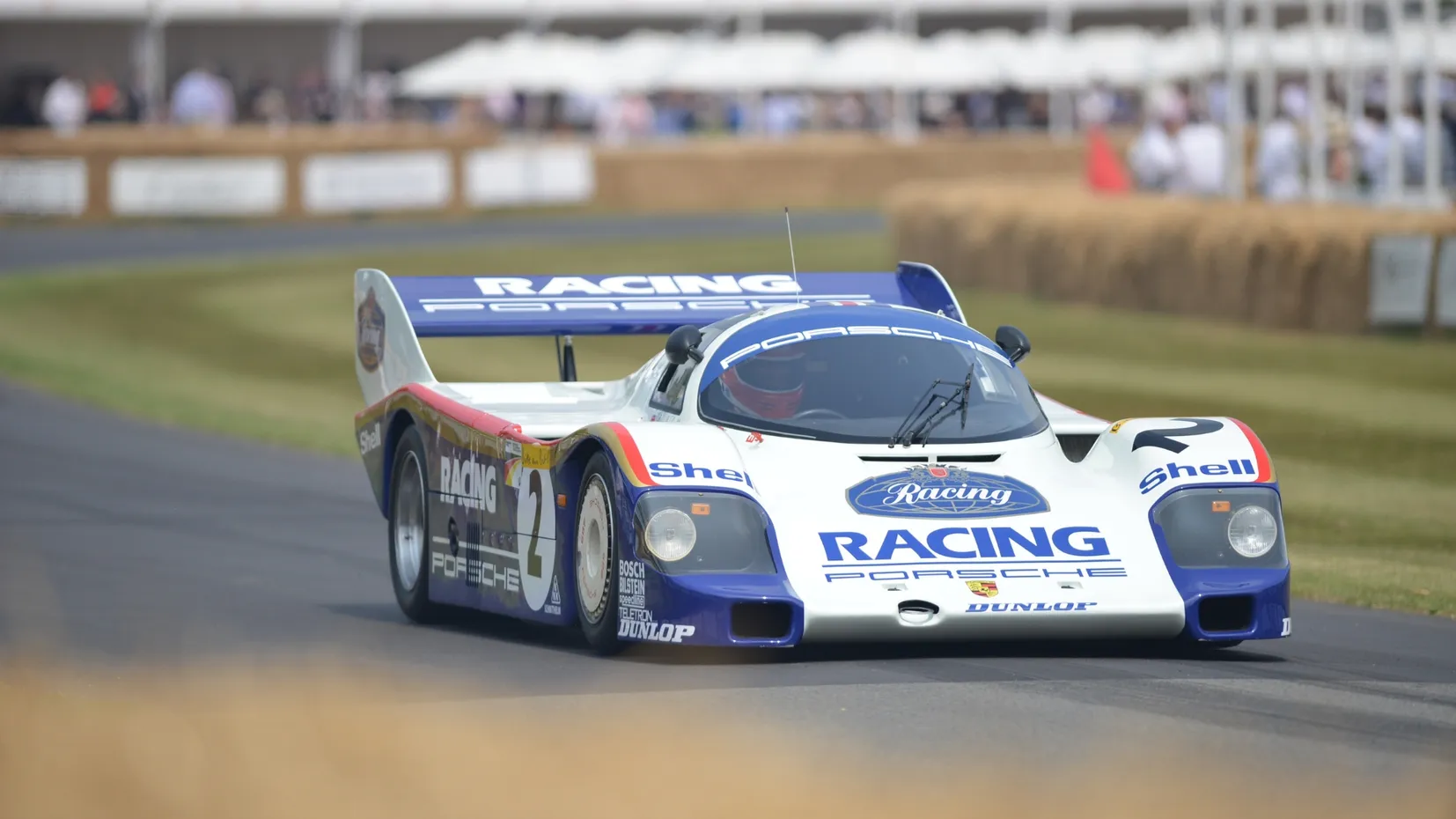
The PDK gearbox—Porsche Doppelkupplungsgetriebe in the firm’s native tongue, Porsche double-clutch transmission to the rest of us—first appeared in 1984 on a 956 race car before graduating to the 962 and even the mighty Audi Quattro rally car.
ALSO READ:
Ventilated seats vs. power adjustment: Which one would you rather have?
The Nissan Tekton finally breaks cover in India with chunky good looks
“The idea was to combine the best of two worlds,” recalls Rainer Wüst, technical manager on the project. PDK gears were divided between a pair of sub-transmissions, each with its own clutch. Only one would be engaged at a time, a concept that allowed your next gear to be primed in the other sub-transmission for a near-instantaneous shift when the time came.
Porsche’s period racing drivers were wary of the extra weight it added, and it took another two decades before the idea would catch on in road cars. But the DCT ’box is now used far and wide—that new 12Cilindri included.
2) 1995 Saab 900 Sensonic
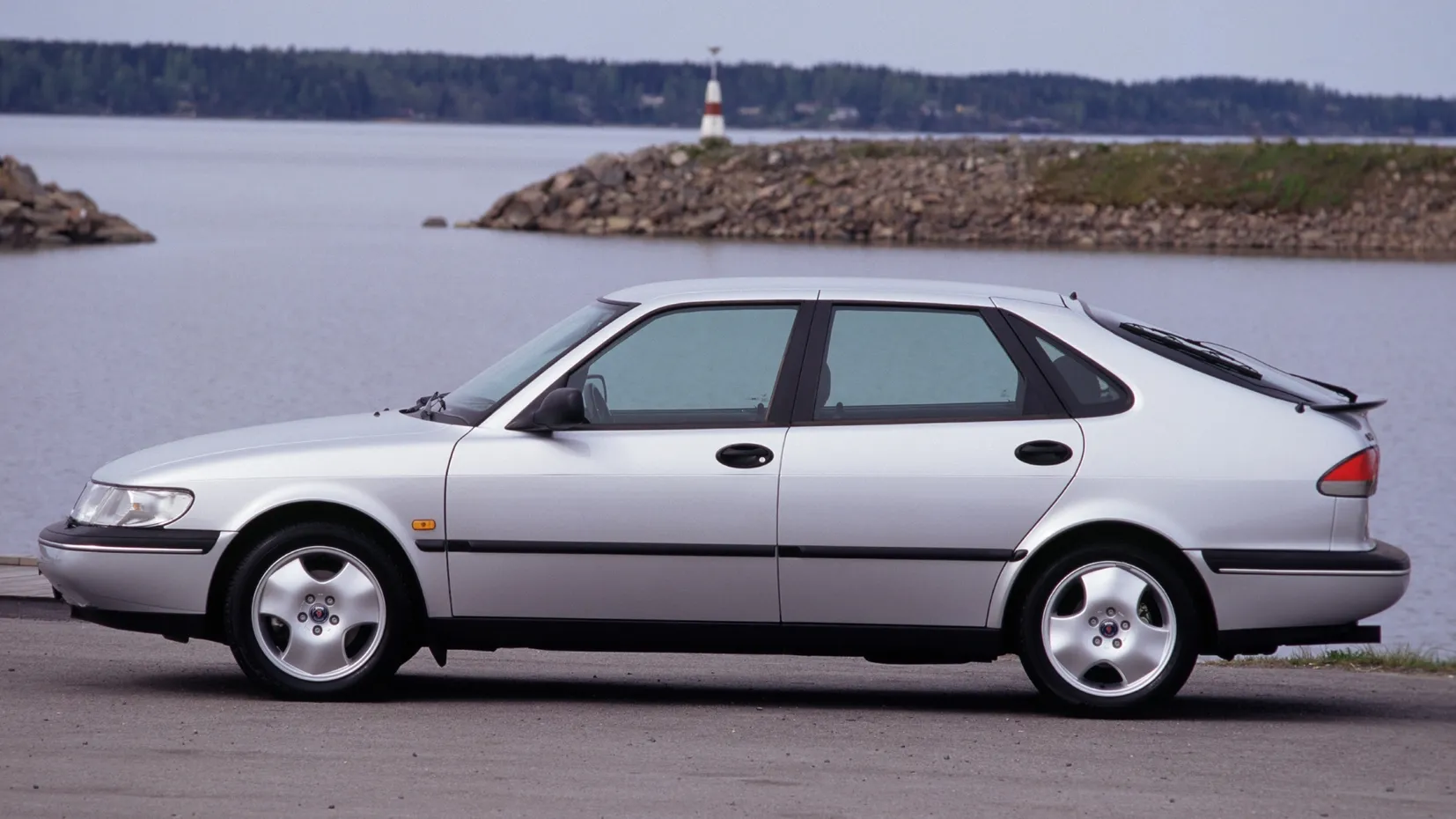
Saab introduced the Sensonic gearbox in its mid-’90s ‘NG’ 900 sedan. Much like the new 12Cilindri Manuale, its gearstick looked friendly and familiar, but there was witchcraft at play beyond it. There was no longer a clutch pedal, with a series of electric motors and hydraulic actuators doing its good work instead—and thus letting the driver rest their left leg entirely while still throwing an H-pattern stick around.
Discovering how to deftly use its pedals for a safe hill start sounds as complex as learning an Irish jig; small wonder the transmission didn’t live past the 900’s regeneration into the 9-3.
3) 1997 Ferrari F355 F1
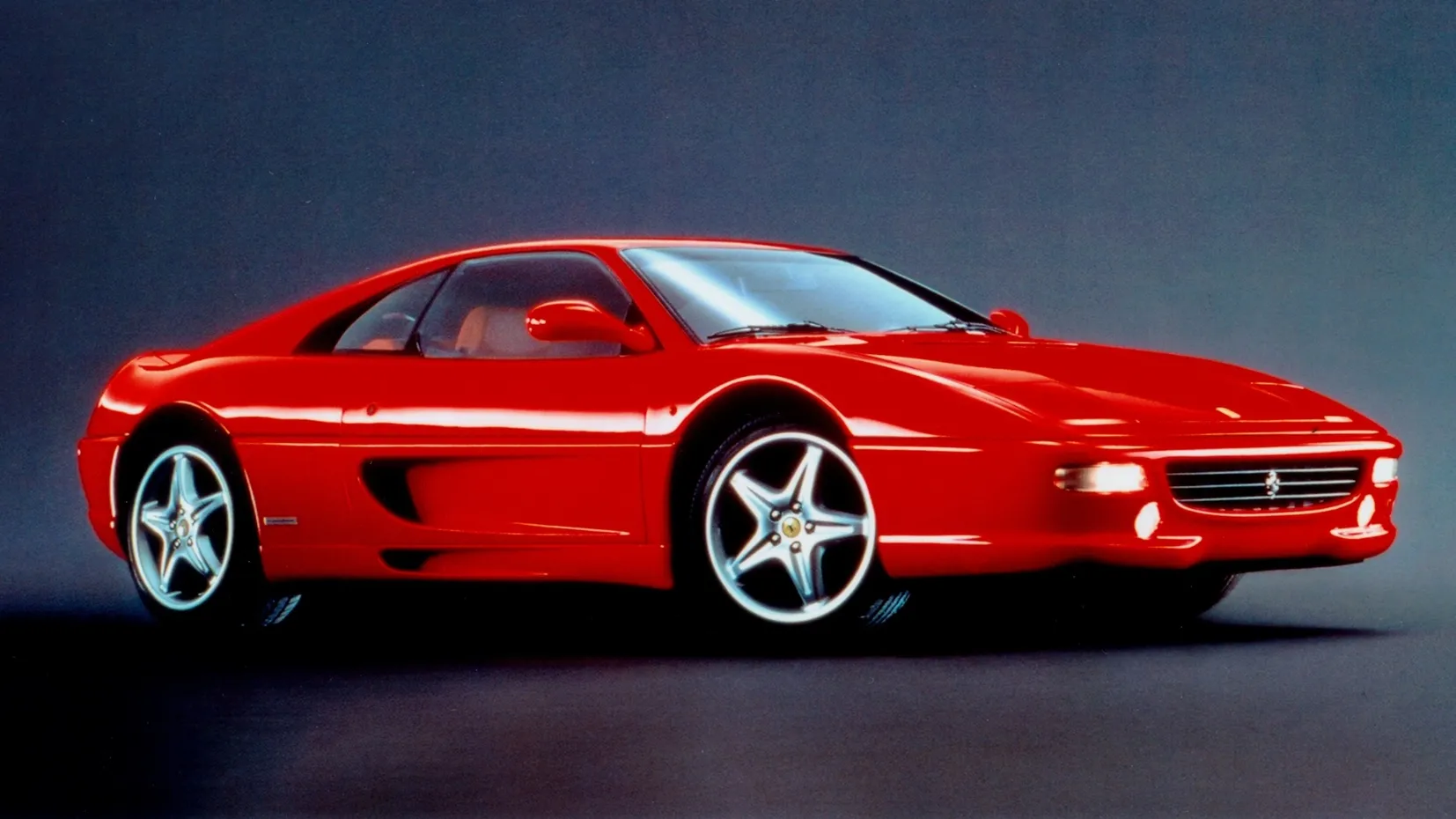
Yep, Ferrari has strong form already in reinventing the gearbox. The F355 is among the most gorgeous modern supercars and represents the Maranello firm’s irreversible shift from selling specialized exotica to producing sports cars that can be used every day, for any journey.
Some of the credit belongs to its optional F1 transmission. An aviation-inspired semi-automatic transmission dates back to the 1979 Ferrari 312 T race car; tests were successful, but the project was parked for a decade before being kick-started, and by the mid ’90s, semi-autos were scattered across the Formula 1 grid.
By 1997, the general public could specify their F355 with an automated version of the car’s stock six-speed manual, operated by metallic paddle shifters and named unashamedly after the sport which inspired it. Shifting your supercar’s gears has rarely been the same since.
4) 1999 Alfa Romeo 156 Selespeed
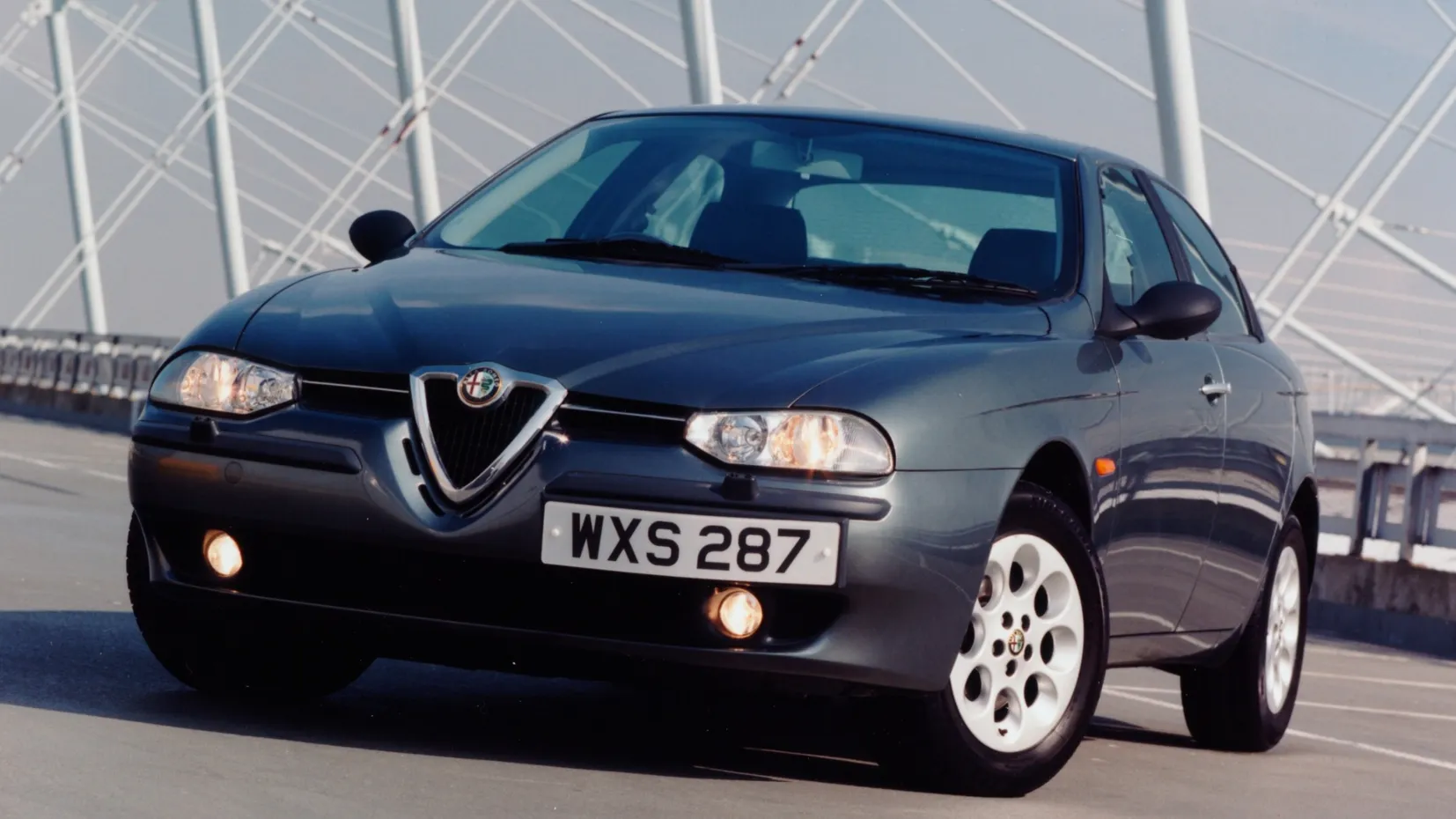
Just two years later, Alfa Romeo offered a similar technology with its Selespeed automated manual. Owners report it being far more satisfying left in its fully automatic City mode, with paddle shifts requiring significant patience (and driver sympathy) to execute smoothly. As it was for a number of early semi-automatics…
5) 2000 BMW M3 SMG
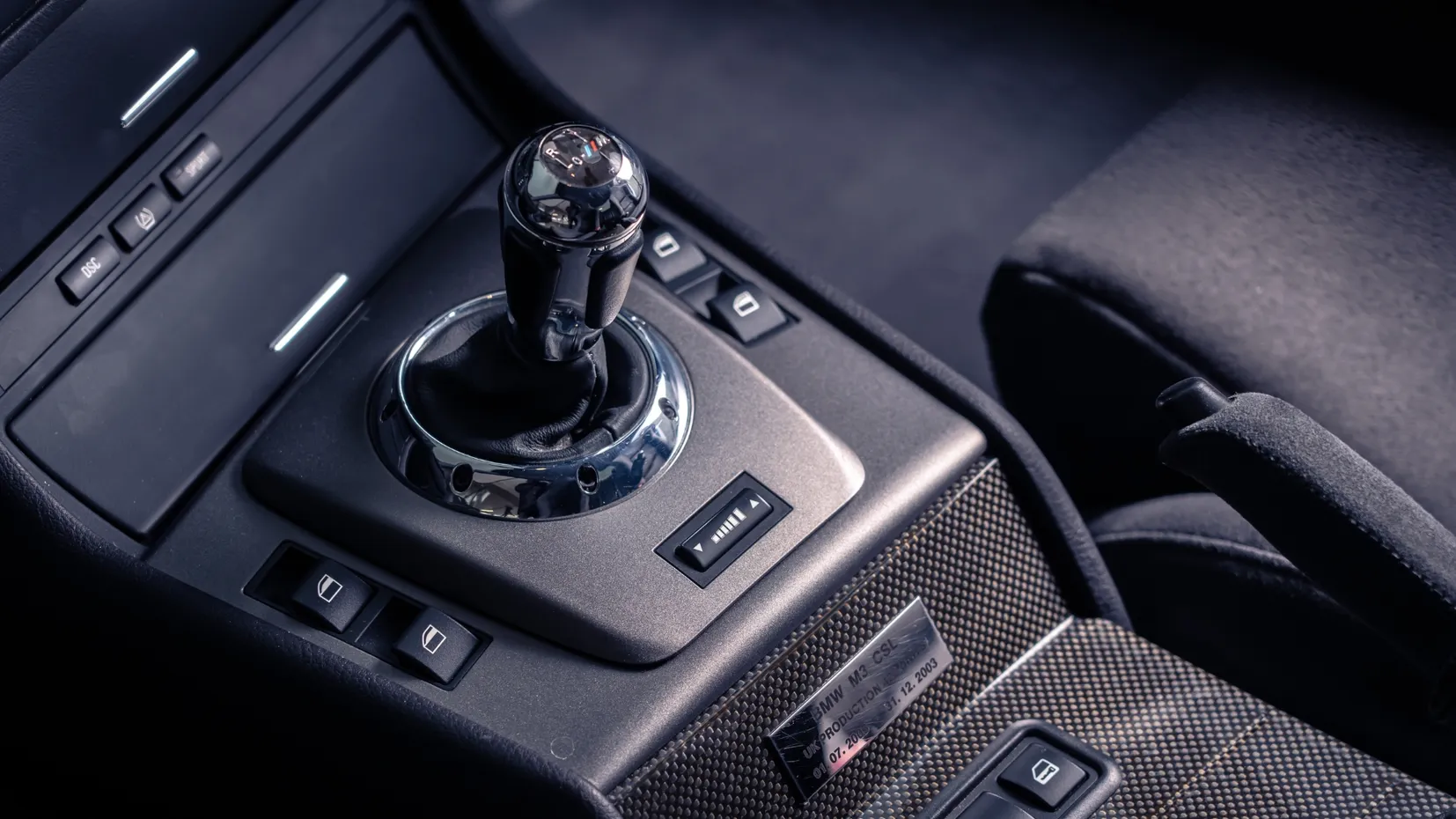
… BMW’s SMG included. Another automated manual with an electro-hydraulic actuator in place of a traditional clutch, it first appeared in E36-generation M3s in mainland Europe before being fully adopted (albeit as an option) in the E46 M3 of 2000. It was (in)famously standard on the stripped-out M3 CSL track special and remains the one area of the car many folks consider imperfect, with specialists now offering a pricey manual swap. Those wishing to take less aggressive tools to their priceless classic can explore aftermarket remaps to smooth out its rev-matching.
6) 2002 Toyota MR2 SMT
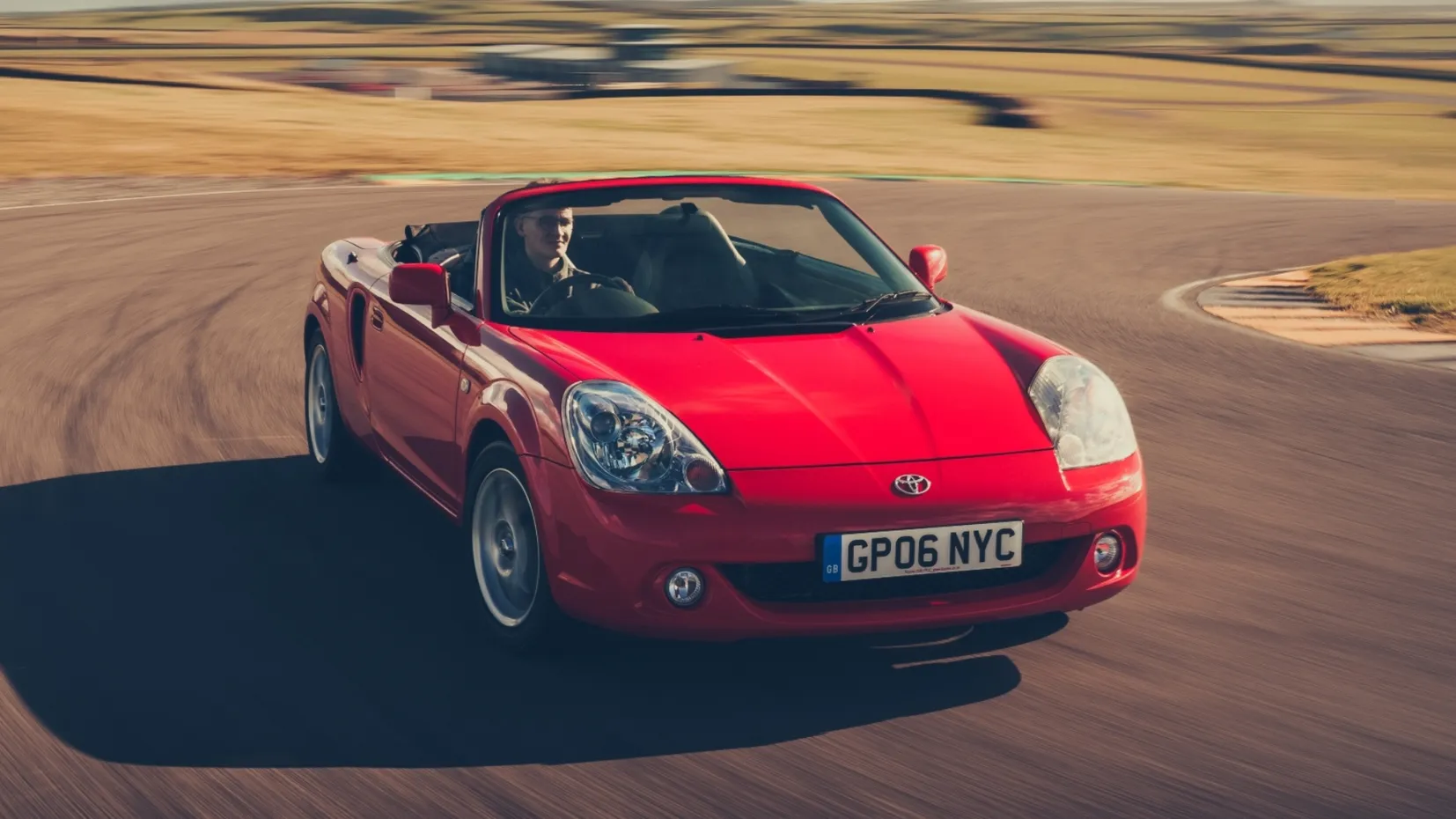
A clutchless automated manual also made a relatively brief appearance on the third-gen, purely open-top Toyota MR2. Dubbed ‘SMT,’ it was operated via buttons on the steering wheel, and period reviews seem positively glowing in its ability to accurately rev-match. And given the car’s reputation for—ahem—spiky handling, perhaps any technology that keeps both hands firmly fixed on the wheel is a very welcome one indeed.
7) 2003 Citroen C2 VTR
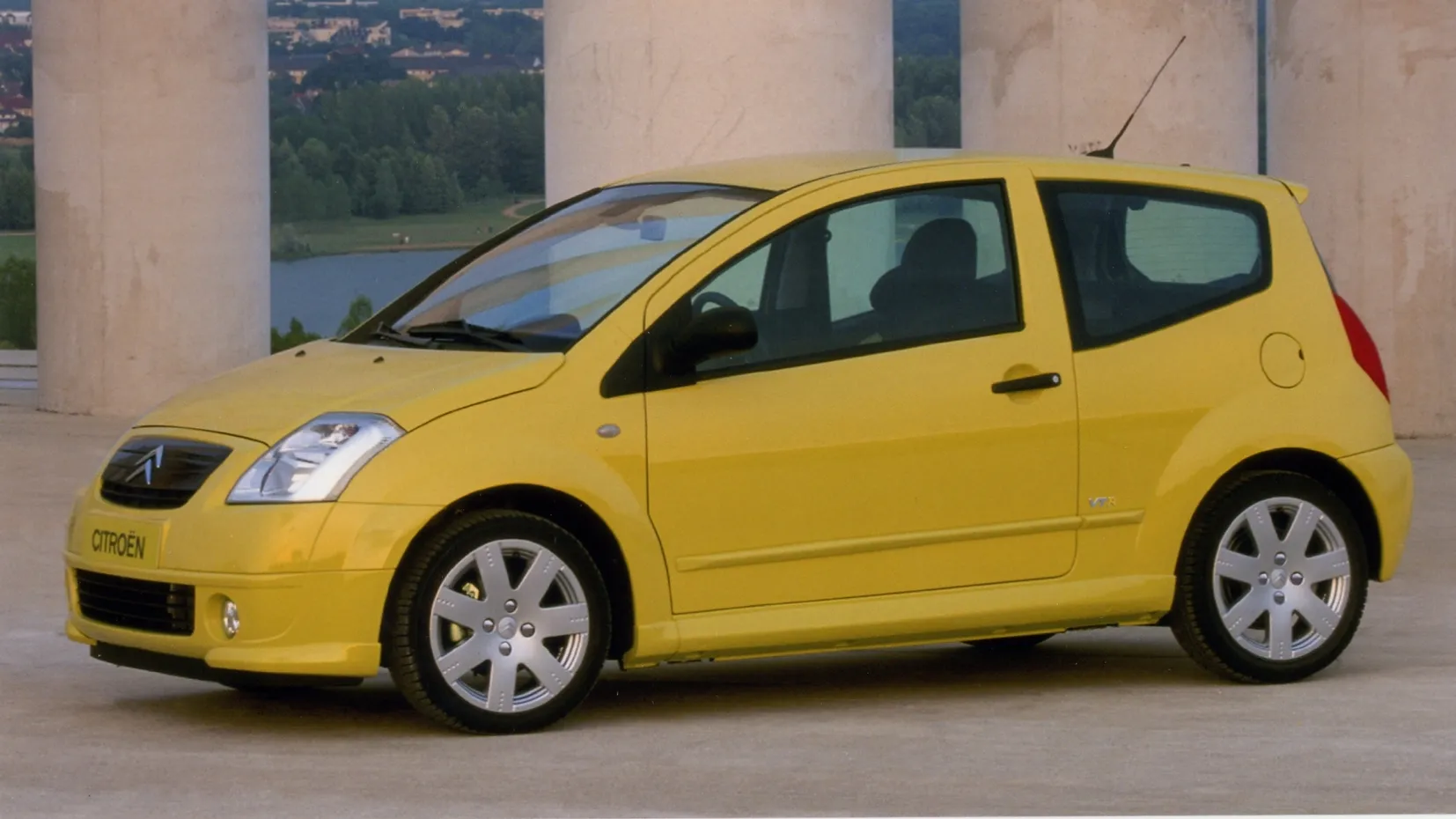
While nearly every hot hatchback sold new demands that you shift its gears with two pedals and a set of paddles, the warmed-up version of the cute little Citroen C2 latched a five-speed semi-auto SensoDrive transmission to its modest 110hp 1.6-liter nat-asp engine. As a follow-up to the rascal little Saxo VTR—and the enormous cultural moment which surrounded it—it was considered an enormous misstep. The C2 GT special edition righted this particular wrong with a return to the humble manual and is far more collectable now. If you can find one...
8) 2003 Volkswagen Golf R32 DSG
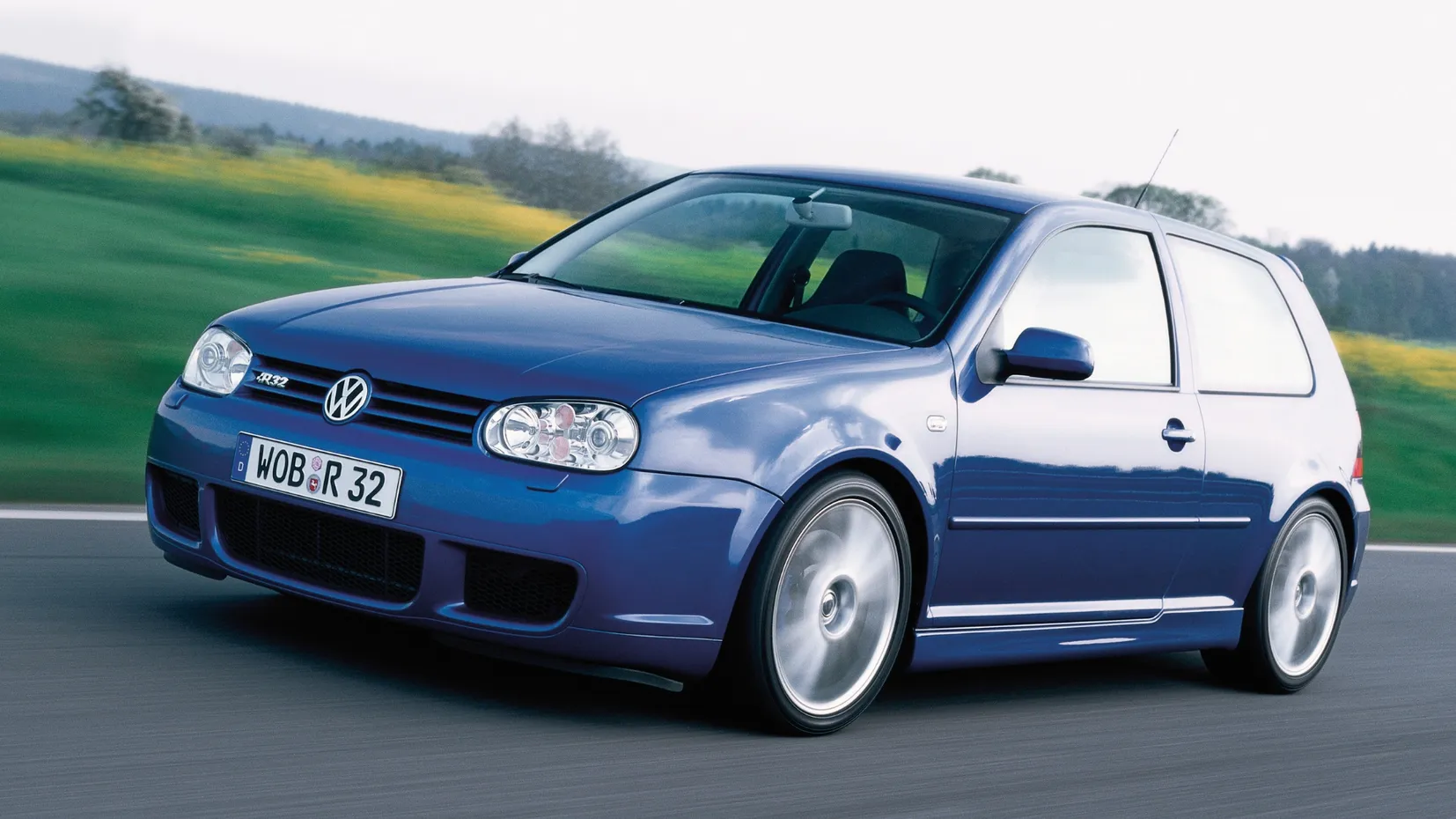
Fun fact: While the Mk1 Audi TT 3.2 V6 is considered the true production car launch of the DSG twin-clutch gearbox (a descendant of the PDK ’box detailed above), a handful of left-hand-drive Mk4 Golf R32s, using the same engine, appear to have got the inaugural six-speed transmission first. Bank that one if your local pub quizmaster is an irredeemable petrolhead…
NOTE: This story first appeared on TopGear.com. Minor edits have been made.