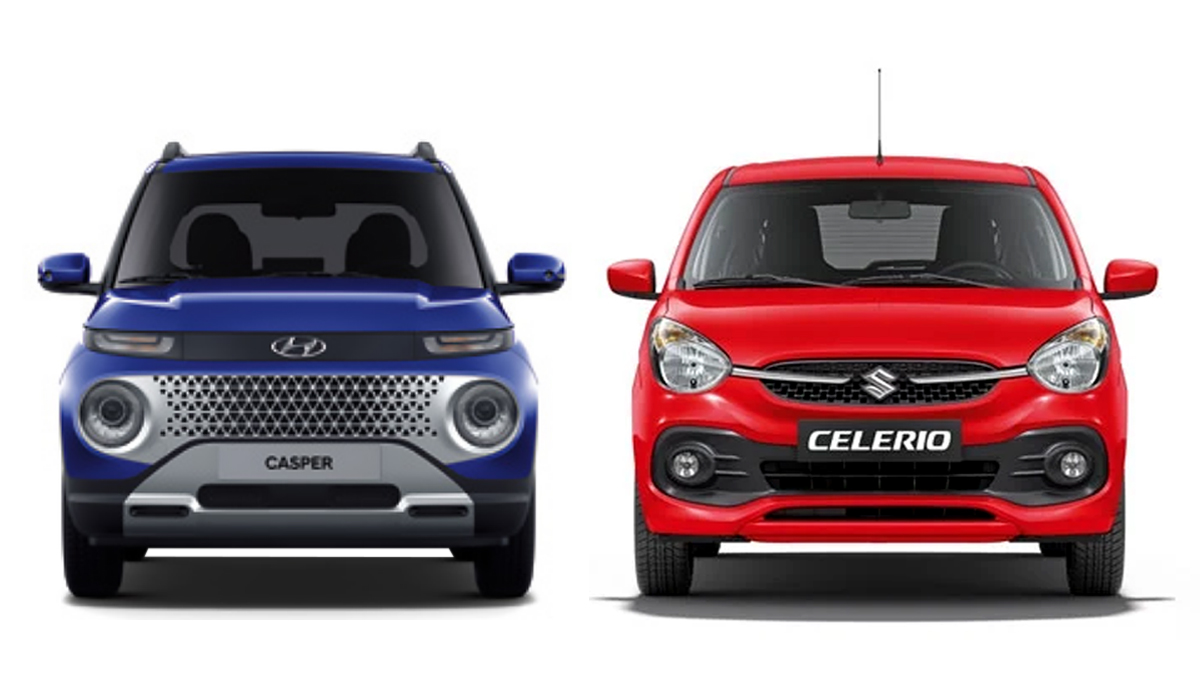
While the Casper isn’t part of the initial lineup of Hyundai Motor Philippines, we still hope to see the pint-sized crossover at some point. This stylish mini SUV is the perfect alternative to the typical A-segment hatchback.
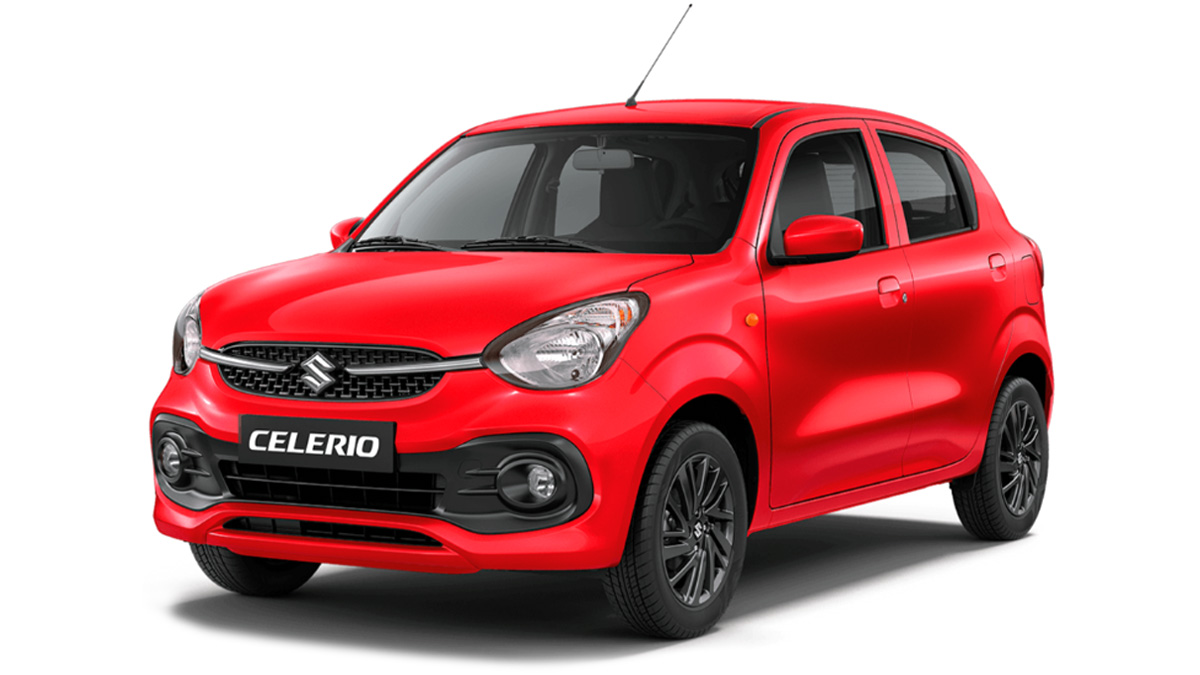
Today, we’ll pit the model against the newly launched Celerio and see how this tiny Hyundai compares to the Suzuki size-wise.
Casper vs. Celerio
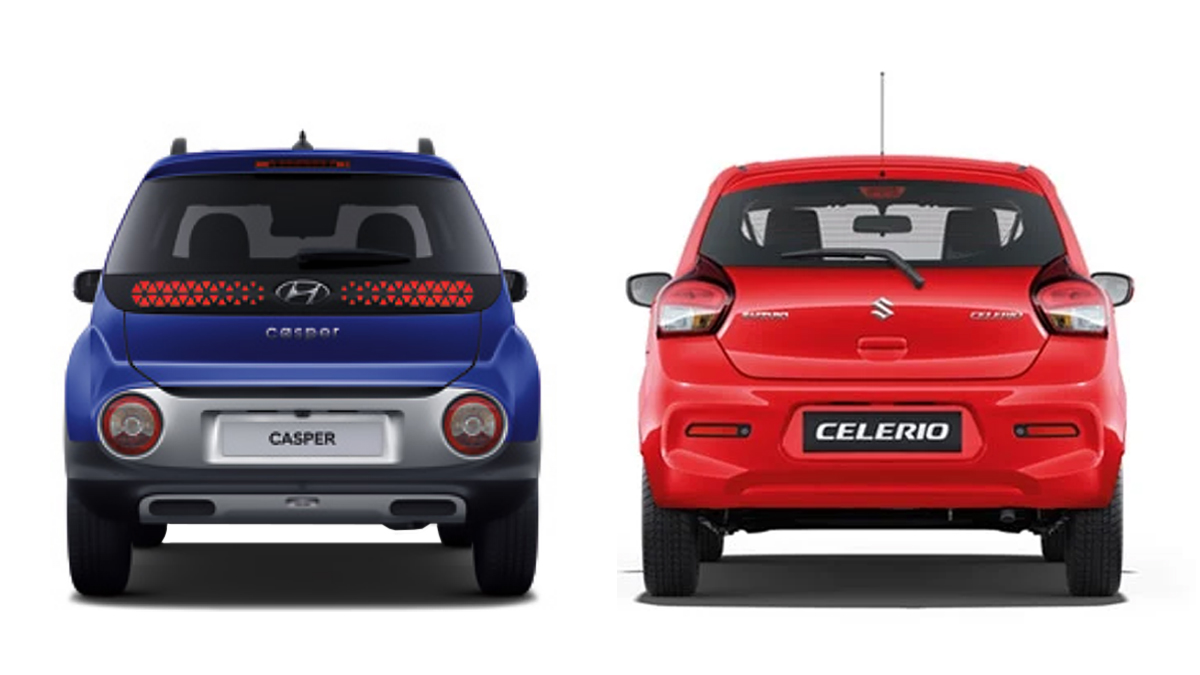
The Casper measures 3,595mm in length, 1,595mm in width, and 1,575mm in height. This makes the baby Hyundai crossover 100mm shorter, 60mm narrower, and 20mm taller than the Celerio. It rides on a 2,400mm wheelbase, which is 35mm shorter than the Celerio’s.
Wheels and ride
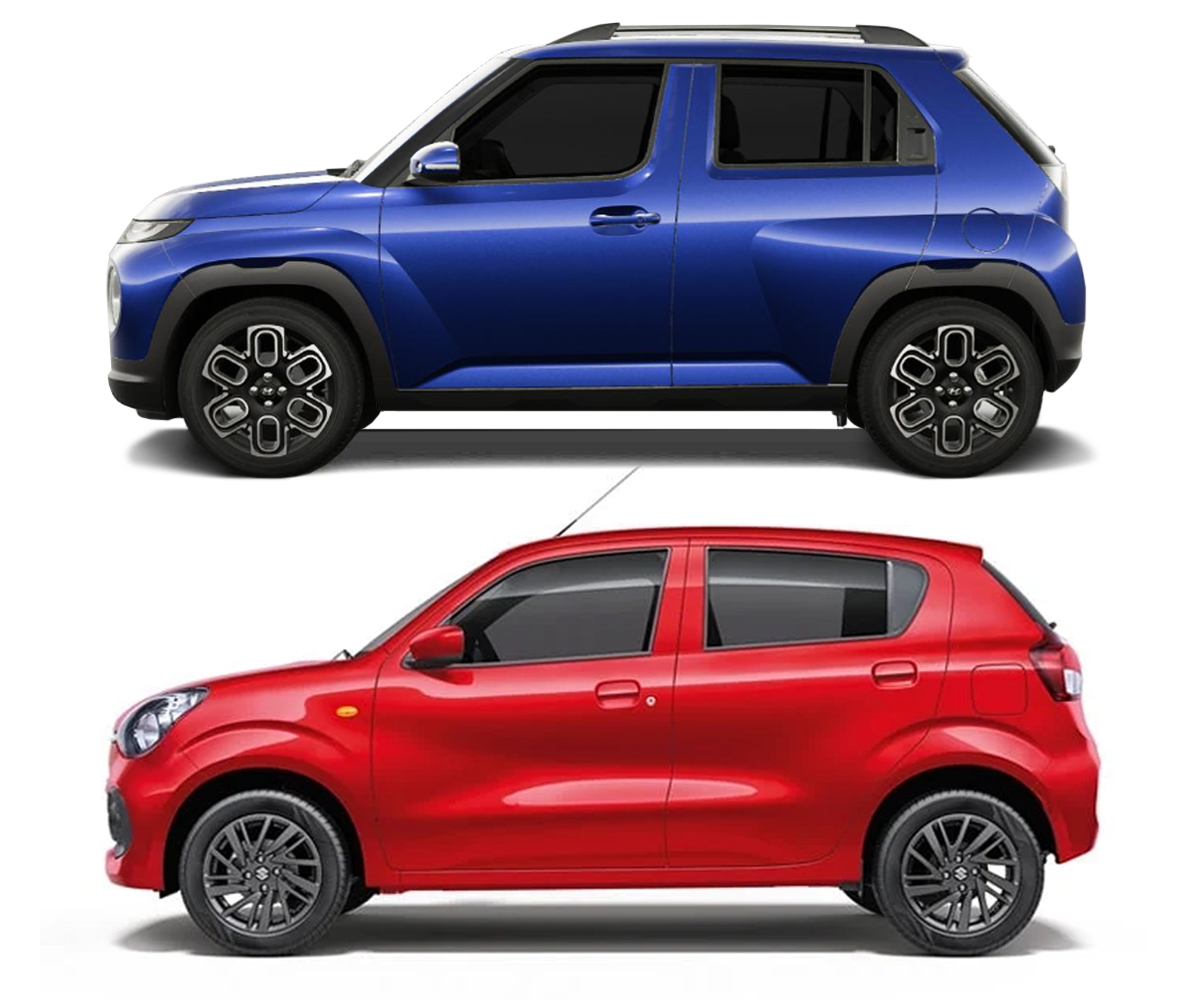
Hyundai hasn’t mentioned the Casper’s ground clearance, but judging from the images, it doesn’t seem to sit any higher than the Celerio.
The Hyundai rolls on larger wheels and tires: Its base variant gets 15-inch styled steel wheels and 185/65R15 tires, while higher trims are available with 17-inch alloys shod with 205/45R17 tires. The Celerio, on the other hand, rolls on 15-inch alloy wheels on smaller 175/60R15 tires. The diameter of the Casper’s tires are one to 1.2 inches greater than the tires of the Celerio. The combination of tighter dimensions and larger-diameter tires give the little Hyundai a different stance that fits its more playful and adventurous image.
MORE CAR COMPAROS YOU MIGHT HAVE MISSED:
How big is the all-new Toyota Avanza?
Spec-sheet brawl: Honda HR-V vs. Geely Coolray vs. Ford Territory vs. Chevrolet Tracker
Seating capacity
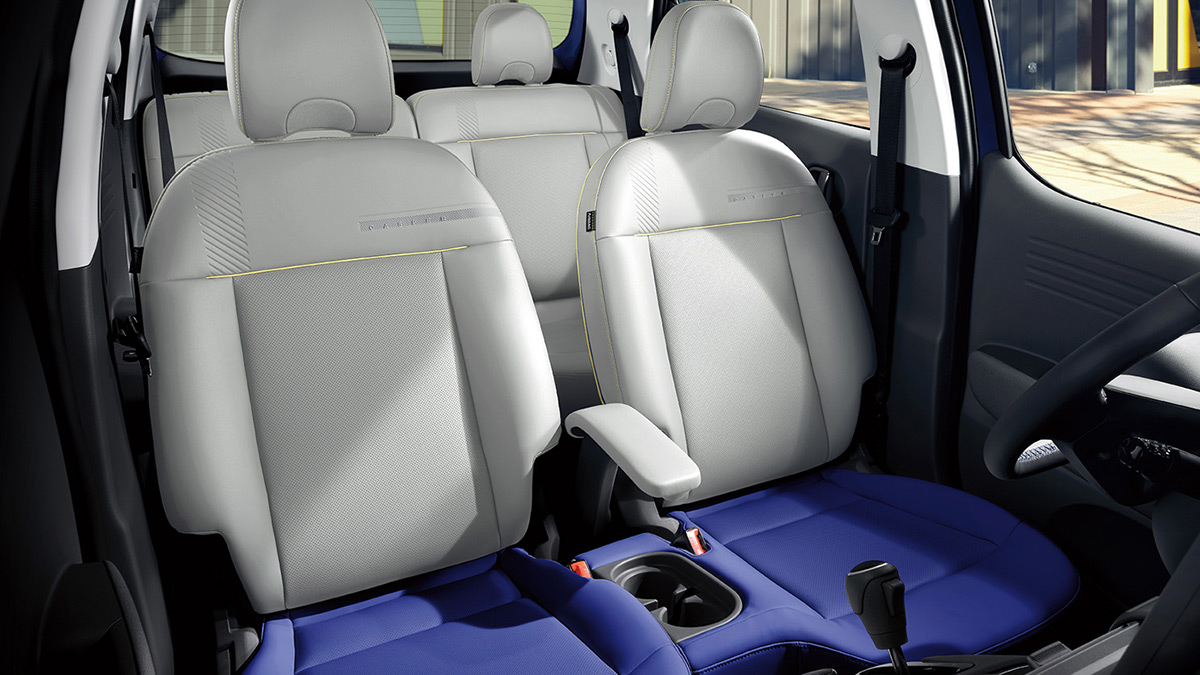
The narrower Casper is designed to seat four—one less than the five-seater Celerio. The way the little Hyundai’s rear seats are shaped and the positioning of the seatbelt buckles dictate that only two people can sit in the rear. Some Casper variants also come with 50:50 split rear seats that slide and recline independently.
Engine and transmission
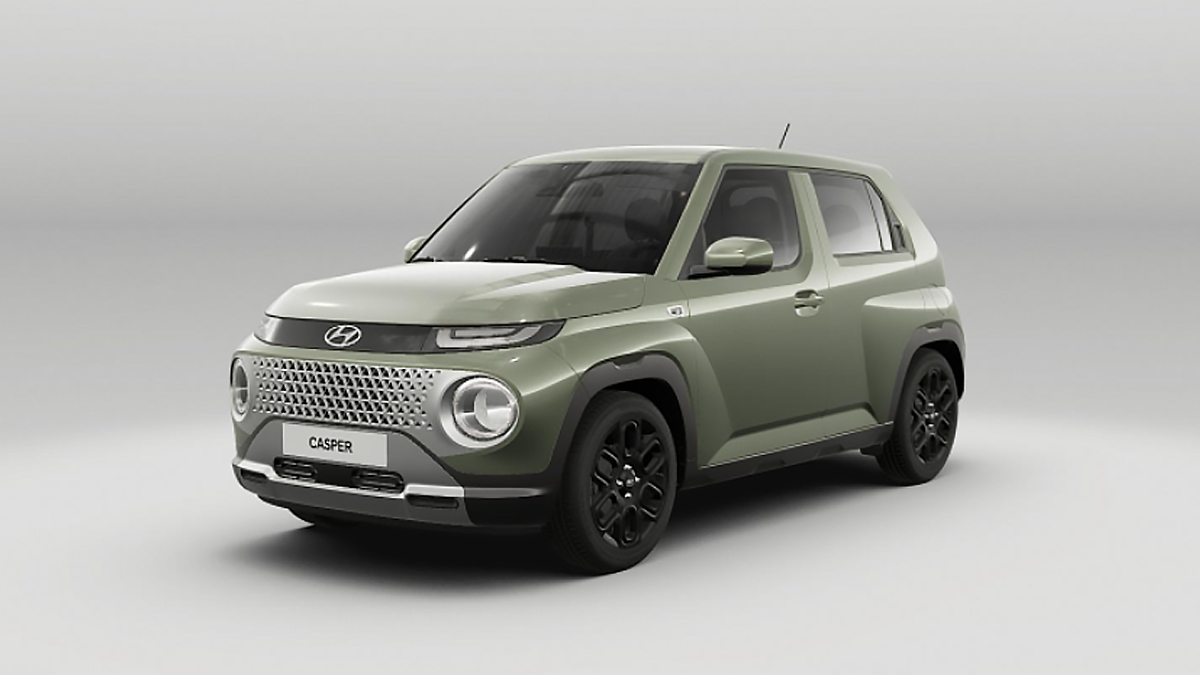
Unlike the Celerio, which is only offered here with a 66hp naturally aspirated 1.0-liter engine, the Casper is offered with either a 75hp 1.0-liter naturally aspirated mill or a more powerful 99hp 1.0-liter turbocharged engine.
While the Casper has the option of more powerful engines, the tiny Hyundai is only offered with a four-speed automatic transmission. The Celerio, on the other hand, can still be ordered with a traditional five-speed manual gearbox option. All Casper variants come with a 35-liter fuel tank, which is three liters more than the one found in the Celerio.
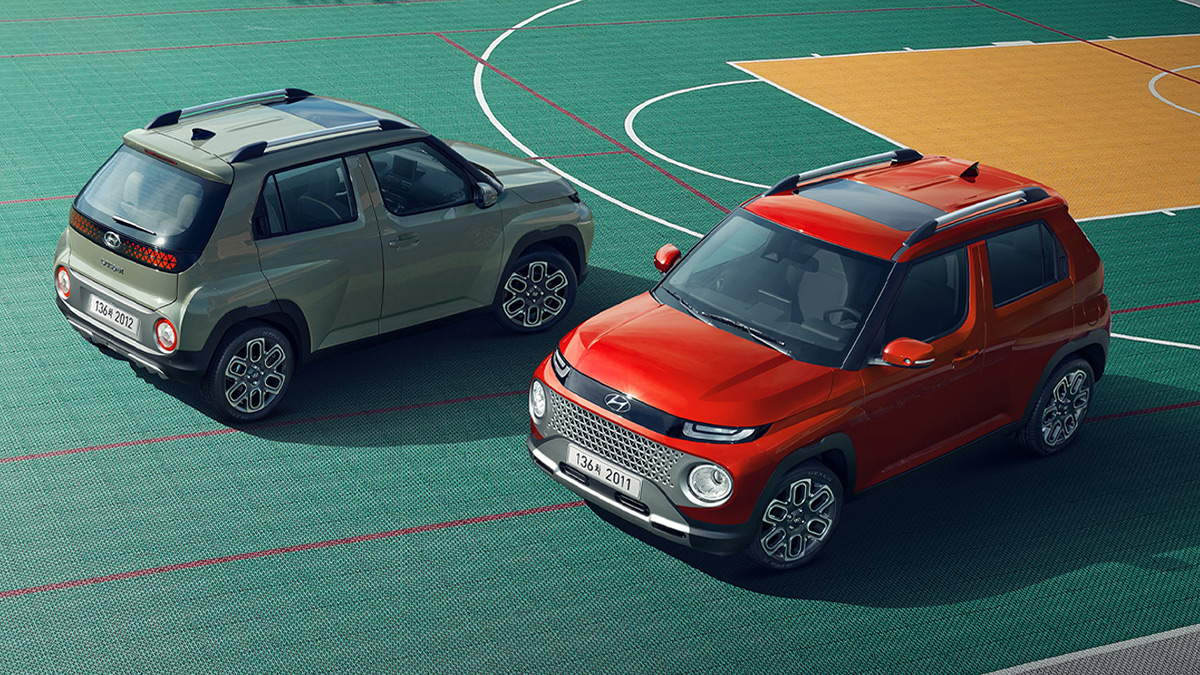
If Hyundai Motor Philippines ever decides to offer the Casper in the Philippine market at a reasonable price, would you consider it over established A-segment hatchback models like the Celerio? Please let us know in the comments.