

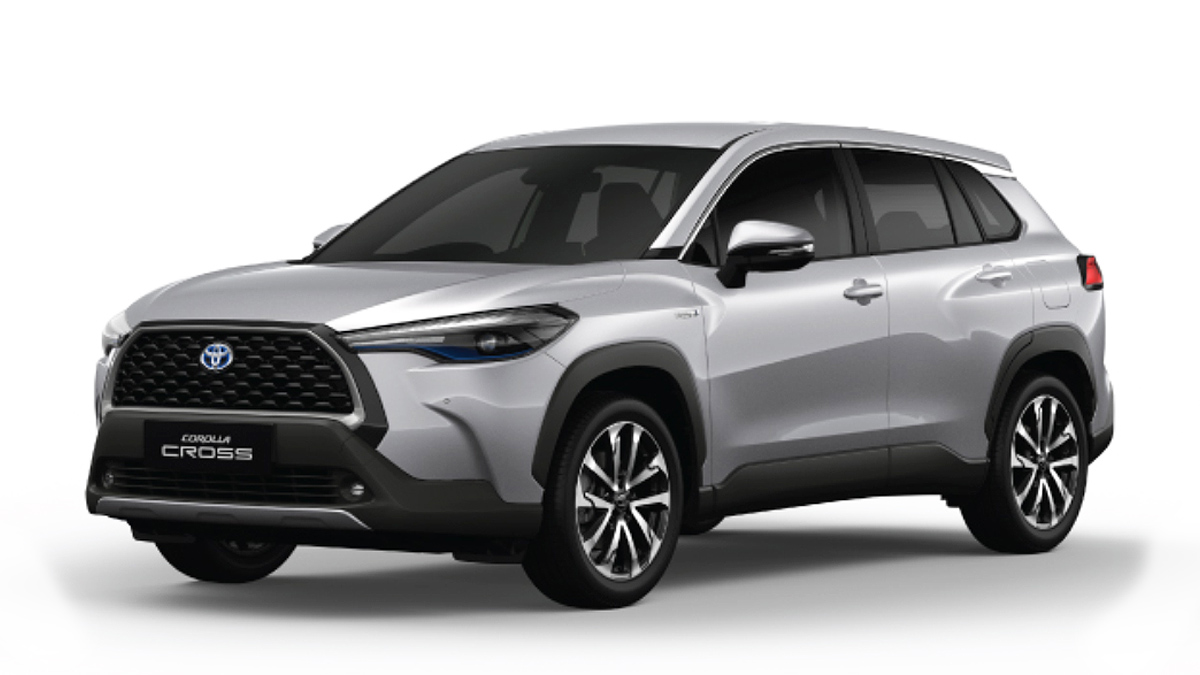
One can say that the ’90s was a great time for cars. Perhaps it’s the mix of analog and digital technology coming together, or pure nostalgia, it was the decade that produced some of the most memorable and iconic cars today. It also helped that the local motoring industry blossomed following the doldrums of the ’80s.
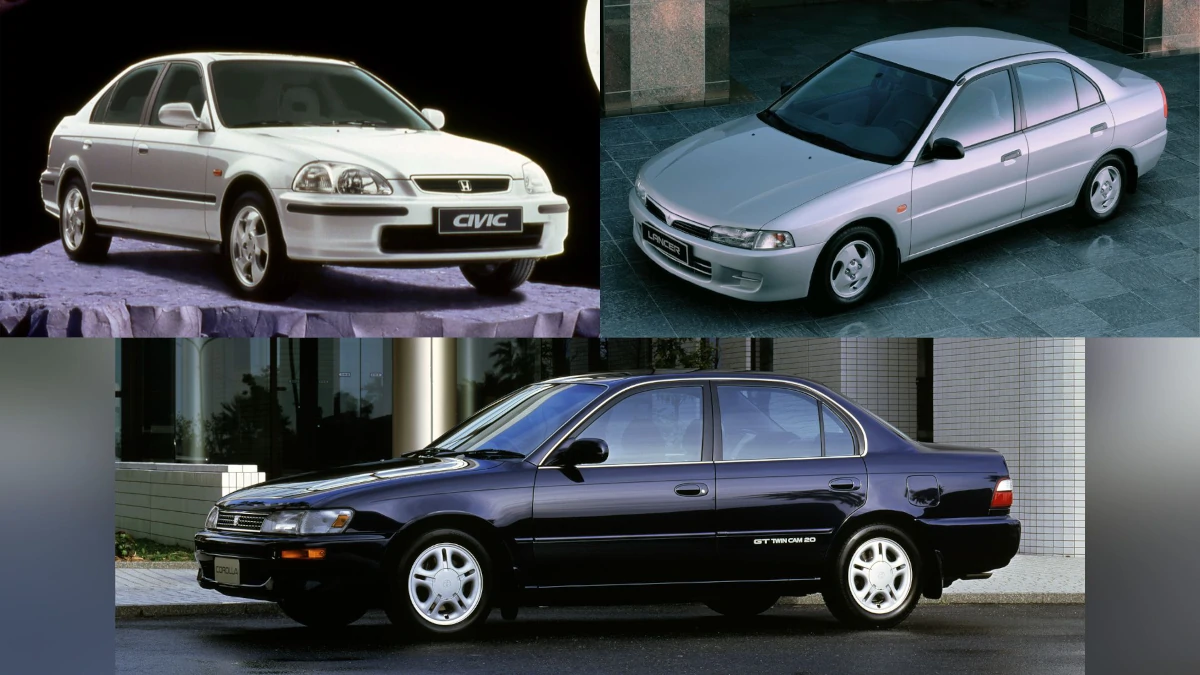
This was a time before SUVs were all over the place. The most popular body style at the time was none other than the compact sedan. The top dogs of the segment? It was none other than the Honda Civic, the Mitsubishi Lancer, and the Toyota Corolla, and it all came to a head in 1996.
That year, both Honda and Mitsubishi rolled out the latest versions of their C-segment models. Toyota, on the other hand, had given the Corolla a facelift a year prior. It was a showdown like nothing else at the time, and if you had the 1.6-liter versions of these cars, you had every right to feel good about yourself. Bonus points for those who opted for the pricey (and now rare) automatic versions.
So, which of these had the best numbers and features to offer? Read on.
Dimensions
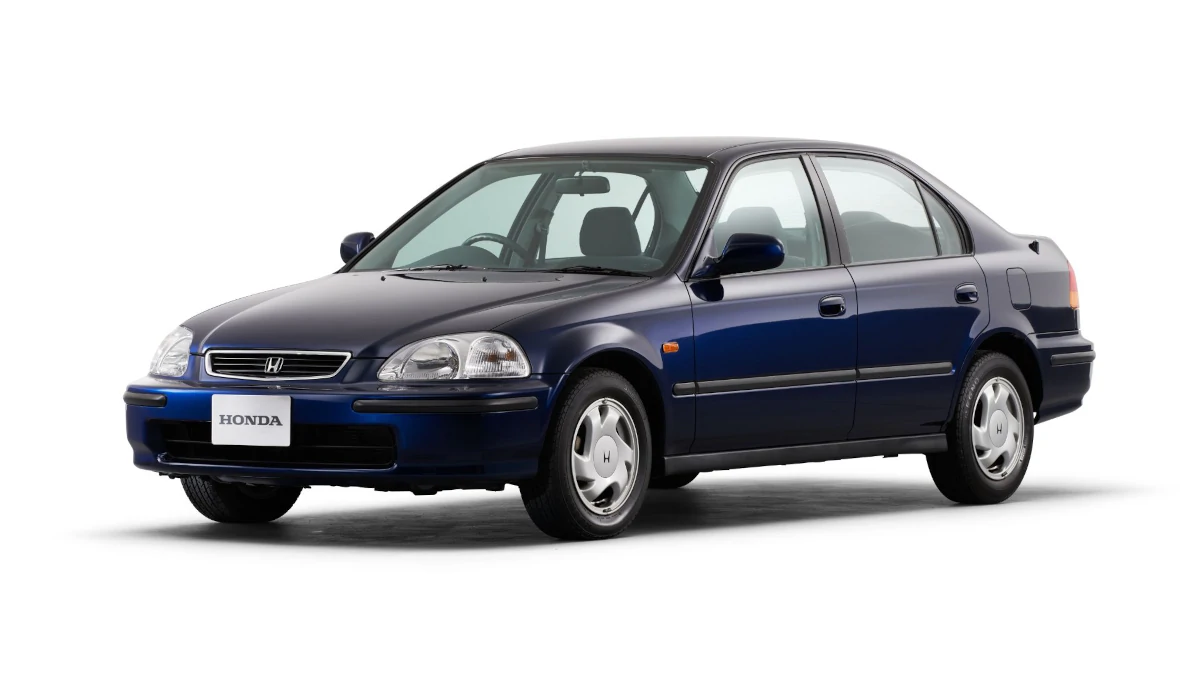
We call cars like the City, the Mirage G4, and the Vios small sedans nowadays, but younger readers might be surprised that these are much bigger than their supposed bigger brothers from the ’90s.
Among the three, the Honda Civic was by far the biggest. It measured 4,450mm long, 1,695mm wide, and 1,390mm long, with a wheelbase of 2,620mm. For comparison, the car that comes close to the Honda, the Mitsubishi Lancer, was 4,290mm long, 1,690mm wide, and 1,410mm tall, with a wheelbase of 2,500mm.
OTHER STORIES YOU MIGHT HAVE MISSED:
Apparently, the Philippines has the second largest allotment of Land Cruisers in the world
Subaru is 2024’s most reliable car brand, beating Toyota and Lexus
The smallest of the group was the Toyota Corolla at 4,270mm long, 1,685mm wide, and 1,380mm tall, with a wheelbase of 2,465mm. That said, it was already a three-year-old model (four in other markets) by 1996.
Other figures
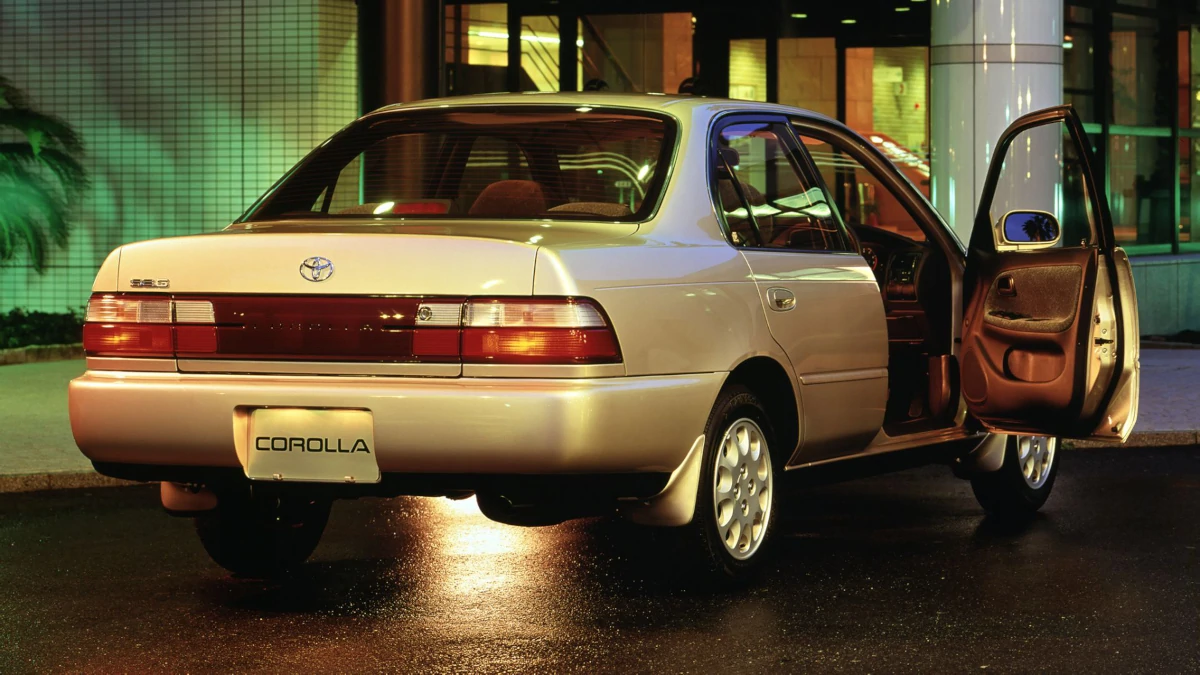
Considering their sizes, their cargo capacities were decent as well, at least for Honda and Mitsubishi. The Lancer edged the Civic despite being much shorter and a hair narrower. It offered 420 liters of space in the trunk, versus the Civic’s 410 liters. Meanwhile, the Corolla’s trunk could carry 360 liters.
It’s amusing to see the ground clearance on these cars. For instance, the Corolla was 160mm off the ground, while the Lancer had a clearance of 165mm—figures that wouldn’t look out of place in a modern subcompact crossover. Rather shockingly, the Civic had a mini-SUV-like clearance of 180mm— that’s even higher off the ground than a new Honda HR-V RS. Maybe that’s why we didn’t see the need for SUVs and crossovers at the time? Just a thought.
As for fuel-tank capacity, the Lancer and Corolla were tied for the lead with 50 liters each. The Civic had to make do with five less at 45 liters—not that it affected range by much given anecdotal tales of its amazing fuel efficiency.
Powertrain
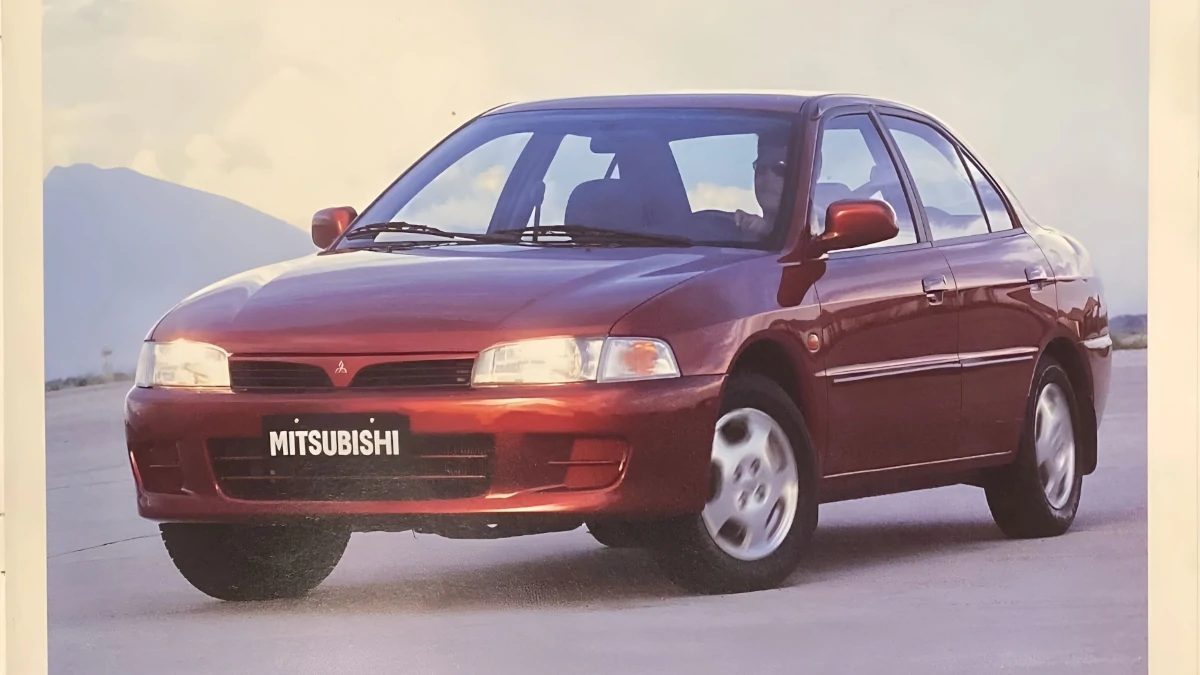
In their respective top-spec guises, the three models were similar on paper. They all had 1.6-liter engines with 16 valves, and a choice of five-speed manual or four-speed automatic. That’s where the similarities ended as they all greatly varied in power output.
Despite Honda’s persistence (some say stubbornness) to stick to single-cam engines, the Civic made the most power in the group. It put out 127hp and 145Nm of torque even with a single cam, no doubt aided by VTEC.
A fair way back is the Lancer, which churned out 115hp and a respectable 140Nm. That’s not bad for an engine that ran a single cam and didn’t come with variable valve timing. The only car here with a twin-cam engine is the Corolla: It made 110hp and 142Nm, its conservative power output offset by higher torque than the Lancer.
Features
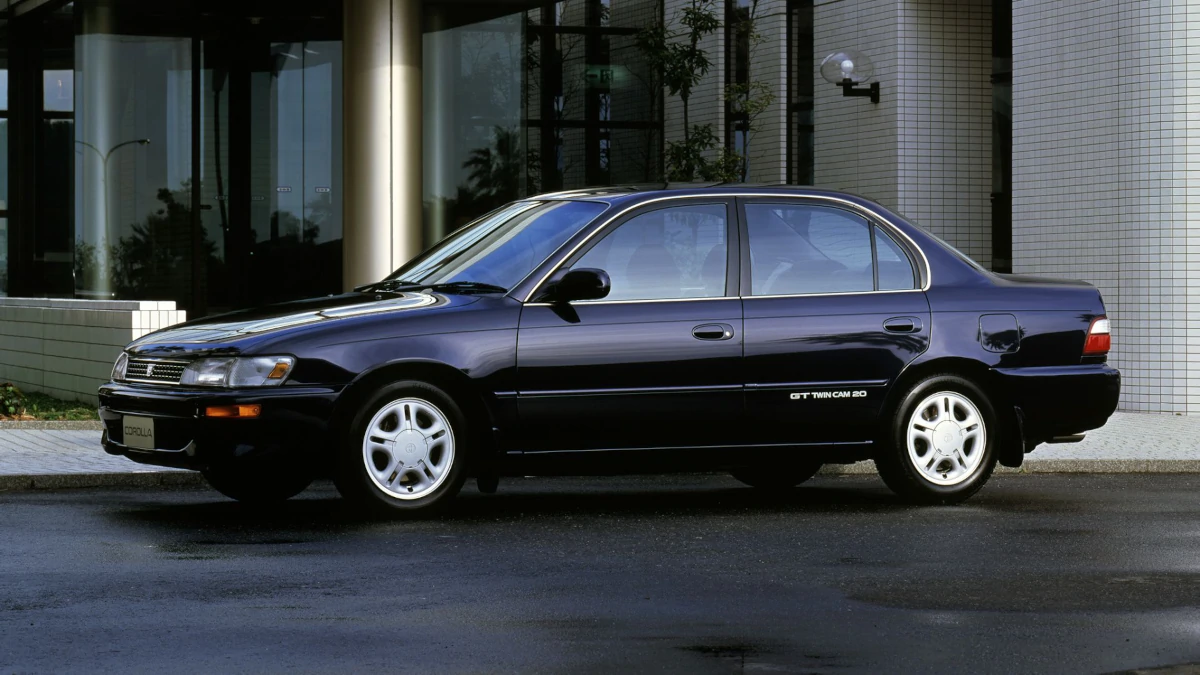
Despite being the oldest car here, the Corolla was actually the first in its class to offer an airbag. While it was only for the driver’s side, it did add a layer of occupant protection. It gained an anti-lock braking system (ABS) in 1997. It wasn’t the first in the C-segment to have the feature (that title goes to the Nissan Sentra), but it helped bring the idea of ABS to a wider audience because of its popularity. The Lancer did eventually get those features, but that was toward the end of the millennium.
As for the Civic, none of those were offered throughout this generation’s production run. One can say that the Civic’s safety feature was the driver’s skill—in other words, galingan mo mag-drive. Of course, Civic drivers were rewarded with a more dynamic and sportier driving experience thanks to its double-wishbone suspension on all four corners. The Lancer and the Corolla used MacPherson struts on the front.
In the Mitsubishi, the surprise-and-delight feature came in the form of greater driver-seat adjustability. It was among the first cars to feature height-adjustable seats—a carryover feature from the last two generations of the model, but still a unique thing to have back then. It also had a multilink rear suspension, which was something you’d find on a Mercedes-Benz.
Price
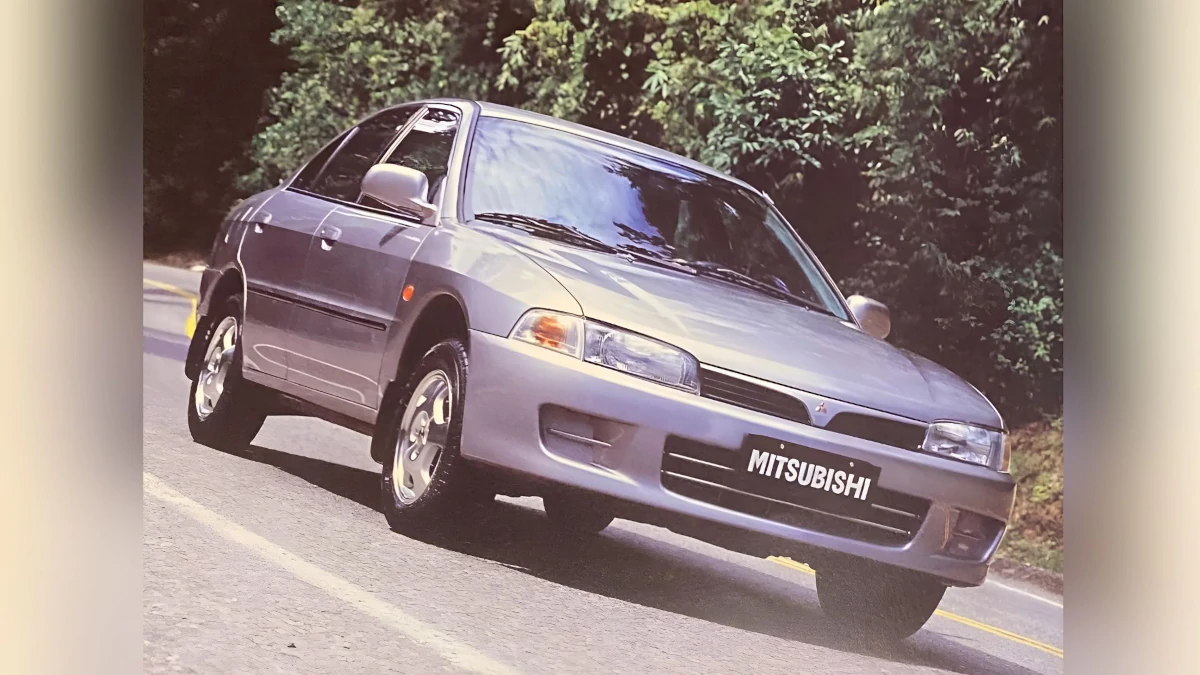
In terms of pricing, the Honda Civic VTi with a manual transmission cost P569,000, while the automatic set you back P599,000. For the Corolla GLi, the manual retailed for P555,000 while the automatic was P595,000. That said, the prices we have for the Corolla are from 1995.
But regardless, the Lancer GLXi was the bargain of the bunch. It started at just P510,000 for the manual, and the automatic was not much more expensive at P540,000. It was about P40,000 to P50,000 less than the Corolla and a whopping P60,000 to P70,000 cheaper than the Civic. And given that Mitsubishi (still) loves giving discounts, the Lancer of that era was a steal.
Curious how much all the variants cost? Check out the list below
1996 Honda Civic
- Civic 1.5 LXI MT – P487,000
- Civic 1.5 LXI AT – P517,000
- Civic 1.6 VTI MT – P569,000
- Civic 1.6 VTI AT – P599,000
1995 Toyota Corolla
- Corolla 1.3 XL MT – P409,000
- Corolla 1.3 XE MT – P470,000
- Corolla 1.6 GLi MT – P555,000
- Corolla 1.6 GLi AT – P595,000
1996 Mitsubishi Lancer
- Lancer 1.3 EL MT – P385,000
- Lancer 1.5 GL MT – P445,000
- Lancer 1.5 GL AT – P475,000
- Lancer 1.6 GLXi MT – P510,000
- Lancer 1.6 GLXi AT – P540,000
The compact sedan today
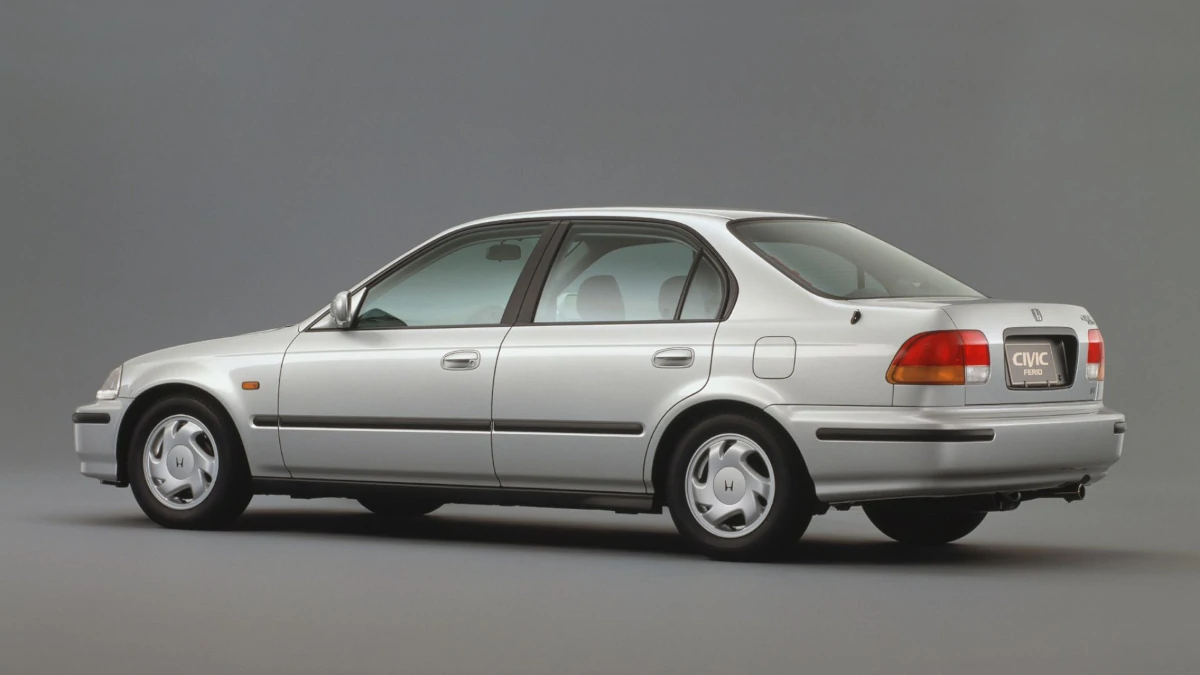
We wouldn’t call modern compact sedans ‘compact’ anymore. If anything, they now have the same dimensions as ’90s executive sedans like the Camry and the Accord. Sadly, the segment isn’t what it once was, and they’re no longer the sales drivers of each brand.
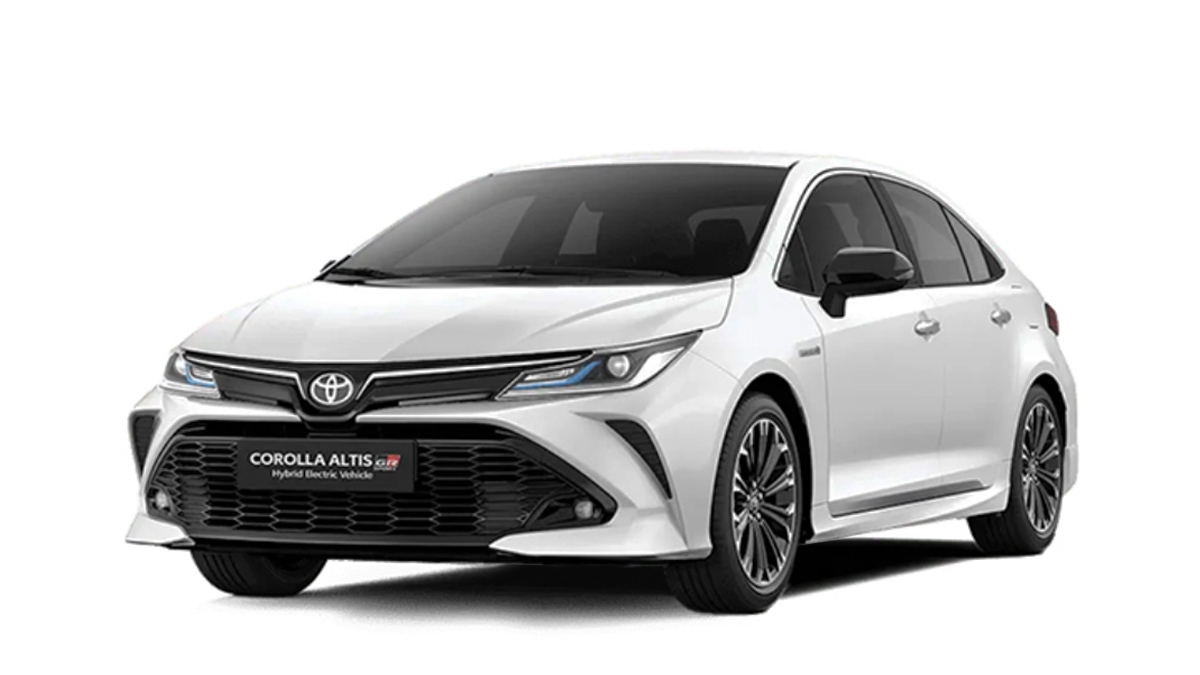
With the rise of crossovers, MPVs, and SUVs, sedans in this class have been relegated to a somewhat niche status. Also, the entire genre of the 1.6-liter sedan is dead. Honda switched to 1.8-liter engines in 2006 and subsequently replaced that with a 1.5-liter turbo, while the Lancer soldiered on with a 1,600cc option with it until 2018. The last 1.6-liter sedan in the country was the pre-update version of the current Corolla Altis.
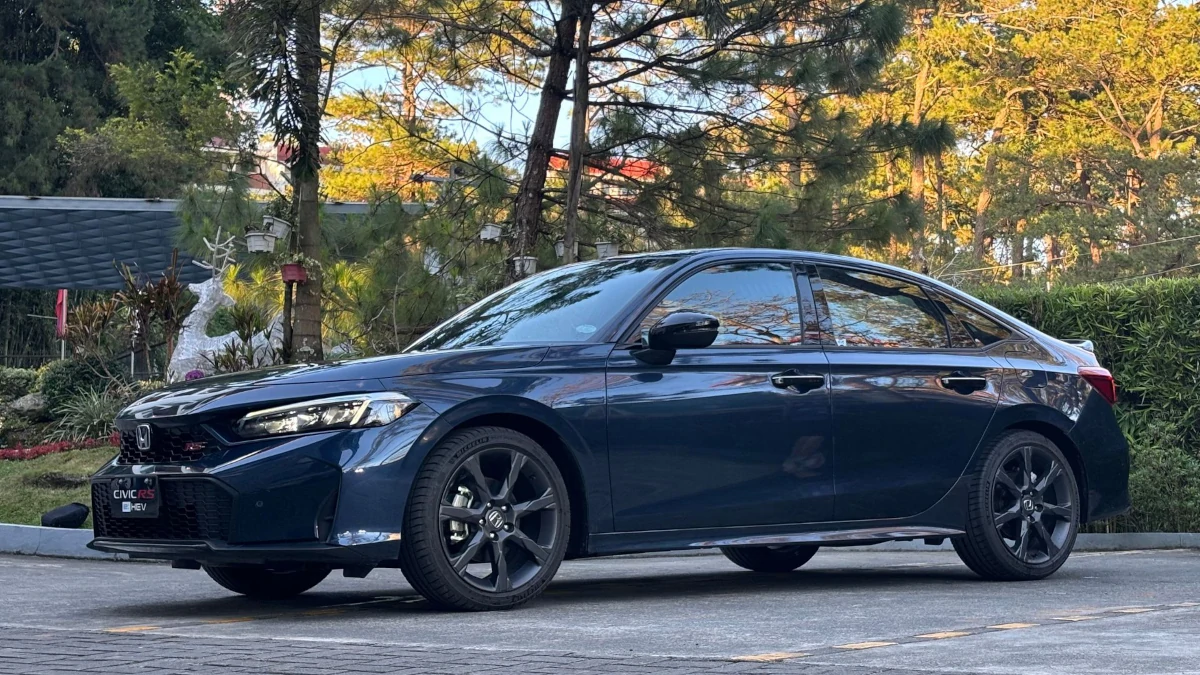
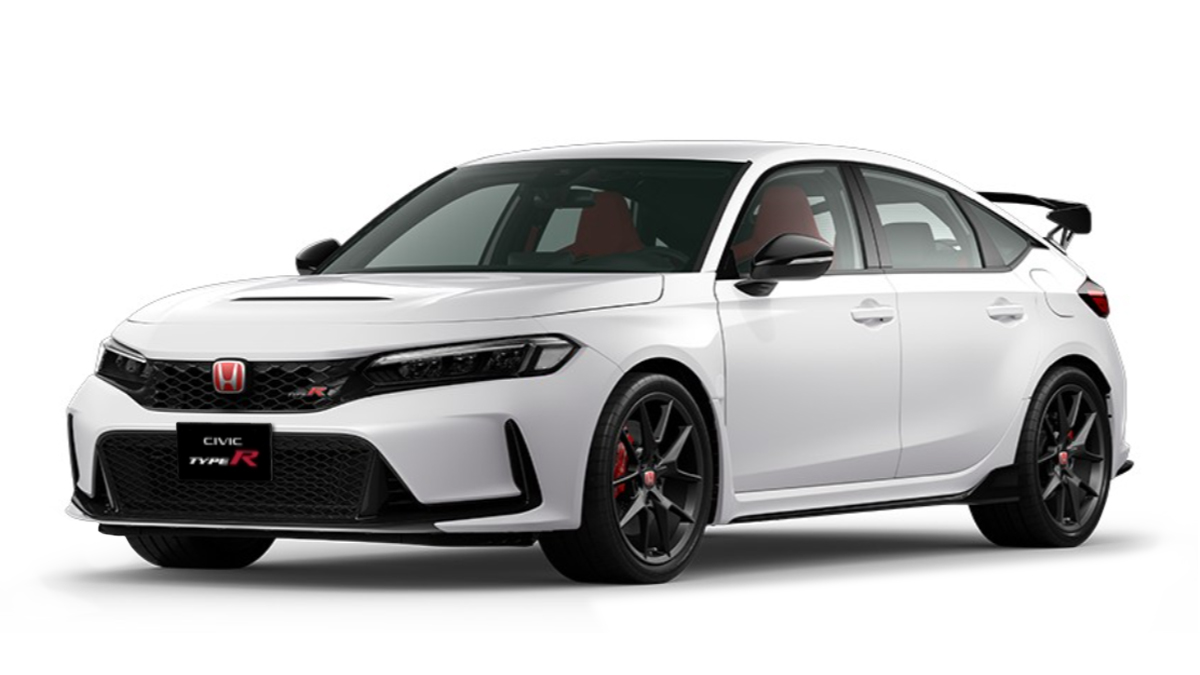
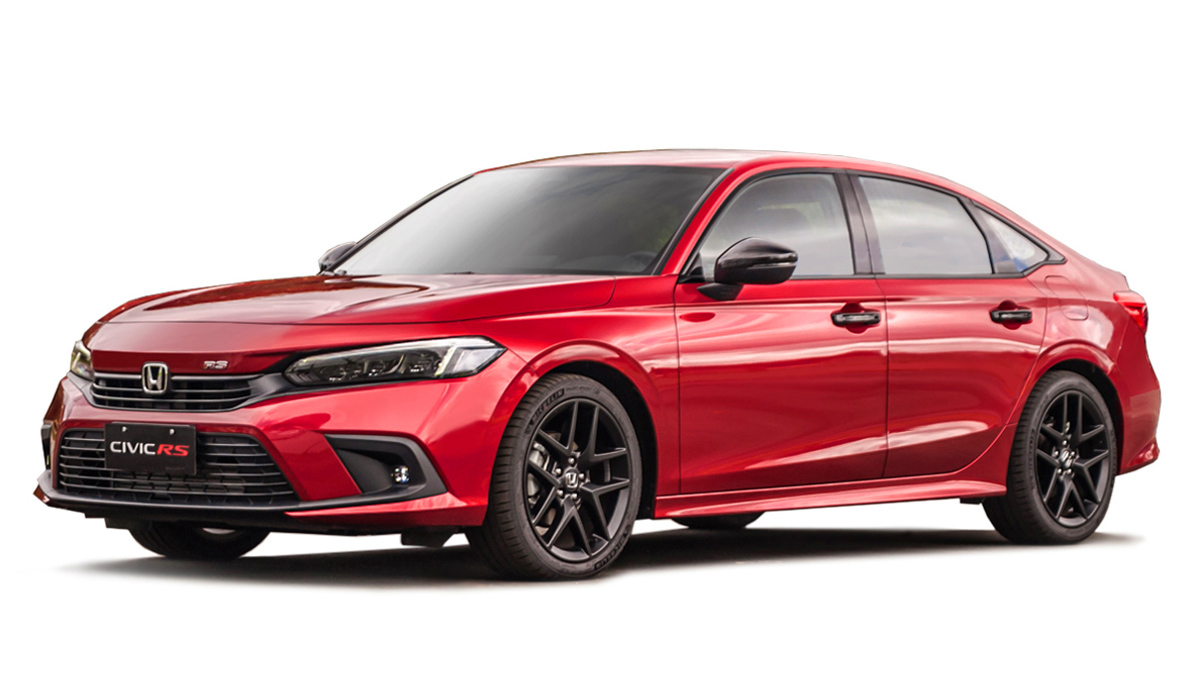
Nowadays, the Civic is touted as a junior sport sedan (both in turbo and hybrid forms) with a far more premium positioning than its ’90s counterpart. The Corolla is still hanging in there, but it did pioneer the idea of electrification in its segment. As for the Lancer, it hasn’t been around since 2019, unless you count the Grand Lancer from Taiwan. That version was discontinued in mid-2024.
Still, the rivalry that these three models once had is now well ingrained in Philippine motoring history. We’ll never see anything like it again, and it makes us pine for the simpler times.