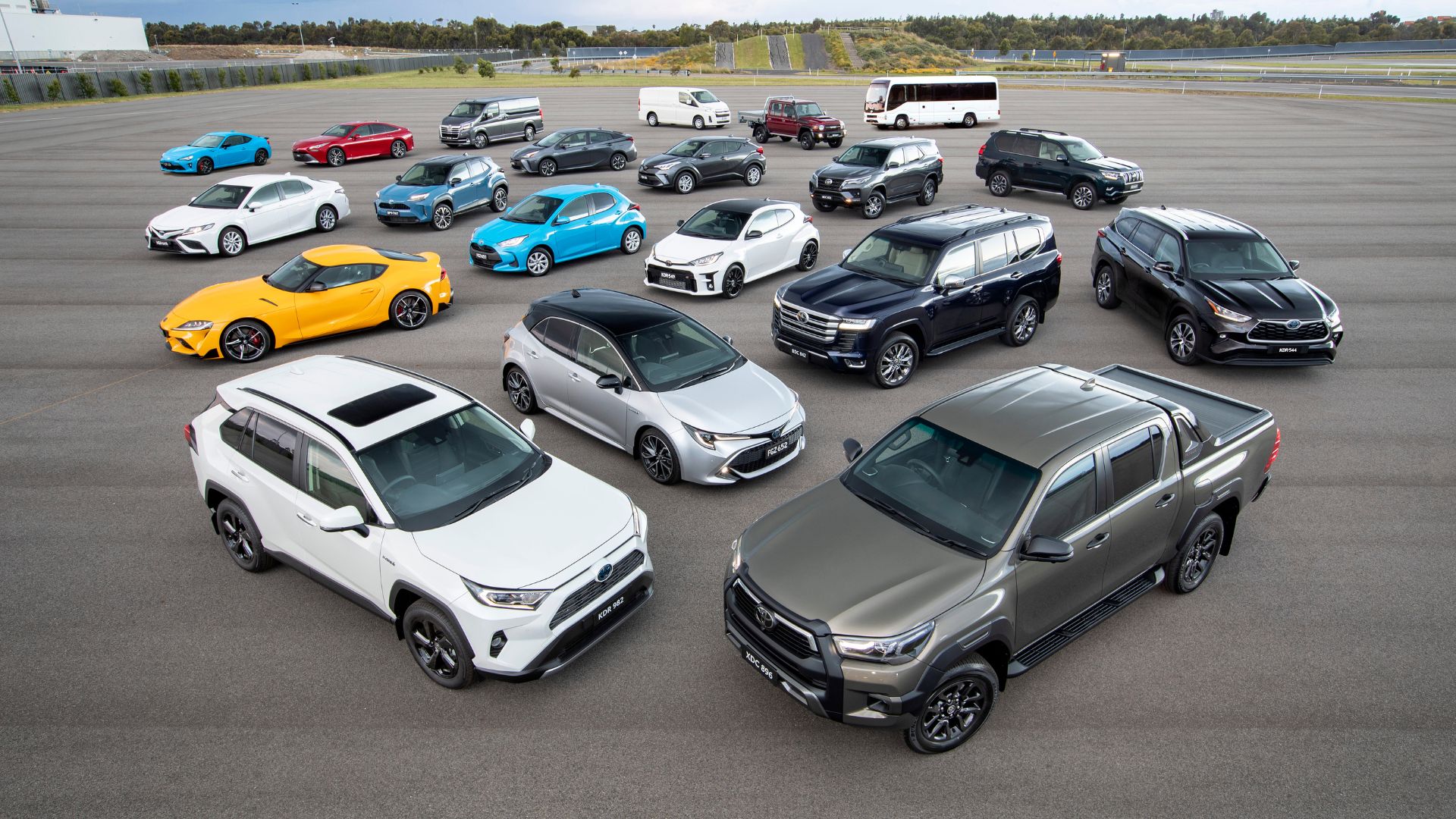

There’s no denying that Toyota is an absolute juggernaut in the automotive landscape. Not only is it the biggest automaker in Japan, it has also been consistently at the top (or near the top) in global automobile sales and production.
With that, 2023 is a very significant year for Toyota. It’s not just because it has rolled out several all-new models this year. It’s also the year the Big T has rolled out its 300 millionth car. As far as we can tell, no other automaker has reached that milestone. Its closest rival, the Volkswagen Auto Group, is somewhere in the 200 million range.
OTHER STORIES YOU MIGHT HAVE MISSED:
First drive: The Serena e-Power would fit nicely in Nissan’s local lineup
First impressions: The e:N1 is proof that Honda has a bright, electrified future ahead
The early beginnings of Toyota
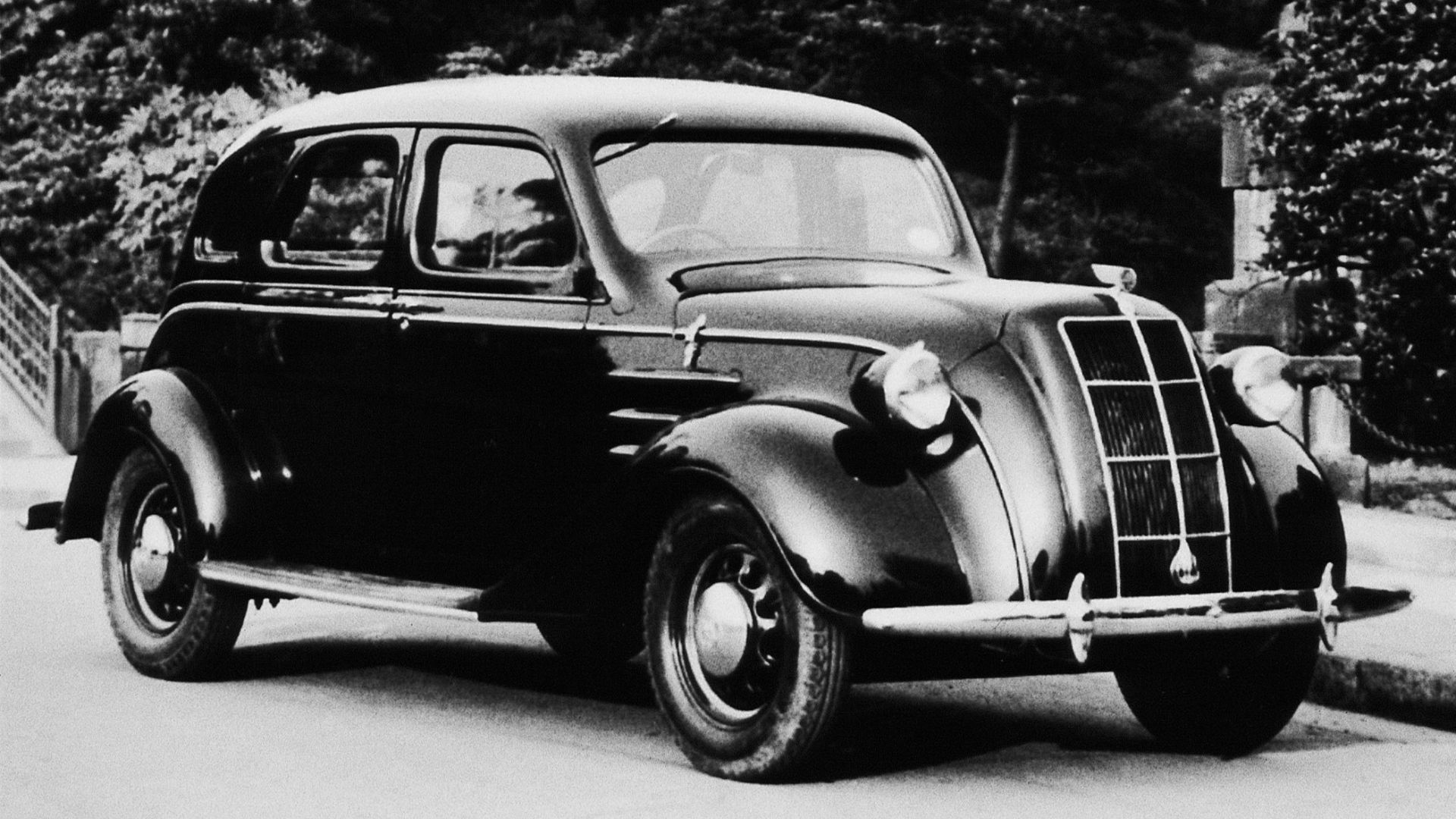
Toyota’s history stretches back to the early 1930s, starting out as a division of Toyoda Automatic Loom Works. Kiichiro Toyoda established the Automotive Production Division on September 1, 1933 with the company getting to work on its first prototypes. By 1934, it had produced its first engine and by 1935, had two prototype vehicles. These are the Model A1 and G1 truck.
The company would roll out its first production model, the AA, in 1936 and the G1 truck eventually reached production. It was a good time for Toyota too as Japan was undergoing a major economic transformation. The automotive sector was growing too with Ford and General Motors setting up shop over there. It could be said that Toyota came in at the right time.
However, all that progress would come to a screeching halt in the ‘40s because of the World War II. Production had shifted to supporting the war effort with no passenger cars made during that period. The company had also dodged a major blow towards the end of World War II, as it was supposed to be bombed by the Allied powers. The reason why that didn’t happen is because Japan had surrendered before the bombing could take place.
Post-war struggles and revival
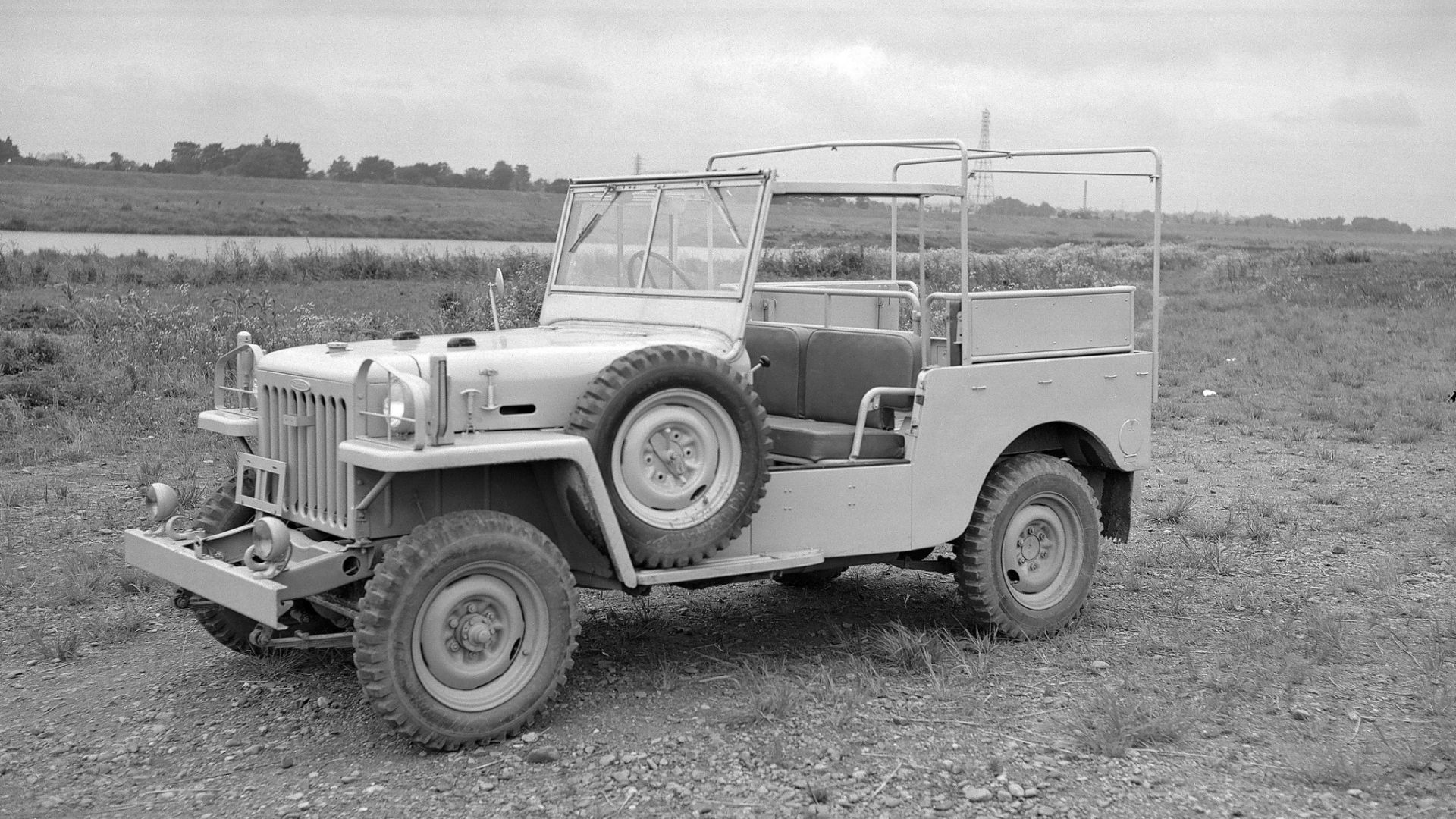
Toyota may have been spared from attacks, but the rest of the country was in shambles. Destruction and devastation, along with war reparations, brought Japan to its knees. By the late ‘40s and early ‘50s, Toyota was on the brink of bankruptcy and on the verge of shutting down. Layoffs and wage reductions resulted in months long strikes, and the brand was deep in debt from loans.
By then, Taizo Ishida had succeeded Kiichiro Toyoda as president of Toyota, and as luck would have it, the company’s fortunes would turn around. Ironically, it would be another war that helped Toyota on its way back to recovery. Another irony is that it would be the US military that would be the key.
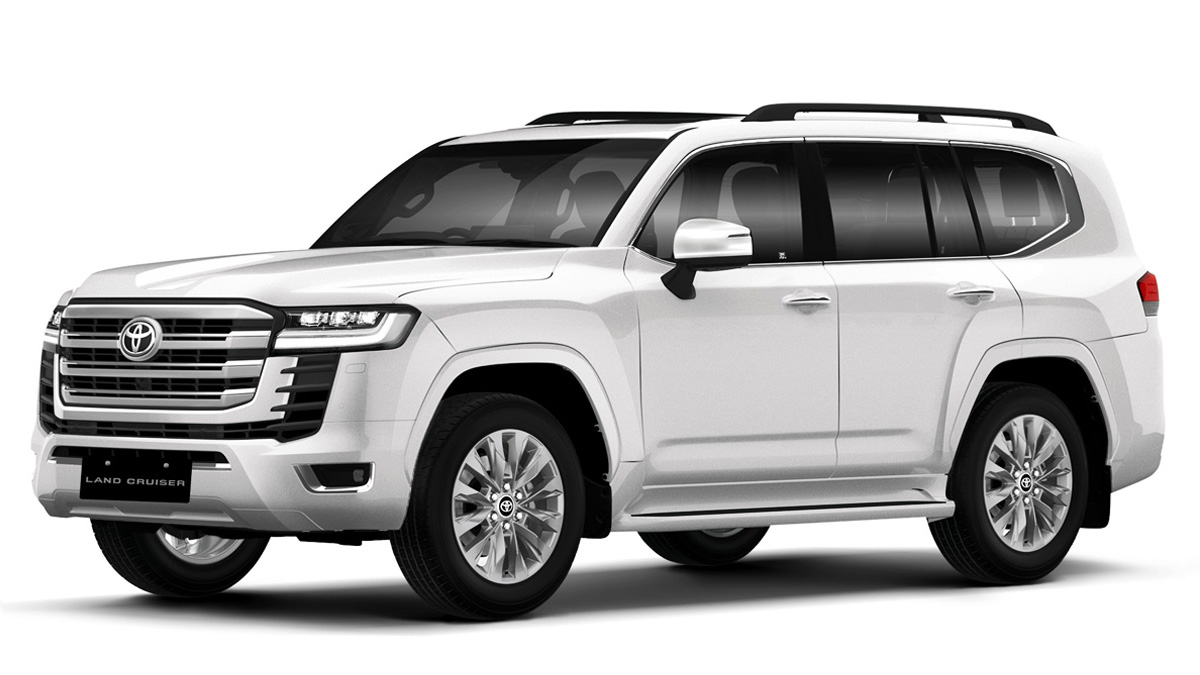
At the time, the US military requested Japanese automobile companies for a ‘jeep-like’ vehicle that they can use for the Korean War. It was a fight between Nissan and Toyota for that contract, and it was the latter that won because of a certain model called the Land Cruiser. Okay, so it wasn’t called Land Cruiser just yet, but it was the Toyota Jeep BJ that would lay the foundations of the company’s rise.
Going global
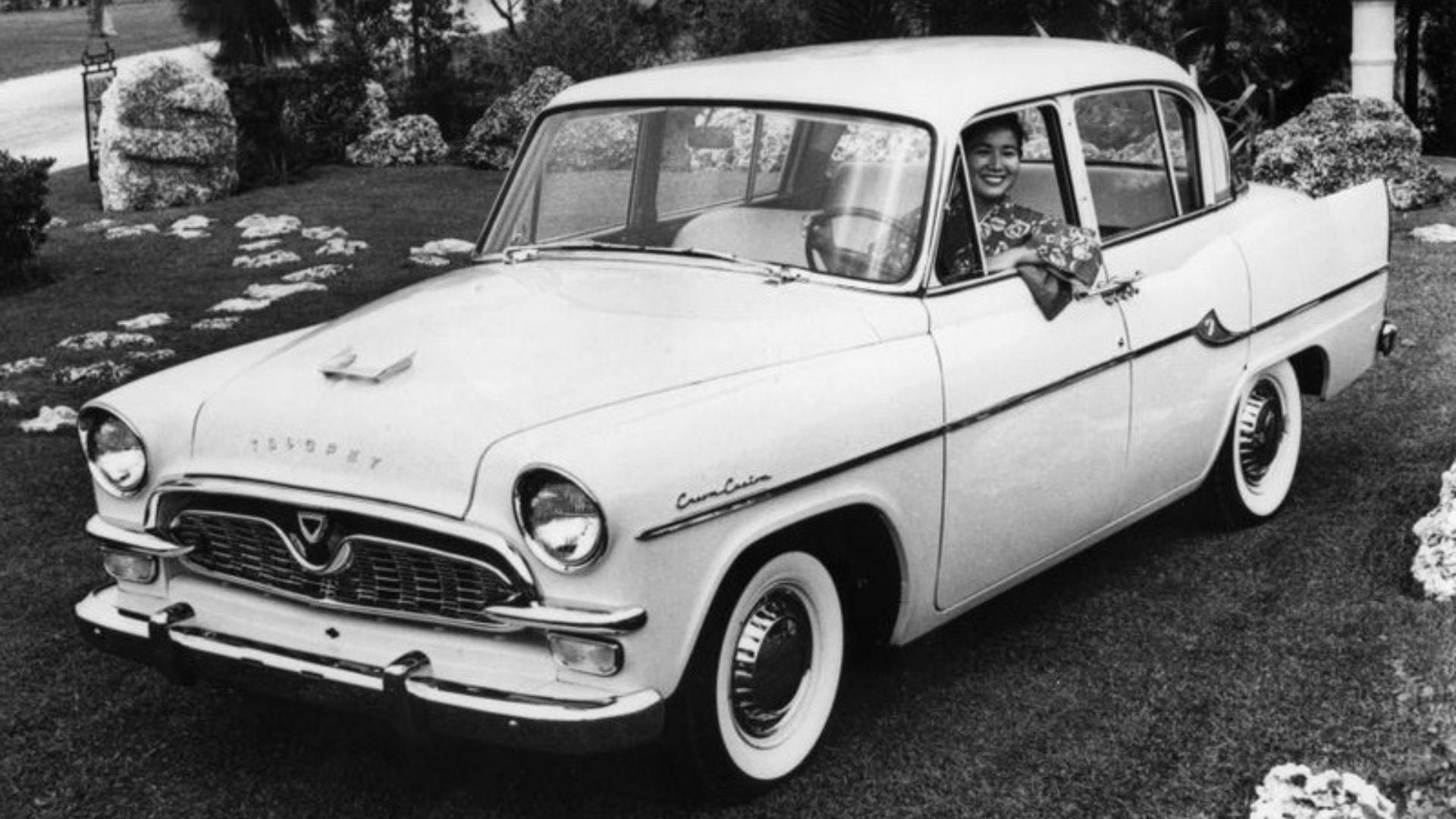
With the success of the Land Cruiser and, later on, the Crown in Japan, Toyota had set it sights on the largest export market at the time, North America. Its first attempt was with the Crown, but that plan nearly cost Toyota dearly as it failed to meet American consumer expectations. It was deemed too small, too slow, and too fragile for the continent.
Meanwhile in Asia, Toyota had more success in penetrating the market. Toyota had established a facility in Thailand, and Delta Motor Corporation acquired the rights to manufacture, distribute, and sell models in the Philippines. By the mid-60s, the brand had a stronghold in Asia, and Latin America. In made significant inroads in Africa as well because of the Land Cruiser and Hiliux. However, North America remained a tough nut to crack.
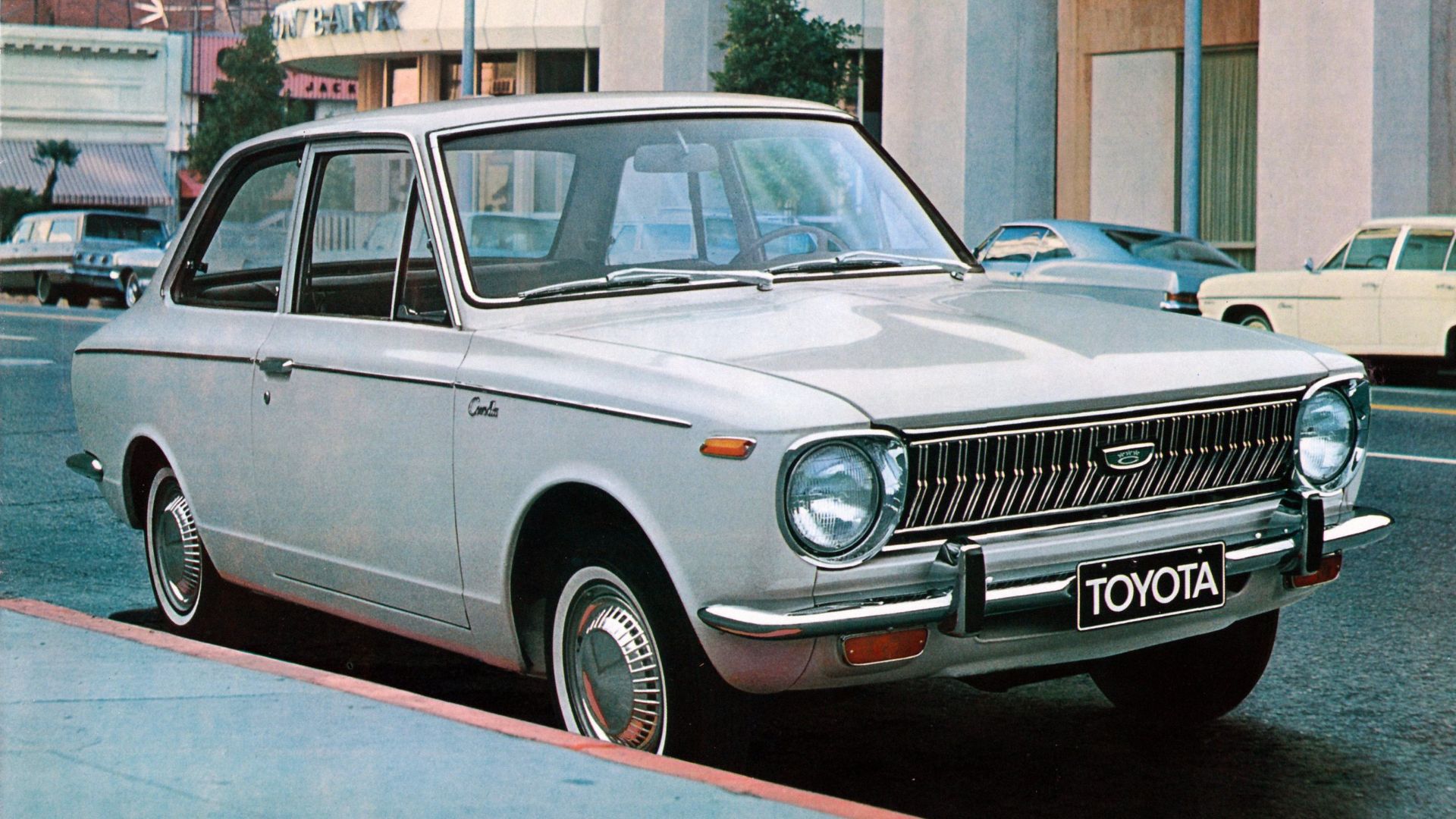
Its breakthrough in the US came in the form of the Corolla in 1966. Aimed at folks looking to curb their fuel bills, it quickly became one of America’s top-selling economy cars. But greater success would come to the brand in the ‘70s.
The oil crisis, Toyota and Japan’s turning point
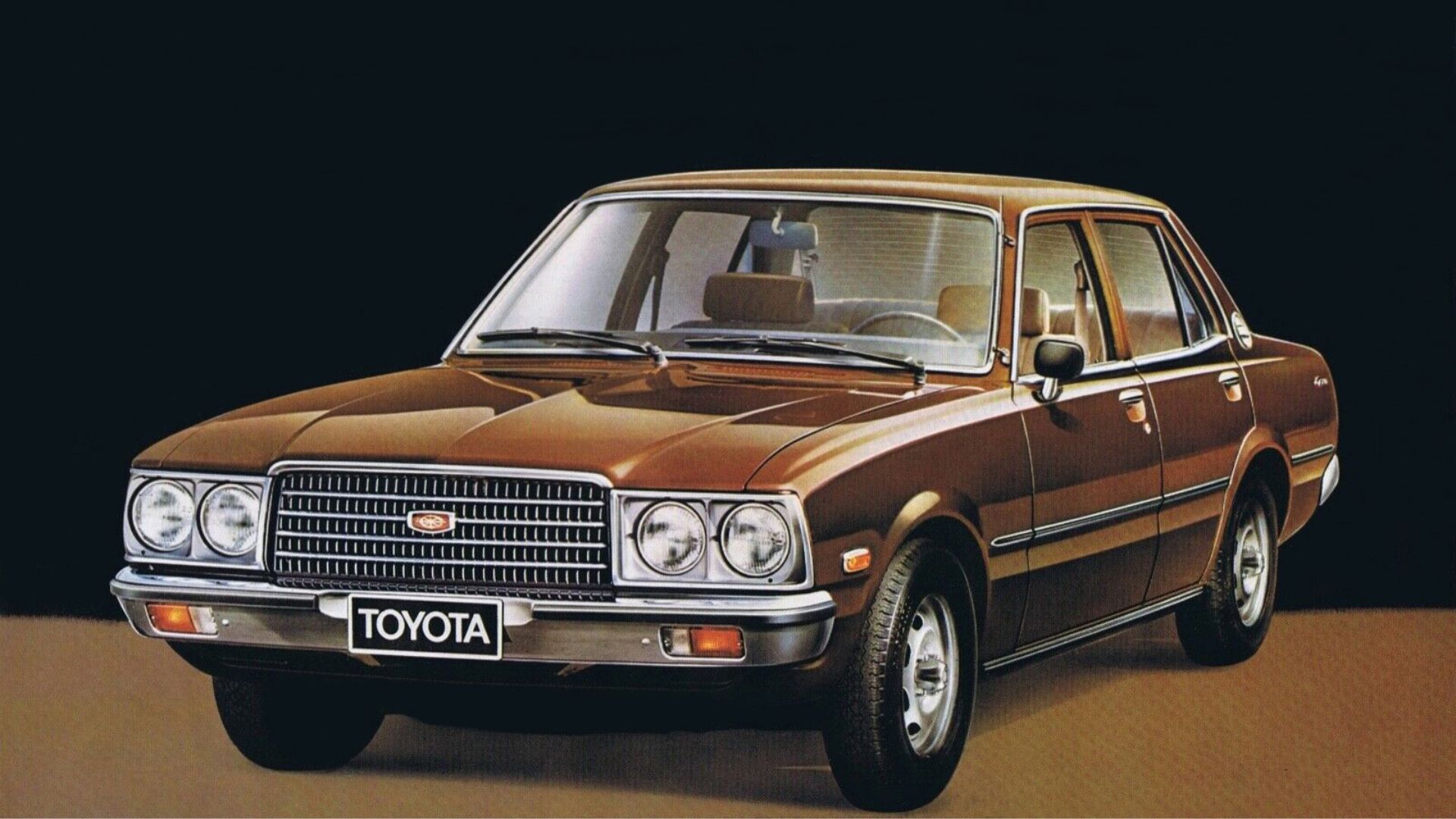
The Yom Kippur War of 1973 resulted in an oil embargo that targeted nations supporting Israel. The US was heavily affected by this and the demand for compact, affordable, and fuel efficient cars skyrocketed during that decade.
By then, Toyota had a full lineup of cars that suited exactly those needs. Whereas Detroit’s Big Three struggled with emission regulations and power-sapping fuel economy measures, Toyota and the other Japanese automakers didn’t need to change their cars that much for North America. Ginormous V8-powered land yachts that had capped horsepower and torque ratings were seen as unappealing for the practical folks, and the light, efficient, and sensible Japanese cars were seen as the solution.
As bad as the oil crisis was, the Japanese saw it as an opportunity to create a stronghold in North America. By the ‘80s, Toyota became a household name in all continents.
Further growth, Lexus, and 300 million cars
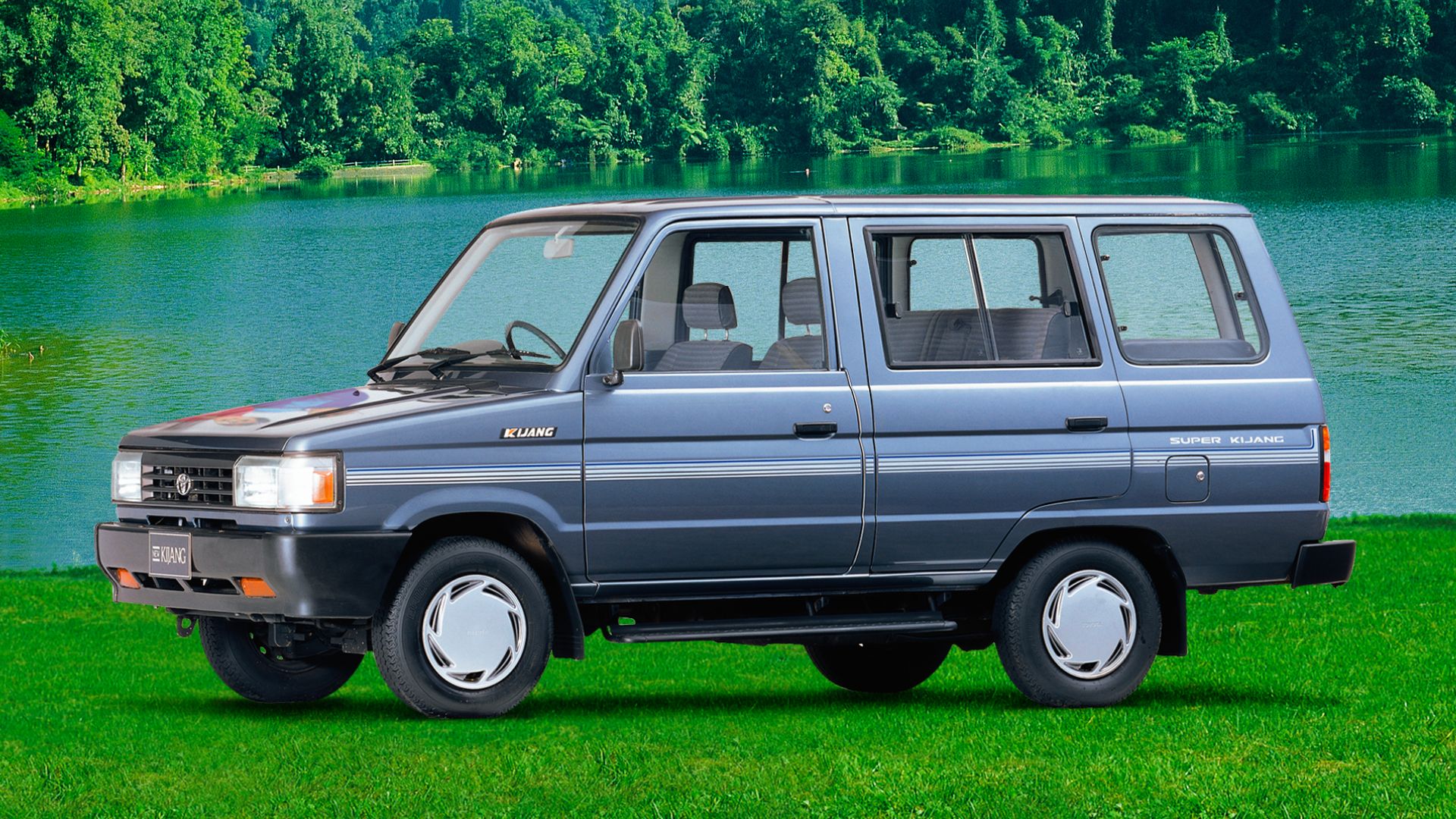
The ‘80s and ‘90s were a grand time for Toyota. By then, the company had created region-specific models (like the Tamaraw/Kijang) that were widely accepted in their respective markets. Not content with mass market, Toyota then decided to give the Germans a run for their money in the luxury segment.
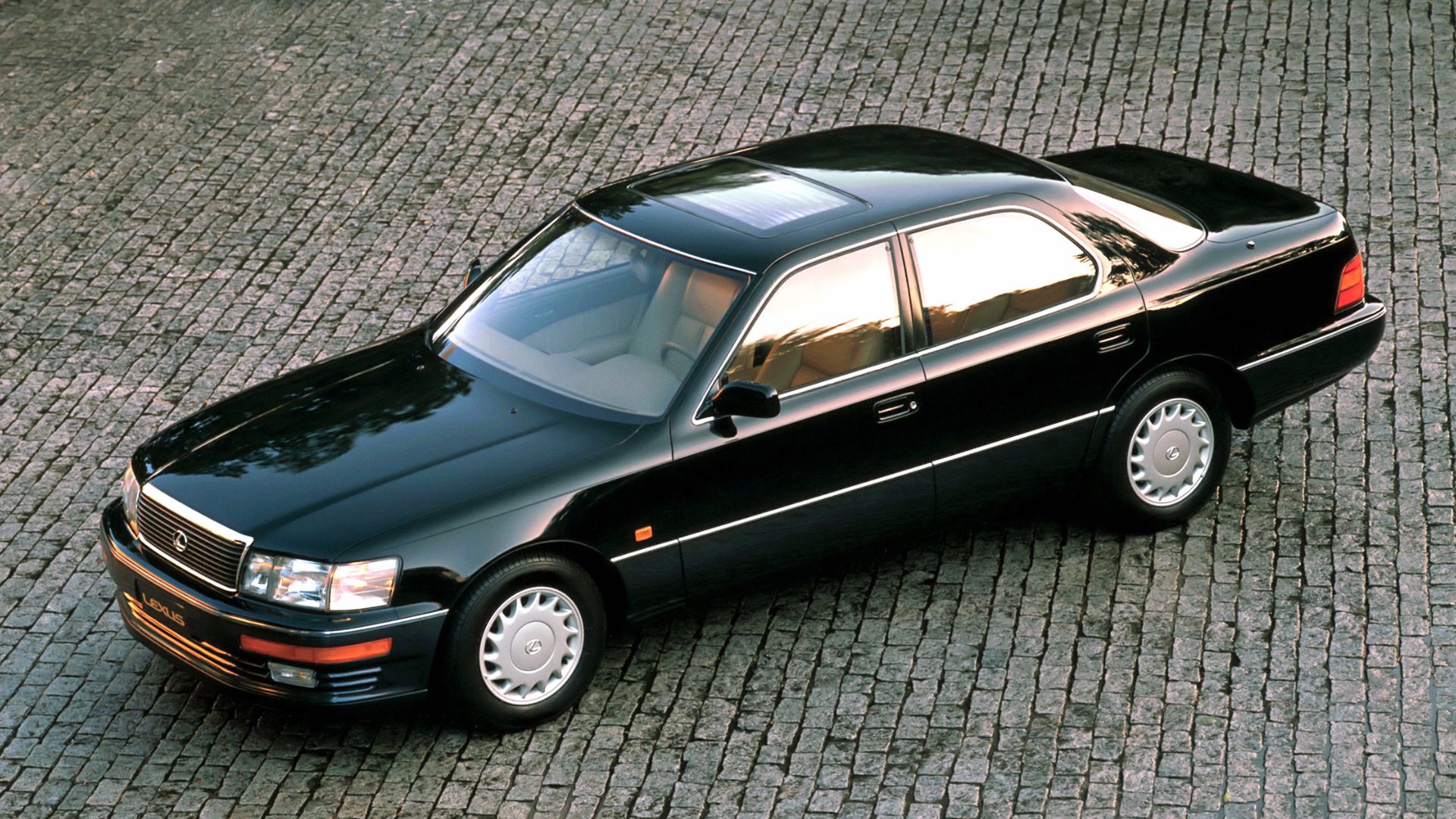
By now, you probably know the story of Lexus and how its engineers set out to make the best luxury sedan they can build. It took nearly a decade of research and development to create the first-generation LS, and boy were the Europeans shook up, especially in North America. It even came to a point where BMW accused Lexus of selling each car at a loss to undercut their 7-Series, and Mercedes-Benz (likely) shared the same sentiments. But Lexus proved them wrong and nipped sales away from Germany. With that, Toyota had a vehicle for just about everyone, from the first time driver, the entrepreneur, and even the CEO.
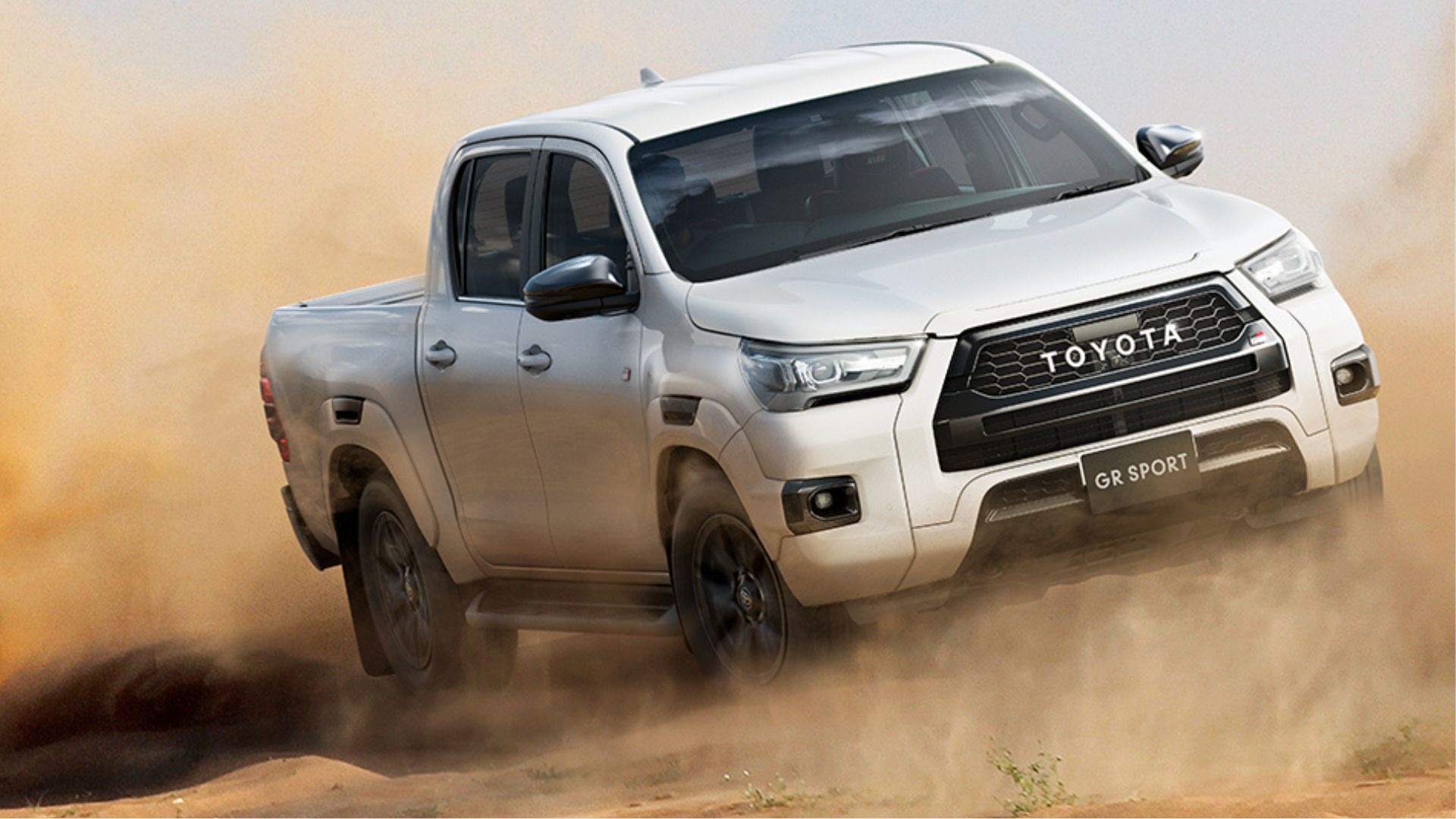
Fast forward to today and Toyota has become a force to be reckoned with. Sure, there have been ups and downs, but the company has weathered through storms and come out even stronger than before. Locally, it has half the market share, and globally, it sells nearly 10 million cars annually. It’s amazing to think that it all started from a spun-off company that made textile looms.
But as the saying goes, Rome wasn’t built in a day, and Toyota’s empire wouldn’t be what it is today if it wasn’t for the hard work of the men and women who built the brand over the decades.