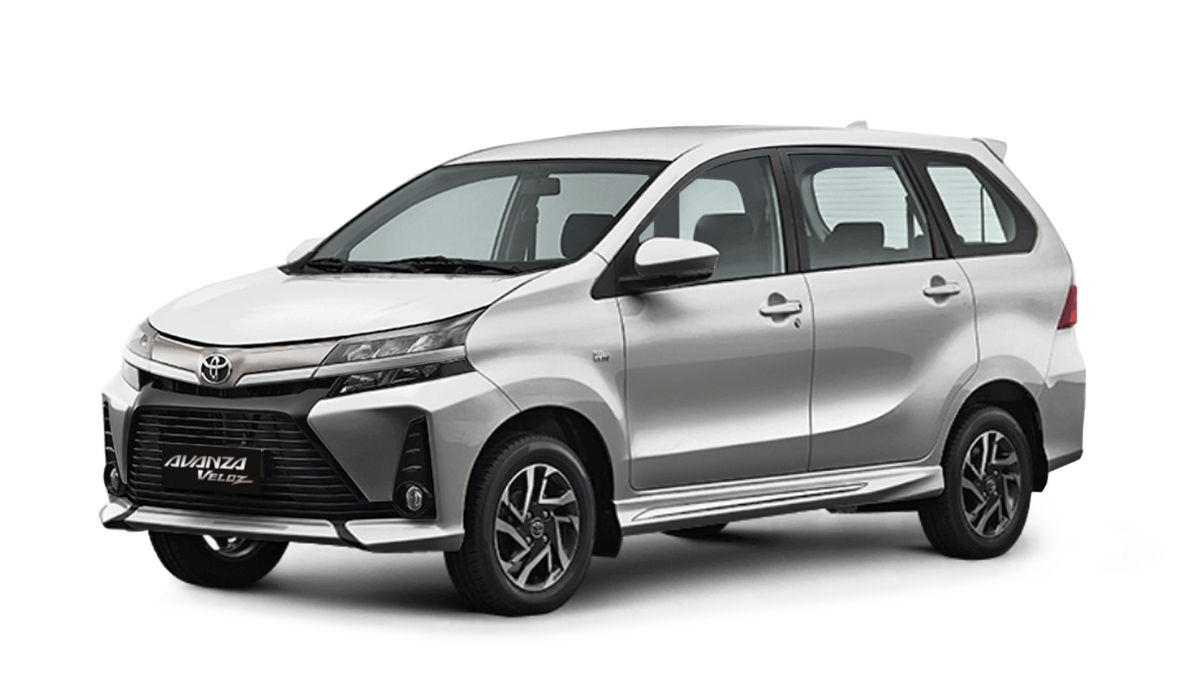
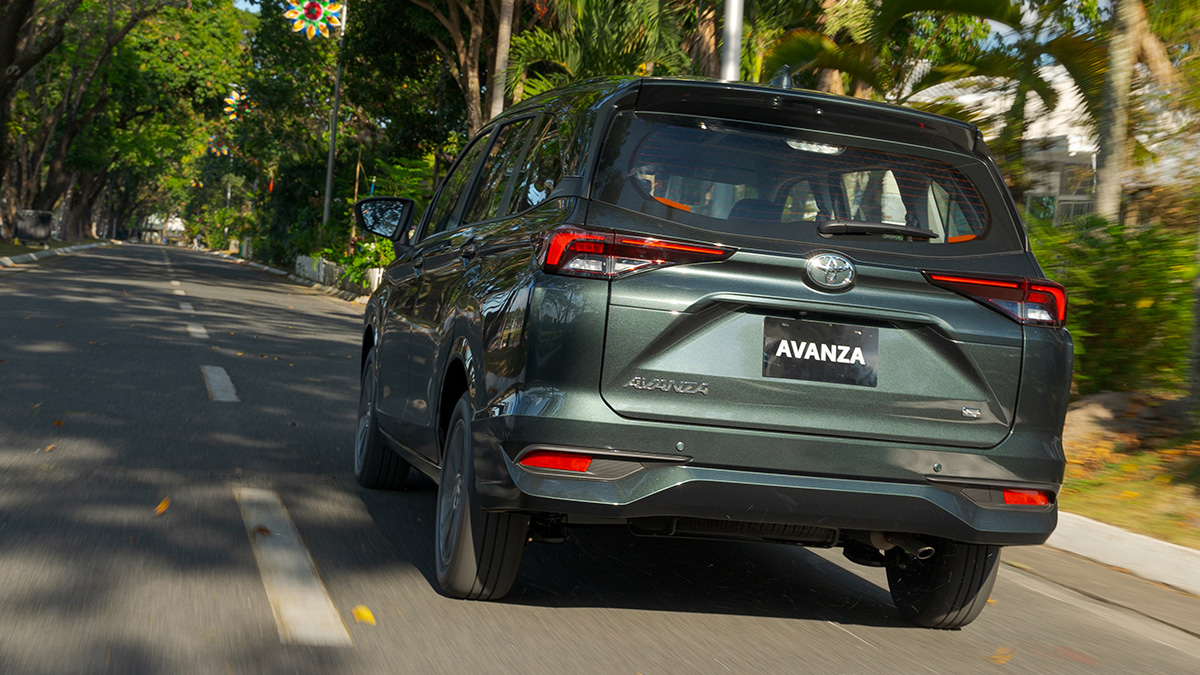
The Toyota Avanza has long been a staple in Philippine garages thanks to its seven-seat layout and relatively consumer-friendly price point. You could say practicality is at the heart of this model lineup, and this remains true with the release of the 2022 version of the MPV.
Practicality is more than just about maximum occupancy or sticker price, though. Another major factor to consider here is fuel economy. And by the looks of it, the all-new Toyota Avanza delivers on this front, too—at least if you’re willing to take the Japanese car manufacturer’s word for it.
Toyota Motor Philippines (TMP) says that the Avanza in its most efficient form—equipped with a 1.3-liter 1NR-VE four-cylinder gasoline engine paired with a continuously variable transmission (CVT)—can do up to 20.8km/L out on the highway. In the city, this figure drops down to 15.9km/L, which brings its average fuel economy to 18.9km/L.
You can check out the full fuel economy breakdown of all the 2022 Toyota Avanza variants below:
2022 Toyota Avanza fuel economy (city, highway, combined)
- Toyota Avanza 1.5 G - 15.2km/L, 20.4km/L, 17.9 km/L
- Toyota Avanza 1.3 E CVT - 15.9km/L, 20.8km/L, 18.9km/L
- Toyota Avanza 1.3 E MT - 13.0km/L, 19.2km/L, 16.4 km/L
- Toyota Avanza 1.3 J MT - 13.0km/L, 19.2km/L, 16.4 km/L
ALSO READ:
How big is the all-new Toyota Avanza?
Toyota’s 1.5-liter 2NR-VE four-cylinder gasoline engine is capable of 105hp at 6,000rpm and 138Nm of torque at 4,200rpm and is currently only available paired with a CVT under the hood of the 1.5 G variant. These units also come with a new front-wheel-drive layout.
The 1.3-liter 1NR-VE four-cylinder engine in 1.3 E and 1.3 J units, meanwhile, can do 97hp at 6,000rpm and 122Nm at 4,200rpm. The latter option can be paired with either a CVT or a five-speed manual transmission.
Again, these fuel economy figures were provided by TMP. The brand says, though, that the controlled testing conditions used to achieve these numbers are compliant with Economic Commission for Europe of the United Nations Regulation no. 101 standards (UN-ECE R-101).
So, do you think you can achieve these fuel economy figures during your daily drive?