No, Honda isn’t turning its back on fully electric vehicles. In a roundtable discussion with automotive media, Toshihiro Mibe, the Japanese carmaker’s director, president, and representative executive officer, stressed that they still see EVs as the “optimal solution toward carbon neutrality” in the long run, even if the development of these cars has slowed down globally—by as much as five years versus the initial projection.
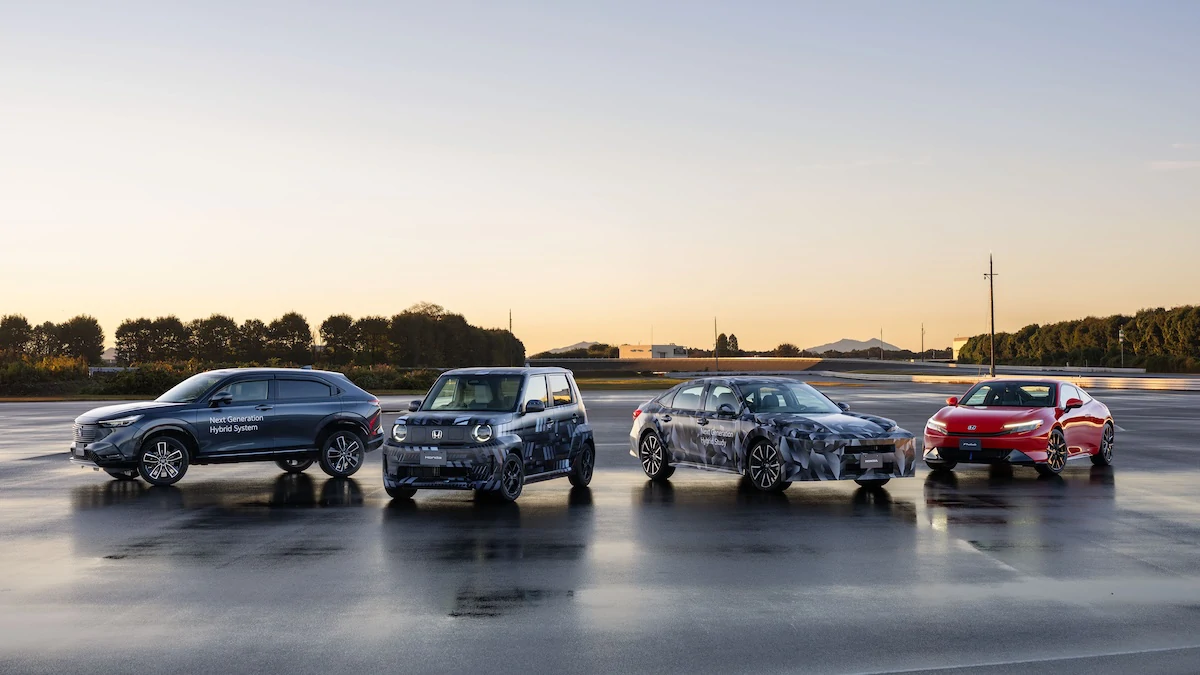
So, while the brand is continuing R&D efforts for its next generation of electric vehicles, the core of its business until 2030 will be hybrids, on which it has 25 years of experience. This was showcased during the Honda Automotive Technology Workshop held a few days after the 2025 Japan Mobility Show.
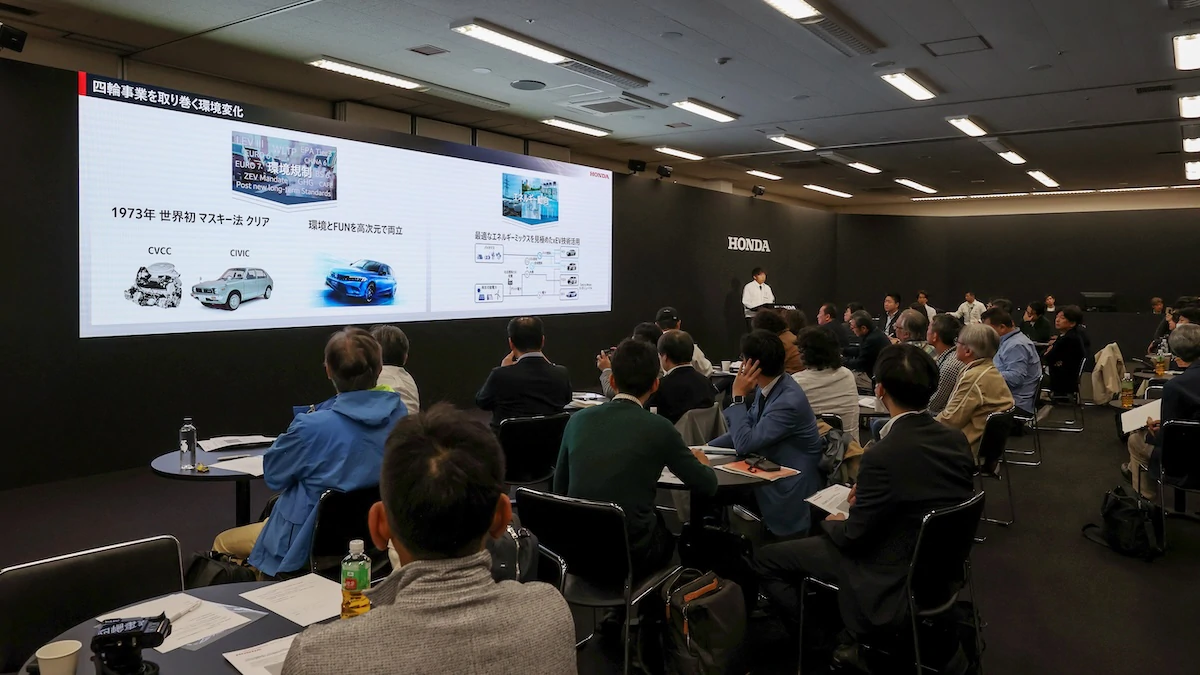
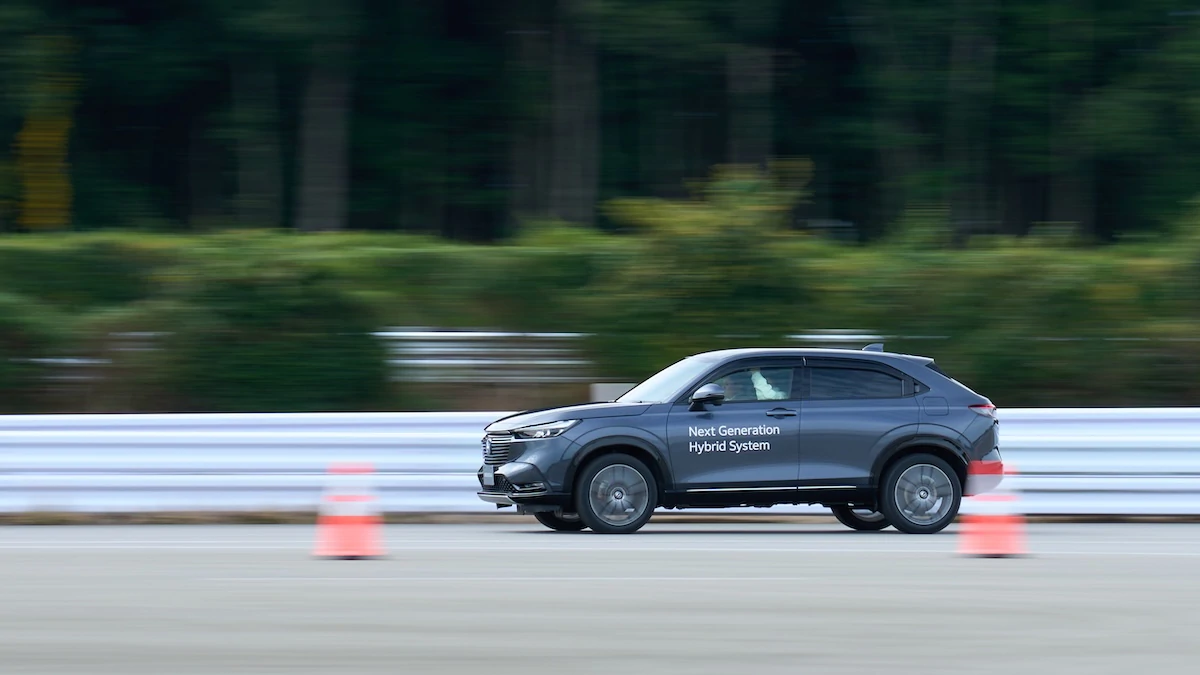
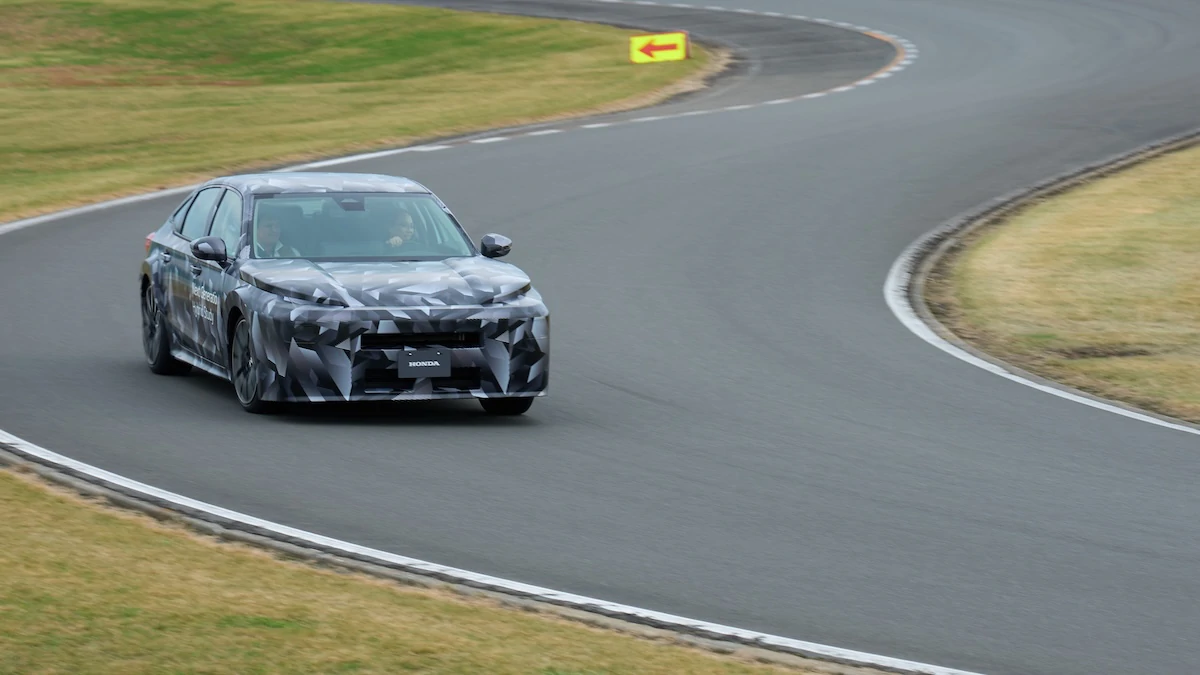
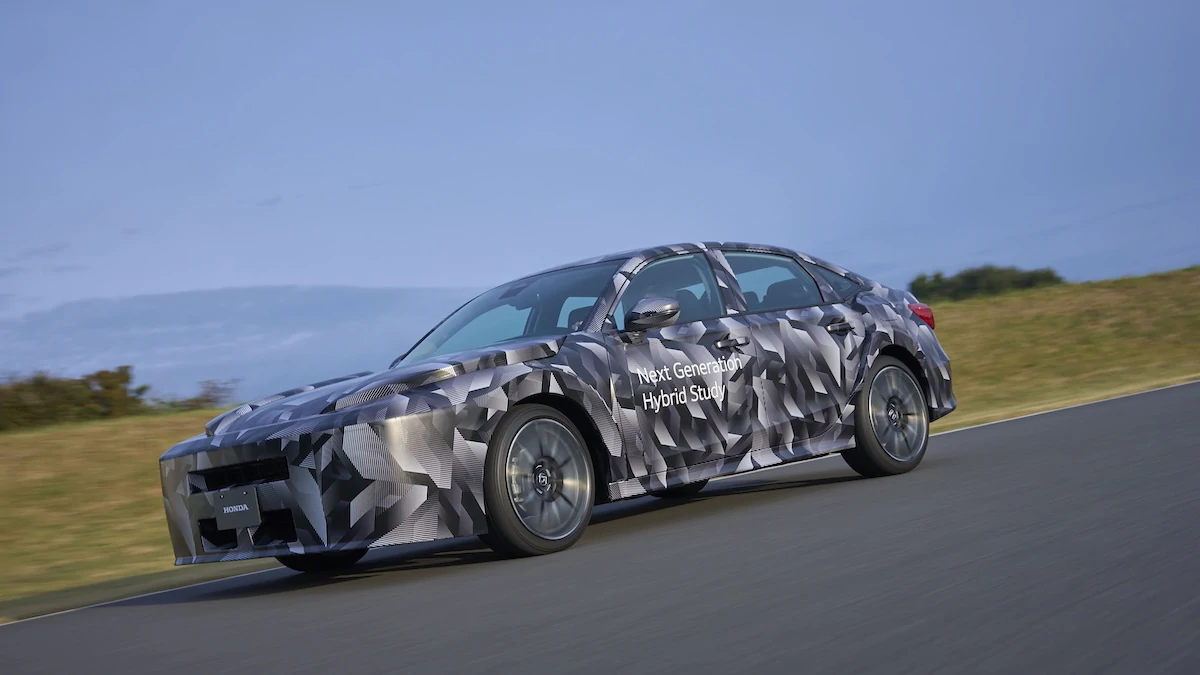
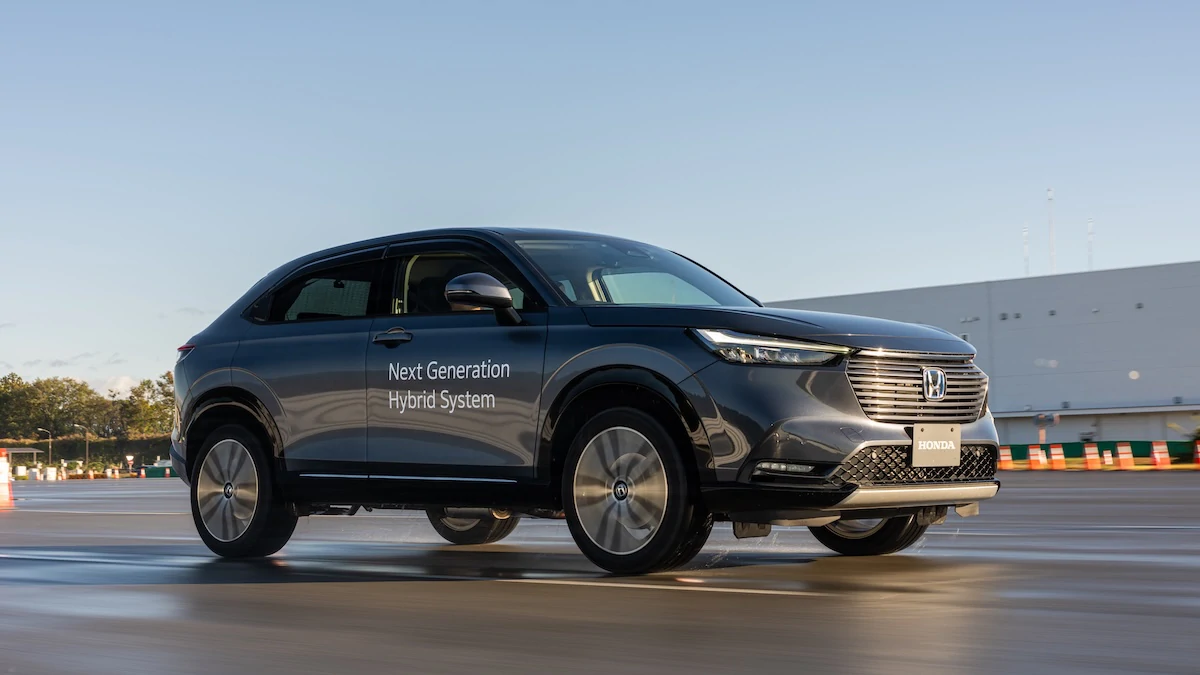
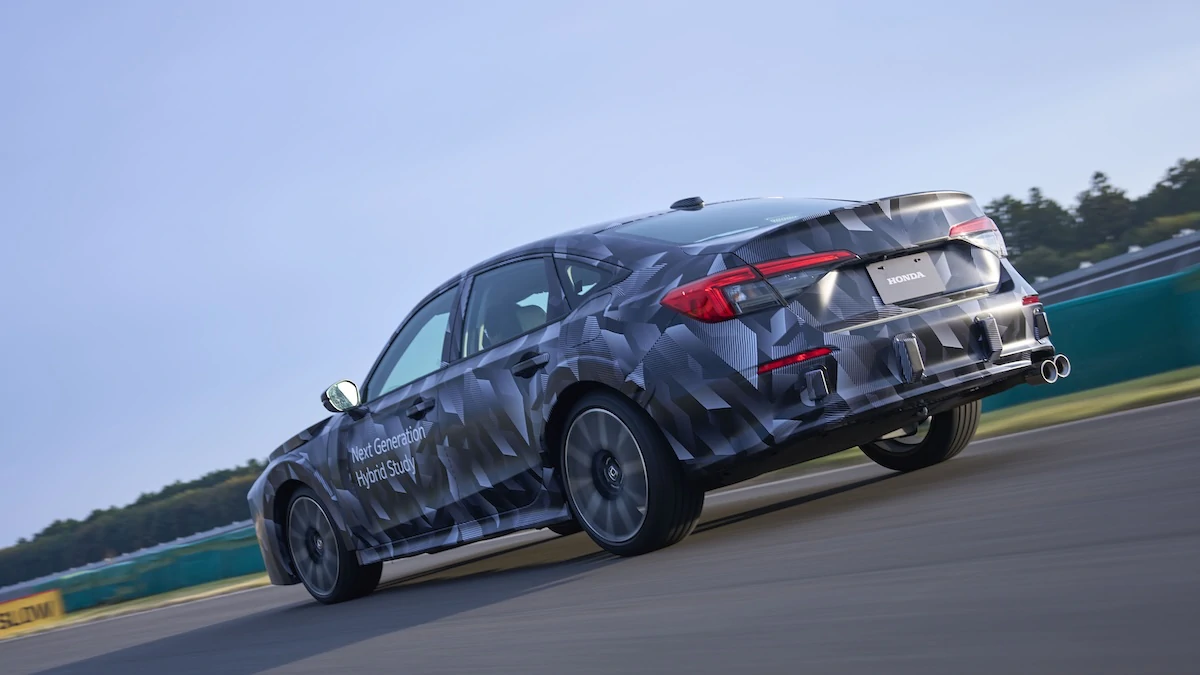
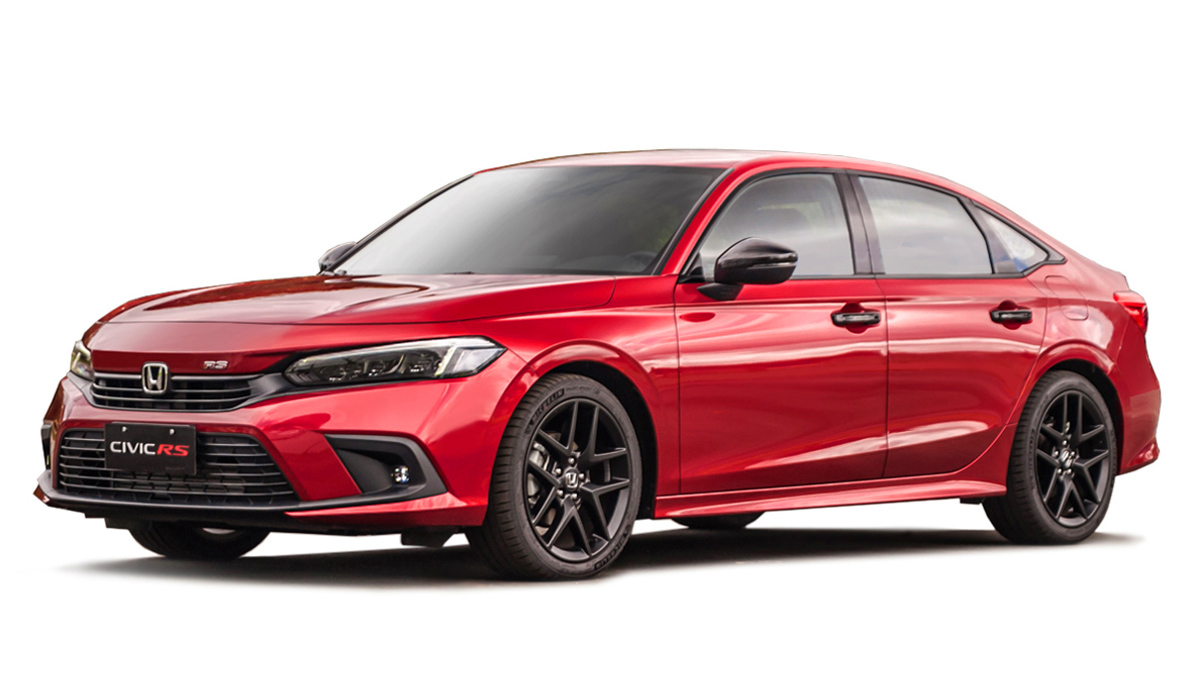
Along with a renewed focus on hybrids, Honda wants the ‘joy of driving’ to define its latest cars (starting with the Prelude and the Super-One) as well as the products being developed for the latter half of the decade. The so-called Next-Generation Hybrid Studies will underpin models from 2027 onwards, and of particular importance to us are the small- and midsize platforms, now being refined and tested using the current HR-V and Civic, respectively, as development mules. This does imply that ‘midsize’ here is more of an internal term and doesn’t correspond to typical vehicle size classifications, since the Civic is in the compact category.
OTHER STORIES YOU MIGHT HAVE MISSED:
Confirmed: Honda Prelude, 0 Series models arriving in PH market
Size comparo: How big is the new Toyota Land Cruiser FJ versus the popular Fortuner?
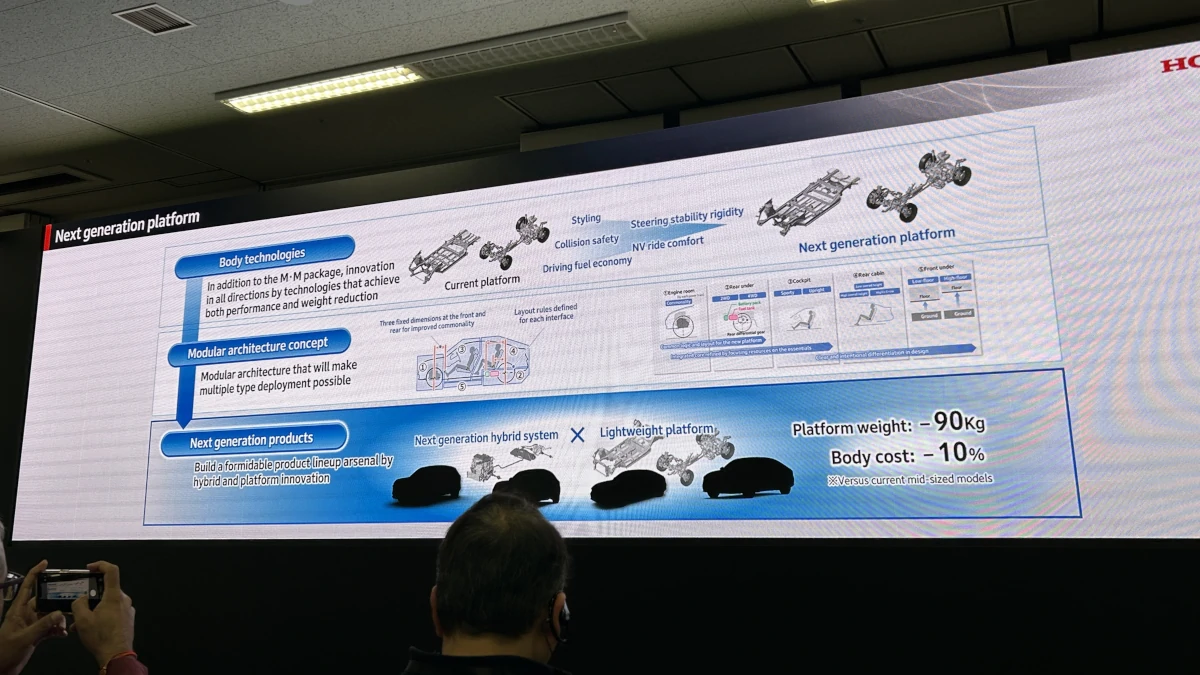
The next-generation platforms will feature modular architecture, a higher ratio of shared parts for models underpinned by the same platform, and new body and chassis technologies to cut weight by as much as 90kg and production costs by up to 10% for midsize models. They’ll still be built around the ‘M/M concept,’ which stands for ‘man maximum, machine minimum’—Honda speak for human-centric design with respect to space, safety, and engagement.
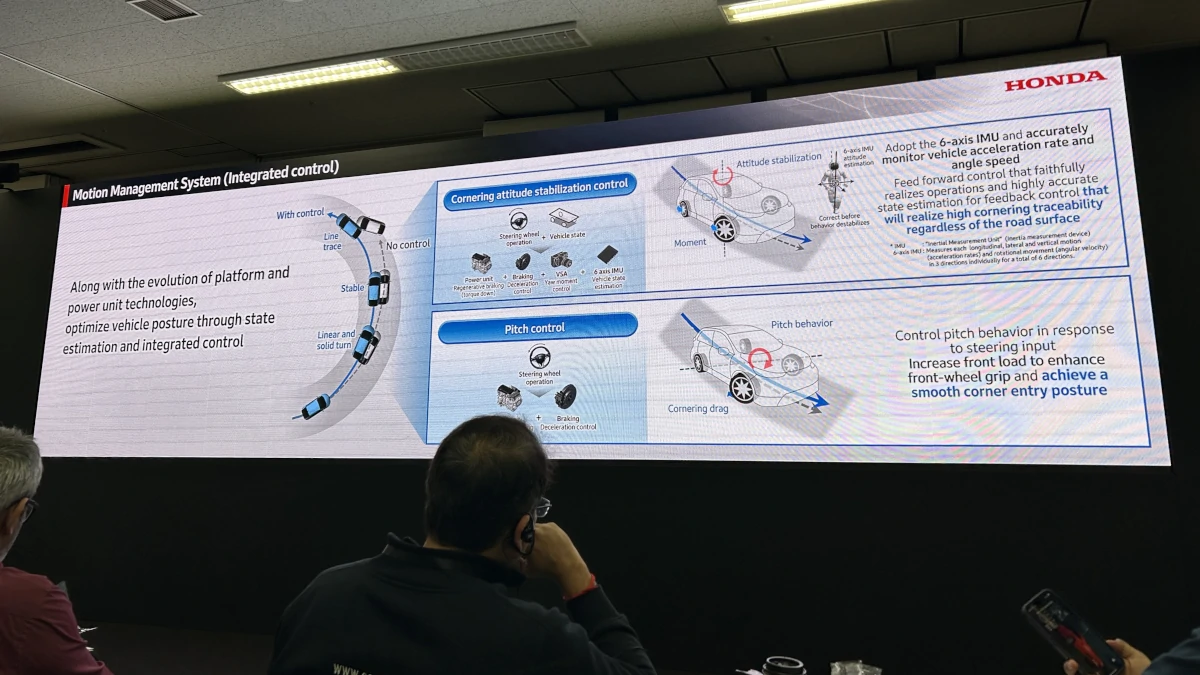
Somehow, Asimo has gotten itself involved in all of this, too. Honda’s little humanoid robot, which already lends its name to the operating system of the 0 Series lineup of full EVs, also appeared on the briefing decks for the Technology Workshop. Apparently, the ‘Motion Management System’ of the new platforms draws from the carmaker’s experience in robotics.
The know-how gleaned from getting Asimo to walk without tipping over (most of the time, anyway) has been incorporated into a six-motor inertial measurement unit that estimates any destabilizing motions during cornering and acceleration, and counters these by adjusting power delivery and braking force accordingly. Along with the latest evolution of pitch control, this will help keep the car on an even keel and on the driver’s intended path as it turns into and accelerates out of a corner.
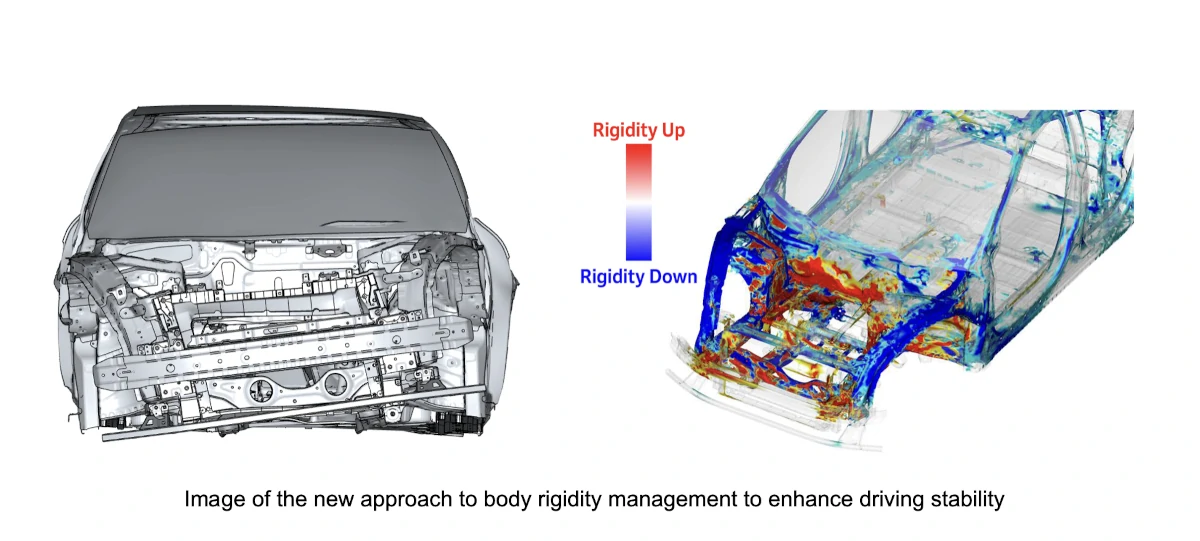
Describing the new body structure, Honda has chosen the wording very deliberately, saying that rigidity has been ‘optimized.’ Parts of the body have indeed been made more rigid, but key areas have been engineered to allow for a small amount of flex—just around 1mm laterally—when the car is turning, to provide a counterweight and increase load on the outside front wheel, in turn improving grip and stability. The flexing won’t compromise the integrity of the body structure over long-term use, according to the carmaker.
The powertrains for the next-gen hybrids will be new as well. They’ll still utilize Honda’s two-motor hybrid system, but with a higher-efficiency engine, a higher-output traction motor that directly drives the wheels, and a higher-response generator motor charging the battery. S+ Shift will trickle down into the new models, too, and from what we personally experienced during the Technology Workshop, it’s just as convincing at simulating an eight-speed dual-clutch gearbox as it is in the Prelude.
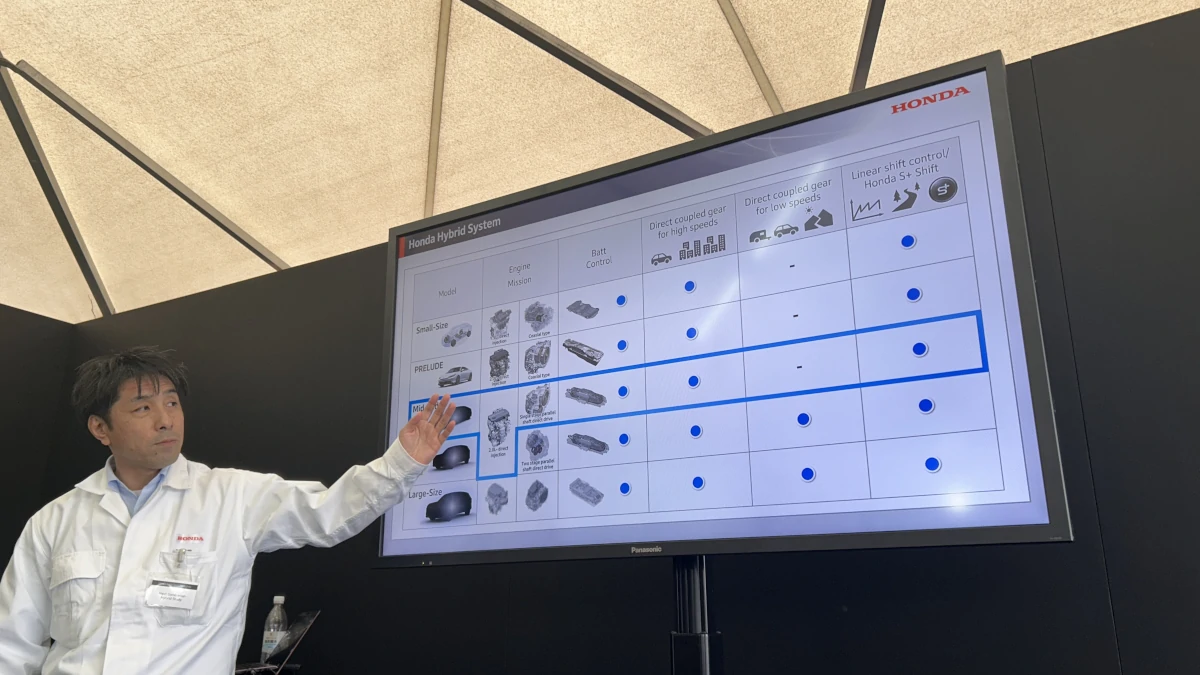
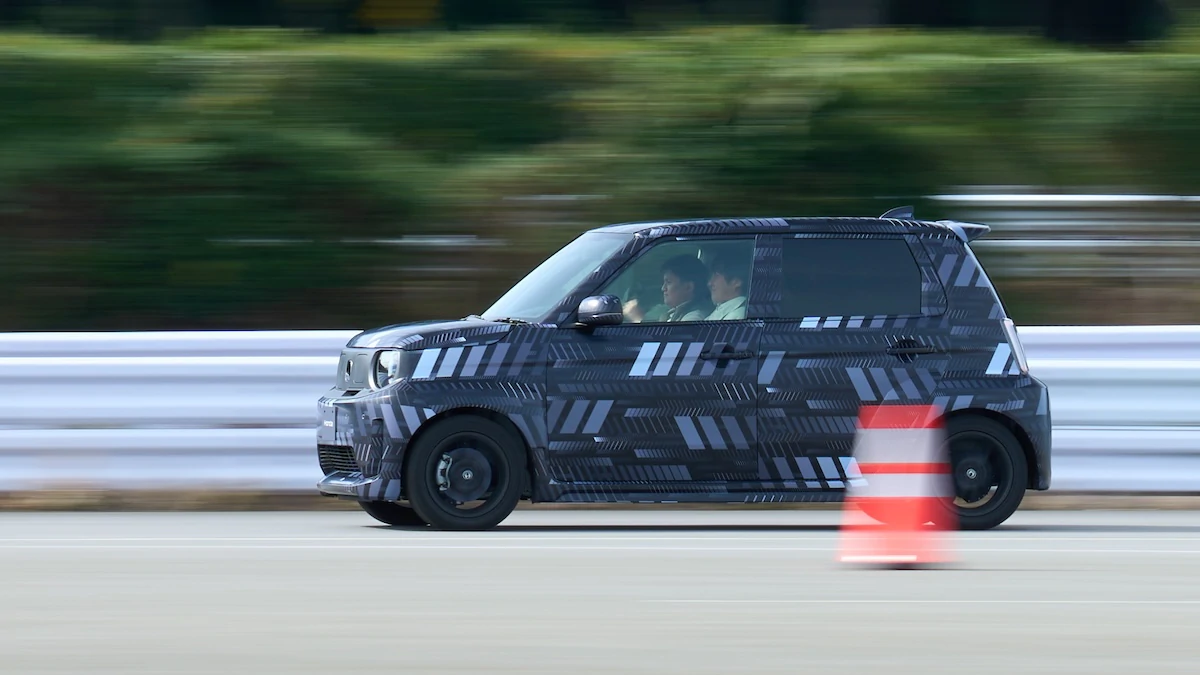
Honda hasn’t provided any actual output figures for these powertrains, but after driving the development mules, we can say there’s a significant performance improvement over the current hybrid HR-V and Civic, even with the respective engine displacements retained at 1.5 and 2.0 liters. The power bump was especially noticeable in the Next-Gen Small-Size Hybrid Study, since the current HR-V feels somewhat underpowered versus its competitors, and the test car definitely didn’t look like it was lacking in grunt as it made its way around the short course.
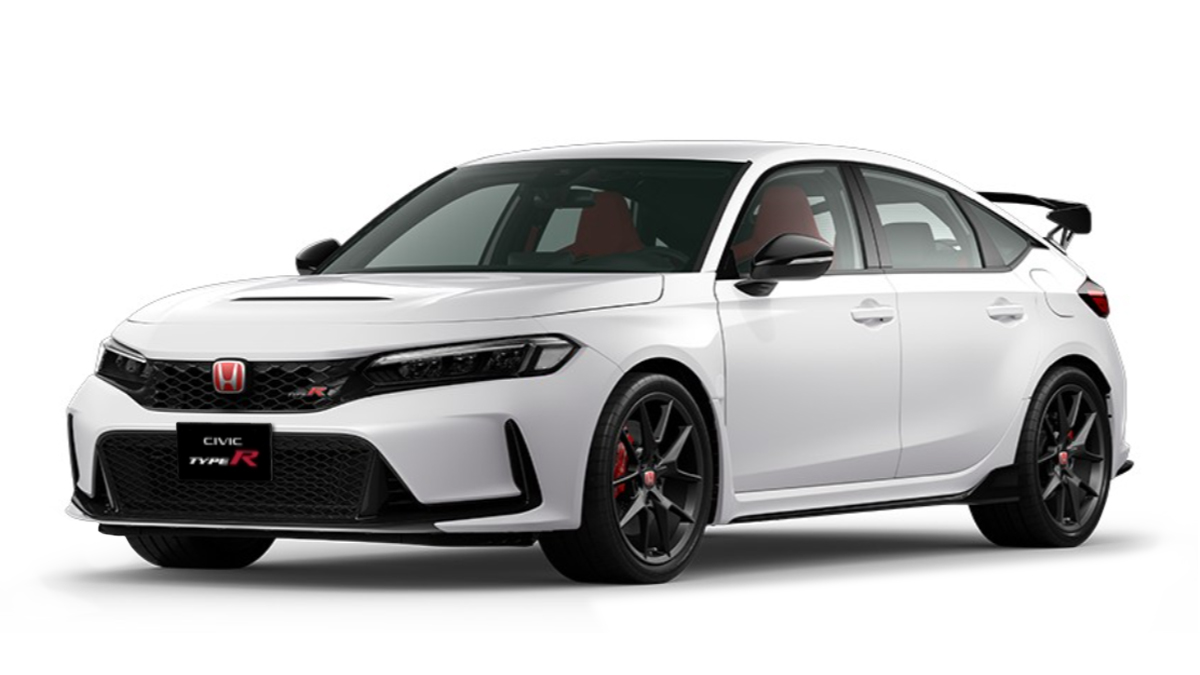
Driving the Next-Gen Midsize Hybrid Study right after the Prelude, which shares the same 2.0-liter e:HEV setup as the current Civic, also showed how much the new platform and powertrain will improve future models. We’ll save that story for another day, but our biggest takeaway from the experience is this: If you’re still apprehensive about the prospect of a hybrid Type R, there’s no need to be.