Read part one here.
Germany: Porsche 911

Germany has been a World Cup stalwart for decades, just as the Porsche 911 has long been the dominant force in the sports car world for most of its life. The German team has been experiencing something of a rough patch of late that it wants to turn around, much as Porsche itself has—and shiny new 911 variants like the GT3 S/C will play a big role in that.
Ivory Coast: Toyota Celica Twin-Cam Turbo
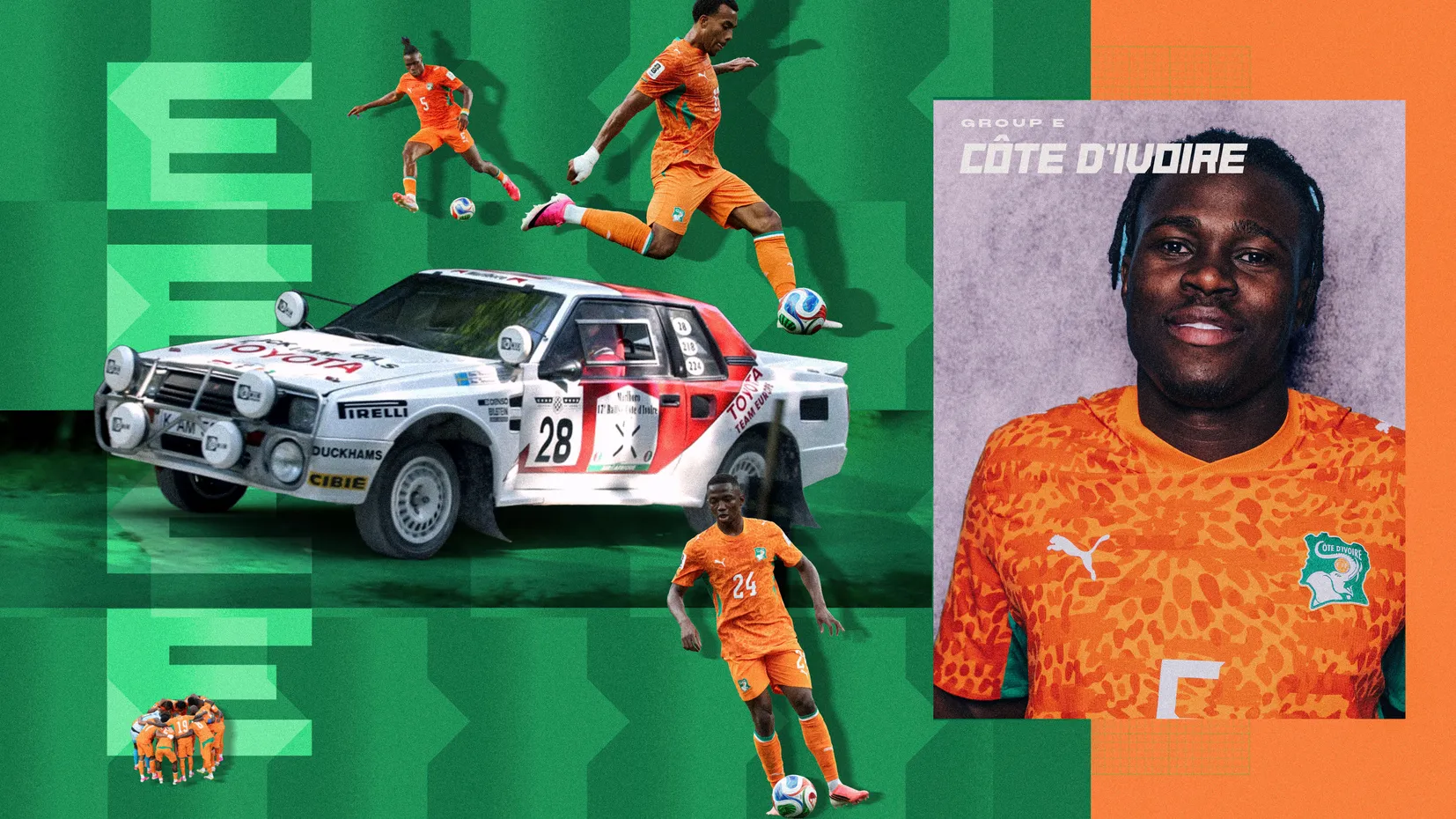
One of the teams tipped as capable of delivering some giant-slaying upsets this year, Ivory Coast was the venue for several of these itself in the automotive world in the ’80s. In 1983, 1985, and 1986, the rugged rear-wheel-drive Toyota Celica dominated the grueling Rallye Côte d’Ivoire, delivering several rare wins for a two-wheel-drive Group B machine and cementing itself as one of rallying’s great underdog heroes in the process.
OTHER STORIES YOU MIGHT HAVE MISSED:
Gallery: Groundbreaking cars that changed the industry, part 1
First impressions: The 2026 Mitsubishi XForce GLX is the base variant we needed from the start
Ecuador: Land Rover Defender (classic)

Before losing to the Ivory Coast, Ecuador hadn’t suffered a loss in 19 games—an absolute age in football terms. The same sort of age, in fact, as the original Land Rover Defender’s production run in car terms. And how did Ecuador go so long without a loss? Because of some incredibly strong...defenders. Get it? Defenders?
Curaçao: Citroen Mehari

Er, right. Curaçao, a tiny island nation smaller than the Isle of Man, is making its World Cup debut this year. This is going to be tough, but if we can think of one car that befits a small, sunny island and is known for punching above its weight, it’s the little Citroen Mehari. Much like nobody can truly dislike the Mehari, we’re sure that everyone, no matter where they’re from, will be at least partly rooting for Curaçao too.
Sweden: Polestar 5
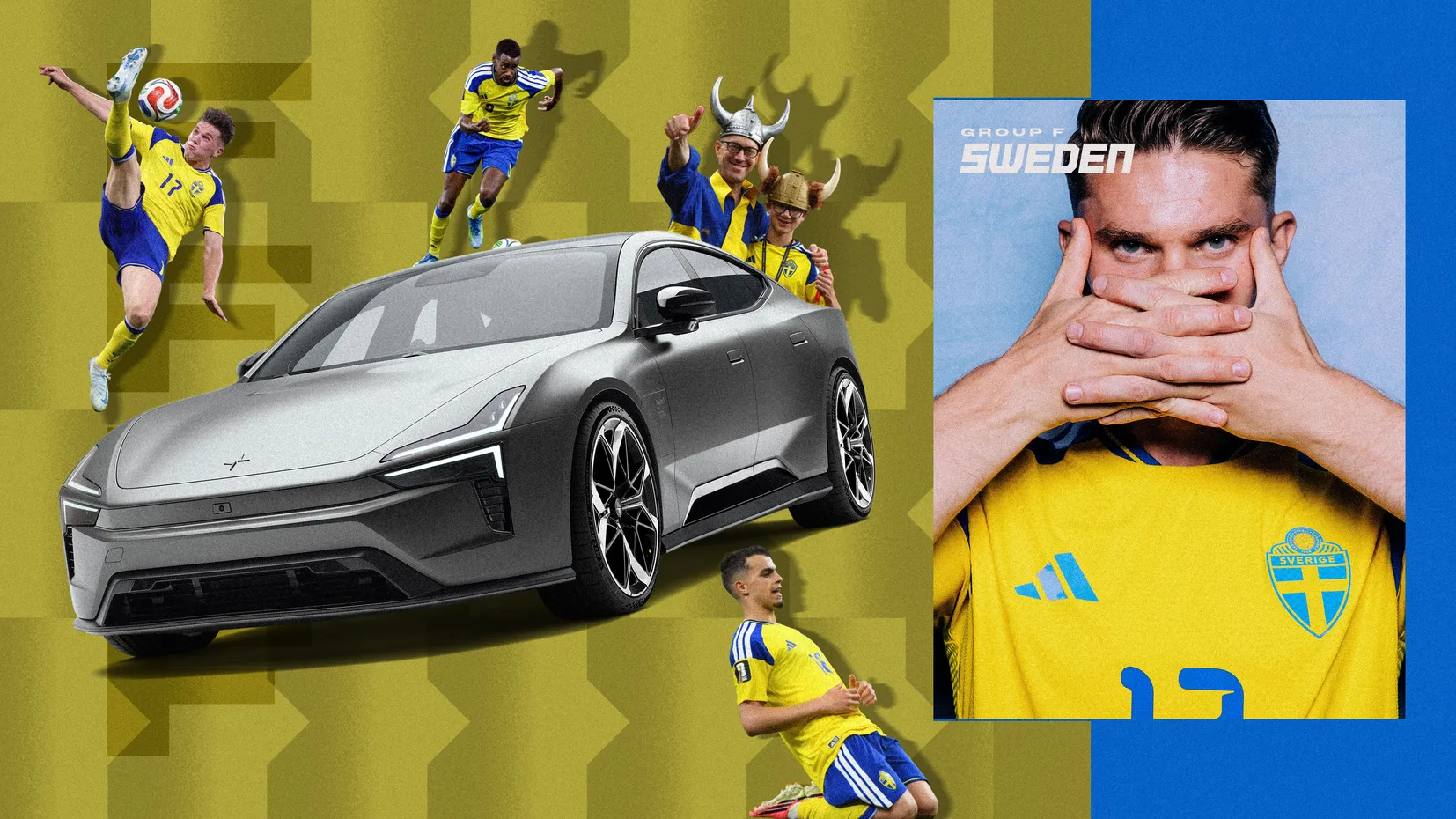
Ahead of the World Cup, Sweden appointed a British coach, Graham Potter, who appears to have given the squad a new lease of life, and it boasts some incredibly quick, powerful strikers as well. In Performance guise, the Swedish Polestar 5 will hit 100kph in a suitably rapid 3.2sec, and it has also benefitted from some British fettling in the form of Polestar’s UK R&D team. Admittedly, this analogy somewhat falls apart when you realize the 5 is built in China, so just ignore that part.
Japan: Nissan GT-R
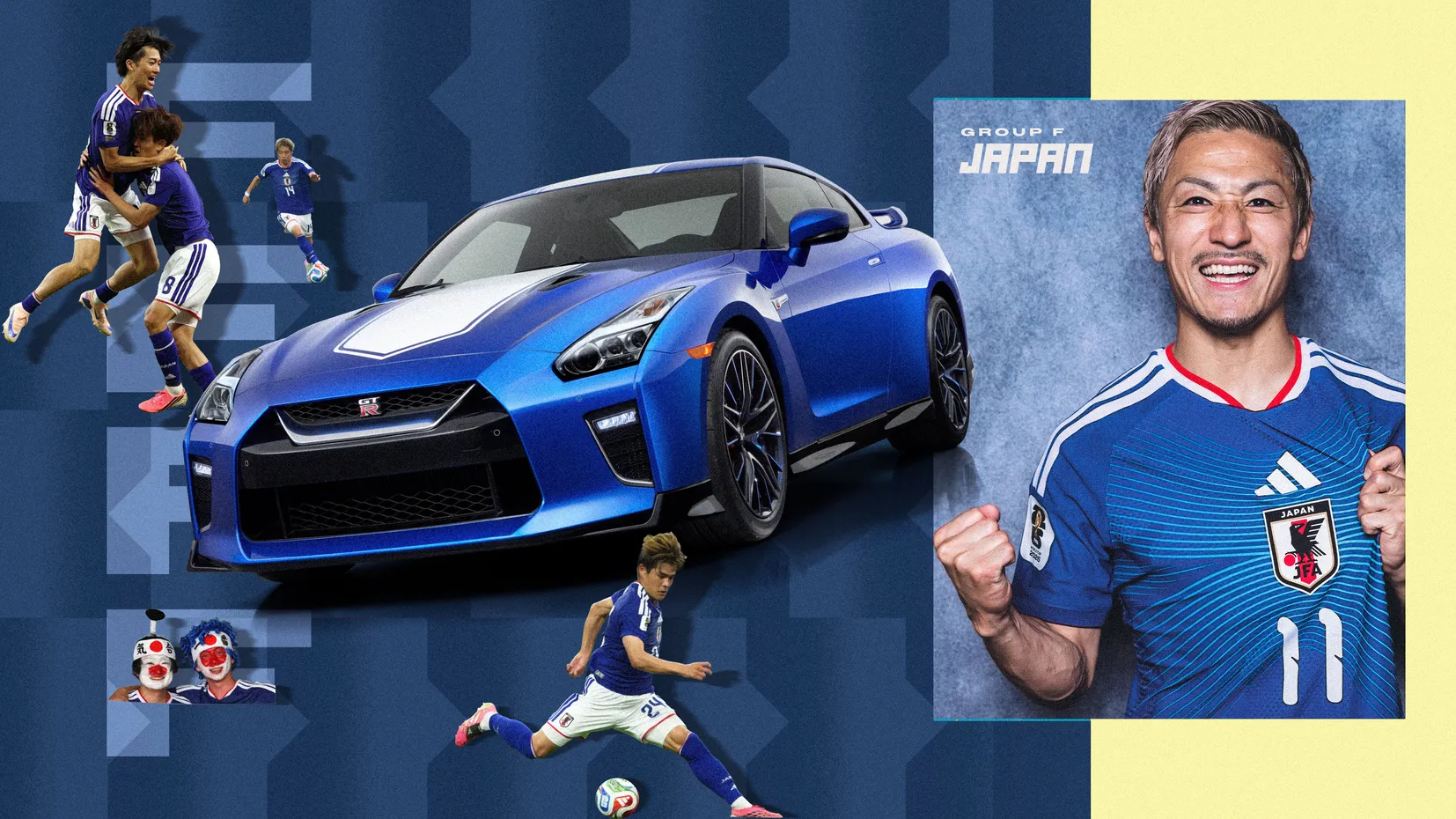
Could it really be anything else? Japan has the most successful footballing record of any Asian nation, and the Nissan GT-R and its Skyline forebears arguably have the strongest runs of performance success of any Japanese car. What’s more, both the team and the GT-R can put at least some of their success down to a depth of quality and attention to detail rooted in the culture of Japan.
Netherlands: Donkervoort D8 GTO
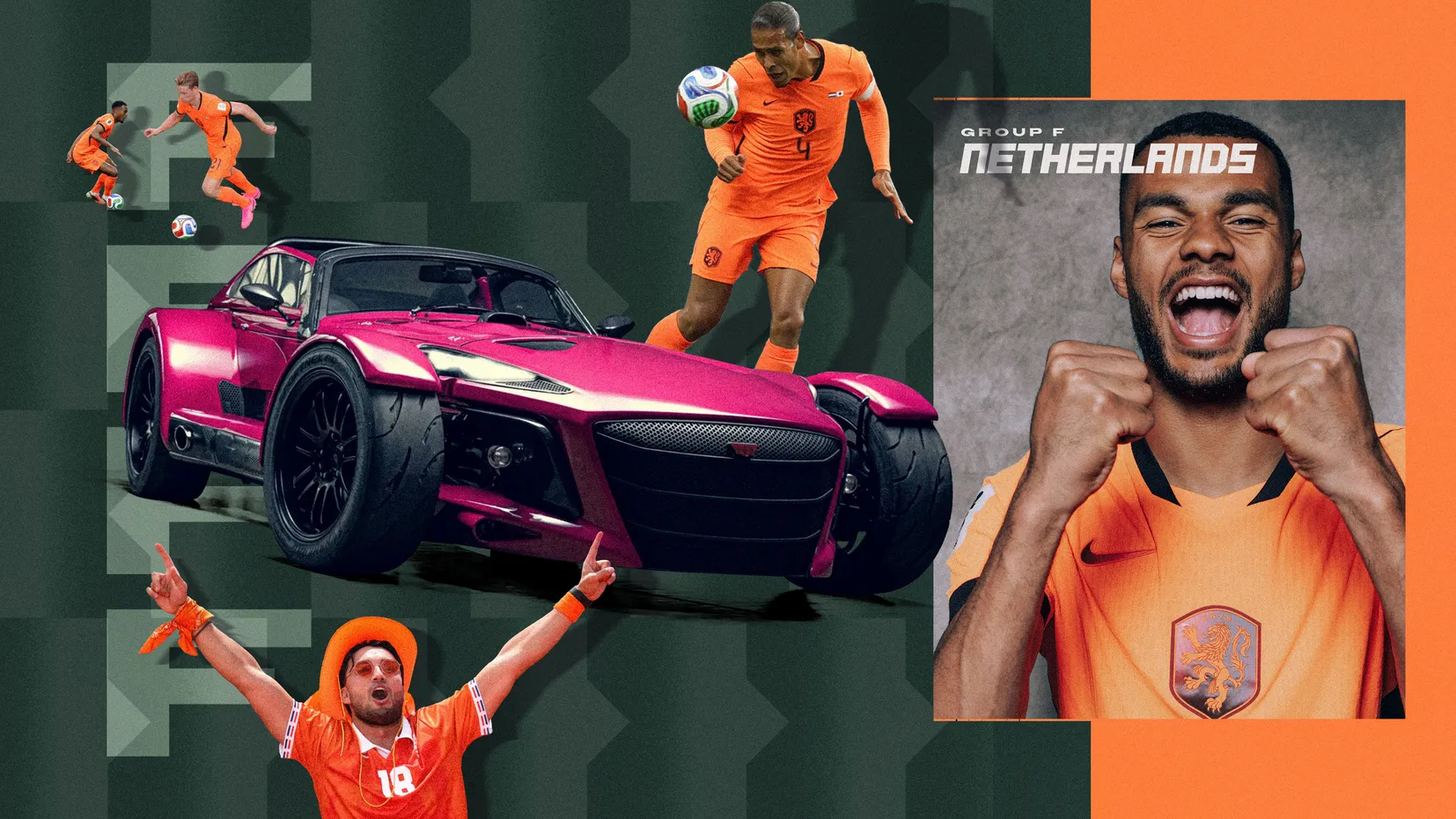
Energy and creativity have always defined the way football has been played by the Netherlands, a country whose international success has often belied its relatively modest size. Even more modest in size is the country’s car industry, but what you do get is typically Dutch—stuff like the unhinged Donkervoort D8 GTO, a snorting five-cylinder futuro-Caterham that can easily show bigger, more established companies a thing or two when it comes to thrills.
Tunisia: Peugeot 504
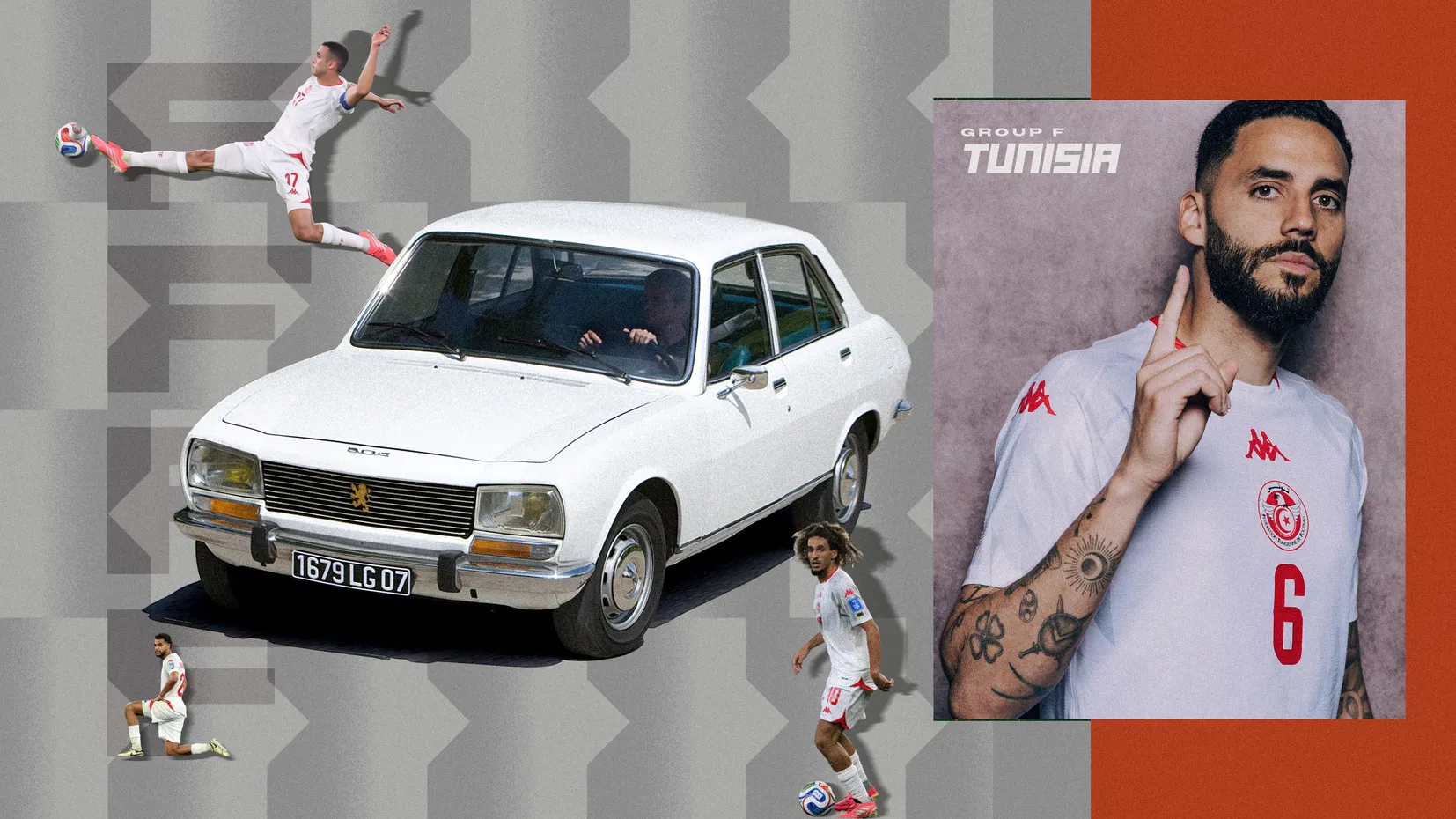
Head to Tunisia today and there’s still a very good chance you’ll encounter a few Peugeot 504s. There’s a reason these workhorses have always been spectacularly popular in the hot, rugged landscapes of North Africa, and it’s because they’re hard-working, tough to break, and have plenty of experience behind them—just like Tunisia’s stellar defensive squad at this year’s World Cup.
New Zealand: Alfa Romeo 147 GTA
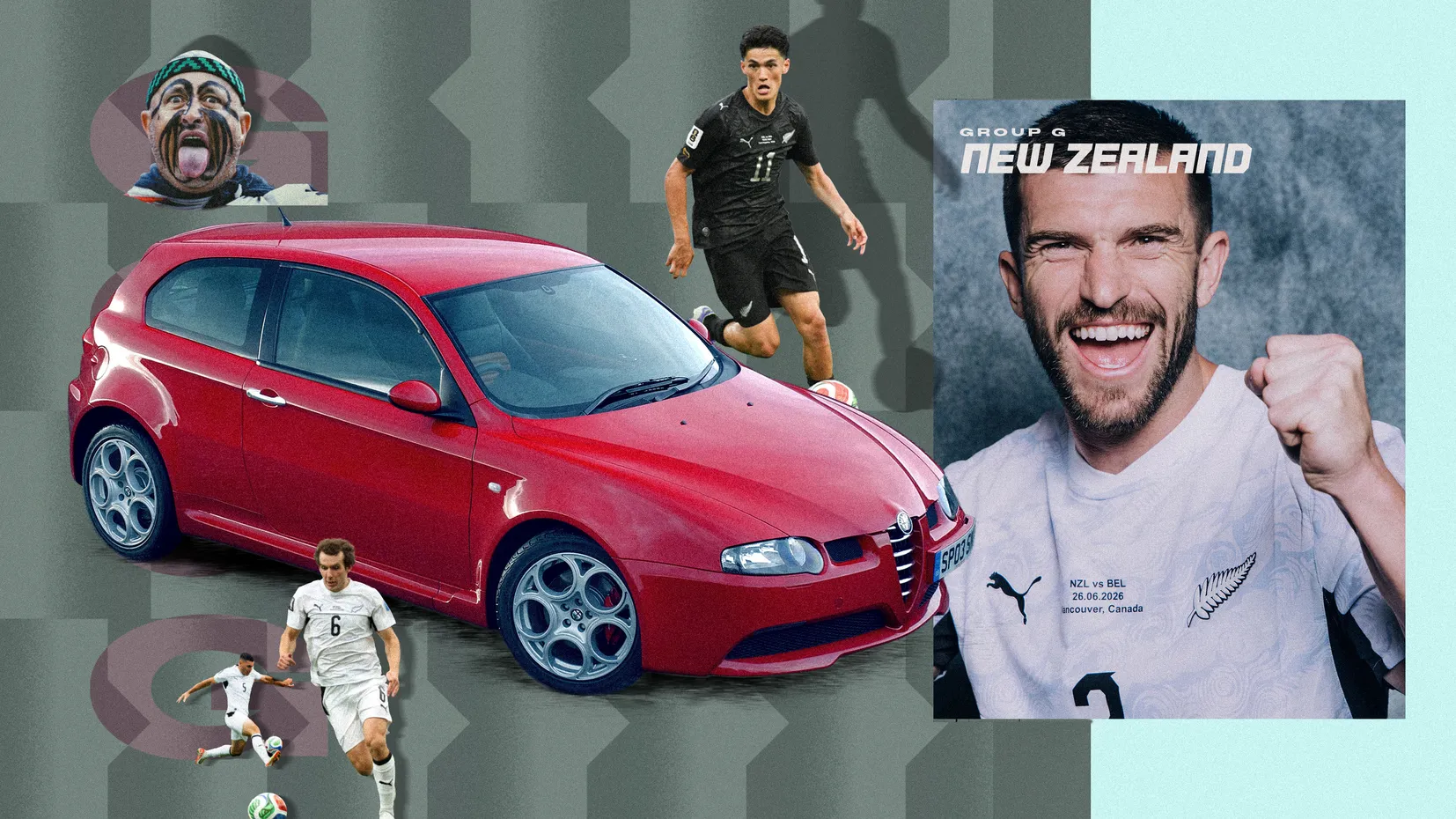
We don’t think even the most dedicated Kiwi football fans will mind us saying that it’s not really the nation’s sport—it’s a country that prefers its balls egg-shaped and pick-uppable. The lowest-ranked team in this year’s tournament, it nevertheless has one ace up its sleeve—incredibly powerful forward Chris Wood. You know what else is something mighty at the front of a package that’s otherwise on the back foot? The glorious 3.2-liter Busso engine in the nose of the Alfa Romeo 147 GTA.
Iran: Peugeot 405
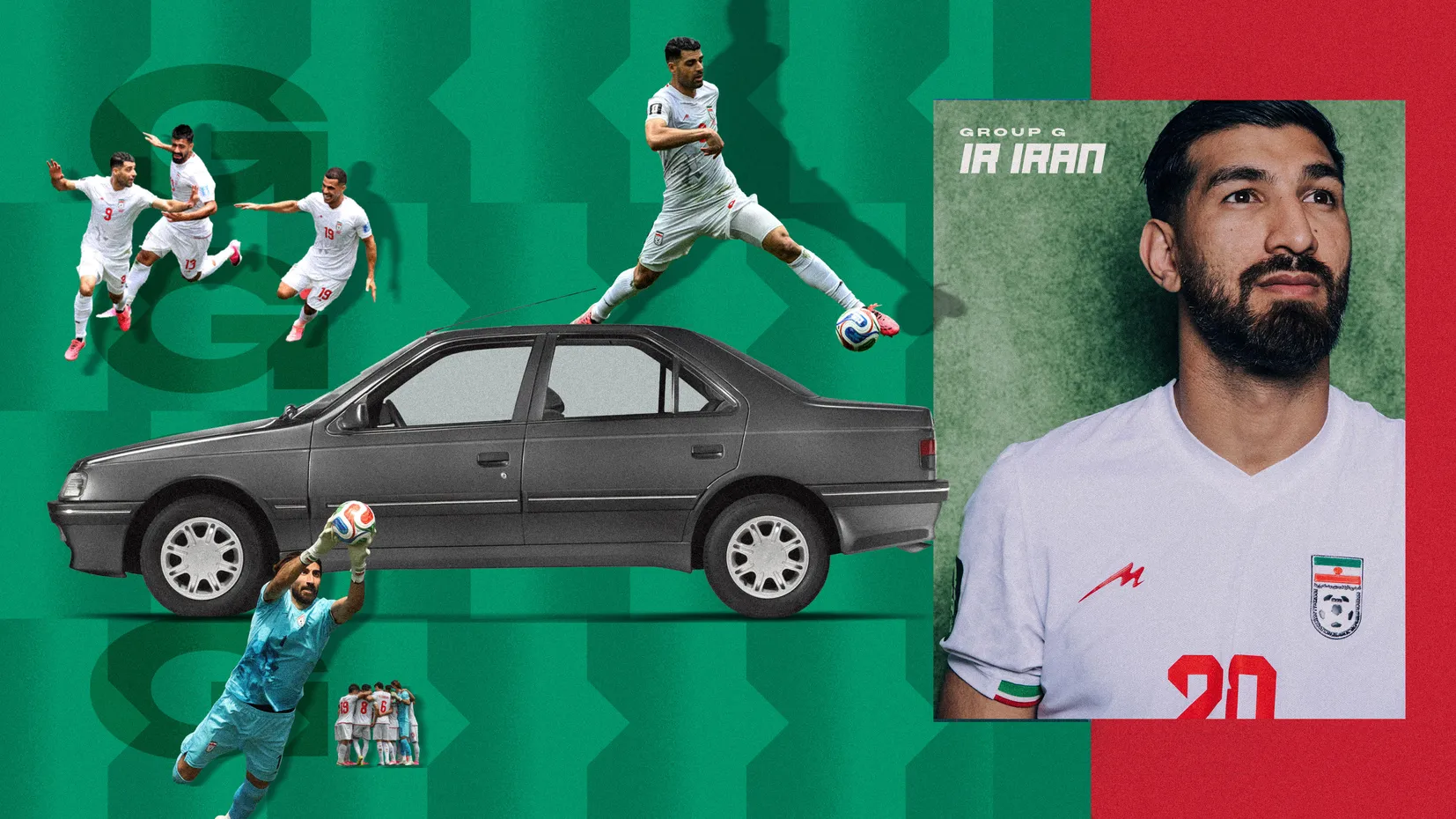
Arguably more than any other team, Iran has overcome a lot to make it to the World Cup, especially given one of this year’s host nations. Meanwhile, the Peugeot 405 is a car that overcame some admittedly much less unfortunate odds of its own to stay in production for 30 years in—yes—Iran. Local production ended in 2022, but it remains one of the country’s most popular cars.
Belgium: Mercedes-AMG C63 PHEV
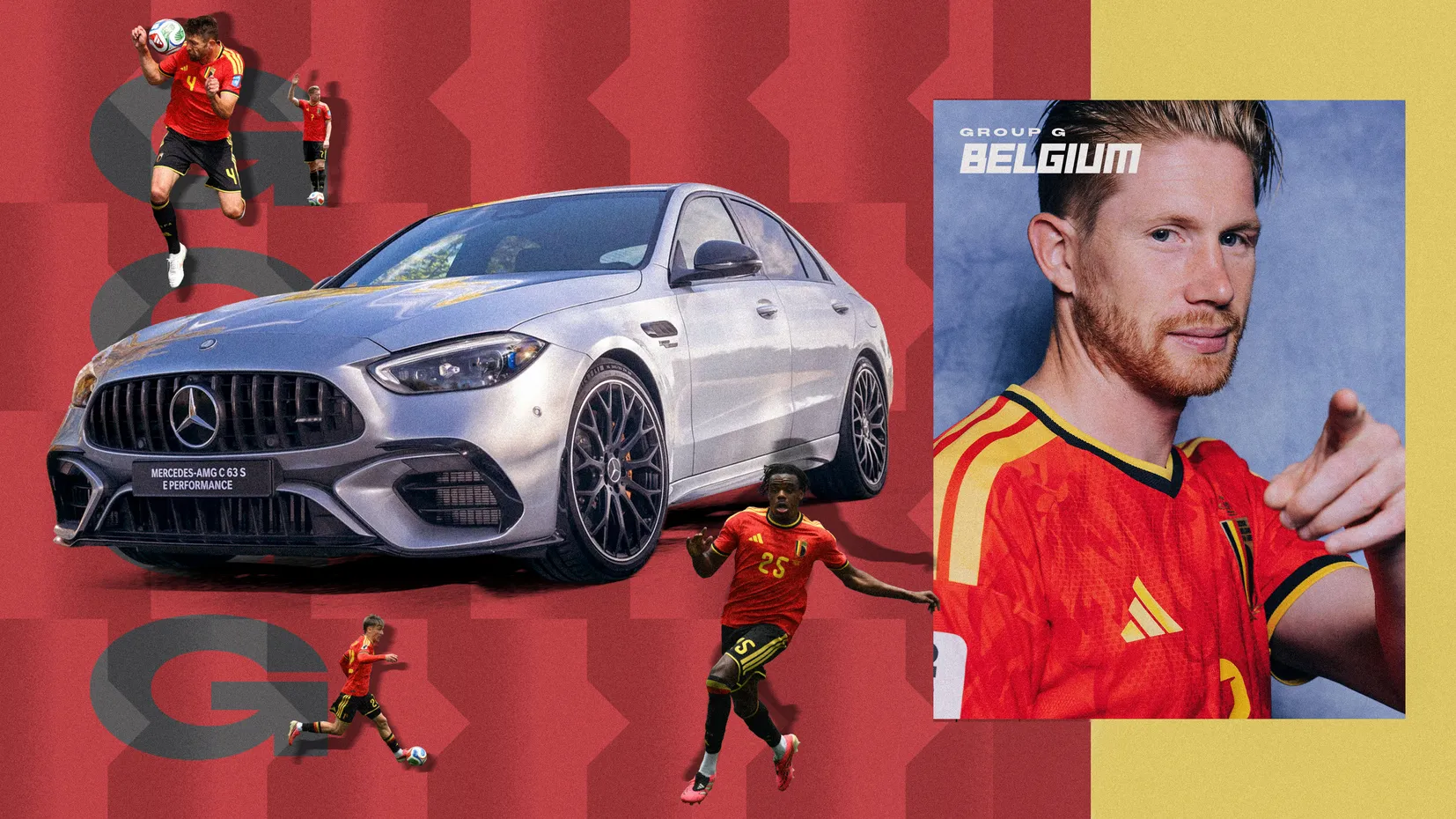
Until recently, Belgium was enjoying what many regarded as a golden era of football, but that’s been fading over the last few years. Sounds a lot like the leap from V8 to four-cylinder hybrid experienced by the Mercedes-AMG C63. With fresh young talent on the way in, though, the Belgian squad will be hoping to turn that perception around, just as Merc is hoping to get things back on track with a future straight-six-powered C53.
Egypt: Audi RS6
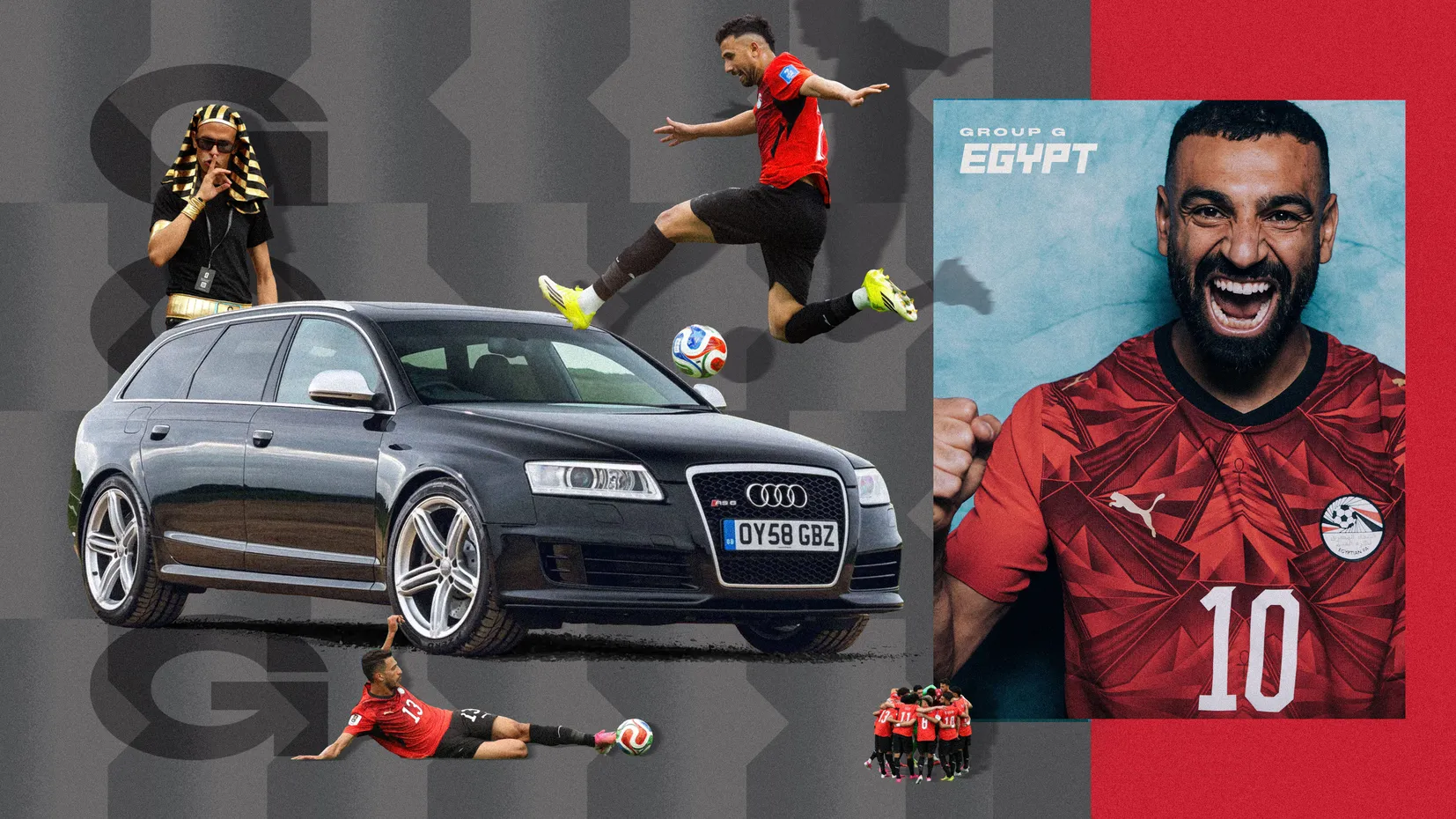
In recent years, the Egyptian football team has proven itself to be robust, adaptable, and defensively sturdy, with a star striker to call on in the form of Mo Salah. Sturdy, practical, and secure with something mightily powerful up front, you say? Sounds like an Audi RS6 Avant to us. There aren’t really many Egyptian cars—please just work with us here.
Uruguay: Jaguar XJ-S

Uruguay’s squad is packed with talent, experience, and technical prowess, but in the run-up to the World Cup, it’s been dogged by some very public poor relations between players and manager Marcelo Bielsa. It reminds us, oddly, of the Jaguar XJ-S, a striking, ahead-of-its-time, and technically incredible product that ended up being viewed as a dud in the public eye because poor industrial relations at BL seriously affected its quality. Hopefully for Uruguay, the World Cup will bring the same moment in the sun the XJ-S is now having.
Saudi Arabia: Ram TRX

Just 59 days before the World Cup started, Saudi Arabia gained a new manager in a move to turn around flagging performance that was leaving a sour taste in fans’ mouths. It’s a similar task faced by new North American Stellantis boss Tim Kuniskis, who, following his 2025 appointment, was quick to reverse the unpopular decision to ditch the Hemi V8, which now lives in a revived Ram TRX uber-truck with 777hp. In both cases, the change of management seems to be paying off.
Spain: Cupra Leon Estate
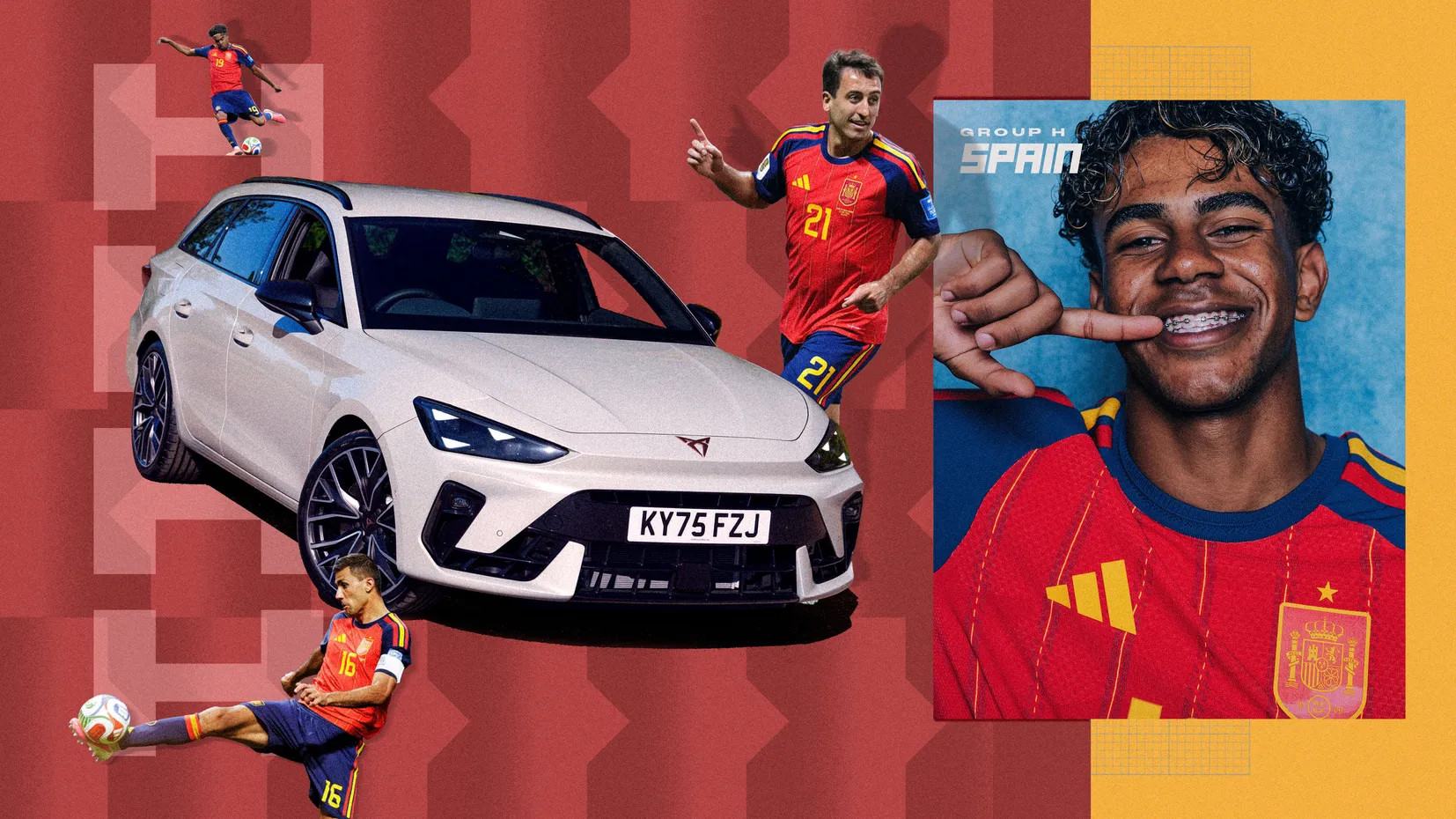
Spain can always be relied on to be a formidable all-rounder in football, and that rings true this year, particularly in the midfield. Handily, the country also makes a car that matches these attributes perfectly: the 329hp Cupra Leon Estate. Just like the car, the Spanish team is fast and brings a dash of flair over more prosaic rivals, and yet is practical and...surprisingly fuel efficient? Okay, maybe they’re not exactly like the car.
Cape Verde: Suzuki Jimny

Yeah, another tricky one, this. Or at least it was until World Cup debutants Cape Verde somehow managed to hold off Spain to a 0-0 draw in their opening game of the tournament. It’s a proper David versus Goliath story, just like how the little Suzuki Jimny can show up far bigger, beefier 4x4s in the rough stuff. Unsurprisingly, for a series of small, tourist-centric volcanic islands, the Jimny is a pretty popular choice in Cape Verde, too.
NOTE: This article first appeared on TopGear.com. Minor edits have been made.