

19) Toyota Corolla
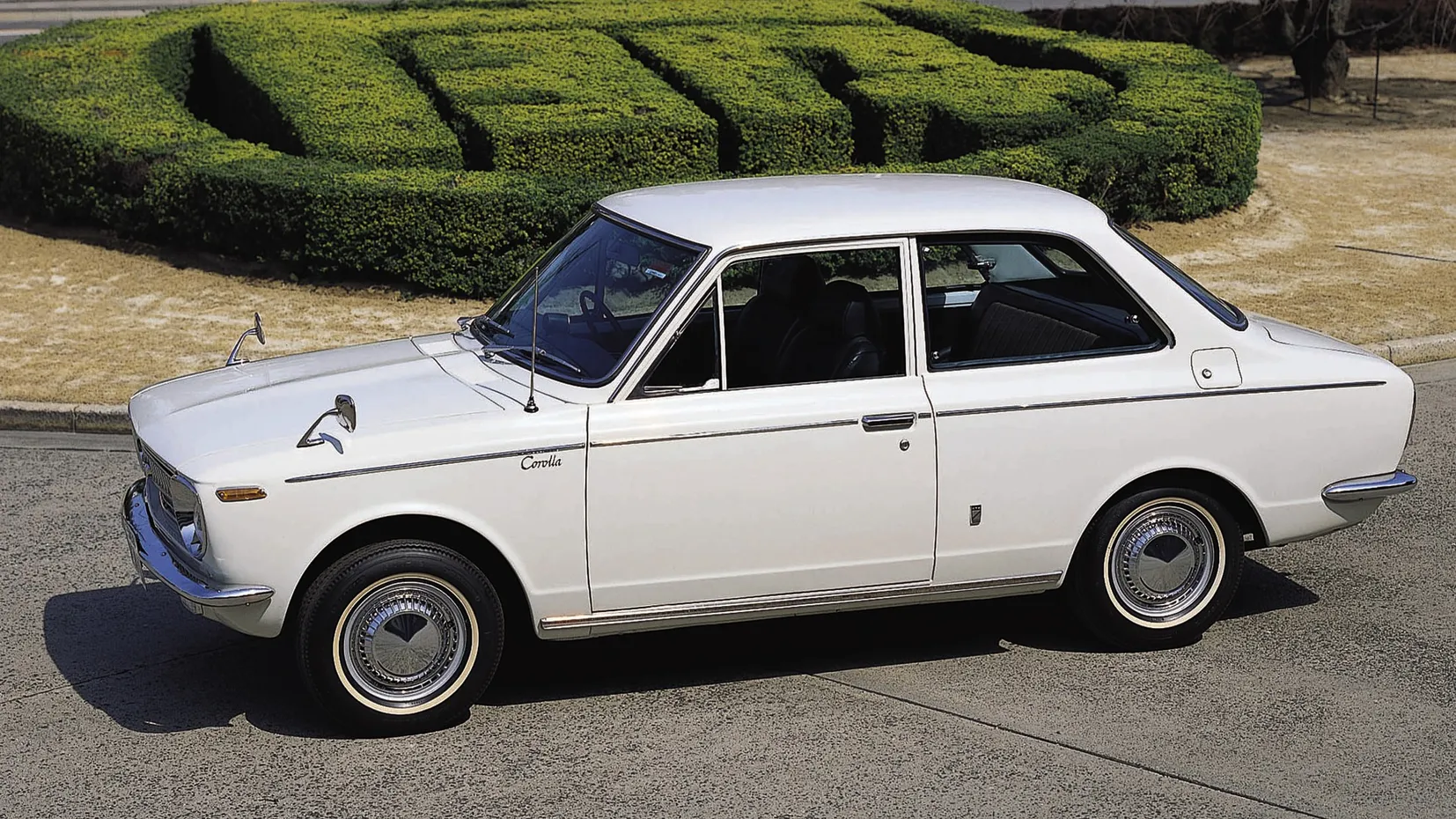
For years, most developed car markets were largely dominated by their domestic brands, but that began to change in the ’60s, and no more dramatically than in the way Japanese manufacturers began to get a foothold in other countries. The humble little Toyota Corolla—affordable, good to drive, and unerringly reliable by ’60s standards—was the poster child of this Japanese export boom, an early sign of its eventual status as the world’s best-selling car nameplate.
20) Simca 1100
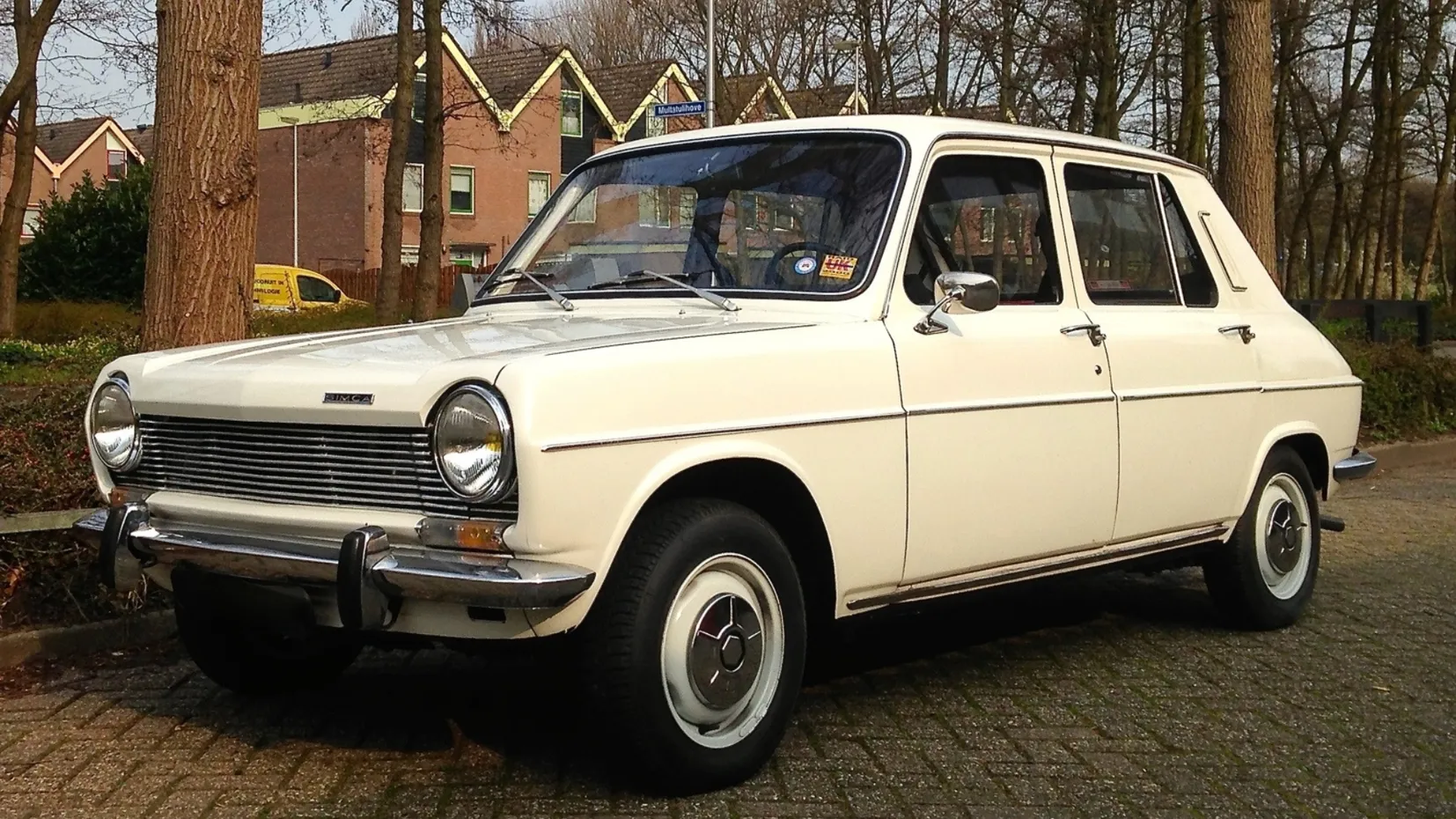
From the 1970s until the late 2000s, the de facto choice of family car in Europe was the humble hatchback, and the Simca 1100 was where that love affair began. Before it arrived in 1967, small family cars were a motley bunch with various body styles and drivetrain configurations, but what the 1100 landed on—front-wheel drive, transverse-mounted engine, three or five doors including a hatchback tailgate, a two(ish)-box design, fully independent suspension—set a precedent that literally every major European manufacturer would soon follow.
ALSO READ:
50 Of the best Japanese cars in history, part 1 of 3
The fully electric Lexus ES may make its PH debut soon
21) Hyundai Pony
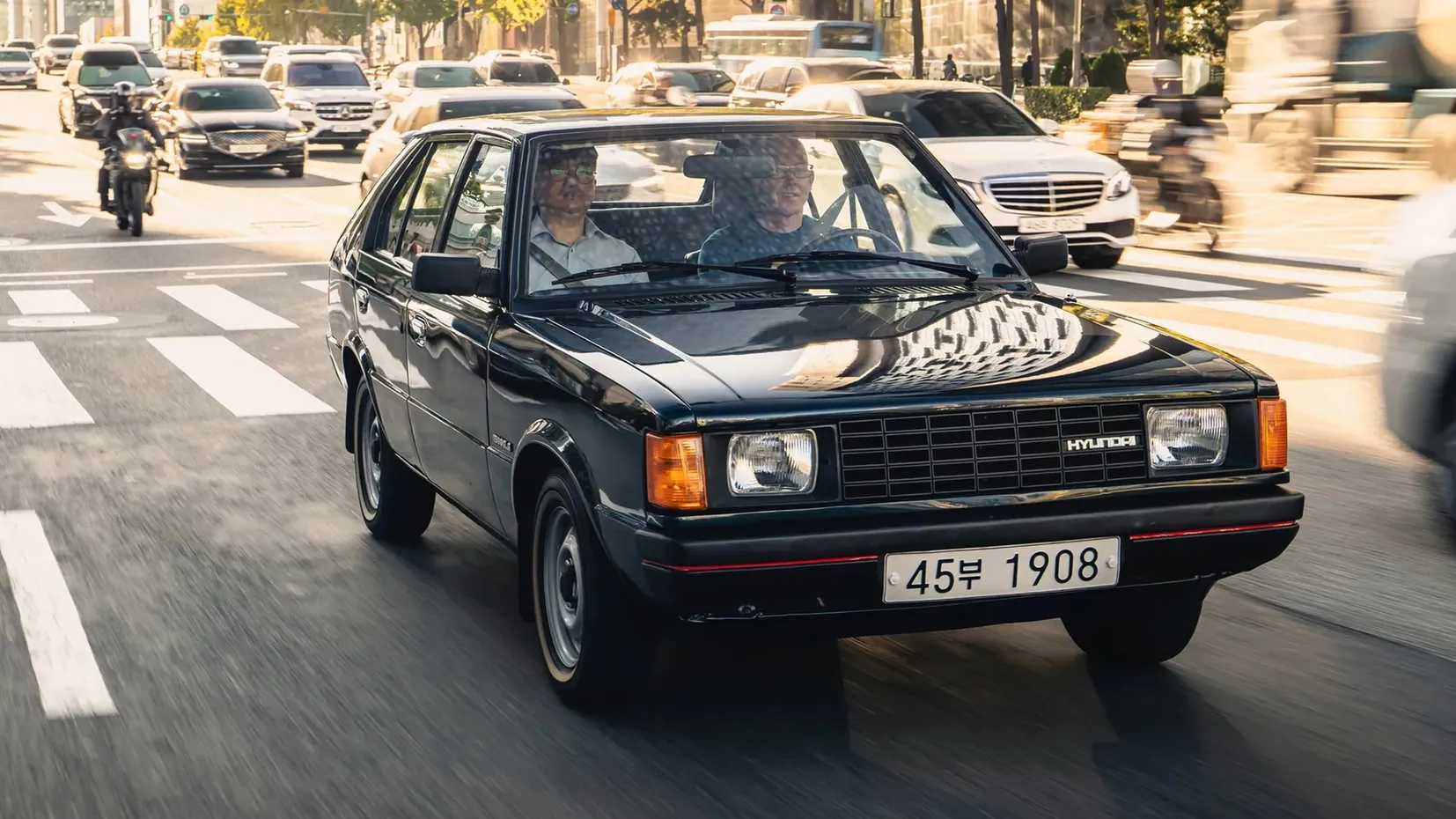
With Japan having proven itself as a serious global car industry player in the late ’60s and early ’70s, it was the turn of South Korea soon afterwards. The Hyundai Pony, the country’s first locally-designed car, was an unsurprisingly humble beginning, but exports began almost immediately after production started in 1975, and the affordable Pony quickly found fans around the world, setting Hyundai on the trajectory to becoming the absolute behemoth it is today.
22) Porsche 911 Turbo
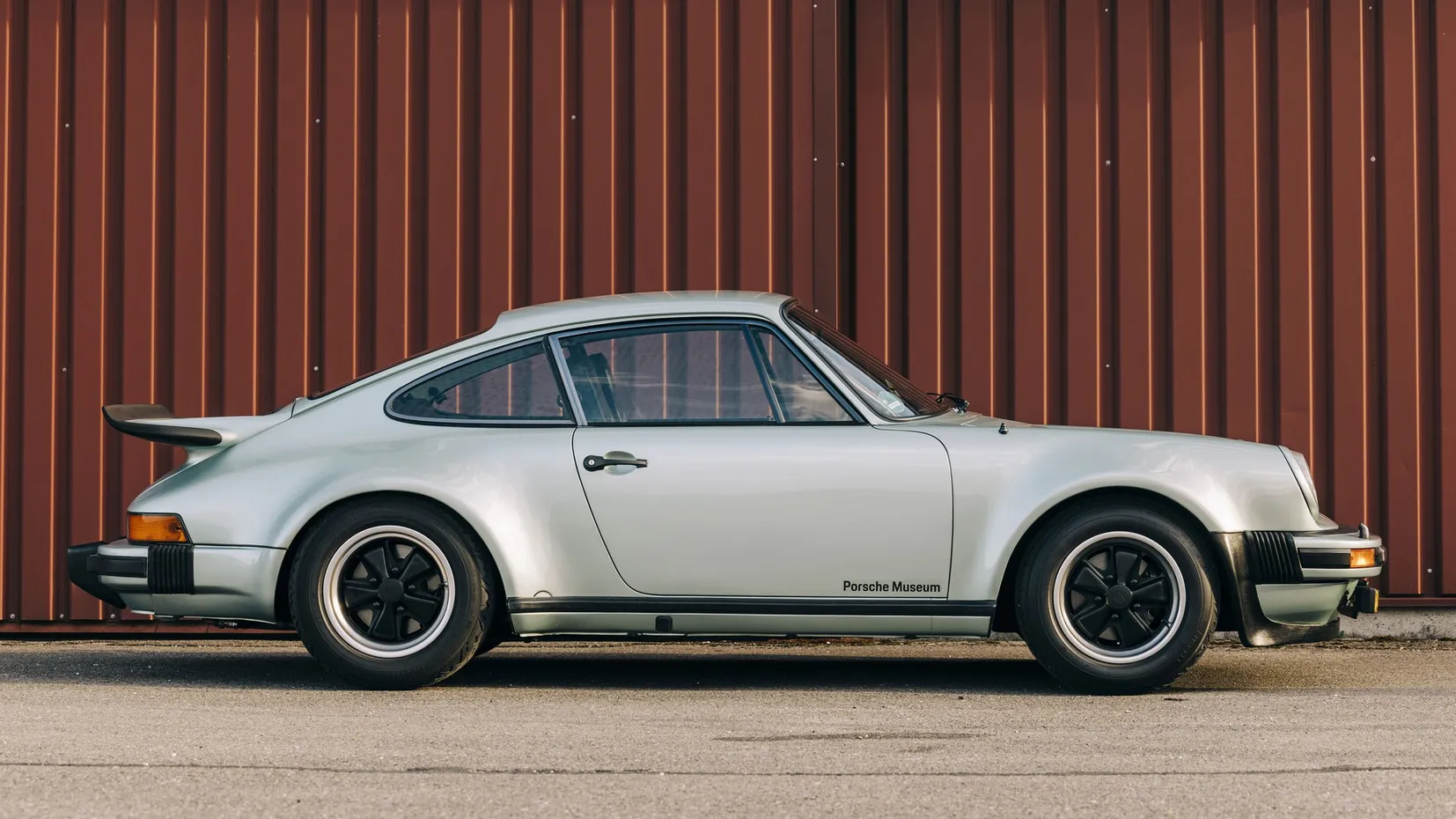
Perhaps surprisingly, it was the US that first experimented with turbocharging road cars in the early ’60s, but it would be another decade before turbo fever properly took over. The BMW 2002 Turbo was an appetizer, but the first Porsche 911 Turbo was the car that properly kicked off the industry’s obsession with boost. An object of teenage bedroom wall desire and yuppie aspiration, it made ‘turbo’ synonymous with ‘really, really cool.’
23) Volkswagen Golf Mk1 GTI
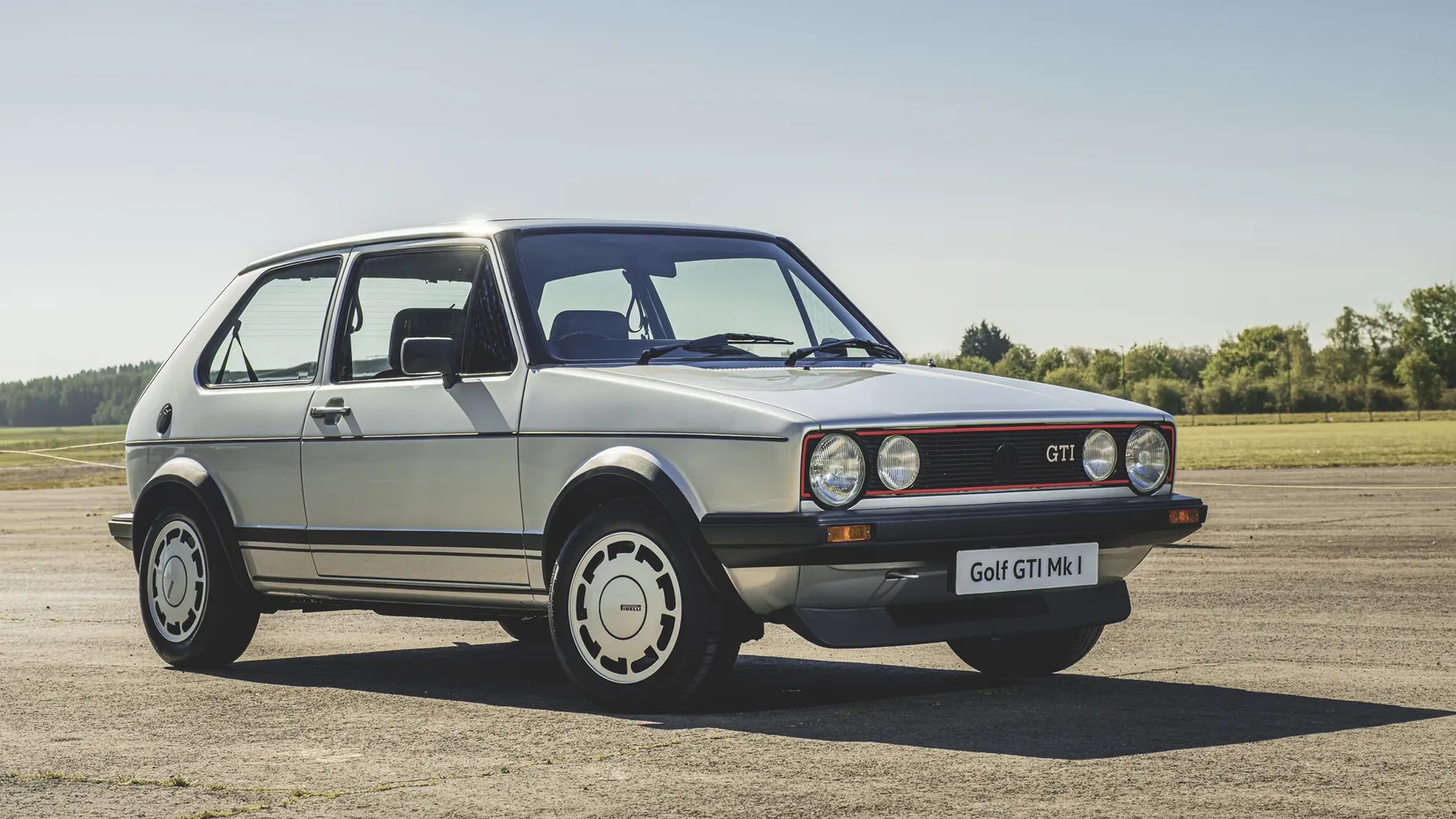
If you’re a dyed-in-the-wool nerd (and if you’re reading this, you probably are) then you know the original Golf GTI wasn’t the first car built to what would become the de facto hot hatch recipe. That was the Simca 1100 TI, or arguably even the Autobianchi A112 Abarth. But this red-lipsticked, tartan-seated bundle of fun was the car that catapulted the hot hatch into the mainstream, kicking off the genre’s golden age and spurring on countless rivals.
24) Volkswagen Golf Mk1 diesel
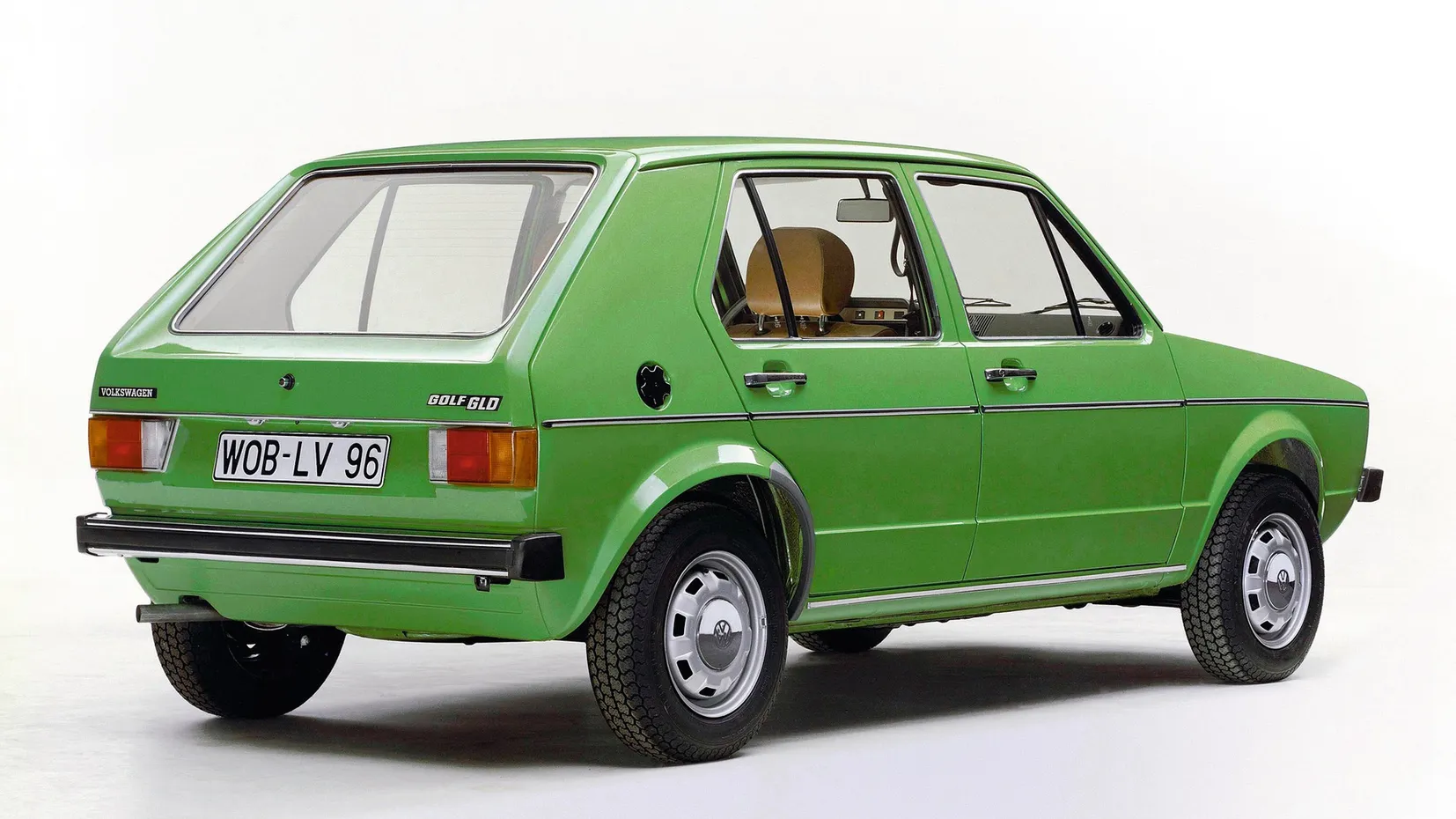
The GTI wasn’t the only influential Golf to land on the market in 1976. Before then, diesel was a fuel for trucks and only the most penny-pinching car owners in their weird, clattery Peugeots and Mercs. But the appearance of a diesel option in the Golf made the masses pay attention to the fuel-saving benefits of a DERV, kicking off a European love affair with the fuel that wouldn’t start to subside until VW itself did That One Thing 40 years later.
25) Saab 99 Turbo
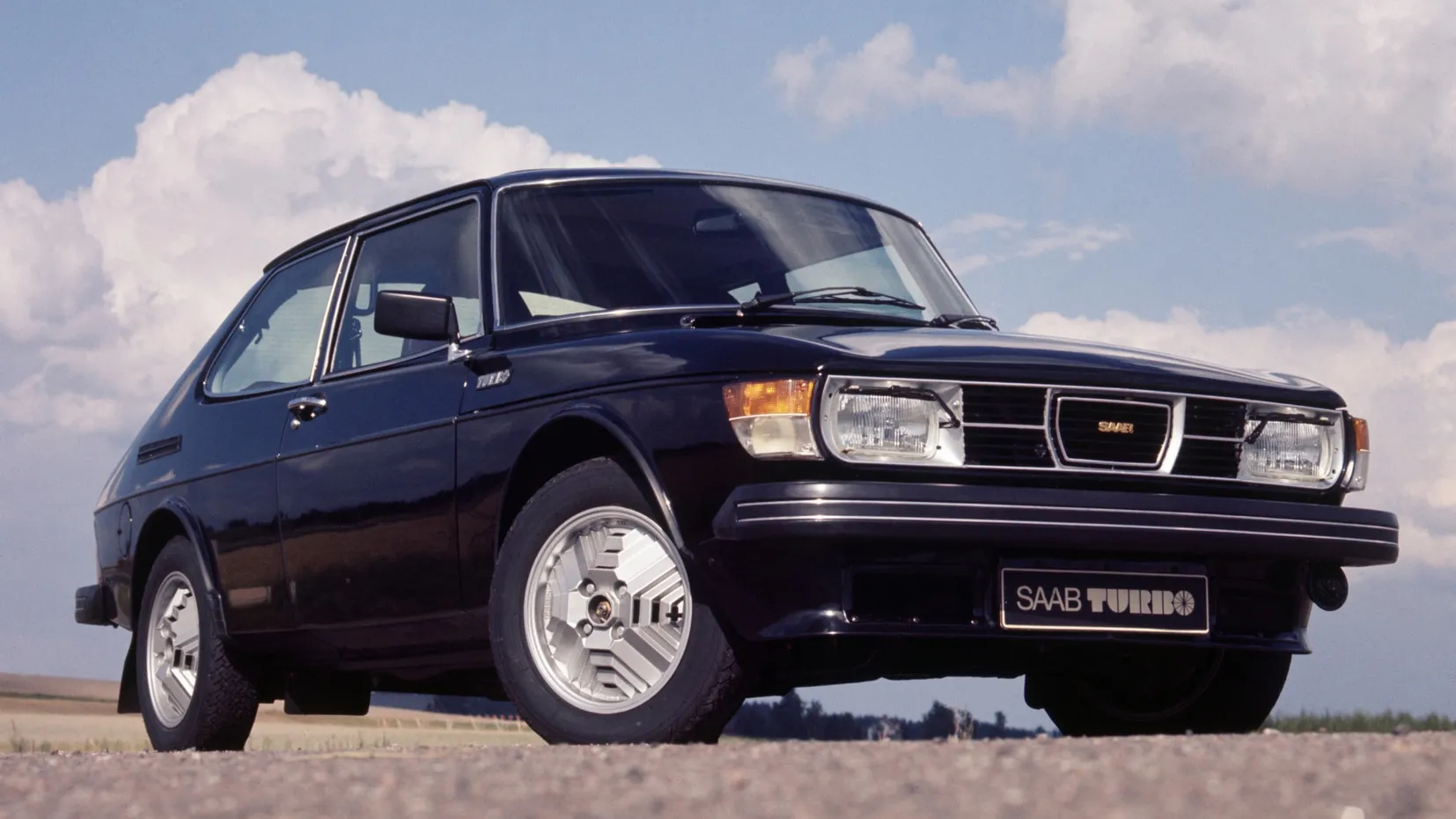
The 911 Turbo had made a snail-equipped engine a thing of enormous desire, but you could only have one if you were very rich. The 1978 Saab 99 Turbo heralded the turbocharged car you could buy if you were only reasonably rich. Not only did the wedgy Swede (somewhat) democratize the turbo, but with performance that bested six-cylinder rivals, it clearly demonstrated the performance and efficiency benefits of turbocharging that make it so ubiquitous today.
26) Audi Quattro
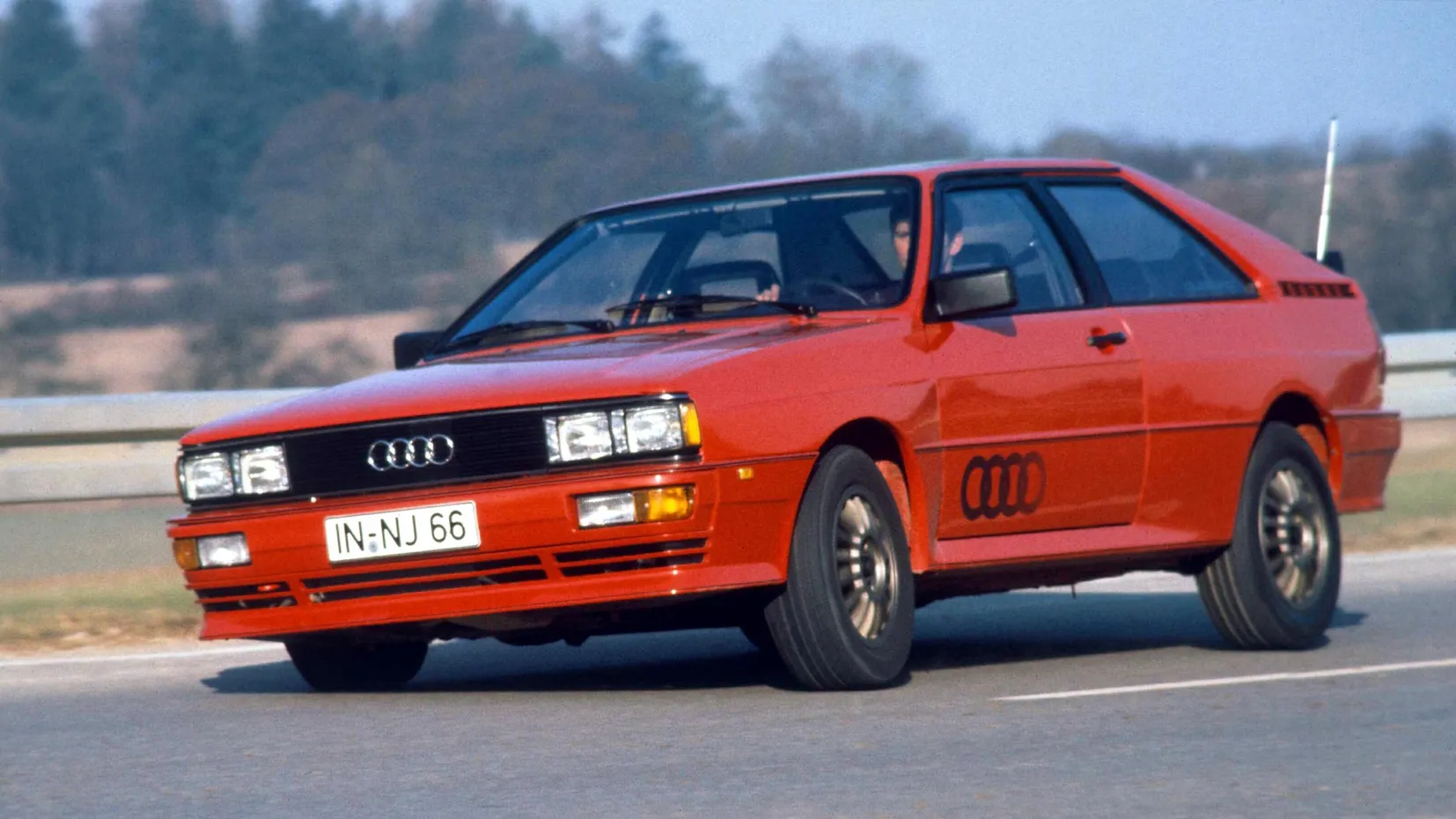
Like Elvis with rock ‘n’ roll, the Quattro was not the first non-off-road car to come with four-wheel drive—Subaru and, of all companies, Jensen got there first—but it was by miles the most influential. With its traction and performance benefits immediately apparent on the road and rally stage, it wouldn’t be long before manufacturers everywhere were scrabbling to get their own all-paw road cars in showrooms.
27) Volkswagen Santana
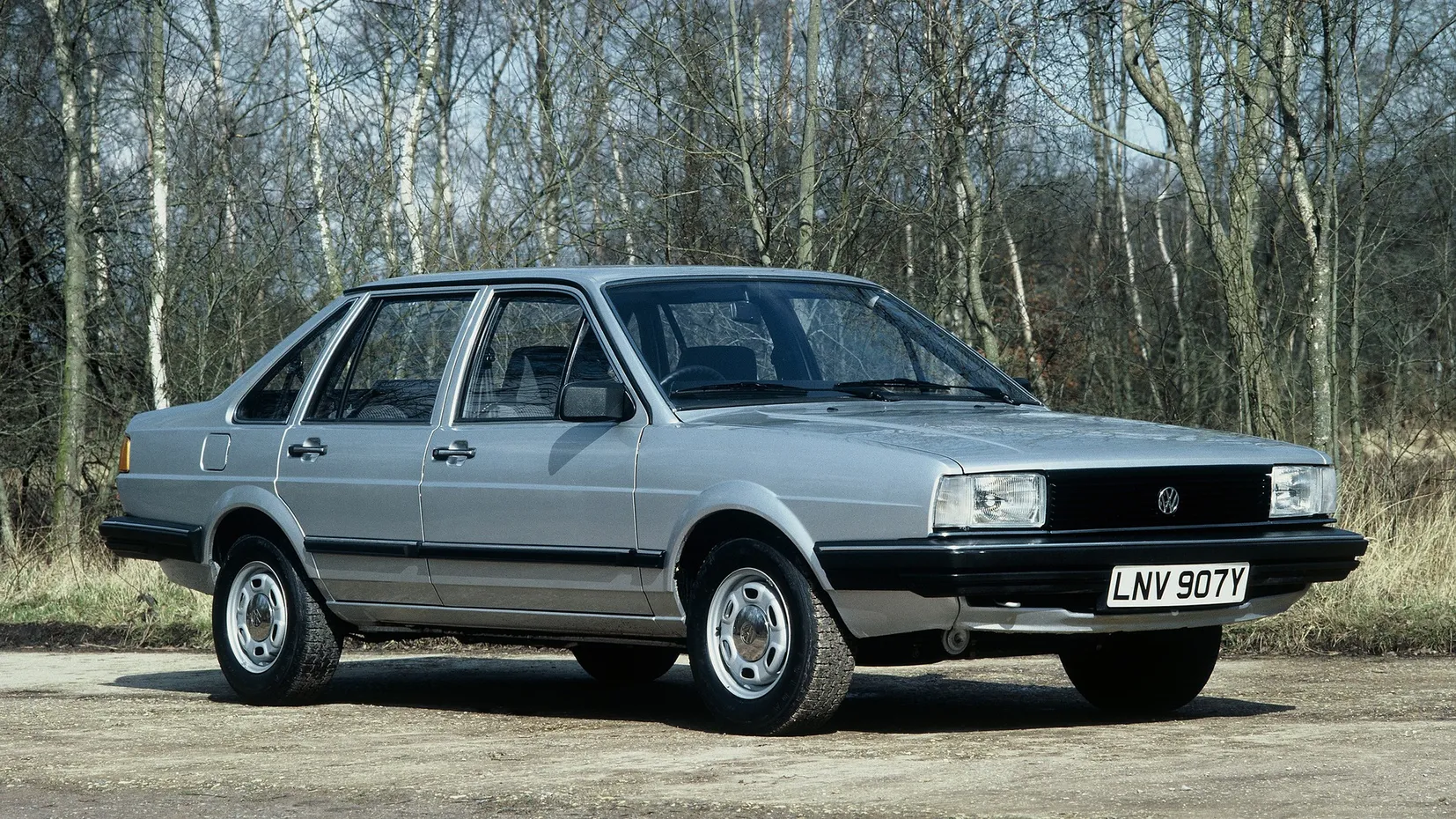
The VW Santana, a slightly posher second-gen Passat, lasted a mere three years in Europe, but because of a 1982 deal VW struck with Chinese state-owned carmaker SAIC to build it in Shanghai, it’s one of the single most influential cars in the world. Coinciding with economic reforms that opened up car production and ownership, nearly 3.5 million Shanghai Santanas were built over 30 years. It’s no exaggeration to call it China’s Model T—and we all know where the country’s car industry is now.
28) Dodge Caravan
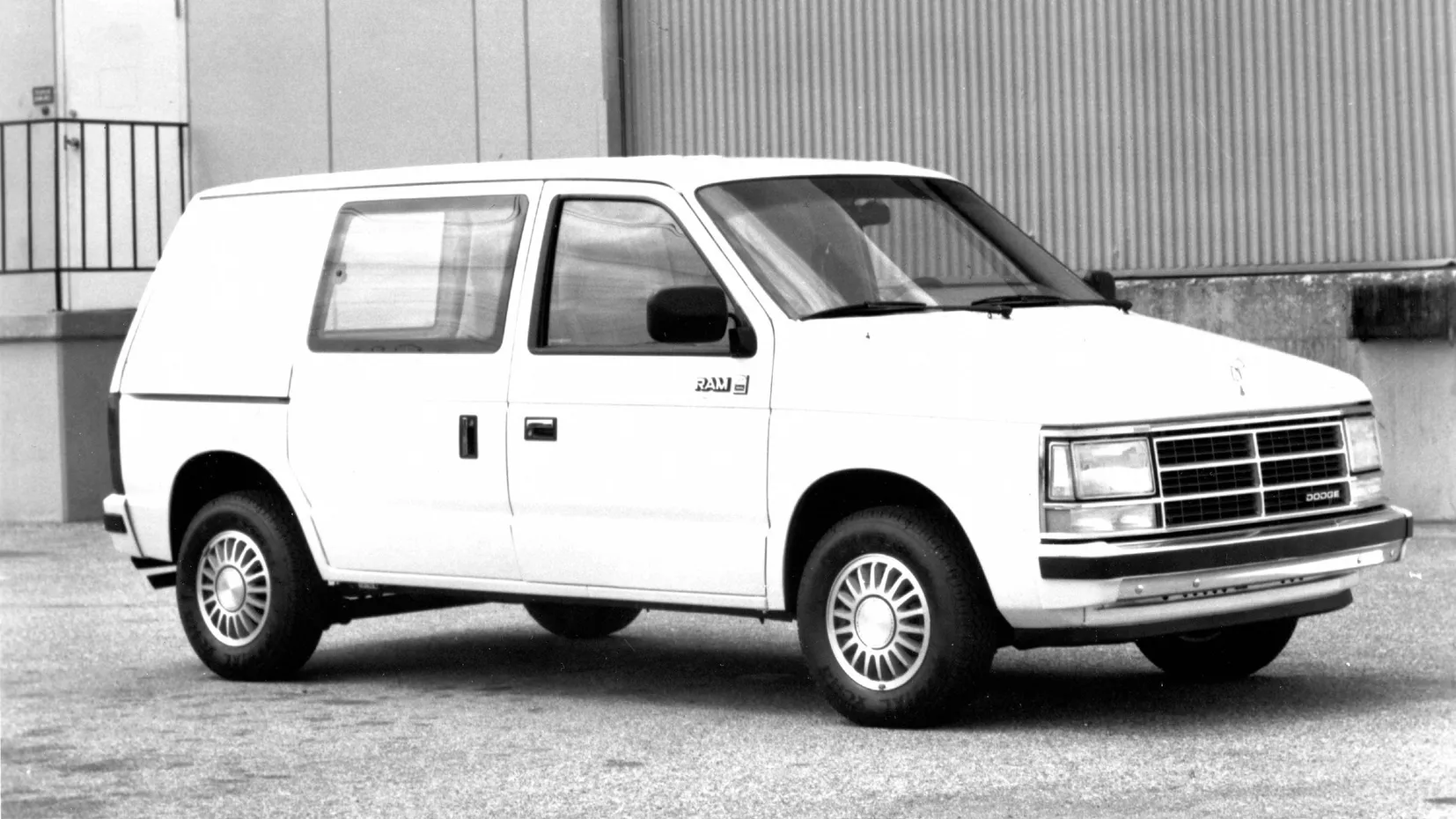
It’s rare that a car invents an entirely new segment, but Chrysler landed on a money-spinning formula in 1983 with the twinned Dodge Caravan and Plymouth Voyager minivans. Suddenly, big American families had a far more practical alternative to the station wagon, and soon, all the American and Japanese brands had competitors. It was only the minivan’s eventual status as the final boss of uncoolness that saw them start to fade from popularity.
29) Renault Espace
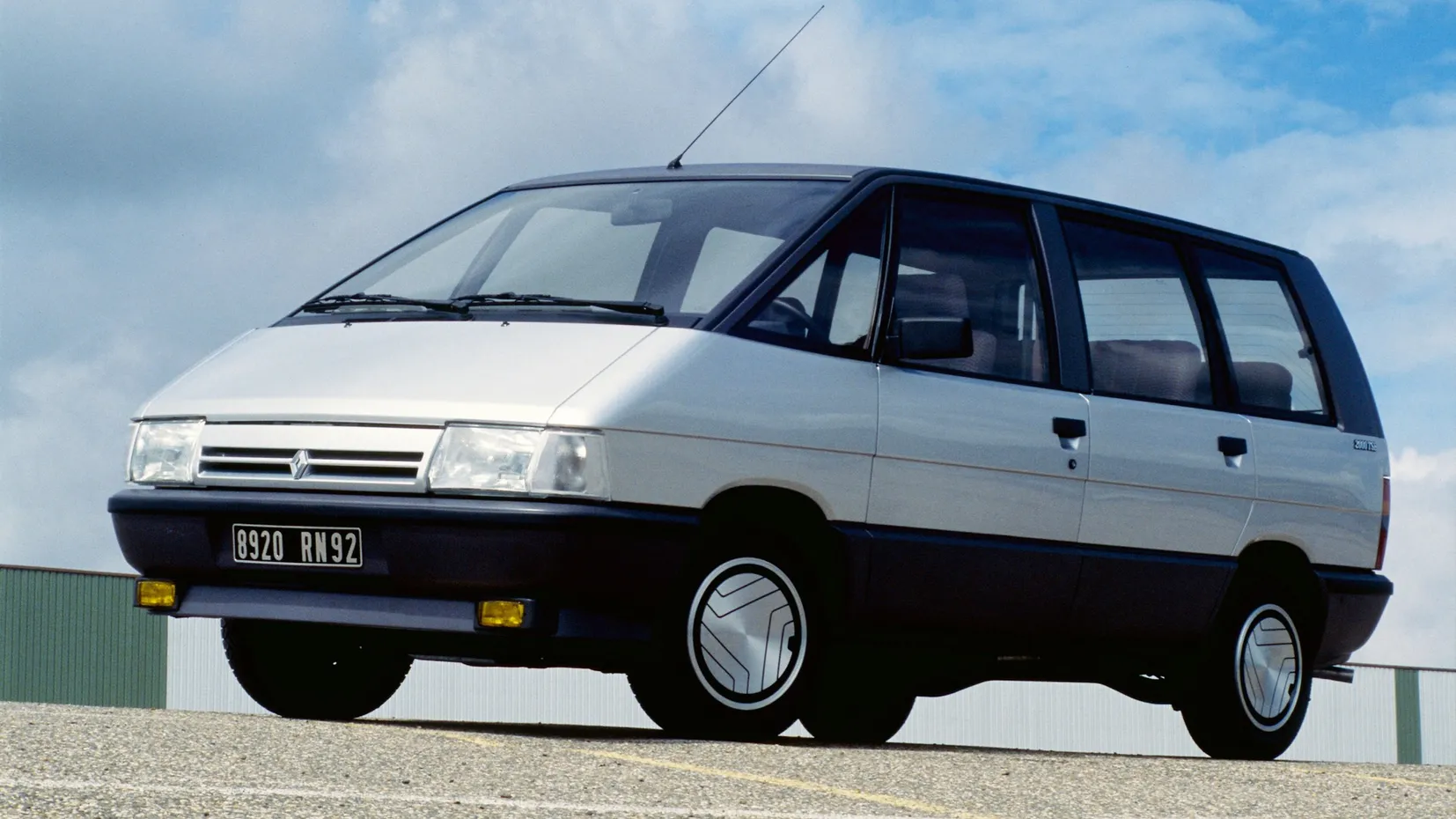
While Chrysler was developing its minivans in the US, its European division was simultaneously working on a similar idea in league with engineering contractor Matra. However, Chrysler Europe was soon bought by Peugeot, who thought the design too radical, so Matra took it to long-time rival Renault instead, who took the gamble and launched it in 1984 as the Espace. Sure enough, Europe was soon in the grip of an MPV boom of its own.
30) Jeep Cherokee (XJ)
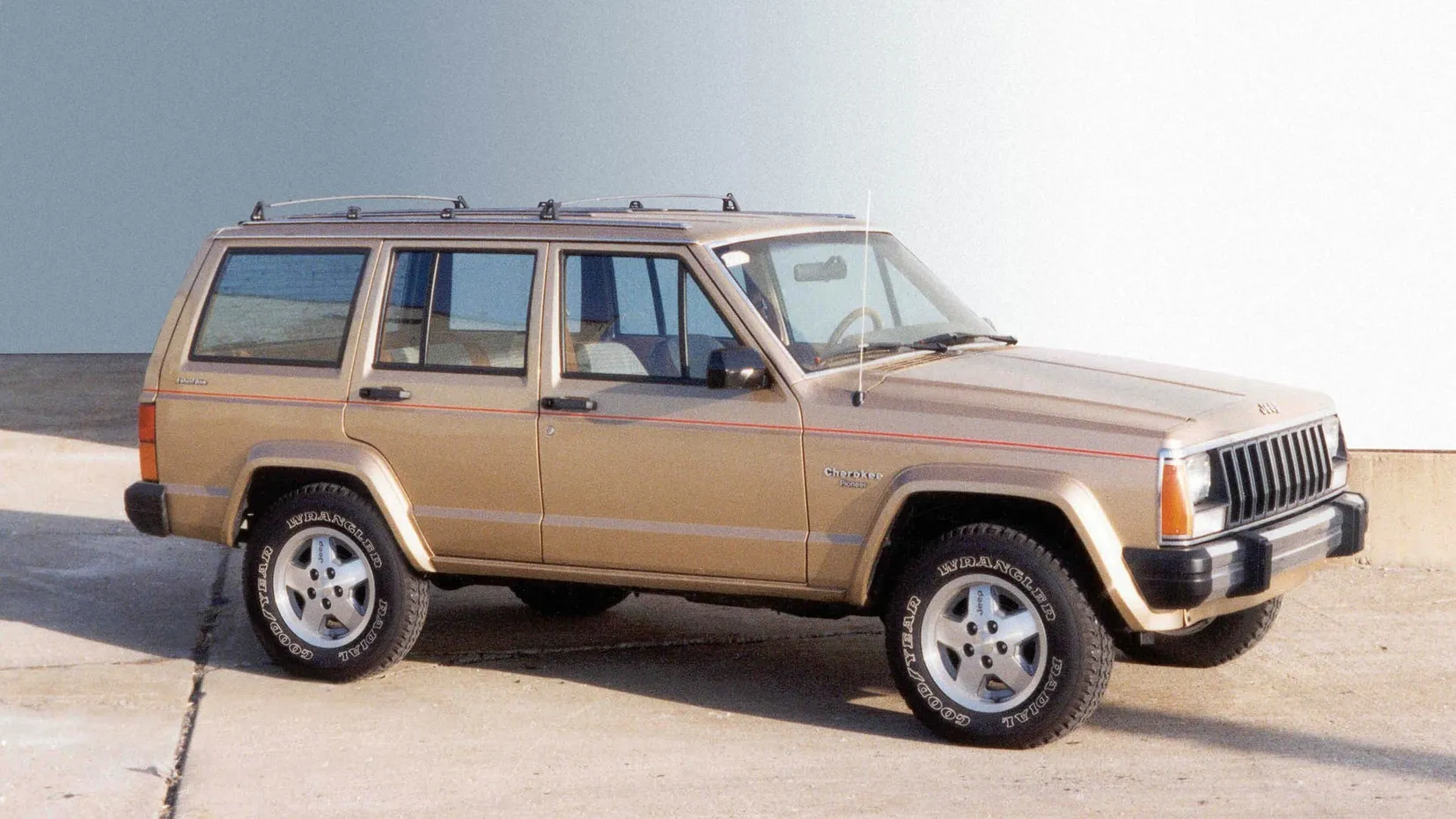
The Espace wasn’t the only segment-defining car launched in 1984 that Renault had a say in. At the time, it was in league with AMC, then-owner of the Jeep brand, and the companies worked together on the second-generation Jeep Cherokee, a 4x4 designed to appeal to both North America and Europe. Built on a unibody platform rather than a ladder chassis, it blended car-like manners and a plush interior with off-road chops. Intentionally or not, Renault and AMC had invented the modern SUV.
31) BMW M5 (E28)
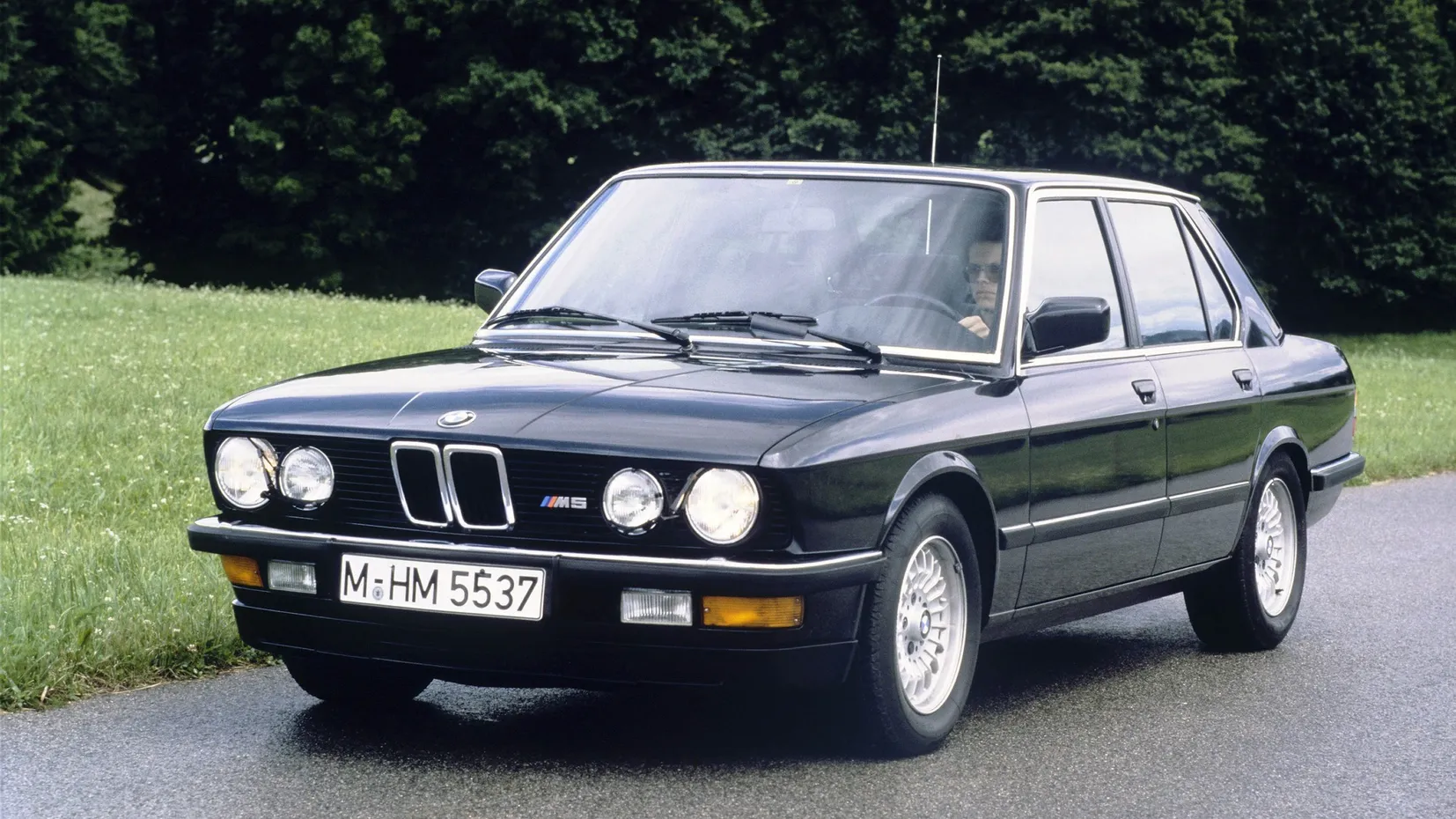
There had been fast sedans long before the first BMW M5 launched in 1984, but they were just that—sedans that happened to go fast, courtesy of a big engine and maybe some chassis upgrades here and there. The M5 redefined what a fast four-door should be: not only did it go like a sports car, it cornered and stopped like one too, and that’s been the standard in the segment ever since.
32) Porsche 959
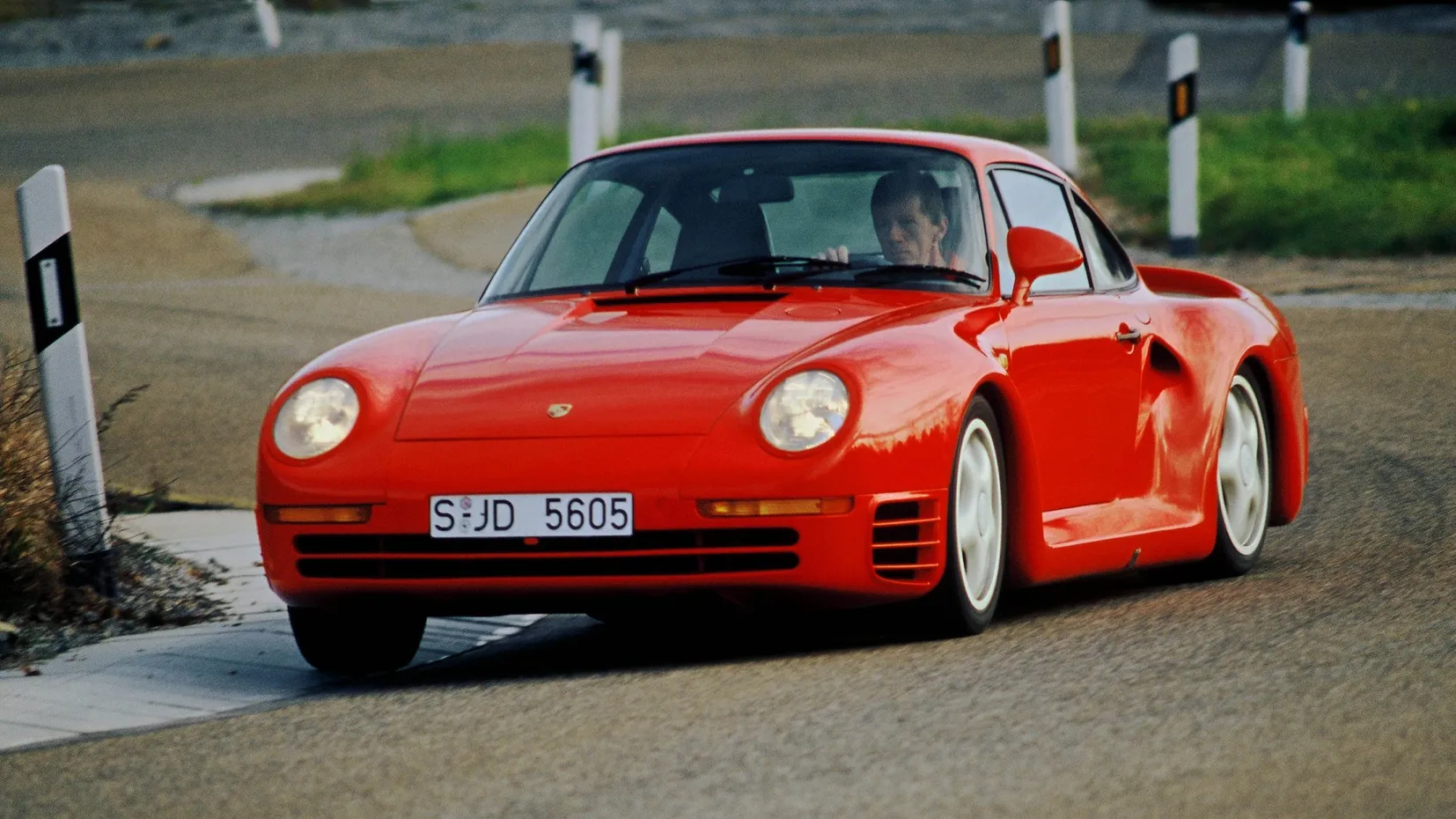
The 1986 arrival of the Porsche 959 marked a tipping point in supercar development, when they began to go from unwieldy, brutish dinosaurs to highly-finessed technological tours de force. With active suspension, all-wheel drive, composite bodywork, and twin turbochargers, the 959 was the blueprint for the direction supercars would take over the next four decades. Pretty remarkable for something that began as a homologation special for a rally car that never ended up happening.
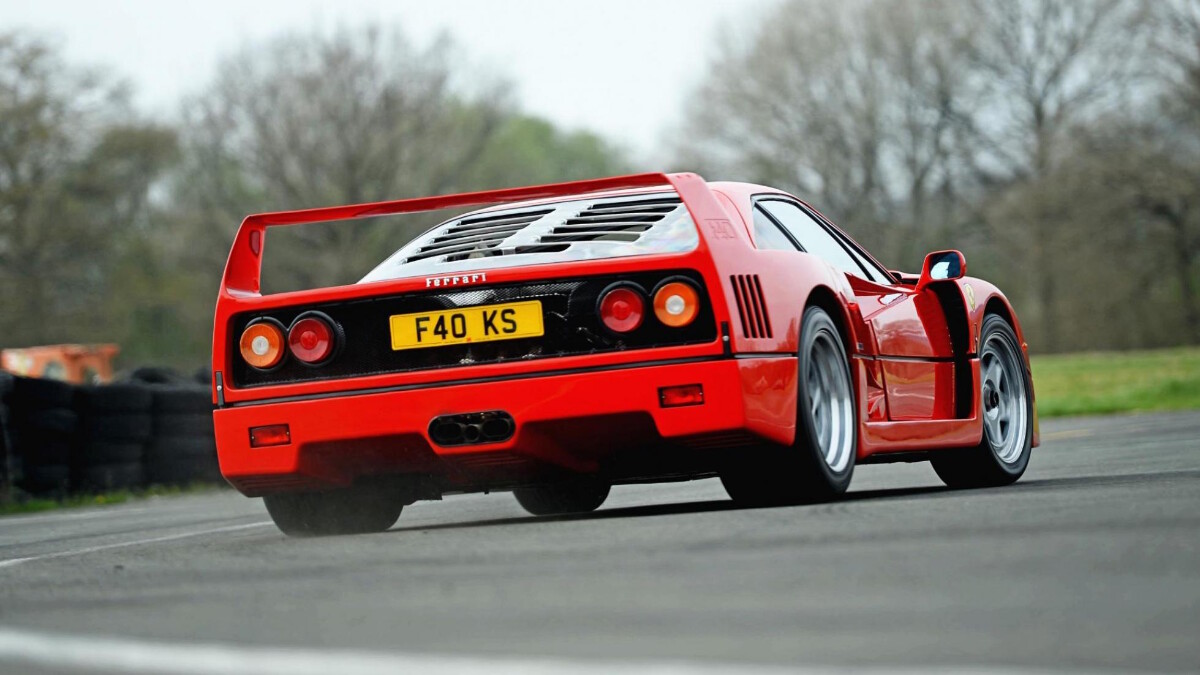
33) Ferrari F40
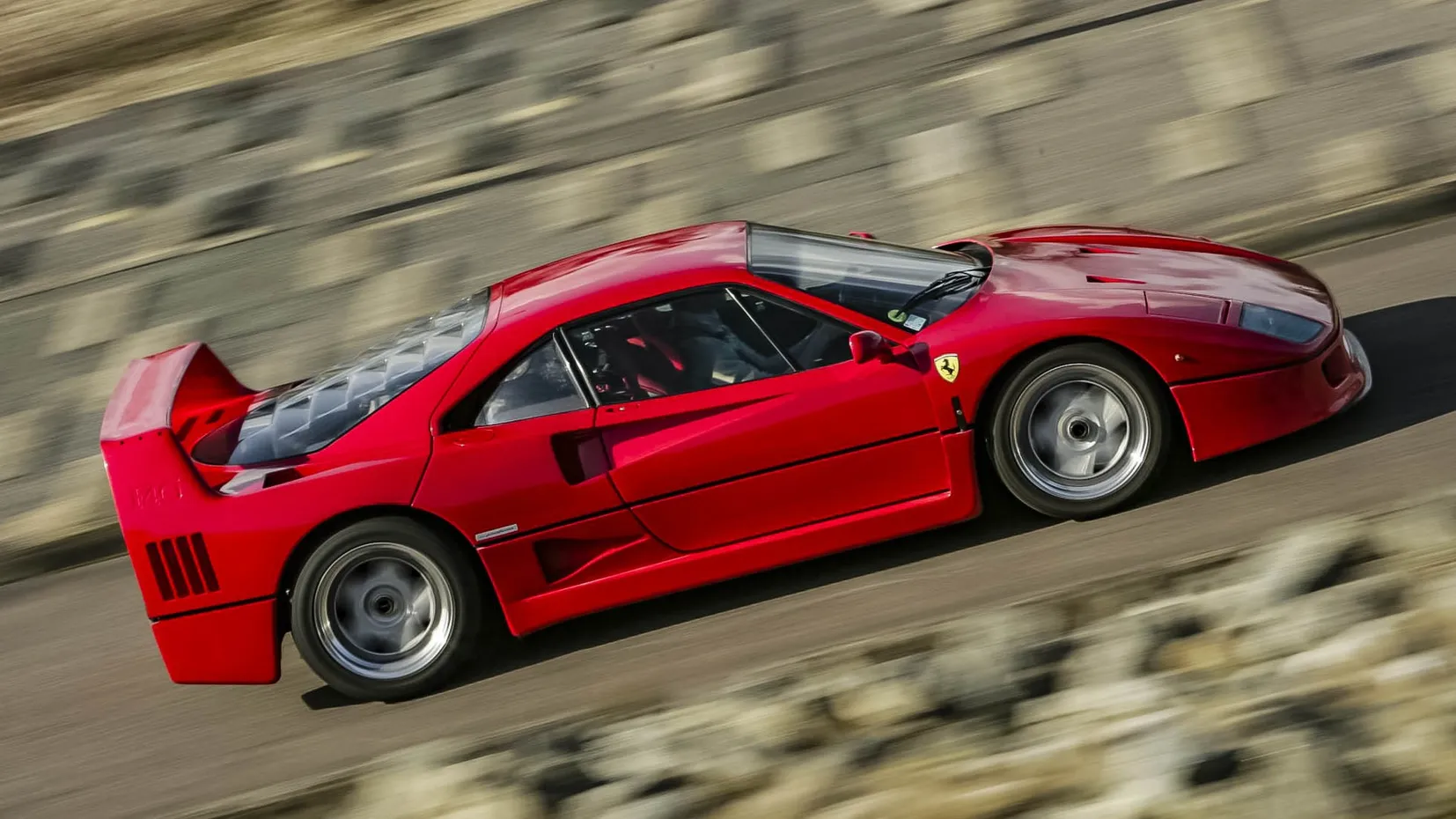
If the 959 was the first truly modern supercar, then its big rival, the Ferrari F40, was one of the last truly old-school ones, even if it was the first road car to incorporate carbon bodywork. That’s not the main way it moved the game on, though. When the car as we know it arrived a century earlier, even 161kph must have seemed like an impossible fantasy. The F40 was the first car to double that number, and the 322kph barrier has had a near-mythical status ever since.
34) Mazda MX-5
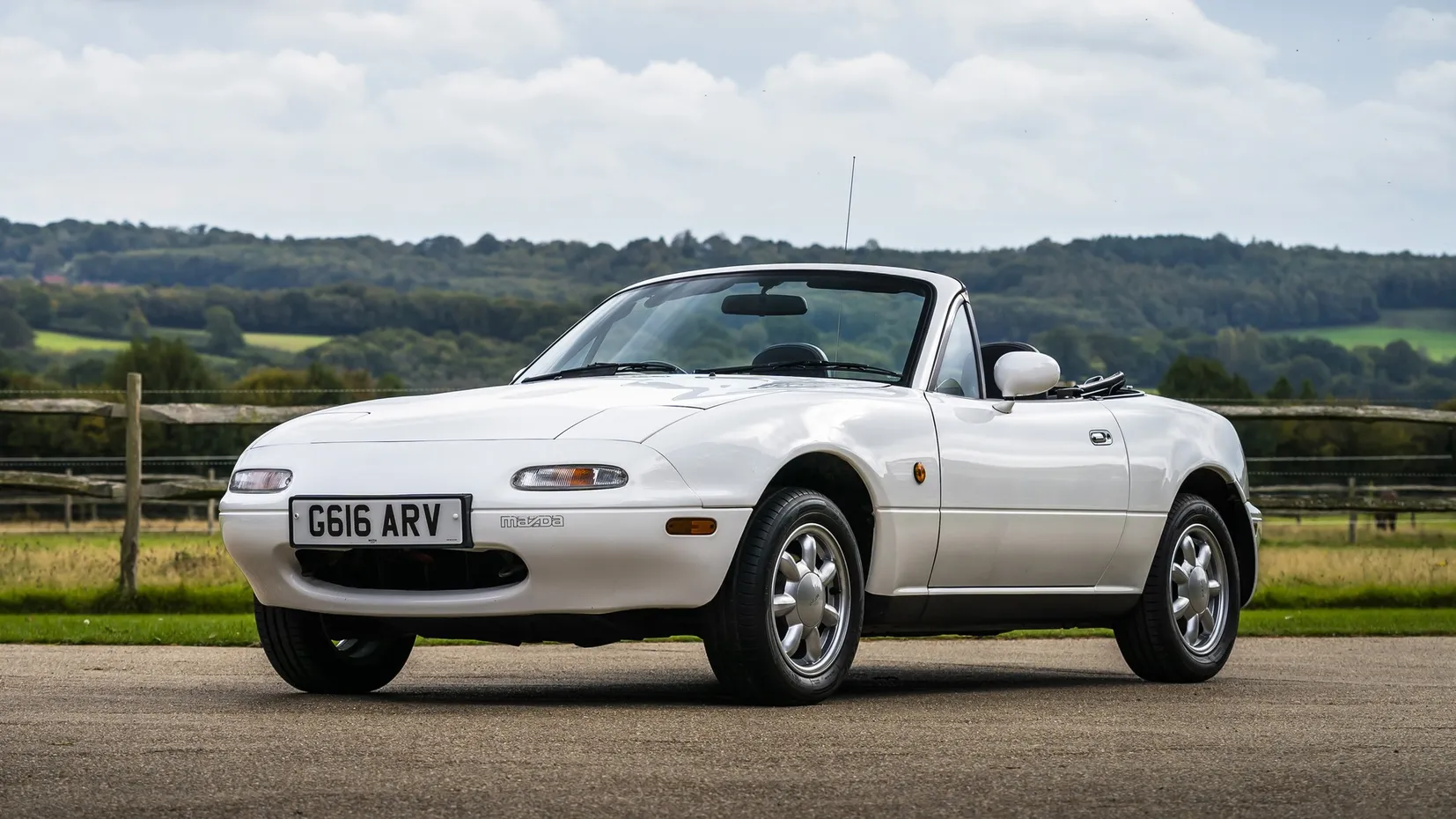
Following the arrival of the Golf GTI, old-school sports cars suddenly became about as desirable as a smack in the face with a wet fish—until 1989, that is, when the Mazda MX-5 expertly reignited the world’s love affair with the roadster. It was so popular that it led all manner of other companies to launch rival sports cars of their own, and so unassailably brilliant that within a couple of decades, they’d all largely given up again.
35) Lexus LS
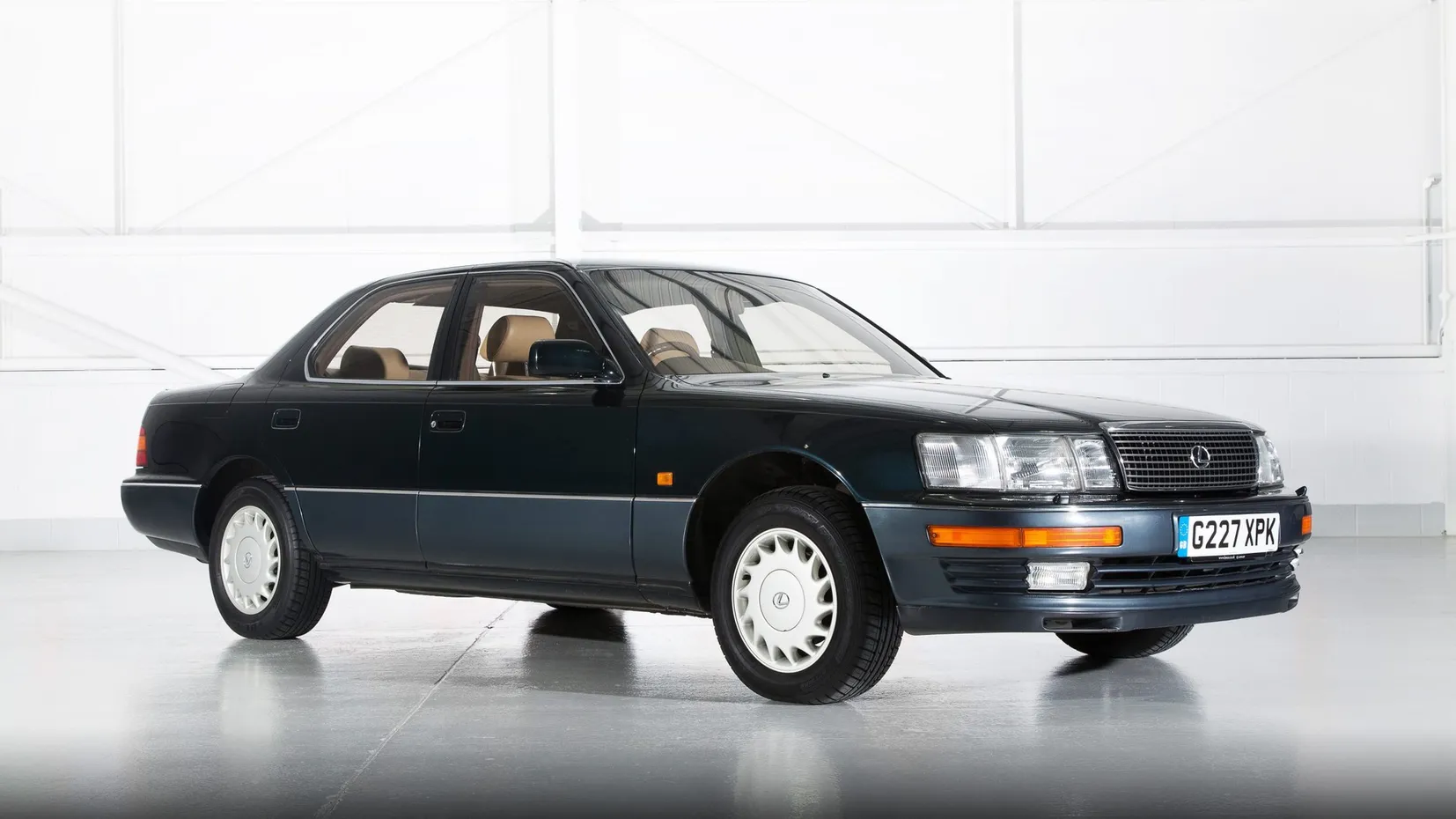
1989 was a brilliant automotive year for Japan, a country in the midst of a spectacular economic bubble. Its car companies were taking full advantage—while Mazda was reinventing the sports car, Toyota was busy readying a new luxury division, launching the Lexus LS that year. Almost immediately, it caught the European old guard napping with its astonishing levels of comfort, refinement, and quality, especially in the all-important US market where suddenly, a Mercedes or BMW badge wasn’t enough on its own.
NOTE: This article first appeared on TopGear.com. Minor edits have been made.