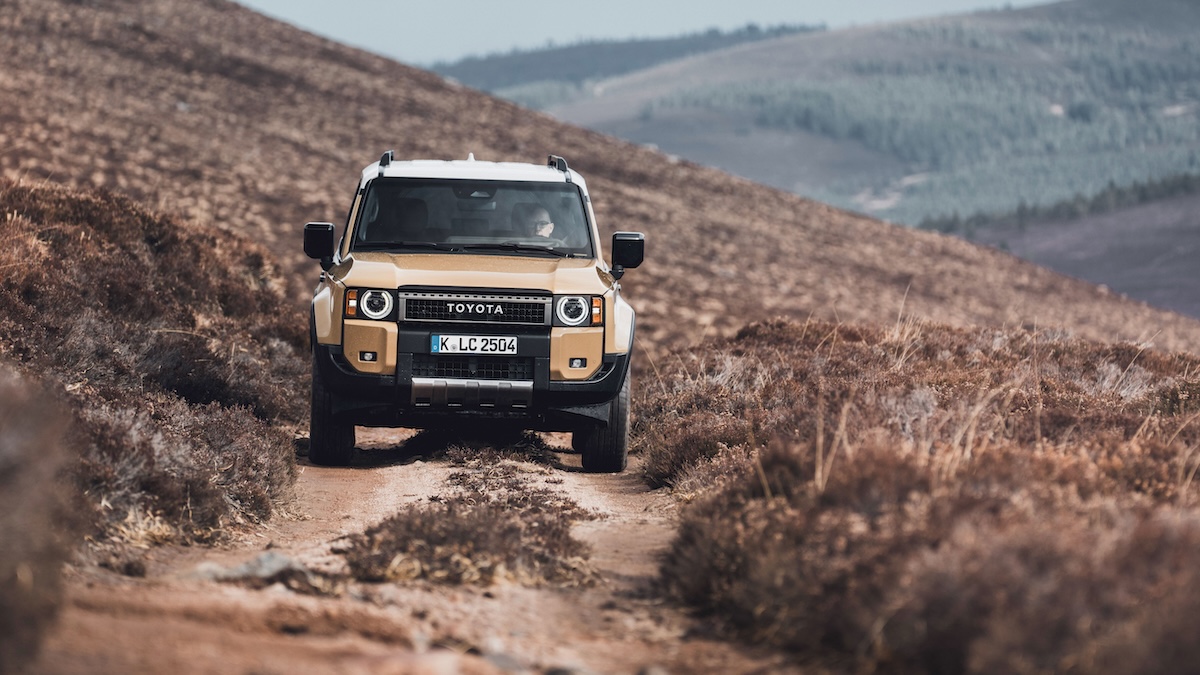
Here is a question: What is an off-roader for? And here are some potential answers: a) going off-road, or b) doing the school run. They’re the only answers that matter really. The Toyota Land Cruiser has always been firmly in the first camp. This is not an SUV that has ever captured the attention of the Land Rover set.
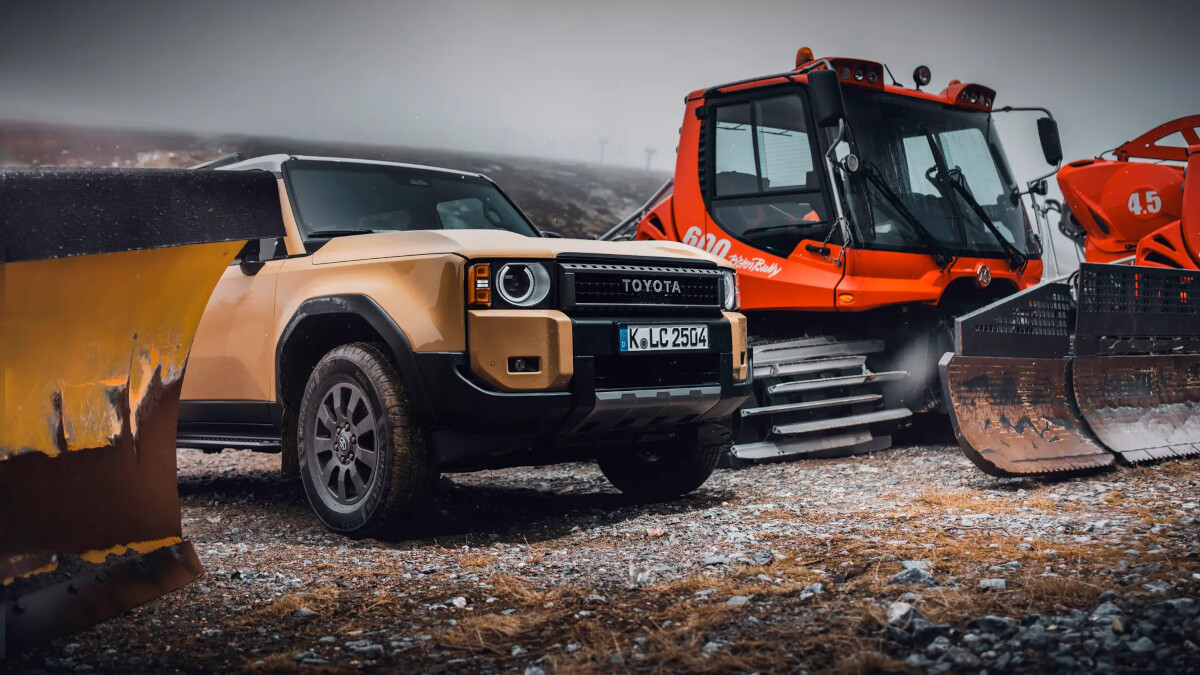
But now it might. Because it’s had a makeover. Remember the Suzuki Jimny? It was around for years, capable yet wayward and mostly a niche model, then in 2018 it was given a funky facelift and suddenly everyone wanted one. It was still pretty rudimentary underneath, but have you seen the cuteness?! Well, expect a similar fate to befall this new Land Cruiser.
It deserves better. It deserves a life of adventure and rugged outdoorsiness. It should be out there conquering crevasses, not curbstones. If you’re tempted by one, make us a promise: Discover what it’s capable of. Because boy, oh boy, can this new Land Cruiser 250—still referred to by most enthusiasts as the Prado—still walk the walk.
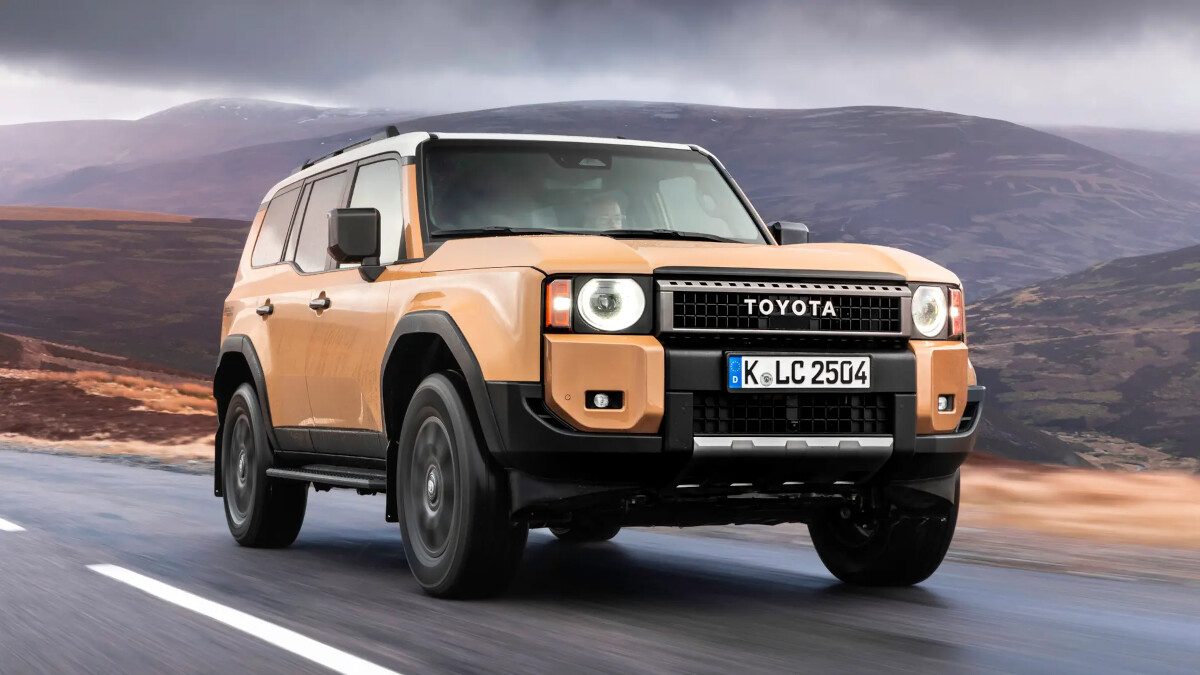
It’s always been one of the biggest beasts in the off-road jungle. Like the Jeep Wrangler and the Land Rover Defender, it traces its roots back over 70 years, in this case to the Willys-inspired Toyota BJ, a parts-bin special that got the ball rolling back in 1951. The Land Cruiser realized it could be more than a hardcore workhorse and created the Station Wagon line of more civilized machines.
OTHER STORIES YOU MIGHT HAVE MISSED:
First drive: Does the Ford Bronco live up to the legend?
Size comparo: How big is the 2024 Toyota Land Cruiser Prado versus the LC300?
In 1985, it then separated the workhorse range into Light and Heavy Duty. The Heavys are the cars you see on the news in global hotspots—the 70-Series, tough as teak, but unable to be sold in Europe due to emissions regs. This new 250 Series is ostensibly the latest in the Light Duty lineup, but Toyota has gradually been reconverging Light Duty and Station Wagon (the 300 Series), so both now share the GA-F chassis.
It’s not futuristic underneath. This is a burly steel ladder frame with the body mounted separately on top. It’s powered by diesel, and still has lockable diffs and a low-range gearbox. There’s no air suspension (not durable enough, apparently), no hybrid assistance (although 48V mild hybrid will be added to this engine next year), not even a twin-clutch gearbox. In terms of tech, all you’ve really got to boast about is a front anti-roll bar that can be disconnected on the fly to improve axle articulation.
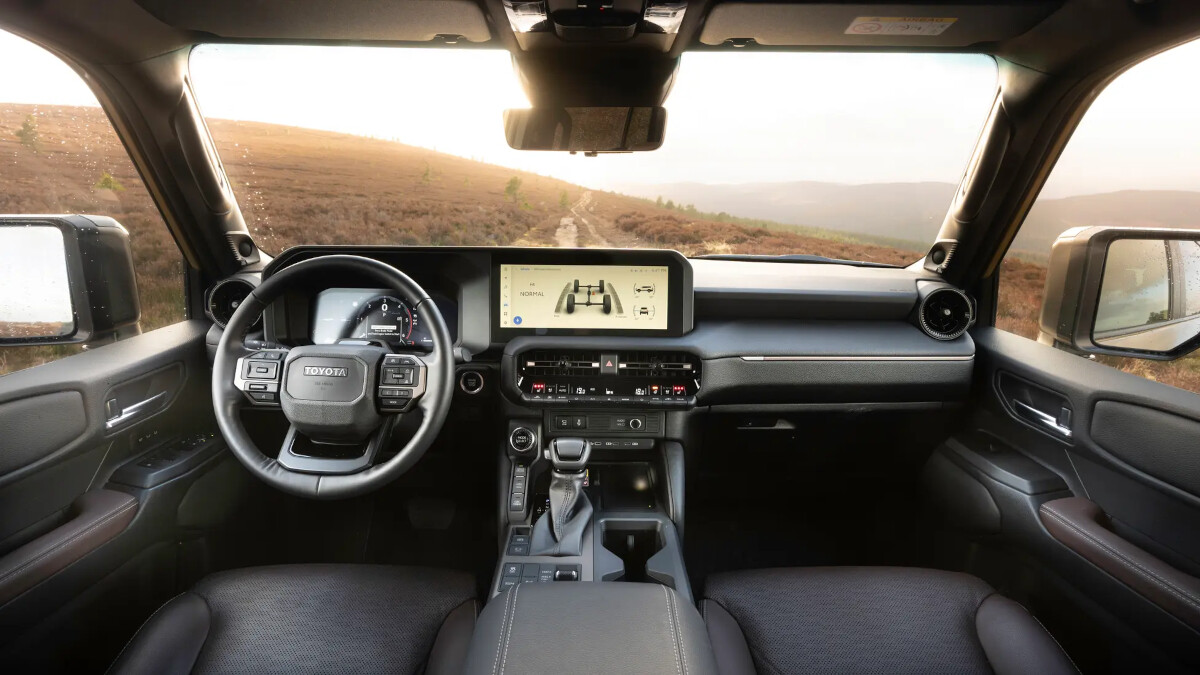
But that’s not to say it’s hopelessly old-fashioned and unsuited to the modern world (look inside, there’s a touchscreen). The chassis is now 50% more rigid and Toyota has paid special attention to refinement and noise insulation. This is possibly the most comfortable ladder-framed car ever built.
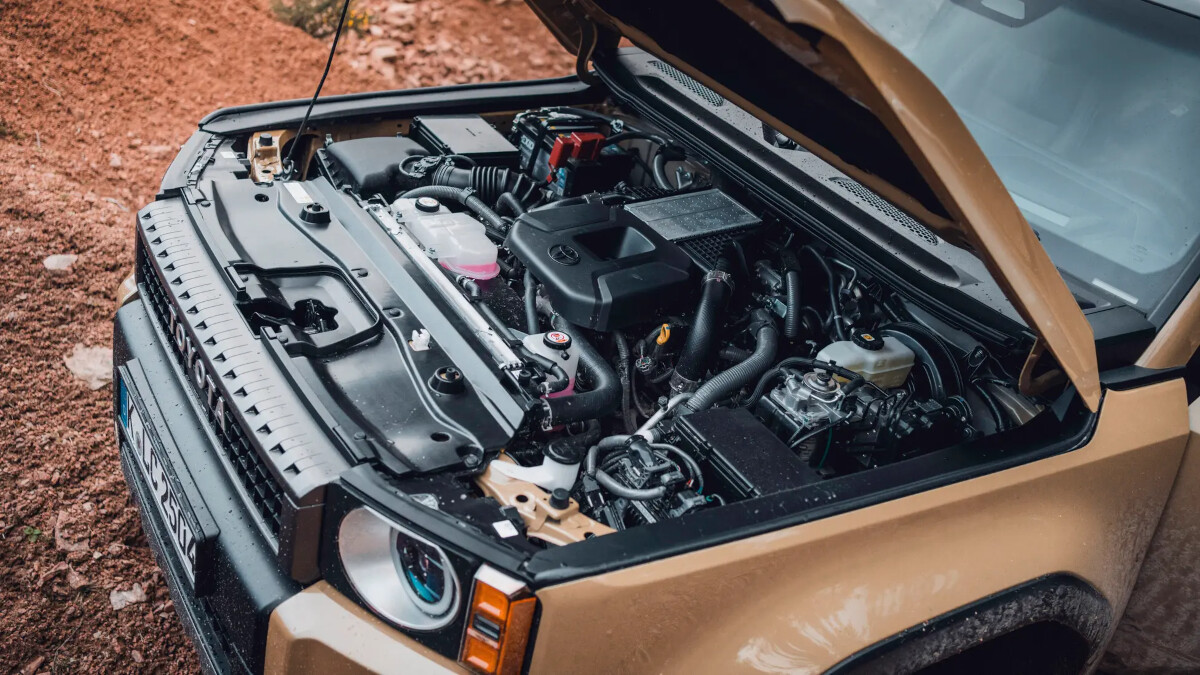
Which, granted, isn’t saying very much. The suspension is springy, the rear beam axle sends occasional shudders up through the cabin, and the 2.8-liter 201hp four-cylinder diesel (note that the Philippine market is getting the gasoline instead) is not the last word in smoothness or silence.
You’re going to think this is a drawback, but it’s not. All these traits are reassuring in a car that’s designed to work for a living. The engine churns away and the handling is ponderous, but all these signals also tell you that the Land Cruiser has got your back, that it’ll never let you down. It’s not—and never can be—as civilized as a Volvo XC90 or an Audi Q7. Those coming to it from a Defender will likely be perplexed, too—that now uses a hybrid monocoque/ladder chassis that has massively improved comfort and refinement. If the British car has a weakness, it’s that it’s almost too competent: Off-road, you don’t get as much feedback and awareness as you do from the Toyota.
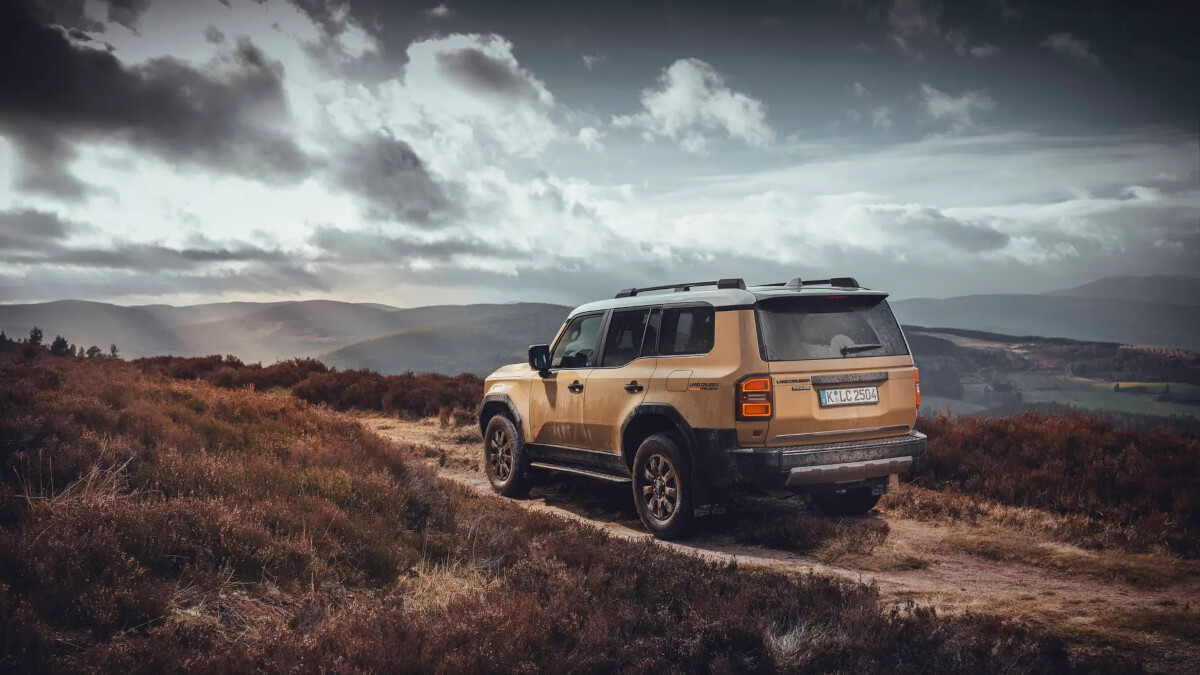
The car it has most in common with is the Mercedes-Benz G-Class, only the LC has a much lower asking price and is definitely only half as luxurious. While the Merc can be likened to piloting a nightclub across a battlefield, the Land Cruiser is less at odds with itself. The plastics exude durability rather than tactility—you’ll happily rub a hand over the surfaces to wipe the mud off rather than caress the trim. The driving position is perfect. You sit high with a commanding view over the flat hood, the window line is low, and the seats are soft so sudden thumps from the chassis don’t make it as far as your buttocks and back.
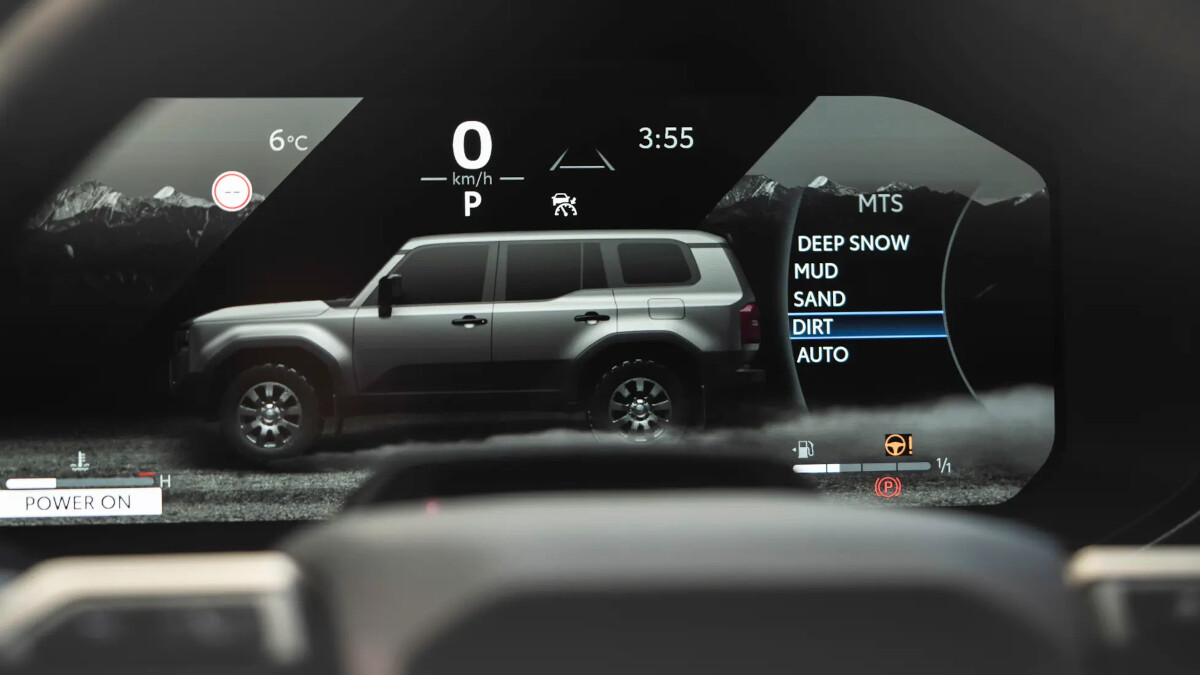
And you have buttons and levers to play with. Loads of them, almost all controlling something mechanical or important. There is a rotary controller for the driving modes, but unlike the Defender’s Terrain Response, you’ll need to lock the diffs and select low range yourself. That’s fine with us—gives you more sense of control.
Unfortunately, you do still have to battle a touchscreen (eight or 12 inches depending on spec level) for your infotainment, and the dash screen is confusing to operate and presents important info too small to be read at a glance.
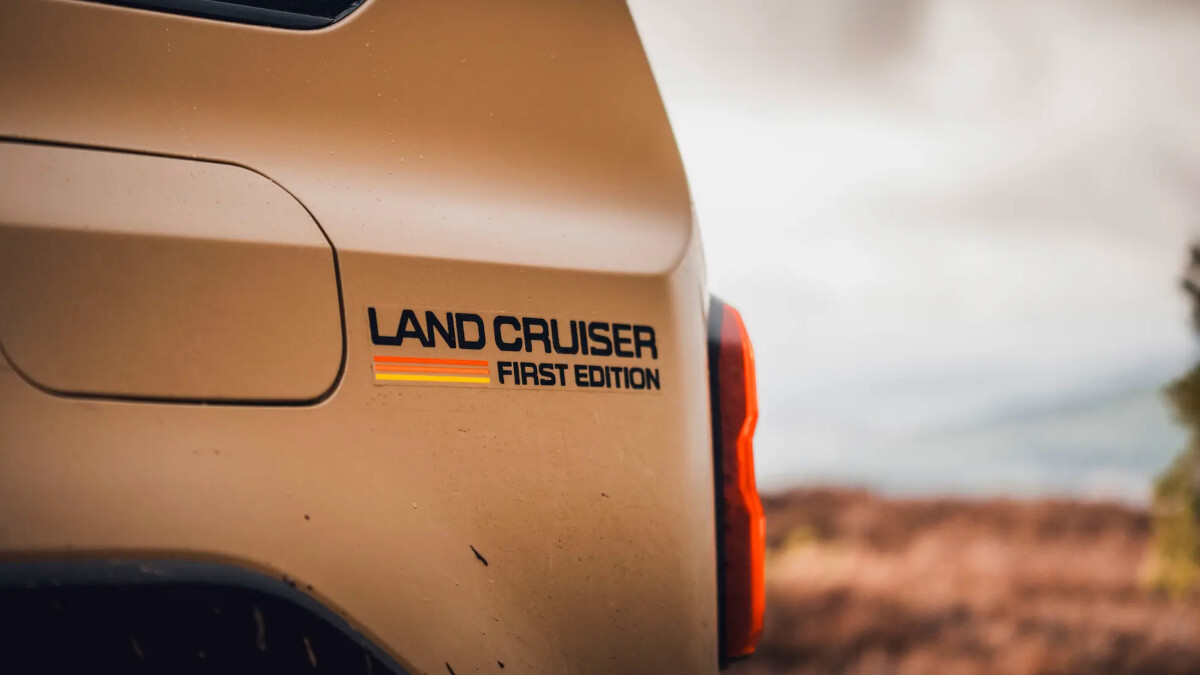
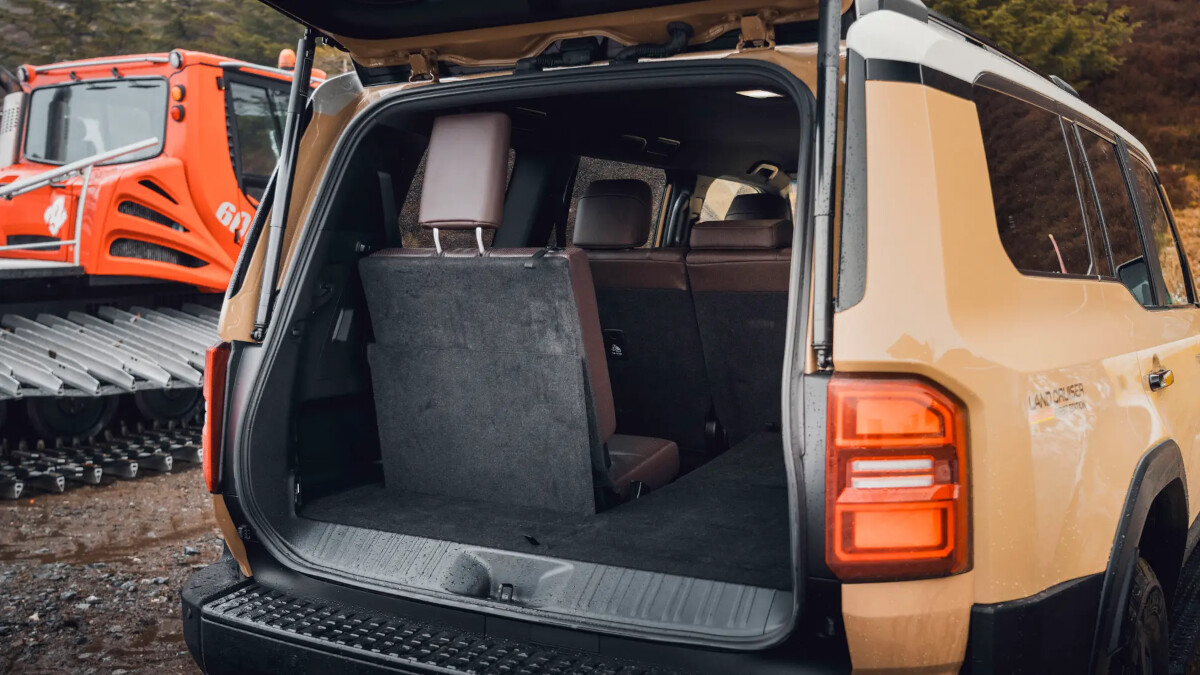
You can carry fellow adventurers as well. The construction makes for a high floor and less legroom than you’d expect from a 4,925mm long full-size 4x4. You can have a third row of seats, too, then attach a roofbox or a trailer to get back the cargo space you’ve just lost. Keep those rearmost seats folded and you’ll have more than enough space. Small gripe: On top-spec First Edition cars such as the one you see here, seats six and seven fold electronically. They shouldn’t. That jars with the Land Cruiser ethos. I can barely forgive the electric tailgate.
It makes a decent fist of long-haul cruising. There’s a bit of wind noise, but on the whole, road and suspension noise has been very well insulated. You won’t be going too fast because 500Nm of torque at 1,600rpm working on 2,330kg isn’t conducive to fast-lane shenanigans, and acceleration is pretty glacial up there. Instead, let the Land Cruiser dictate its own pace. You’ll make progress—in fact, you’ll probably end up going a bit faster than you expected, enabling you to nod with surprise and contentment.
The problems come on smaller roads. This is a big car and feels it because the steering and the tires aren’t massively accurate, and corners require a more considerate approach to prevent it from heaving toward the apex like a galleon. And bear in mind the ride, which will communicate more about the state of roads than you thought possible given the chunky sidewalls. In short, the Toyota lumbers around like the big beast it is, and if you’re in a rush, the two of you are going to have a falling out. A Defender is more comfortable and crisper, with less play in the controls.
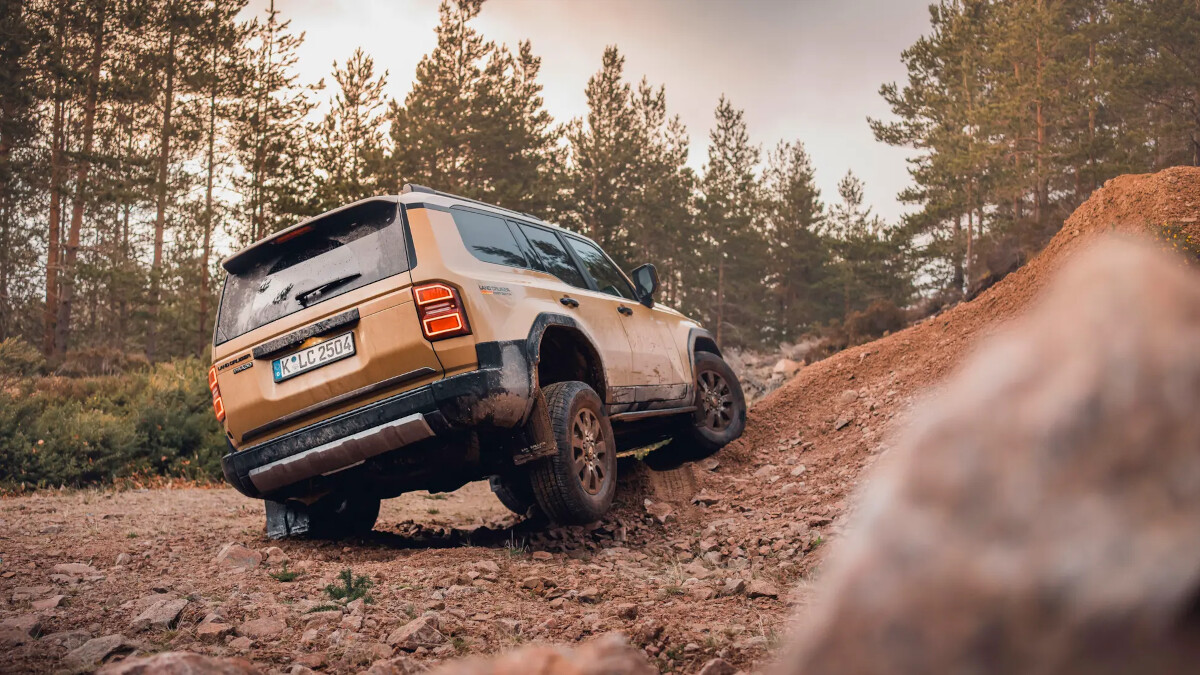
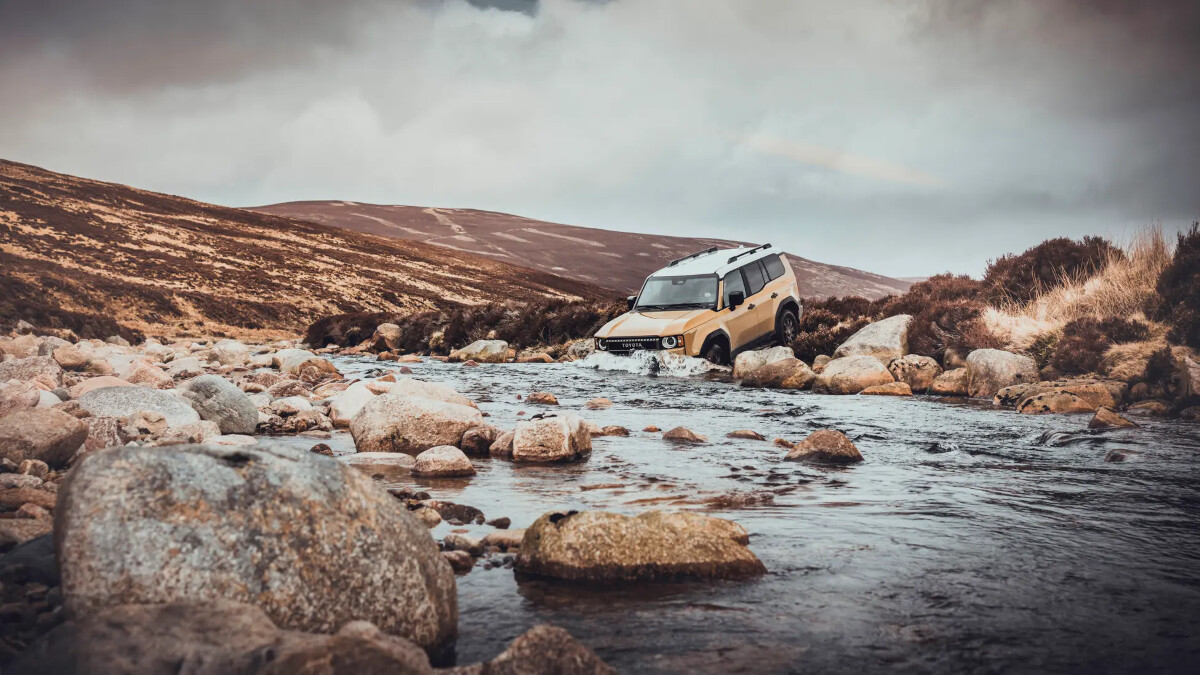
But then you get it off-road, and suddenly all that sloppy behavior makes sense. The suspension just needed to be given some proper work to do. Now the sponginess has gone and the Land Cruiser begins to communicate. You can tell exactly what each wheel is up to, and if it stops doing it, just flick a switch or twirl a knob and traction will be resumed. It is phenomenally capable off-road. No height adjustable suspension here, but I found it impossible to get the SUV stuck, even wearing more road-focused tires. More than that, there’s no structural shake or weakness and no squeaks or rattles from the trim. It feels incredibly together.
Special shout out to the disconnecting anti-roll bar I mentioned earlier. Press the SDM (stabilizer disconnect mechanism) button to activate it and you get another 10% more wheel travel and a front end that feels more elastic and absorbent. It’s capable of extraordinary feats of climbing and traction, it’s connected to the surface, yet not harsh in its manners. Toyota opened up an entire Scottish estate to us and let us go where we pleased, do what we wanted. That speaks of confidence in its product. And that’s how it comes across: As much as capability, there’s an honesty and integrity to it that is deeply appealing.
It can wade to 700mm, the gearshift paddles give you useful extra control (special mention to the eight-speeder for its promptness and good manners), you won’t mind scratching up the flanks because they’re mostly plastic, and see how the bumper is sectioned up rather than a continuous piece? That’s so you can replace individual sections if they get damaged. It’ll tow 3,500kg, and the Land Cruiser’s reputation means there will be a vast array of third-party accessories to be had.
For family use, a Defender makes more sense, but I’m surely not alone in thinking Land Rover has sold its soul and willingly turned the Defender from wilderness explorer into school-run truck. Good business for JLR now, I’m sure, but potentially bad for future reputation. Then there’s the Ineos Grenadier: a good update of an old Defender, but more agricultural than the Land Cruiser, too much money, and, let’s face it, the Toyota already has the reputation for durability and toughness that the Ineos will take years to achieve.
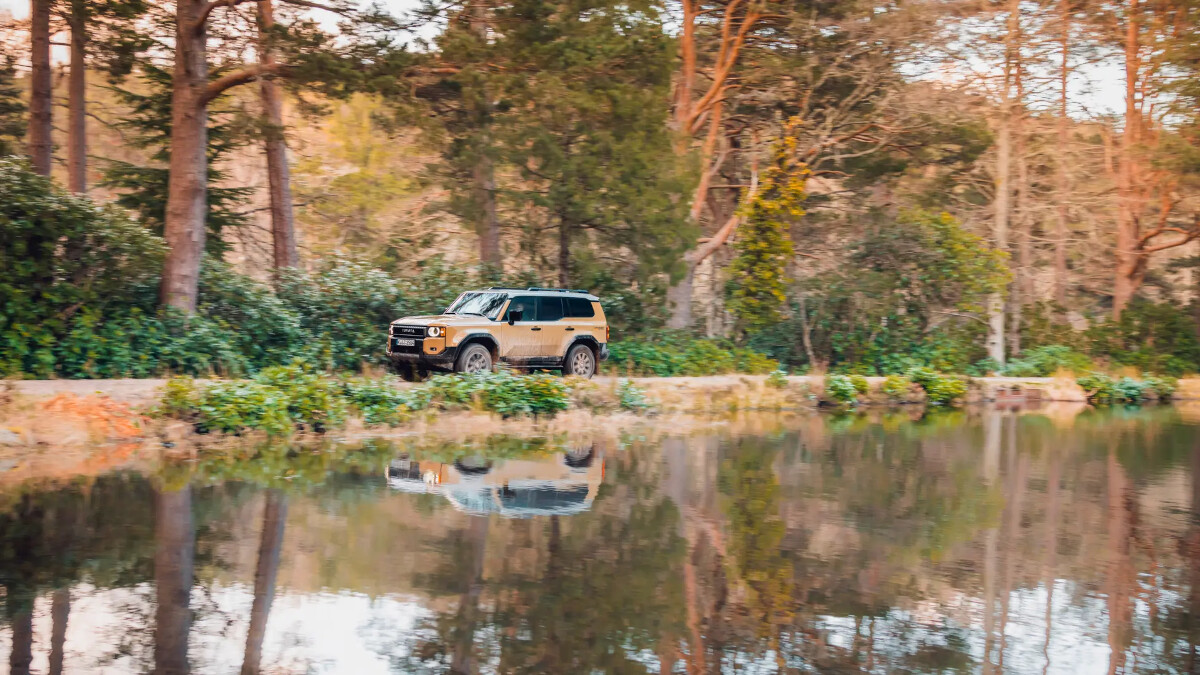
And yet all that most people will notice is that the Land Cruiser has had a retro-inspired makeover and now looks cool and fun, plus it’ll be cheaper than a Defender, is bound to be more reliable, and isn’t so common, so wouldn’t it make a great replacement school-run SUV? Well, yes. But don’t restrict yourself—let it show you what it can do, where it can take you. The Land Cruiser has the reputation it does because it’s always been used properly. Don’t let the side down.
More photos of the Toyota Land Cruiser 250:

NOTE: This article first appeared on TopGear.com. Minor edits have been made.